High-Volume
Die Casting
Services
Produce complex, net-shape metal parts with exceptional accuracy and finish. Ideal for high-volume production runs with low unit costs.
Aluminum Casting| Zinc Casting | Magnesium Casting | Custom Tooling


What is Die Casting?
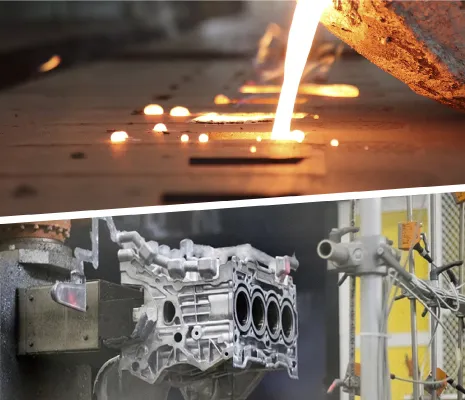
Precision Metal Parts, at Speed and Scale
Die casting is a high-speed manufacturing process that forces molten metal under high pressure into a reusable steel mold, known as a “die”. This method is perfect for producing tens of thousands to millions of identical parts with excellent dimensional accuracy, complex features, and a smooth surface finish.
Our Core Die Casting
Capabilities
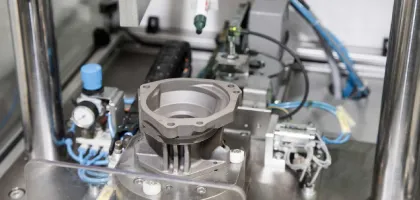
High-Pressure Die Casting (HPDC)
Our core competency, using automated processes to produce parts with thin walls, tight tolerances, and superior surface finish at high speeds.
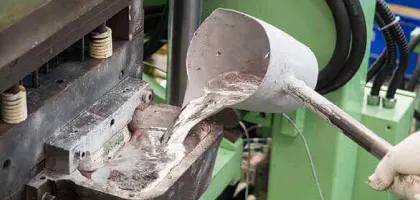
Cold Chamber Casting
Primarily used for metals with high melting points like Aluminum. This process ensures higher tool life and part integrity for demanding applications.
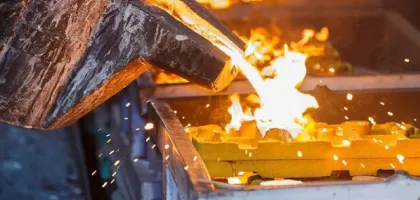
Hot Chamber Casting
Ideal for lower melting-point alloys like Zinc and Magnesium. This method offers faster cycle times and reduced porosity.
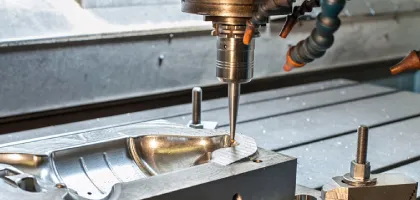
In-House Die Casting Tooling
We design, manufacture, and maintain high-quality steel dies in-house, ensuring optimal performance, longevity, and faster project start times.
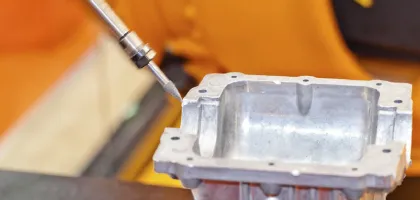
Post-Machining Services
We provide precision CNC machining for critical features, threads, and tight-tolerance surfaces on your die-cast parts.
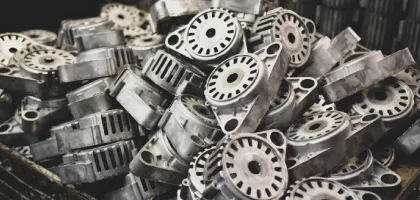
High-Volume Production
Our facilities are optimized for scalable production, from initial pilot runs to millions of parts per year with consistent quality.
Why Choose RAPMAF
Manufacturing for Die Casting
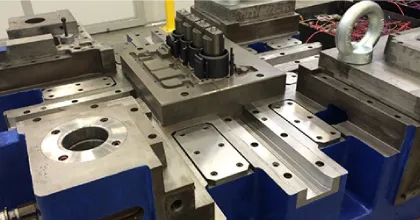
Rapid Tooling & Production
With in-house tooling capabilities, we can deliver first articles in as little as 4-6 weeks, significantly accelerating your time to market.
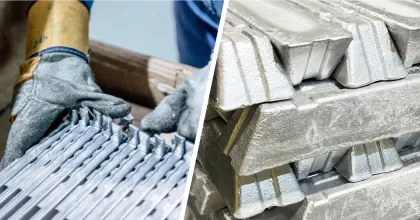
Alloy Expertise
Our engineers help you select the perfect aluminum, zinc, or magnesium alloy based on your part’s mechanical, thermal, and cosmetic requirements.
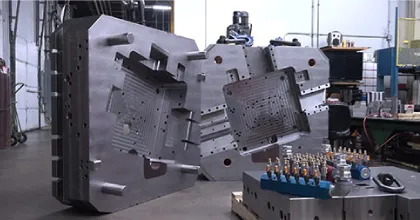
Expert DFM for Tooling
Receive critical Design for Manufacturability (DFM) feedback on draft angles, parting lines, and wall thickness to ensure a robust tool and flawless parts.
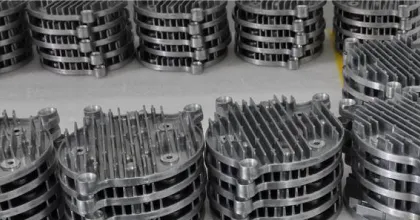
Guaranteed Consistency
Through rigorous process control and mold maintenance, we guarantee part-to-part consistency across the entire production run, no matter the volume.
End-to-End Solution
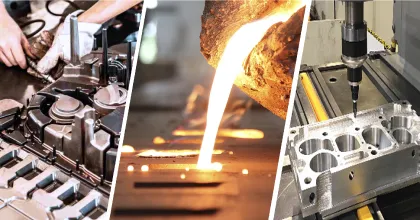
We are your one-stop shop, managing everything from tooling design and die casting to CNC machining, surface finishing, and assembly.
Transparent Quoting
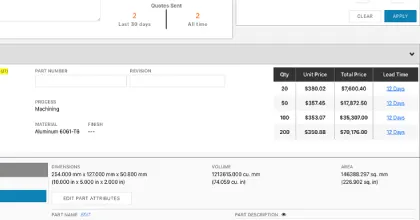
Our quotes clearly break down tooling costs and per-part pricing at different volumes, helping you make informed business decisions.
Technical Specifications
| Feature | Specification |
|---|---|
Alloys Available |
Aluminum (A380, A360), Zinc (Zamak 3, 5, 7), Magnesium (AZ91D) |
Tonnage Range |
180T to 3500T |
Tooling Lead Time |
4-8 weeks for most tools |
Part Size |
From 0.5″ x 0.5″ up to 24″ x 24″ (600 x 600 mm) |
Standard Tolerance |
As per NADCA Precision Standards (e.g., ±0.005 in for the first inch) |
Min. Wall Thickness |
~0.04 in (1 mm), depends on alloy and part geometry |
Tool Life |
Up to 100,000+ shots (Aluminum), 500,000+ shots (Zinc) |
Our Die Casting
Workflow

Step 1
Quote & DFM Analysis
Submit your CAD file. Our engineers provide a detailed quote and a comprehensive DFM report to optimize your design for casting.

Step 2
Tooling Design & Manufacturing
Once the design is approved, we begin manufacturing your custom steel die using high-precision CNC machining and EDM processes.

Step 3
First Article Inspection (FAI)
We produce a small batch of “T1” samples from the new tool for your inspection and approval, along with a full FAI report.

Step 4
Mass Production & Finishing
Upon FAI approval, we launch mass production, followed by any required secondary machining and surface finishing operations.
Alloys We Cast

Aluminum Alloys
Description
A380
A360
K-Alloy
Lightweight, high thermal conductivity, corrosion resistant
Most common, excellent balance of properties
Superior corrosion resistance, harder to cast
Harder, stronger, wear-resistant alloy
$$
$$$
$$$$
Zinc Alloys
Description
Zamak 3
Zamak 5
ZA-8
High strength & hardness, excellent for plating
Most popular, great stability and platability
Higher strength and hardness than Zamak 3
Highest strength among hot-chamber alloys.
$$
$$
$$$
Magnesium Alloys
Description
AZ91D
Ultra-lightweight, excellent EMI/RFI shielding
The most common magnesium alloy, good strength-to-weight ratio
$$$$
Post-Processing & Finishing Options
As-Cast & Trimmed
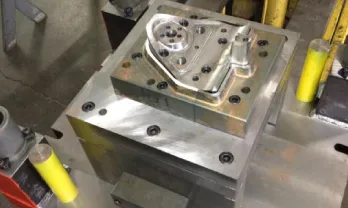
Standard finish with flash and gates removed
Shot Blasting
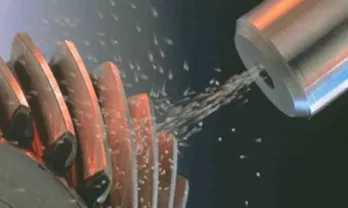
Creates a uniform, non-directional matte texture.
Powder Coating
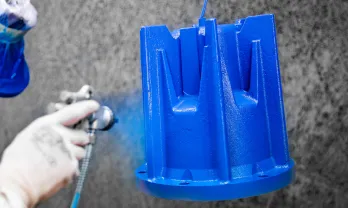
Durable, cosmetic finish available in a wide range of colors and textures.
Anodizing
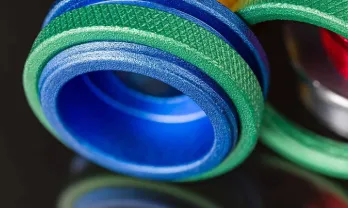
For aluminum parts. Adds a hard, corrosion-resistant, and often colored surface layer.
E-Coating
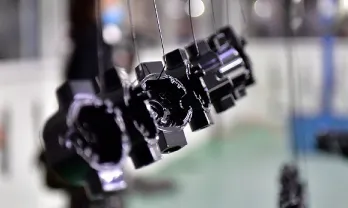
Excellent corrosion protection with a uniform black finish.
Plating
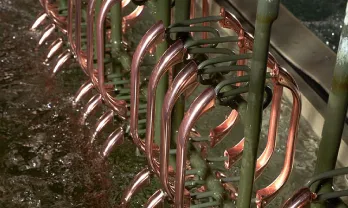
Primarily for zinc parts. Provides decorative finishes like chrome, nickel, or brass.
Industries We Serve
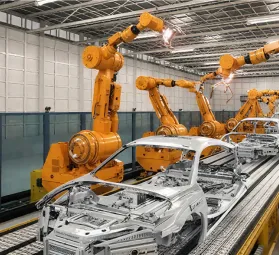
We assemble complex robotic arms,end-effectors, and control boxes,integrating motors,sensors, and wiring

We build diagnostic equipment and lab instruments in a controlled environment,adhering to strict quality and documentation standards.
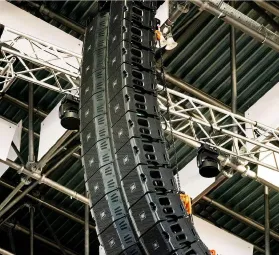
We provide final assembly for high-end audio equipment, smart home devices,and other consumer products ready for market.
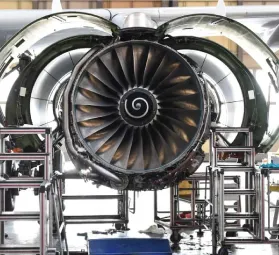
We assemble ruggedized enclosures,mil-spec connectors,and mission-critical hardware with full traceability and documentation.
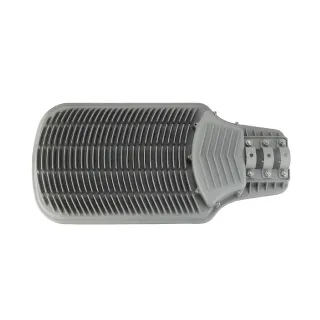
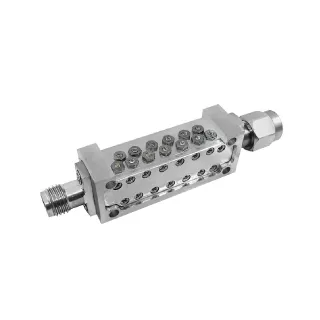
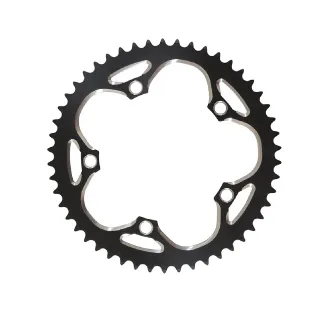
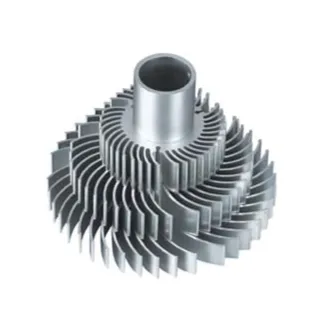
Showcase of Our Die Cast Parts
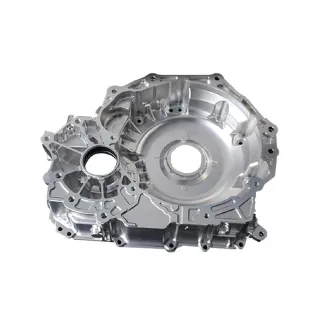
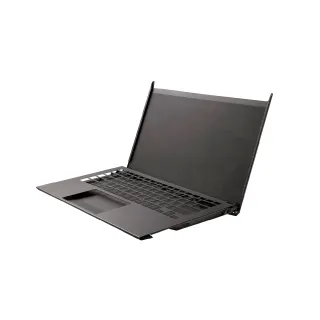
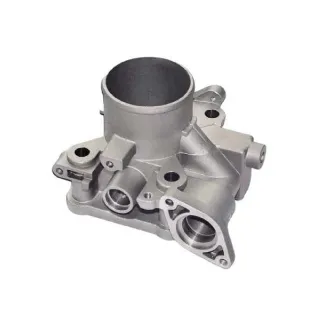
Explore a selection of parts we have produced for our clients, demonstrating our capability in casting complex geometries with tight tolerances.

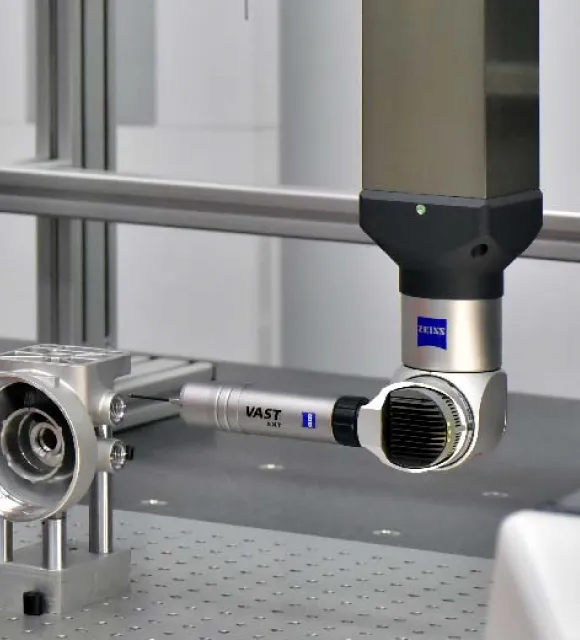
Ensuring Quality in Every Shot
- Tooling Design & Validation
We use advanced mold flow simulation to predict and prevent defects. Every tool is dimensionally verified with CMM before production begins.
- In-Process Control
Key process parameters like metal temperature, injection speed, and pressure are monitored in real-time. We use X-ray inspection to check for internal porosity.
- Final Part Inspection
Finished parts undergo CMM inspection, visual checks, and material testing to ensure they meet all customer specifications before shipment.
Related Articles &
Insights
What is auto diecasting?
Your Questions About Auto Diecasting, Answered Fast Your Question The Short Answer What is auto diecasting? It is a highly automated manufacturing process where molten
Is casting or forging stronger?
People ask me this all the time, usually while holding two similar-looking metal parts and wondering why one costs three times as much as the
What is expandable casting?
Core Question The Short Answer What is Expendable Mold Casting? A family of casting processes where the mold is single-use and is destroyed to retrieve the finished
Die Casting vs. Sand Casting: A Founder’s Guide to Choosing
My name is Clive, and I help people turn ideas into real, physical products. One of the first and most expensive decisions a founder has
What Sand is Used for Metal Casting?
Quick Answer: What Kind of Sand is Used for Metal Casting? The Correct Term The general term is Foundry Sand or Molding Sand. It is a specially formulated
What plaster is used for metal casting?
Early in my career, a young artist brought a project to a community workshop I was mentoring at. He had sculpted a beautiful, intricate bird
Inquiry & FAQs
We’ve answered some of the most common questions our customers ask about our high-precision laser cutting services.
We guarantee that all the files and pictures you upload will be kept confidential and no customer personal information will be disclosed.
The primary advantage is a very low per-part cost at high production volumes. It also produces parts with excellent dimensional accuracy and surface finish, often eliminating the need for secondary machining.
Tooling costs can range from $5,000 for simple, small parts to over $100,000 for large, complex molds. The cost is driven by part size, complexity, and the number of cavities in the tool.
Tool life depends on the alloy being cast. A tool for casting Zinc might last for over 500,000 shots, while a tool for casting high-temperature Aluminum may need major maintenance after 80,000-100,000 shots.
Porosity refers to tiny voids or gas bubbles trapped within the metal as it solidifies. We control this through careful tool design and process parameter management to ensure parts are strong and leak-proof.
A draft angle is a slight taper applied to the walls of the part, allowing it to be easily ejected from the steel mold without damage. It is the most critical design rule for successful die casting.
The hot chamber process is faster and used for low-melting-point metals like Zinc. The cold chamber process is used for high-melting-point metals like Aluminum to prevent damage to the machine.
This is very common for creating threads, mating surfaces, or features with tolerances tighter than what die casting alone can achieve. We offer this as a secondary service.
They are very similar processes, but die casting uses molten metal, while plastic injection molding uses molten plastic. Die casting tools are made of hardened steel, whereas injection molding tools can be made of steel or aluminum.
We can typically achieve a minimum wall thickness of around 1.0 to 1.5 mm (0.040" to 0.060"). Thinner walls are possible but require careful design and collaboration with our engineers.
A380 offers the best combination of casting properties, mechanical properties, and cost-effectiveness. It’s strong, lightweight, corrosion-resistant, and relatively easy to cast, making it a great default choice.
No, die casting is not suitable for ferrous metals like steel or iron because their melting temperatures are too high and would destroy the steel mold. These metals are typically cast using other methods like sand casting or investment casting.
The parting line is the seam on the part where the two halves of the mold meet. Our DFM process helps to place this line in the least cosmetically sensitive area of your part.
Due to the high upfront cost of tooling, die casting is typically only economical for production runs of 1,000 pieces or more. The ideal volume is often 10,000+ units per year.
A T1 sample is the very first part produced from a new tool, run under standard operating conditions. It is used for dimensional inspection and to verify that the tool is functioning correctly before starting mass production.
Ready to Start Your Project?
Get a free quote and design for manufacturability analysis,