


When designers and developers need a material that is transparent as glass yet orders of magnitude harder, they nearly inevitably turn to one “super-plastic”: polycarbonate. From the cover of an F-22 Raptor jet boxer to the “bulletproof glass” protecting a financial institution cashier, polycarbonate is the go-to product for applications where optical quality must exist side-by-side with extreme effect resistance.
Its listing of toughness is awesome. It is light-weight, has superb temperature level resistance, and can be quickly thermoformed right into complicated curves. It appears, for all intents and functions, like the best product.
But it isn’t.
Like any type of engineering product, polycarbonate is a collection of compromises. Its most celebrated toughness hide a few critical weaknesses– disadvantages so considerable that they can bring about finish project failing otherwise comprehended and accounted for. While small problems like its higher cost compared to acrylic exist, they are not its specifying defect.
The solitary greatest negative aspect of standard, uncoated polycarbonate sheet is its poor abrasion and scrape resistance. This is carefully followed by its 2nd major defect: sensitivity to destruction from ultraviolet (UV) radiation.
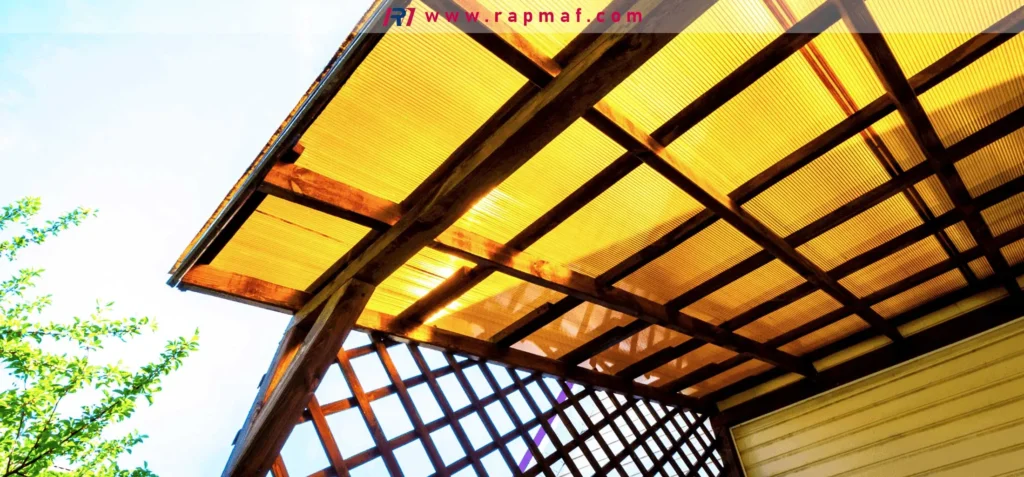
These 2 weak points are the Achilles’ heel of this otherwise huge product. They are the reason that a brand-new, crystal-clear equipment guard can look like a hazy, scuffed-up mess after just a couple of months of service, and why a clear patio area roofing can turn yellow and breakable in time.
In this conclusive guide, we will certainly not just explore these disadvantages thoroughly but additionally clarify the science behind them. More significantly, we will cover the advanced services– specialized coatings and co-extruded layers– that manufacturers have actually crafted to get over these imperfections. Prior to we dissect the issues, nevertheless, we have to first value the promise. To comprehend why these disadvantages issue, we should initially recognize why any person would certainly pick polycarbonate to begin with.
The Unbeatable Benefit: Recognizing Polycarbonate’s Core Strength
The primary reason polycarbonate exists and controls in its area is a solitary, extraordinary residential property: influence stamina.
To claim polycarbonate is “strong” is an extensive exaggeration. It is among the most difficult clear products commercially readily available. Its capacity to absorb power and deform without fracturing is fabulous. Allow’s put this right into a measurable context:
vs. Glass: Criterion polycarbonate is approximately 250 times a lot more impact resistant than plate glass of the same density. Where a hammer strike would certainly smash glass right into a thousand unsafe shards, it would just jump off a polycarbonate sheet, leaving at most a boring mark.
vs. Polymer (Plexiglass): Polycarbonate is approximately 30 times extra effect immune than acrylic sheet. While acrylic is also a solid plastic, it is even more fragile. Under a sharp influence, polymer will certainly split and eventually smash. Polycarbonate will certainly dent and deform, yet it is remarkably tough to break.
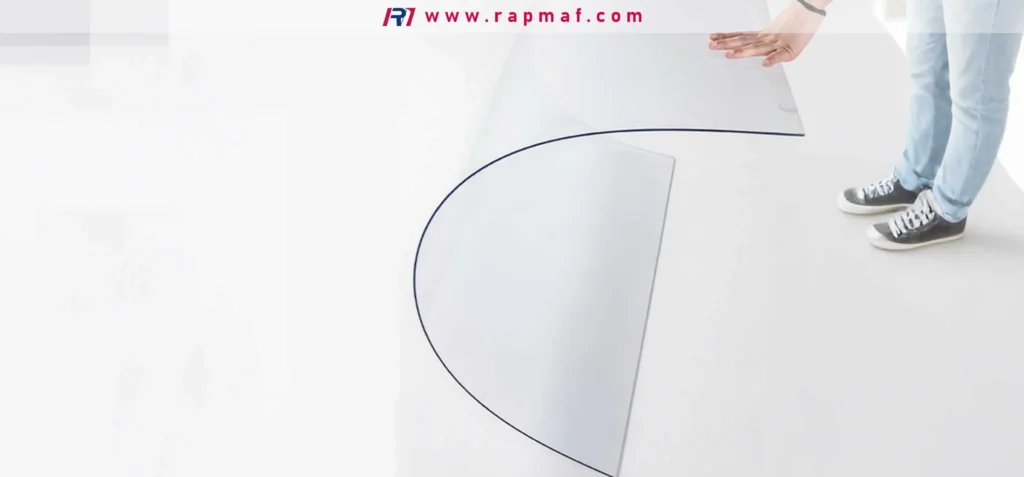
This isn’t just an advertising case; it’s a basic difference in the material’s molecular framework. Polycarbonate is a pliable product, meaning it can flex and “give” under anxiety prior to falling short. This building makes it the only feasible option for applications like:
Safety and security Glazing: Architectural home windows in institutions, psychiatric facilities, and jails.
Device Guards: Protective guards on CNC devices, turrets, and commercial saws that have to consist of high-velocity particles.
Trouble Shields & Visors: Equipment for police and army personnel that must quit projectiles.
Automotive Elements: Unbreakable front lights lenses and light-weight windows in racing cars.
Without this unbelievable strength, polycarbonate would certainly have no factor to exist. It is more costly than acrylic and harder to collaborate with. But also for applications where failing is not an alternative, its influence toughness is non-negotiable.
Other Trick Qualities
Beyond its durability, polycarbonate brings several other important properties to the table:
High-Temperature Resistance: It has a heat deflection temperature of around 135 ° C( 275 ° F ), enabling it to remain stable in environments where other plastics like acrylic would soften.
Great Optical Clearness: While not quite as crystal-clear as acrylic, it has excellent light transmission (around 88%) and a low haze level when new.
Dimensional Stability: It holds its shape well over a vast array of temperature levels and humidity levels, making it dependable for accuracy components.
Formability: It can be conveniently thermoformed, curved, and formed right into intricate shapes without shedding its core properties.
Now that we have established the “why”– the amazing stamina that makes polycarbonate so preferable– we prepare to challenge its flaws. What takes place when this challenging, clear product satisfies the real life of rough dust, cleaning up brushes, and direct sunshine? In the following part, we will do a deep study its 2 best disadvantages and discover the modern-day design options designed to fix them.
The Achilles’ Heel: A Deep Dive into Polycarbonate’s Weak points
In the first part of our guide, we developed polycarbonate’s undisputed dominance in one vital location: influence toughness. This incredible sturdiness makes it a crucial material for safety-critical applications. Nonetheless, this toughness comes with a price. Currently, we will face the two major disadvantages that designers must handle when designing with polycarbonate: its susceptability to scratching and its deterioration under sunlight.
Drawback # 1: Poor Abrasion & Scratch Resistance
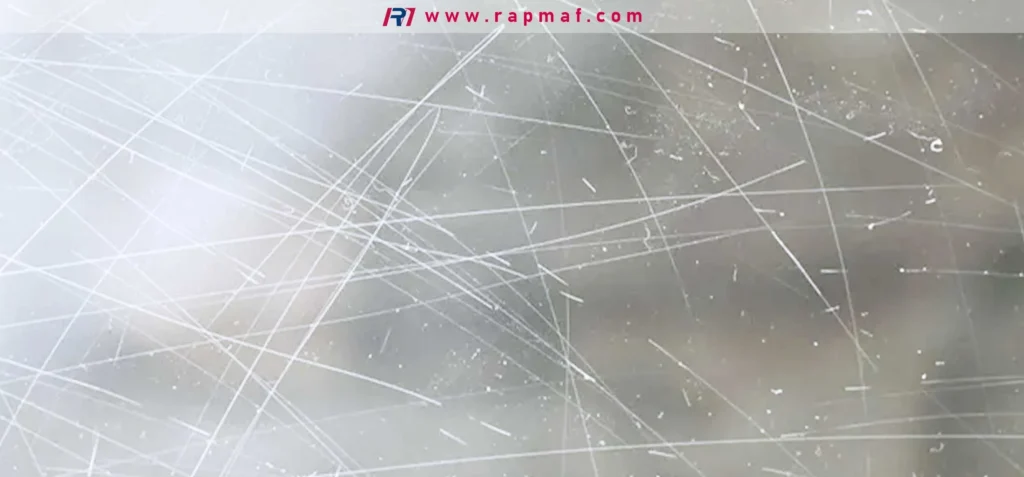
This is arguably the most instant and recognizable flaw of standard polycarbonate. While it can hold up against a strike from a hammer, it can be visibly damaged by something as seemingly harmless as a dirty paper towel.
The Real-World Problem:
Imagine a brand-new, crystal-clear guard on a CNC device. On the very first day, it looks perfect. But after a week of being wiped to eliminate reducing fluid and chips, it’s covered in a network of fine swirls and scratches. After a few months, presence with the guard is substantially reduced, compromising security and aesthetics. This occurs since common polycarbonate is a fairly soft product on its surface area.
Usual sources of scratching consist of:
Improper Cleansing: Cleaning with a completely dry or filthy cloth, making use of paper towels (which contain unpleasant wood fibers), or making use of abrasive cleaners.
Environmental Get in touch with: Windblown sand or dirt, contact with branches in outdoor applications.
General Usage: Everyday bumps, scratches, and contact with other items.
The Science Behind the Softness:
Product firmness is a measure of its resistance to local surface area contortion, such as a scrape or an impression. On the Mohs range of mineral hardness (where Talc is 1 and Diamond is 10), many polymers like polycarbonate rank extremely reduced, around a 2 or 3– comparable to a fingernail. Glass, by contrast, places around 5.5 to 7. This fundamental distinction in surface area solidity is why glass withstands day-to-day scrapes far much better than raw polycarbonate.
The Engineering Service: Abrasion-Resistant (AR) Difficult Layer
To resolve this trouble, suppliers created hard-coated polycarbonate. This is a sheet of standard polycarbonate that has a micro-thin, transparent layer of a much more difficult material applied to one or both of its surface areas.
This coating is normally a silica-based (ceramic-like) polymer that is healed in place making use of UV light. The outcome is a composite material that has the very best of both worlds:
The Substrate: The bulk of the sheet is still tough polycarbonate, providing the legendary effect resistance.
The Surface area: The difficult finish supplies a durable, scratch-resistant layer that is a lot closer to glass in firmness.
Hard-coated polycarbonate can be cleaned up with conventional home window cleansers, withstands contact with grit and dust, and preserves its optical clarity for much longer in high-contact environments. The industry-standard examination for this property is the Taber Abrasion Examination, where a covered example is subjected to a heavy rough wheel for a set number of cycles. A great tough layer will certainly reveal only a marginal rise in haze, while an uncoated sheet will certainly be made virtually opaque.
Disadvantage # 2: UV Deterioration (Yellowing & Embrittlement).
The second major imperfection impacts polycarbonate in outdoor applications. When revealed to guide sunshine for prolonged periods, conventional polycarbonate will begin to degrade.
The Real-World Issue:.
This degradation materializes in 2 methods:.
Yellowing: The sheet sheds its water-clear appearance and creates an obvious yellow or brownish color. This is simply aesthetic yet is commonly the first indication of a much deeper problem.
Embrittlement: This is the more dangerous effect. The UV radiation attacks the lengthy polymer chains that offer polycarbonate its stamina. As these chains break down, the product loses its ductility and ends up being breakable. A sheet that might once quit a baseball will ultimately fracture and smash under a much smaller sized effect.
This makes untreated polycarbonate a poor choice for long-lasting outside applications like skylights, greenhouse panels, or architectural glazing.
The Science Behind the Deterioration:.
This process is called photo-oxidation. Ultraviolet radiation from the sunlight carries enough power to break the chemical bonds within the polycarbonate polymer. This develops complimentary radicals, which leads to a chain reaction that continues to break down the product’s structure. The yellowing is triggered by the formation of particular chemical groups called chromophores, which are molecular structures that soak up light in heaven and violet range, making the material show up yellow to our eyes.
The Design Remedy: UV-Protective Layers.
Manufacturers overcome this flaw by including a layer that blocks UV radiation prior to it can reach the polycarbonate. This is normally carried out in either methods:.
UV-Protective Layer:
A slim, clear coating including UV absorbers is put on the surface of the sheet.
Co-extrusion: This is the more common and durable method. During the production of the sheet, a thin leading layer of a specialized, UV-resistant material is melted and adhered directly to the primary polycarbonate substrate. This co-extruded layer becomes an indispensable part of the sheet and can not peel or delaminate.
Sheets with this protection are sold as “UV-resistant” or “weatherable” polycarbonate and are frequently warrantied against yellowing and breakage for ten years or more, making them the basic selection for any kind of outside application.
The Solution Matrix: Choosing the Right Polycarbonate Sheet
Understanding these problems and their remedies is vital to selecting the appropriate product. A developer doesn’t simply define “polycarbonate”; they need to specify the grade that matches the application’s environment.
| Feature | Standard Polycarbonate | Abrasion-Resistant (AR) Polycarbonate | UV-Resistant Polycarbonate |
|---|---|---|---|
| Impact Strength | Excellent | Excellent | Excellent |
| Scratch Resistance | Poor | Excellent | Poor |
| UV Resistance | Poor | Poor (unless specified) | Excellent |
| Initial Cost | Base | High | Moderate |
| Ideal Applications | Indoor, low-contact parts, prototypes. | Machine guards, display cases, high-traffic windows. | Skylights, greenhouses, outdoor signage, stadium glazing. |
Keep in mind: It prevails to locate sheets that combine both solutions, such as an AR-coated sheet that likewise has a UV-protective layer, designed for the most requiring outdoor atmospheres.
We have currently dissected the strengths, the weaknesses, and the crafted remedies for polycarbonate. But just how does it compare to its biggest rival in the clear plastic globe? In the last part, we will contrast polycarbonate directly to acrylic, review what chemicals to avoid, and offer a final verdict on when to select this impressive product.
Polycarbonate vs. Acrylic (Plexiglas)
For any application needing a clear, inflexible plastic sheet, the selection almost always boils down to polycarbonate or acrylic. While they might look comparable to the untrained eye, their homes are substantially different. Comprehending this rivalry is crucial to avoiding costly layout blunders.
| Property | Polycarbonate (e.g., Lexan) | Acrylic (e.g., Plexiglas) | The Winner & Why |
|---|---|---|---|
| Impact Strength | Excellent (Virtually unbreakable, 250x stronger than glass) | Fair (17x stronger than glass, but can shatter on impact) | Polycarbonate. This is its defining feature. It bends and deforms, absorbing energy where acrylic shatters. |
| Scratch Resistance | Poor (Standard grade is soft and scratches easily) | Good (Standard grade is harder and more scratch-resistant) | Acrylic. For high-contact applications without hard coating, acrylic maintains its appearance better. |
| UV Resistance | Poor (Standard grade yellows and becomes brittle) | Excellent (Naturally resistant to UV without additives) | Acrylic. Standard acrylic can be used outdoors without issue, whereas polycarbonate requires a special UV grade. |
| Optical Clarity | Good (88% light transmission) | Excellent (92% light transmission, clearer than glass) | Acrylic. For high-end displays, lenses, and optical applications, acrylic offers superior clarity. |
| Chemical Resistance | Poor (Attacked by many common solvents and cleaners) | Fair (Better resistance than PC, but still vulnerable) | Acrylic. While not impervious, it holds up better against a wider range of chemicals than polycarbonate. |
| Fabrication | Excellent (Can be drilled and cut easily without cracking) | Fair (Can be brittle and prone to cracking if not machined properly) | Polycarbonate. Its toughness makes it more forgiving to machine, reducing the risk of scrapped parts. |
| Cost | Higher | Lower (Generally 20-35% cheaper than polycarbonate) | Acrylic. For projects where extreme impact strength is not required, acrylic is the more economical choice. |
| Flammability | Good (Self-extinguishing, flame retardant grades available) | Poor (Will burn and is not self-extinguishing) | Polycarbonate. In applications with fire codes or heat sources, polycarbonate is the safer material. |
This comparison makes the trade-offs clear. You are basically choosing in between the best strength of polycarbonate and the exceptional clearness, solidity, and reduced cost of acrylic.
Drawback # 3: Poor Chemical Resistance & The Danger of Crazing.
Past scrapes and sunlight, the 3rd significant negative aspect of polycarbonate is its high level of sensitivity to specific chemicals. This isn’t simply an issue of surface area staining; the wrong chemical can cause devastating structural failing.
The Real-World Trouble: What You Should NEVER Utilize on Polycarbonate.
The single most common error users make is cleaning polycarbonate with a typical glass cleaner like Windex. The majority of these cleaners include ammonia, which is very aggressive to polycarbonate.
Contact with inappropriate chemicals can cause a sensation called solvent-induced stress and anxiety fracturing, or “crazing.” This looks like a network of small, silvery cracks that spiderweb across the surface area. While they might appear shallow in the beginning, they are factors of high-stress concentration that seriously damage the material, substantially decreasing its effect toughness.
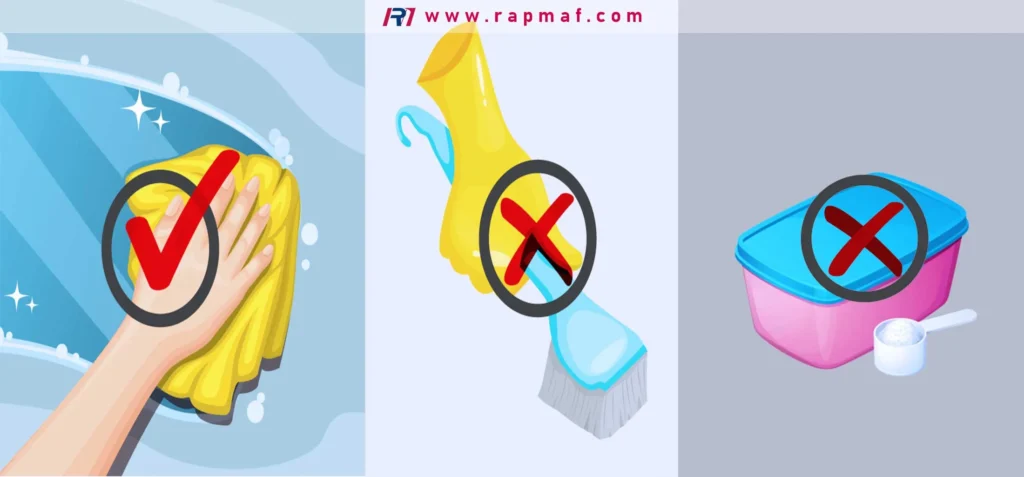
The Forbidden Chemical Listing:.
To maintain the stability of polycarbonate, you need to prevent all contact with the following:.
Ammonia ( found in many glass cleaners).
Acetone.
Ketones ( like MEK).
Benzene.
Gasoline.
Solid solvents and thread-locking substances (like Loctite, unless a plastic-safe variation is utilized).
Abrasive cleansers ( e.g., Comet, Ajax).
The Accepted Cleansing Technique:.
The most effective and safest means to tidy polycarbonate is straightforward:.
Carefully blow off any type of loose dirt or grit initially to stay clear of damaging.
Use a service of moderate soap and warm water.
Apply with a soft, clean microfiber fabric.
Rinse extensively with clean water.
Blot dry with an additional clean, soft fabric to avoid water places.
For tougher oil or paint, isopropyl alcohol (IPA) is generally taken into consideration risk-free for brief contact. Nevertheless, constantly examination on a tiny, unnoticeable location first.
The Last Judgment: When Should You Use Polycarbonate?
After assessing its unbelievable staminas and its 3 significant negative aspects, we can develop a clear decision-making structure.
Choose Polycarbonate when:.
Influence resistance is the # 1, non-negotiable concern. This includes machine security guards, bullet-resistant glazing, hockey rink guards, race automobile home windows, and safety visors.
The part will certainly undergo drilling, milling, or bending. Its ductility makes it much less complicated to fabricate without cracking contrasted to acrylic.
Flame resistance is a demand. For electronics enclosures or components in mass transit, flame-retardant qualities of polycarbonate are important.
When choosing polycarbonate, ALWAYS define the right quality:.
For outdoor usage, you need to define a UV-resistant grade.
For high-contact or regularly cleaned surfaces, you should define an abrasion-resistant (AR) hard-coated quality.
Avoid Polycarbonate (or select Acrylic) when:.
The primary requirements are optical clearness and a beautiful, scratch-free surface area (e.g., museum case, premium retail signs, image framing).
The budget is the key restriction and high influence stamina is not required.
The part will certainly be in an atmosphere with unavoidable contact with extreme chemicals.
By understanding that “polycarbonate” is not a single material however a family members of services, you can harness its famous strength while alleviating its integral weak points, guaranteeing your job is risk-free, long lasting, and effective.
Frequently Asked Questions (FAQs).
Q1: The length of time does polycarbonate last in the sun?
Criterion, unsafe polycarbonate can reveal indications of yellowing and embrittlement in as low as 1-2 years of straight sun direct exposure. Nonetheless, a top quality UV-resistant grade of polycarbonate is normally warrantied by the supplier for 10 to 15 years against considerable yellowing, loss of light transmission, and damage.
Q2: What product is better than polycarbonate?
” Much better” depends entirely on the application. For optical clarity and scratch resistance, acrylic is better. For severe durability and impact toughness, nothing is much better than polycarbonate. For high-temperature applications, a product like PEEK could be much better, yet at a much greater price. There is no solitary “best” material, only the very best option for a particular task.
Q3: What should you not utilize to clean polycarbonate?
You need to never ever use cleansers consisting of ammonia (like Windex), acetone, fuel, benzene, or any other strong solvent. You ought to additionally never utilize abrasive powders or paper towels. Adhere to mild soap and water with a soft microfiber towel.
Q4: Is polycarbonate expensive?
Yes, polycarbonate is normally thought about a premium engineering plastic. It is usually much more costly than other typical clear products like acrylic (by regarding 20-35%) and glass. Nevertheless, its cost is often justified by its unparalleled impact stamina, which can stop pricey failings and boost safety and security.
References
- SABIC Functional Forms. (2022). LEXAN™ Sheet Technical Manual. (An official engineering resource from a leading manufacturer detailing the properties, grades, and chemical resistance of polycarbonate).
- Professional Plastics. (2023). Acrylic vs. Polycarbonate – What’s the Difference?. (An industry supplier’s guide providing a practical comparison of the two most common clear plastics).
Disclaimer
The information on this page is for informational purposes only. RM makes no representations or warranties, express or implied, as to the accuracy or completeness of this information. For any third-party services procured through the RM network, it is the buyer’s responsibility to specify and confirm performance parameters, tolerances, materials, and workmanship during the quotation process. For more detailed information, please do not hesitate to contact us.
RM: Your Precision Manufacturing Partner
RM is an industry leader in custom manufacturing solutions. With over 20 years of profound experience, we have become the trusted partner for more than 5,000 clients worldwide. We specialize in a comprehensive range of manufacturing services—including high-precision CNC machining, sheet metal fabrication, 3D printing, injection molding, and metal stamping—to provide you with a true one-stop-shop experience.
Our world-class facility is equipped with over 100 state-of-the-art 5-axis machining centers and operates in strict compliance with the ISO 9001:2015 quality management system. We are dedicated to providing solutions that blend speed, efficiency, and exceptional quality to customers in over 150 countries. From rapid prototyping to large-scale production, we promise delivery in as fast as 24 hours, helping you gain a competitive edge in the market. Choosing RM means selecting an efficient, reliable, and professional manufacturing ally.
Explore our capabilities today by visiting our website: www.rapmaf.com







15 Responses