
Gauge Size Chart Mastery: Why 16ga Steel≠16ga Aluminum

If there is one system in manufacturing that I would love to abolish, it is the Gauge System. In my 30 years of managing sheet metal projects, I have seen more scrap parts and design failures caused by “Gauge Confusion” than almost any other factor. Here is the scenario: A junior designer specifies “16 Gauge” […]
The Stress-Strain Curve in Real Life: Why Parts Warp, Yield, and Fail
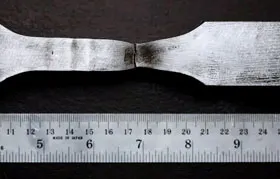
Every mechanical engineer learns the Stress-Strain curve in their first year of university. You memorize the diagram, pass the exam, and forget about it. Then, five years later, you design a beautiful aluminum base plate. You send it to the CNC shop. We machine it flat. It looks perfect on the vacuum table. But the […]
Aluminum Extrusion: Alloys, Tolerances, and Cost Reduction
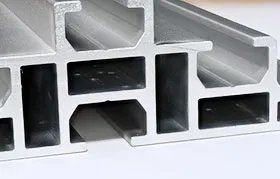
I have seen thousands of CAD files for aluminum extrusions land on my desk. 50% of them are brilliant. The other 50%? They treat aluminum like it’s plastic injection molding. Here is the brutal truth: Extrusion is not molding. It is not machining. It is the art of pushing hot, toothpaste-like metal through a steel […]
What Does TIG Mean? The Ultimate Procurement Guide to GTAW

The acronym is simple: TIG stands for Tungsten Inert Gas. The formal engineering term used in AWS D1.1 and ISO standards is GTAW (Gas Tungsten Arc Welding). But if you ask me, or any of the senior welders on my shop floor at RapidManufacturing, TIG stands for something else: “Time Is Gold.” Why? Because TIG […]
Is Copper Magnetic? The Trust Is…

If you hold a magnet up to a copper pipe, nothing happens. It doesn’t stick. If you drop that same magnet through the copper pipe, something magical happens: It floats down in slow motion. So, is copper magnetic? The short answer is: No. The engineering answer is: It’s Diamagnetic, and that’s even more useful. Understanding […]
304 vs 316 Steel: Which better for your project?
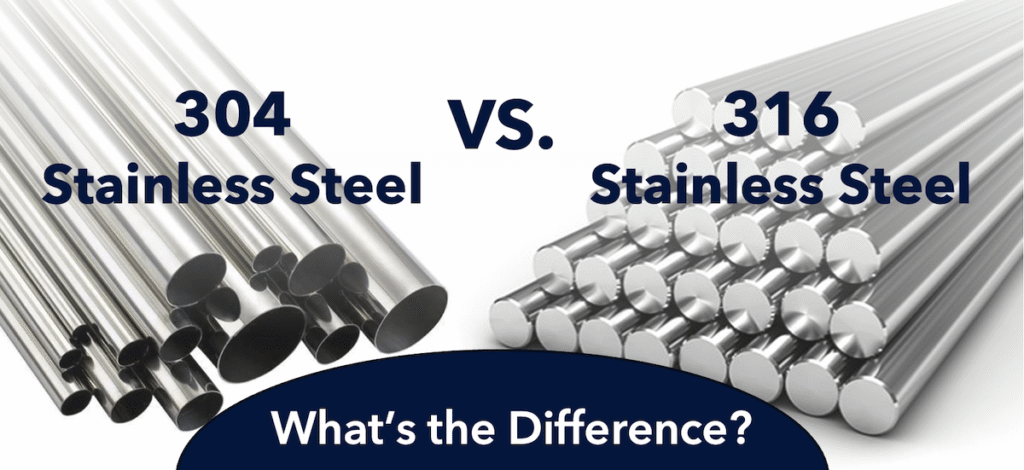
In the world of custom manufacturing—specifically within CNC machining and sheet metal fabrication—few things burn money faster than the debate between AISI 304 and AISI 316 stainless steel. At Rapid Manufacturing, I see it all the time in BOM audits: engineering teams, scared of a potential failure, just default to 316 for the entire assembly. […]
What Is Baltic Birch Plywood? An Engineer’s Guide to Its 5 Special Traits
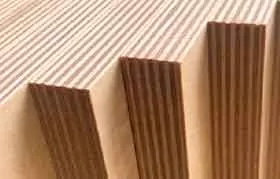
The Quick Answer: What is special about Baltic Birch Plywood? What makes Baltic Birch plywood special is its unique construction: it is made entirely from thin, uniform birch veneers, resulting in a void-free core with a high ply count (e.g., 13 plies in 3/4″ material). This gives it superior stability, exceptional screw-holding strength, and […]
TPR Material Disadvantages: What to Use Instead

In my 15 years at Rapid Manufacturing, overseeing thousands of injection molding cycles and analyzing countless failed prototypes, I have seen one material cause more heartbreak than any other: TPR (Thermoplastic Rubber). Marketing teams love it because it’s cheap and feels soft. But as an engineer, I see it differently. I see a material that […]
18/8 vs 316 vs 304 Stainless Steel: An Engineer Decodes the Difference
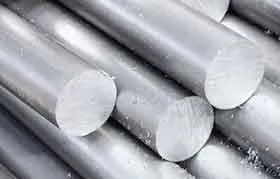
The Quick Answer: 18/8 vs. 304 vs. 316 18/8 and 304 are the same thing. “18/8” refers to the composition of 18% chromium and 8% nickel, which is the official definition for 304 grade stainless steel. “18/8” is a consumer or marketing term, while “304” is the engineering and industry grade. 316 stainless steel […]
How Much is a Custom Metal Sign? An Insider’s 2026 Pricing Guide
The Quick Answer: How much is a custom metal sign? A custom metal sign can cost anywhere from $50 for a small, simple nameplate to over $10,000 for a large, complex, and illuminated architectural sign for a business. The final price is not arbitrary; it’s a direct result of several key factors. The most […]