


Polyester is not a natural fiber. It is not grown in a field like cotton. It is not sheared from an animal like wool.
In the manufacturing globe, polyester is a chemical product. It is a polymer. Specifically, it is a plastic.
When individuals listen to the word “polyester,” they typically visualise cheap suits from the 1970s. They visualise a fabric that feels synthetic. However, they rarely comprehend the chemical origins or the industrial data that drives its dominance.
I have spent decades working with polymers, extrusion systems, and industrial textiles. I can tell you that polyester is constructed from the same raw ingredients that fuel your car and package your water.
It is constructed from petroleum.
To be chemically precise, the most common form of polyester is Polyethylene Terephthalate (PET). If that name sounds familiar, it is because it is the exact same material utilized to manufacture clear plastic water bottles.
When you wear a polyester shirt, you are essentially wearing a woven water bottle.
The Chemistry: The Acid and The Alcohol
Polyester does not exist in nature. We must synthesize it.
In the chemical plant, we do not start with thread. We start with liquids. We utilize a chemical reaction known as polymerization.
We combine two distinct components:
- Ethylene Glycol: This is derived from petroleum. In a different formulation, it is the primary ingredient in automotive antifreeze.
- Terephthalic Acid: This is also derived from petroleum (specifically from para-xylene).
When these two chemicals are boiled together at extremely high temperatures (approx 260°C) in a vacuum, a chemical reaction occurs. They bond. They form long, repeating chains of molecules. This is the “polymer.”
Clive’s Industry Insight:
“If you ever walk through a polymer plant, you will never forget the smell. It does not smell like burnt plastic. The esterification process smells strangely sweet, almost fruity. It is a deceptive smell for such a harsh industrial procedure.”
The Technical Variable: Intrinsic Viscosity (IV)
Here is the data that most ‘fashion’ articles miss. Not all polyester is the same.
In the engineering globe, we grade polyester based on its molecular weight, which we measure utilizing “Intrinsic Viscosity” (IV). This determines the strength of the plastic.
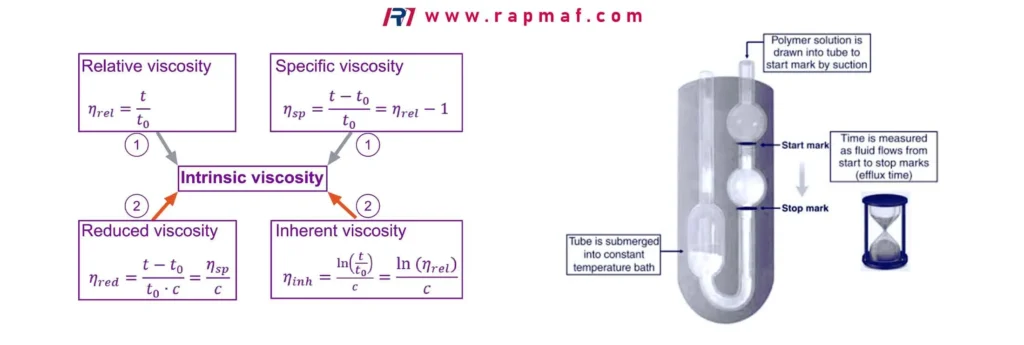
- Fiber Grade (0.40 – 0.70 dL/g): This is “soft” polyester. We utilize this for T-shirts, sheets, and carpets. It flows easily through the spinneret.
- Bottle Grade (0.70 – 0.85 dL/g): This is “hard” polyester. We utilize this for soda bottles (PET) that need to hold carbonation pressure.
- Industrial Grade (0.85+ dL/g): This is the tough stuff. We utilize this for tire cords and safety belts.
If you try to make a soda bottle out of fiber-grade polyester, it will explode. If you try to make a shirt out of tire-cord polyester, it will feel like wearing a wire fence.
The Spinneret: Creating the Filament
How do we turn liquid honey into a solid thread? We utilize a device called a spinneret.
Visualise your bathroom shower head. It has dozens of tiny holes. Now, visualise pushing thick, molten plastic through those holes at high pressure.

As the liquid polyester emerges from the holes of the spinneret, it hits the cool air. It solidifies instantly. It forms long, continuous strands. These strands are called filaments.
Insider Fact:
We can change the shape of the fiber by changing the shape of the hole.
- Round Hole: Creates shiny, smooth polyester (the 70s look).
- Trilobal (Triangle) Hole: Creates a fiber that sparkles and wicks moisture.
- Hollow Hole: Creates a fiber with air inside for insulation (utilized in winter jackets).
Data Comparison: Polyester vs. Cotton
Why does the industry love polyester? It comes down to the numbers.
Here is a breakdown of the mechanical properties I have observed in the lab:
| Property | Cotton (Cellulose) | Polyester (PET) | The Industry Reality |
|---|---|---|---|
| Moisture Regain | 8.5% (Absorbs water) | 0.4% (Rejects water) | Polyester dries fast. Cotton stays wet. |
| Specific Gravity | 1.54 g/cm³ | 1.38 g/cm³ | Polyester is lighter weight for the same volume. |
| Tenacity (Strength) | 3.0 – 5.0 g/denier | 4.5 – 6.0 g/denier | Polyester is significantly stronger. |
| Melting Point | Burns (does not melt) | 250°C – 260°C | Polyester is thermoplastic; it can be remolded. |
Is Polyester Safe? The Antimony Issue
Many individuals ask if polyester is toxic.
In the finished state, polyester is generally considered safe. It is inert. The chemical reaction is complete.
However, in the manufacturing globe, we are aware of the heavy metals utilized as catalysts. The most common catalyst is Antimony Trioxide.

Trace amounts of Antimony can remain in the fiber (typically 200-300 ppm). There is debate about whether this can leach out onto the skin. For the vast majority of individuals, it causes no reaction. However, I always advise washing new polyester garments before wearing them to remove any surface finish or loose catalyst residue.
The Environmental Impact: The Double-Edged Sword
Polyester is a polarizing material in the sustainability globe.
The Bad:
It is constructed from fossil fuels. It is not biodegradable. A polyester shirt will sit in a landfill for 200 years.
The Good:
It is highly recyclable. Because polyester is a thermoplastic (it melts), we can take old water bottles, shred them, melt them down, and spin them into new polyester fiber. This is called “rPET” (Recycled Polyethylene Terephthalate).
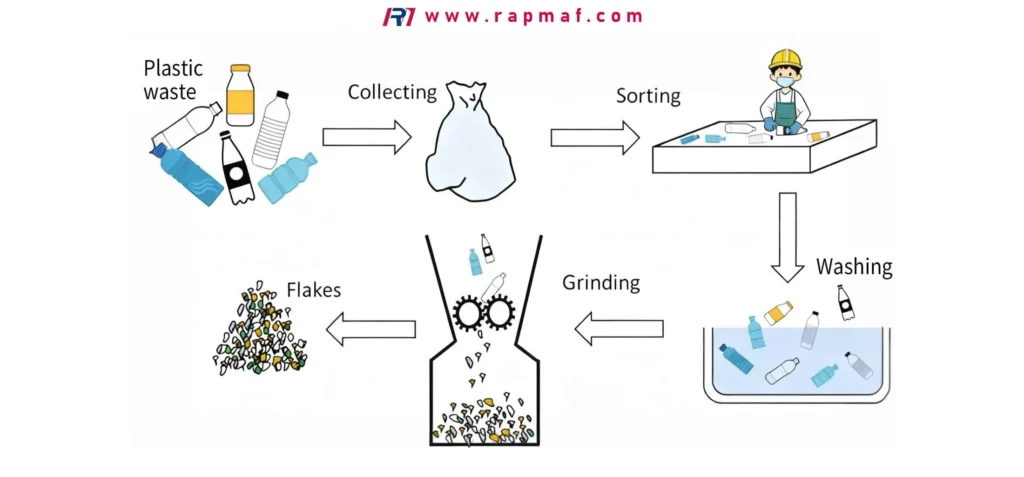
Cotton cannot do this easily. You cannot melt an old cotton shirt.
Final Verdict
What is polyester made of?
It is constructed from oil. It is refined through chemistry into a liquid plastic, forced through a metal sieve, and stretched into a thread.
It is the workhorse of the modern globe. It is cheap. It is durable.
Clive’s Advice:
“If you require a material for a wet environment, a high-stress strap, or a durable machine cover, utilize polyester. If you want comfort for sleeping, stick to cotton. Just recognize that polyester is engineering, not agriculture.”
Deep Dive & Authority Resources
For engineers and procurement professionals requiring technical data, utilize these resources:
- EPA: Common Wastes & Materials
- Data on textiles in landfills and the impact of synthetic fibers.
- MatWeb: Polyethylene Terephthalate (PET) Data
- The engineering properties of the polyester polymer. Check the density and melting point.
- Textile Exchange: Preferred Fiber & Materials Market Report
- Global data on polyester production volumes and recycled market share.
- American Chemistry Council: Plastics Division
- Technical background on how polymers are synthesized from petroleum.
FAQ: Common Questions on Polyester
Q: Is polyester a plastic?
A: Yes. It is a polymer called Polyethylene Terephthalate (PET). It is chemically identical to a soda bottle.
Q: Why does polyester smell when you sweat?
A: Polyester is oleophilic (oil-loving). It absorbs the oils from your skin and traps the bacteria that feed on that oil. Cotton absorbs the water; polyester absorbs the stink.
Q: Does polyester shrink?
A: Rarely. The fibers are “heat set” during manufacturing. Unless you exceed the heat setting temperature (which is very high), it will retain its shape.
Q: Can you dye polyester at home?
A: It is difficult. Standard cotton dyes will wash right off. You must utilize disperse dyes and high heat to force the color into the plastic molecule.