



When you are at home or outdoors think about joining metal, “welding” is usually the first word that comes to mind. But in many industrial and precision applications, professionals deliberately choose brazing instead of welding.
If you work with HVAC systems, cutting tools, automotive parts, or precision assemblies, understanding why and when to braze instead of weld can save you from warpage, cracks, and unnecessary cost.
Help you with this issue.:
- The fundamentals of soldering, brazing, and welding
- The key advantages and limitations of brazing compared to welding
- When you should definitely stick with welding
- A realistic case where brazing clearly beats welding
- Concise FAQs and references for further reading
What Is Soldering, Brazing, and Welding?
Before we compare brazing and welding,figure out their characteristics
Simple definitions
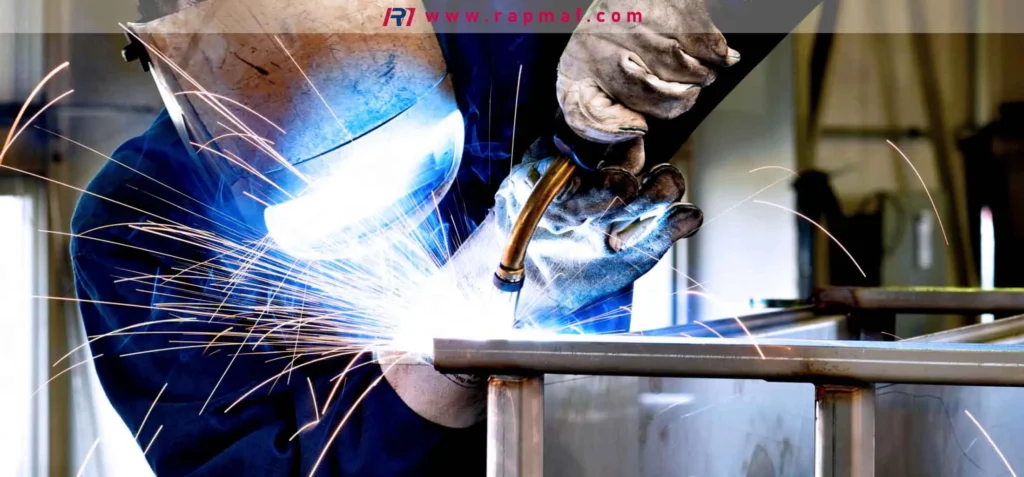
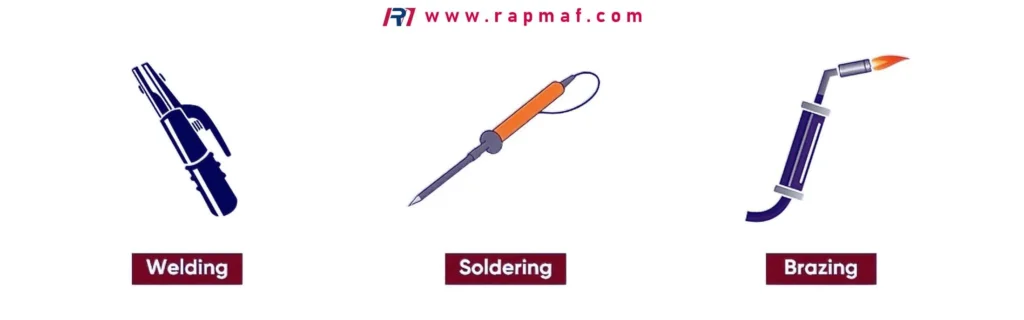
Welding
- The base metal itself is melted (fully or partially), usually together with a filler metal.
- The molten pool solidifies to form a welded joint.
- Common processes: MIG (GMAW), TIG (GTAW), stick (SMAW), laser welding, spot welding.
Brazing
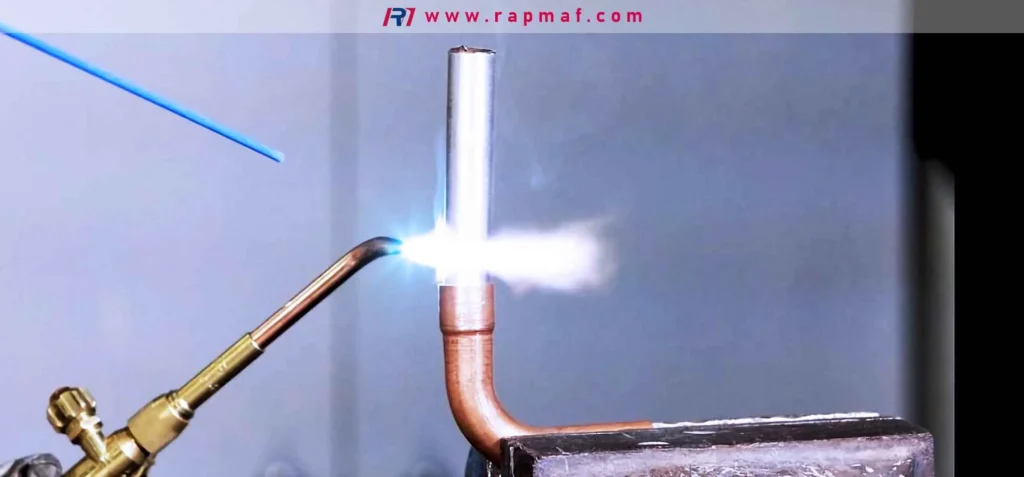
- The base metal does not melt.
- A filler metal with a melting point above 450 °C (840 °F) is melted and drawn into the joint by capillary action.
- The joint is formed by metallurgical bonding and diffusion between filler and base metals.
Soldering
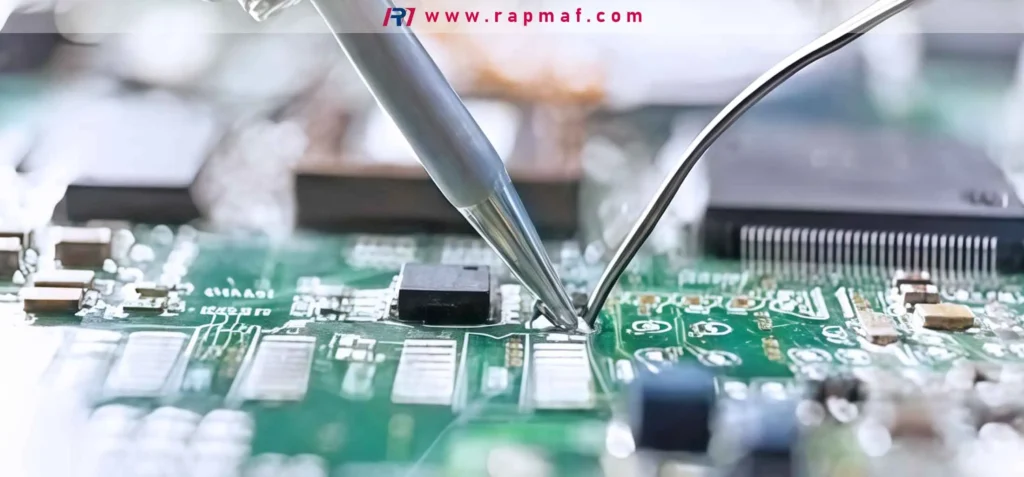
- Like brazing, the base metal does not melt.
- The filler metal (solder) has a melting point below ~450 °C (840 °F).
- Common in electronics and plumbing: tin‑lead, lead‑free solders, soft solders.
So the classic difference between soldering, brazing, and welding is:
- Does the base metal melt?
- What is the typical filler melting temperature range?
Temperature ranges and fillers
Rough guide:
- Soldering:
- Filler melts below 450 °C
- Typical range: 180–300 °C (electronics soldering)
- Common fillers: Sn‑Pb, Sn‑Ag‑Cu (SAC), Sn‑Cu, etc.
- Brazing:
- Filler melts above 450 °C but below the base metal melting point
- Typical range: 450–1200 °C (depends on filler alloy)
- Common fillers:
- Copper‑based (Cu‑P for copper piping)
- Silver‑based (Ag‑Cu‑Zn) for high‑strength joints
- Nickel‑based for high‑temperature / corrosion‑resistant service
- Welding:
- Base metal is melted; local temperatures near or above base metal melting point
- For carbon steel, that’s often > 1400 °C
This temperature difference is one major reason why brazing behaves so differently from welding in terms of distortion, stresses, and metallurgy.
Brazing vs Welding: How They Really Differ
Mechanism of joint formation
Welding
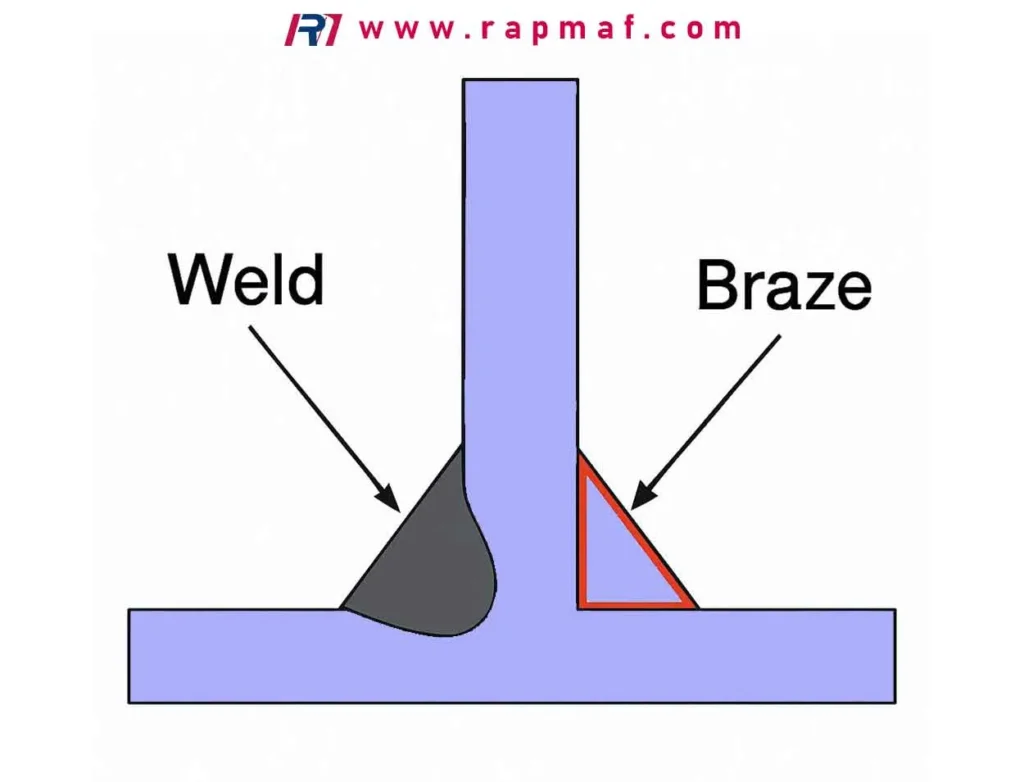
- Base metal + filler metal both melt, forming a molten weld pool.
- As it solidifies, you get:
- A fusion zone
- A heat‑affected zone (HAZ) where the microstructure has changed
- Residual stresses due to non‑uniform heating and cooling
- Weld metal often has different microstructure and properties than the base metal.
Brazing
- Base metal stays solid; only the brazing filler melts.
- The molten filler wets the surfaces and is pulled into the joint by capillary action.
- Joint strength comes from:
- Metallurgical bonding
- Good wetting and limited diffusion at the interface
- Heat‑affected zone is much smaller, and base material properties are largely preserved.
Typical equipment and processes
Common brazing processes
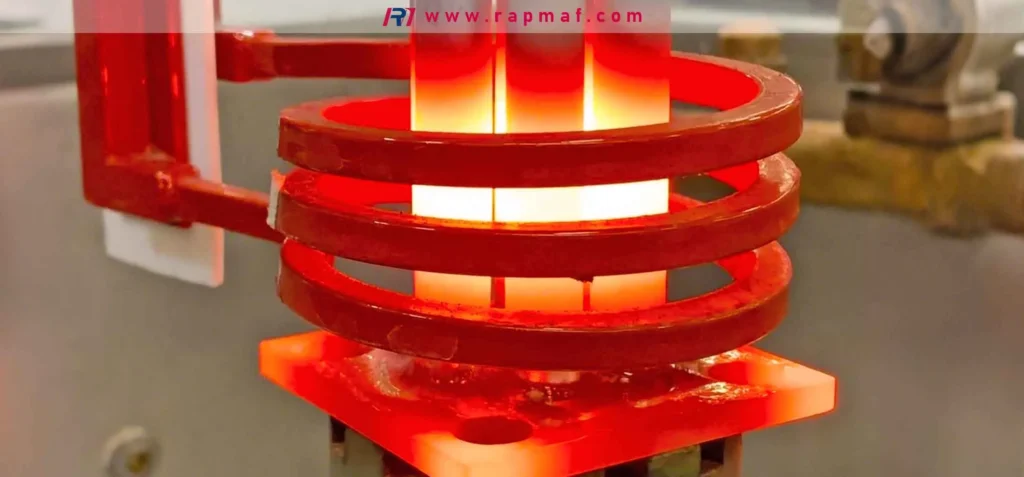
- Torch brazing (oxy‑fuel torch + rod)
- Furnace brazing (protective atmosphere or vacuum)
- Vacuum brazing (high‑end aerospace, tooling, heat‑treat fixtures)
- Induction brazing (local, rapid heating of joint area)
Common welding processes
- MIG / MAG (GMAW)
- TIG (GTAW)
- Stick (SMAW)
- Submerged arc welding (SAW)
- Laser and electron‑beam welding
- Resistance spot welding
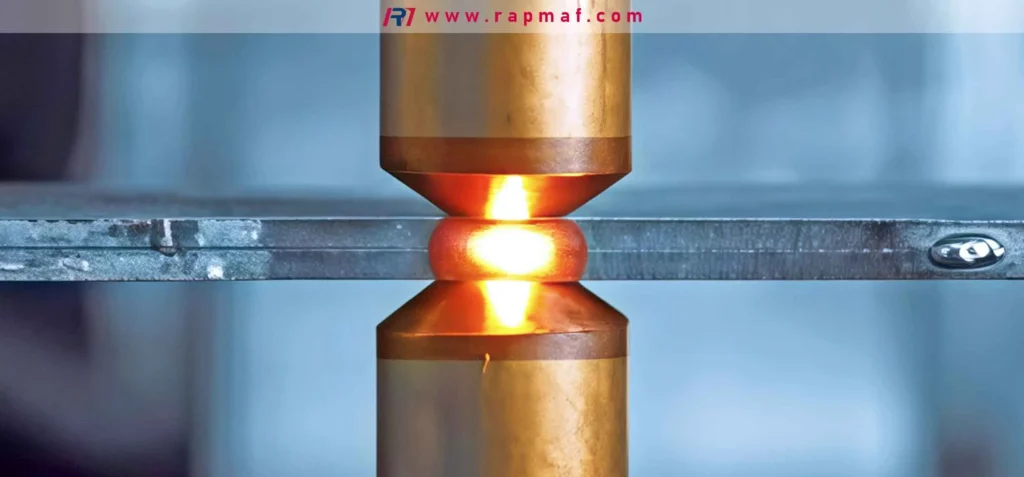
You’ll often see search terms like “brazing welding machine” or “braze welding kit”. In practice, brazing equipment ranges from simple handheld torch kits to fully automated induction and furnace systems, while welding covers an equally wide range from basic stick in the field to robotic MIG/TIG in factories.
Why Choose Brazing Instead of Welding?
This is the core question: Why would you braze instead of weld?
Below are the main technical reasons, which also answer related queries like:
- “What are the benefits of brazing over welding?”
- “Why is braze welding preferred over fusion welding?”
Lower heat input and far less distortion
Brazing uses much lower temperatures than welding. The base metal never melts, and the heat‑affected zone is relatively small.
This leads to:
- Less distortion and warping
- Lower residual stresses
- Better retention of base material mechanical properties and hardness
This is critical if:
- You are joining thin‑walled tubes, sheet metal, or delicate geometries
- Tight tolerances or precise alignment must be preserved
- Machining after joining is expensive or hard to control
With welding, especially on thin sections or complex frames, you often need heavy fixturing plus post‑weld straightening, machining, or stress relief.
Joining dissimilar metals more easily
One of brazing’s greatest strengths is its ability to join dissimilar metals effectively, for example:
- Steel to copper
- Steel to brass
- Stainless steel to hardmetal (cemented carbide)
- Nickel alloys to stainless steel
Why? Because:
- The base metals are not melted, so their different melting points are less of a problem.
- The filler is specifically formulated to wet both metals and form a stable metallurgical bond.
Welding dissimilar metals is often problematic due to:
- Very different coefficients of thermal expansion → cracking
- Formation of brittle intermetallic phases in the fusion zone
- Unsuitable weld metal composition
That’s why many carbide‑tipped cutting tools, drills, and wear parts are joined by brazing, not welding.
Cleaner joints and better appearance
Brazed joints typically have:
- Very narrow, neat joint lines
- Minimal surface buildup compared to big weld beads
- Less need for heavy grinding and blending
For visible assemblies where appearance matters—consumer products, decorative fixtures, certain automotive or appliance parts—brazing helps you achieve:
- Cleaner visual lines
- Smoother surfaces
- Less post‑processing
Good strength in many real‑world applications
This connects directly to “Can brazing be as strong as welding?”
- In shear loading, a well‑designed and correctly executed brazed joint can reach very high strength, often comparable to or approaching base‑metal strength.
- For loads dominated by shear and compression, brazed joints can be more than adequate and extremely reliable.
However:
- Under severe impact, complex bending, or high‑cycle fatigue, a welded joint (properly designed and inspected) usually has more predictable performance.
- The choice should be made based on load paths, joint geometry, and the consequences of failure, not on a generic “stronger vs weaker” label.
Ideal for thin sections and small components
Thin sheet, small fittings, and fine tubing are where brazing really shines:
- Welding can easily burn through thin material or distort it beyond tolerance.
- Brazing fills the joint with relatively low heat and uses capillary action to distribute the filler.
Typical industrial examples:
- Air‑conditioning and refrigeration copper tube joints
- Small mechanical parts and precision assemblies
- Instrumentation, sensors, fluid fittings
Productivity and cost in mass production
For medium to high volume production, brazing can be more economical and consistent:
- In furnace or vacuum brazing, dozens or hundreds of assemblies are joined in a single heating cycle.
- Heat, time, and joint quality are highly repeatable.
Welding tends to be more piece‑by‑piece, unless you invest heavily in automation.
So for applications like:
- Automotive components
- Household and industrial HVAC units
- Carbide‑tipped tools
- Complex mechanical subassemblies
brazing can win on total cost per joint, consistency, and throughput.
When Welding Is Still the Better Choice
To keep things balanced, we must also say clearly: there are many cases where you should not choose brazing instead of welding.
Very high structural loads and fatigue
For structural applications such as:
- Bridges and building structures
- Heavy equipment frames
- Cranes and lifting components
- Pressure vessels and pipelines under code regimes (ASME, EN, AWS, etc.)
The usual choice is some form of fusion welding (MIG, TIG, SAW, etc.) for several reasons:
- It is well covered by design codes and calculation standards.
- Weld joint design under static, dynamic, and fatigue loading is well understood.
- Testing and qualification procedures are mature (e.g., radiography, ultrasonics).
Brazing is much less common in such large structural roles.
Very thick sections and large steel structures
For large cross‑sections:
- Heating the entire joint area to brazing temperature and maintaining tight capillary gaps is often impractical or extremely costly.
- Welding is more focused, scalable, and compatible with heavy construction methods.
So for thick plates, big beams, and heavy frames, welding is the realistic choice.
High‑temperature service
Brazing alloys have their own temperature limits:
- Many silver‑ or copper‑based fillers lose significant strength or start to creep at temperatures above ~500–600 °C.
- Nickel‑based fillers extend the range, but there’s still a limit.
In contrast, a welded joint made from high‑temperature alloys can operate at much higher temperatures, as long as it is properly designed.
For long‑term high‑temperature service—furnace fixtures, turbine components, boiler tubes—welding and special alloys are typically preferred, though high‑end vacuum brazing is also used in very specific designs.
Brazing vs Soldering vs Welding: At a Glance
To address the queries like “brazing vs welding” and “brazing vs soldering vs welding”, it helps to put them side‑by‑side.
Comparison table
| Process | Is base metal melted? | Filler melting temperature | Typical process temperature | Typical applications | Relative joint strength |
|---|---|---|---|---|---|
| Soldering | No | < ~450 °C (840 °F) | ~180–300 °C | Electronics (PCBs), small plumbing, low‑stress joints | Lowest, but adequate for low‑load service |
| Brazing | No | > ~450 °C, < base metal | ~450–1200 °C | HVAC tubing, tools, dissimilar metals, thin parts | Medium to high, often strong in shear |
| Welding | Yes | Base metal at / near melt | Often > 1400 °C for steels | Structural steel, frames, pressure parts, heavy equipment | Highest, if properly designed and executed |
Five key differences between soldering and brazing
Many users search for “difference between soldering and brazing”. Here are five core points:
- Temperature range
- Soldering: below ~450 °C
- Brazing: above ~450 °C
- Mechanical properties
- Solder joints are typically for low mechanical loads.
- Brazed joints can handle much higher loads and temperatures.
- Typical materials and applications
- Soldering: electronics, delicate components, some plumbing.
- Brazing: mechanical assemblies, tools, HVAC, dissimilar metals.
- Joint design
- Soldered joints often rely on mechanical design + solder for electrical/thermal connection.
- Brazed joints are often designed as structural load paths (especially in shear).
- Flux and atmosphere
- Both use fluxes, but brazing often needs more controlled atmospheres (e.g., shielding gas, protective atmosphere, vacuum) for high‑end work.
Brazing vs TIG Welding and Other Common Questions
Brazing vs TIG welding
TIG welding (GTAW) is known for:
- Very clean, high‑quality welds
- Excellent control of heat input (compared to many other welding methods)
- Suitability for thin sections and tricky alloys like stainless steel and aluminum
However, TIG is still fusion welding:
- The base material melts locally.
- There is still a significant heat‑affected zone and potential for distortion.
So:
- When you need maximum structural strength, pressure integrity, or compliance with welding codes, TIG (or other weld processes) is better.
- When you must join dissimilar metals, minimize distortion, or keep a very clean external appearance, brazing may be superior.
Is brazing a permanent joint?
In engineering practice, brazed joints are treated as permanent joints:
- They’re not meant to be disassembled during service.
- They’re designed and qualified to last for the life of the product.
That said, like welded joints, they can sometimes be reworked:
- Old filler can be removed by heating and mechanical means.
- Joints can be re‑brazed or repaired, but this is rarely trivial and usually not a design intent.
Can brazing be as strong as welding?
The honest answer: sometimes yes, sometimes no—and it depends on:
- Base metals and filler choice
- Joint design (lap length, gap, load direction)
- Service environment (temperature, corrosion, fatigue, impact)
In pure shear tests with properly designed lap joints, many brazed joints reach very high strengths—more than sufficient for HVAC, tools, and many mechanical assemblies.
For highly loaded, fatigue‑critical structural members, a well‑designed welded joint is usually the safer and more standardized choice.
A Practical Case: Brazing vs Welding for a Steel–Copper Assembly
To make this more concrete, here’s a realistic engineering scenario.
The problem
An OEM needs to attach a copper cooling tube (for coolant flow) to a steel manifold block. Requirements:
- Good thermal contact for heat transfer
- Reliable pressure sealing
- Minimal distortion (machined surfaces on the steel block have tight tolerances)
- Production volume: several thousand assemblies per month
The team considers two options:
- Welding the copper tube directly to the steel block
- Brazing the copper tube into a prepared steel socket
Attempting welding
Trying to weld copper directly to steel leads to several issues:
- Copper and steel have very different melting points and thermal expansion coefficients.
- The weld pool is extremely difficult to control.
- High heat inputs cause:
- Distortion of the steel block (ruining machined tolerances)
- Risk of cracks and porous welds at the copper–steel interface
- The appearance is poor, and a lot of machining / grinding is needed afterward.
Even with TIG and skilled welders, the rejection rate is high, and consistency is poor.
Switching to brazing
The process is redesigned for brazing:
- A cylindrical socket is machined into the steel manifold.
- The copper tube is inserted with a controlled gap (e.g., 0.05–0.15 mm) suitable for capillary action.
- A silver‑based brazing filler that wets both copper and steel is selected.
- The assembly is fixtured and placed into a controlled‑atmosphere furnace for batch brazing.
Results:
- The lower heat input (still high enough to melt the filler) causes little to no distortion of the steel block.
- Capillary action ensures full joint penetration and reliable sealing.
- The joint line is neat and requires minimal post‑processing.
- The OEM can process hundreds of assemblies in one furnace cycle, sharply reducing cost per part.
In this case, brazing is the clear winner over welding because:
- Dissimilar metals are involved (steel–copper)
- Tolerance and distortion control matter
- Volume is high enough to justify batch furnace brazing
- Strength and sealing achieved are more than adequate for the operating pressures and temperatures
Decision Guide: When to Braze, When to Weld
Here’s a simple checklist you can use when deciding between brazing and welding.
When brazing is usually the better choice
Consider brazing if:
- You are joining dissimilar metals (steel–copper, stainless–carbide, etc.)
- Parts are thin‑walled or easily distorted
- You need a clean appearance with minimal grinding or machining
- Loads are moderate and mainly in shear or compression
- You have batch production suitable for furnace or induction brazing
- Final machining or heat treatment would be difficult or expensive after welding
When welding is usually the better choice
Consider welding if:
- The part is a load‑bearing structure or frame with high static or fatigue loads
- Sections are very thick or very large
- The operating temperature is high, especially for long periods
- There are strict code / standard requirements (ASME, AWS, EN) that assume welding
- Accessibility and field conditions make reliable brazing hard to control
FAQ: Brazing vs Welding
Q1. What are the benefits of brazing over welding?
Key benefits:
- Lower heat input → less distortion and residual stress
- Excellent for joining dissimilar metals
- Very clean, narrow joints with less post‑processing
- Great for thin sections, small parts, and batch production
Q2. Why is braze welding (brazing) preferred over fusion welding in some cases?
Because fusion welding:
- Melts the base metal, increasing distortion and HAZ issues
- Struggles with dissimilar metals
- May require more complex fixtures and expensive post‑weld machining
Braze welding / brazing avoids these issues when:
- Appearance matters
- Parts are delicate or dimensionally critical
- Metals are dissimilar and prone to cracking if fused
Q3. Can brazing be as strong as welding?
Sometimes, yes—especially:
- In properly designed lap joints
- Under shear and compression loads
- With suitable fillers and good process control
But for highly loaded structural and fatigue‑critical components, welding is usually more appropriate and better covered by design standards.
Q4. Is brazing a permanent joint?
Yes, in normal engineering practice brazed joints are treated as permanent:
- They are not meant to be disassembled.
- Rework is possible but rarely simple and not part of normal operation.
Q5. Is brazing easier than welding for beginners?
- For small hobby projects (e.g., simple torch brazing), many people find brazing easier than producing a strong, defect‑free weld.
- In industrial settings, both brazing and welding require skilled process control, but brazing can be more forgiving for thin parts and dissimilar metals.
References and Further Reading
These are real, open resources for deeper study:
- AWS – Brazing and Soldering (Educational resources)
https://awo.aws.org/glossary/brazing-and-soldering/
(Short definitions and terminology related to brazing and soldering.) - TWI (The Welding Institute) – What is Brazing?
https://www.twi-global.com/technical-knowledge/faqs/faq-what-is-brazing
(Independent technical FAQ on brazing, differences from welding and soldering.)







12 Responses