


Cutting metal isn’t about finding one “best” tool—it’s about matching metal type, thickness, cut geometry, tolerance, and edge-quality requirements to the right process. Choose wrong and you’ll burn through discs, overheat and warp sheet, harden stainless at the cut line, or spend longer deburring than cutting.
I’m Clive at Rapid Manufacturing, and in production we treat “cutting” as the first step of a chain: cut → deburr → form/weld → machine → coat → assemble. The best cutter is the one that hits your target accuracy and edge condition with the lowest total time and rework, not necessarily the fastest on the first cut.
This guide covers the most common answers to searches like cutters metal, best tool to cut metal, metal cutting tools list, and thick metal cutting tools, with practical selection rules and three comparison tables you can use immediately.
Quick Answer: What Is the Best Tool to Cut Metal?
Here are reliable “default” picks by scenario:
- Best all-around DIY tool (many metals, many shapes): Angle grinder with a thin cut-off wheel
- Best for straight cuts in sheet metal (clean edge): Shear (manual/electric/guillotine)
- Best for thick stock and structural shapes (controlled): Band saw (or abrasive chop saw for speed over finish)
- Best for precision profiles and repeatability: CNC laser (sheet), waterjet (no heat), plasma (thicker plate, faster, more cleanup)
- Best no-power option: Hacksaw (slow, but dependable and accurate with a guide)
If you tell me material + thickness + cut type (straight/curve/profile), I can narrow this down to one best method and a second-best backup.
Metal Cutting Tools List (Organized by What They’re Good At)
1) Hand Tools (No electricity)
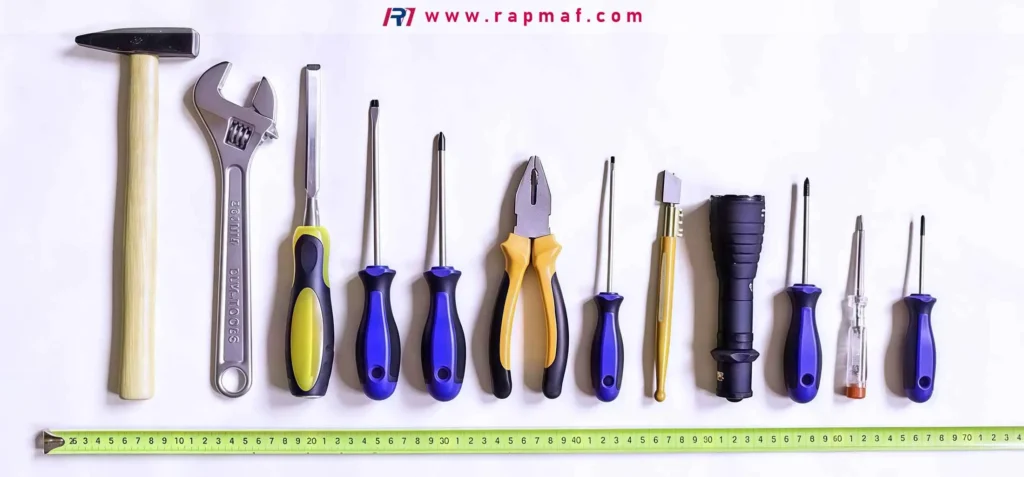
- Hacksaw (bars, tubes, small plate)
- Tin snips / aviation snips (thin sheet)
- Manual nibbler (sheet cutouts/curves)
- Files + deburring tools (not primary cutting, but essential for fit and safety)
- Bolt cutters (bolts/rod/mesh—limited use, not sheet/plate)
2) Portable Power Tools
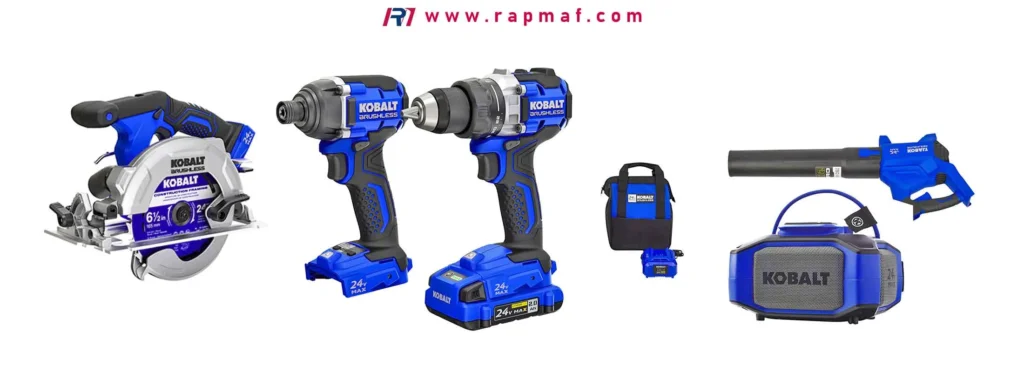
- Angle grinder with cut-off disc (general cutting)
- Reciprocating saw with metal blade (demo-style cutting, awkward spaces)
- Jigsaw with metal blade (curves in sheet/thin plate)
- Oscillating multi-tool (thin sheet only, tight access)
- Metal-cutting circular saw (carbide blade, lower RPM vs wood saw)
3) Stationary Shop Tools
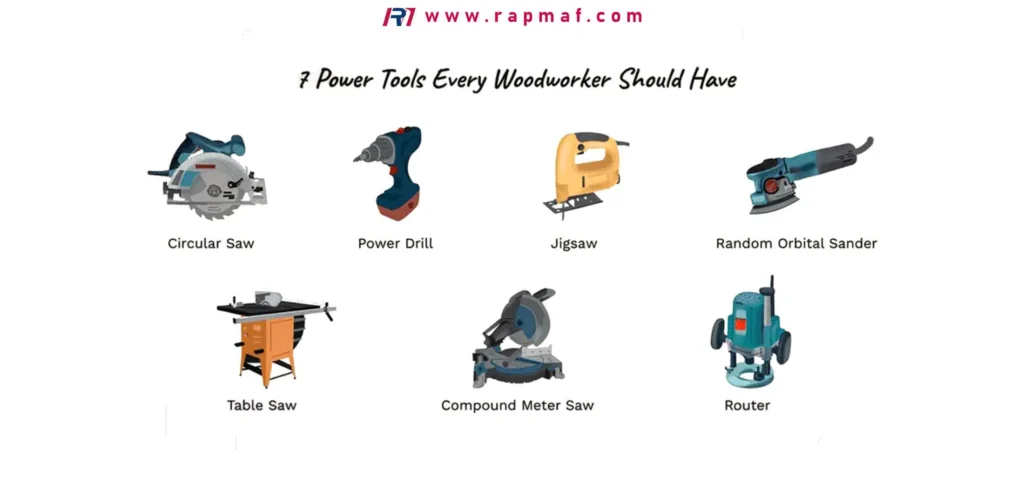
- Horizontal/vertical band saw (straight, controlled, low heat)
- Abrasive chop saw (fast cutoff, rough edge)
- Cold saw (highly square, production-grade accuracy)
- Bench shear / guillotine shear (fast, clean sheet cuts)
- Ironworker (shear/notch/punch—great for fabrication workflows)
4) Industrial / CNC Cutting
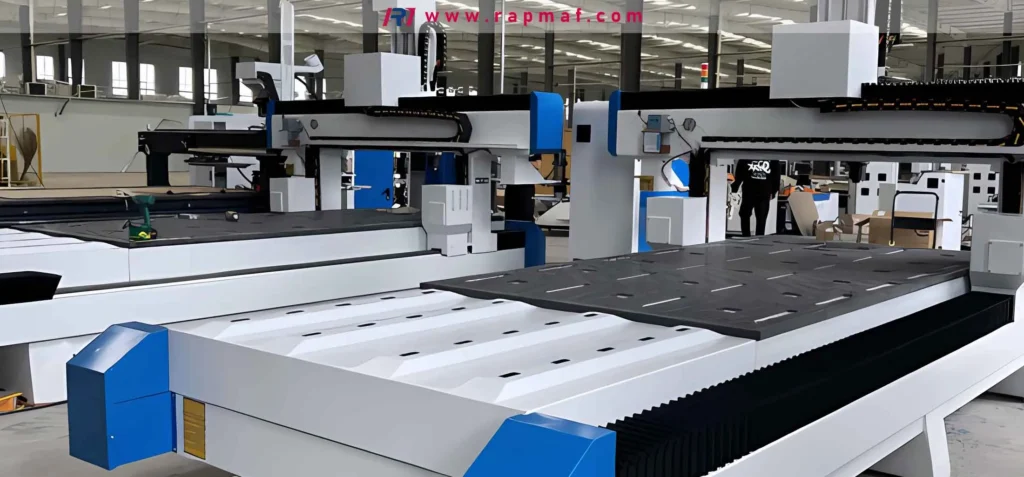
- Laser cutting (fast, accurate sheet profiles)
- Waterjet cutting (no HAZ, good for heat-sensitive parts)
- Plasma cutting (fast plate cutting, more cleanup)
- Wire EDM (ultra-precise conductive materials; slower, higher cost)
Table 1: Best Tool to Cut Metal (Ranked by Use Case)
| Use Case | Best Tool | Why It Wins | Watch Outs |
|---|---|---|---|
| Thin sheet (0.5–2 mm) straight cuts | Shear / guillotine / electric shear | Clean edge, minimal burr, fast | Curves limited; technique matters to avoid bowing |
| Thin sheet curves/cutouts | Nibbler / jigsaw | Handles shapes well | “Toothy” edge; deburring required |
| General DIY (sheet to bar) | Angle grinder | Cheap, fast, versatile | Burrs, heat, sparks; easy to wander without a guide |
| Tube/angle/flat bar | Band saw | Straight, consistent, cooler cut | Slower; needs correct blade pitch and setup |
| Thick metal quick cutoff | Abrasive chop saw | Cuts almost anything fast | Loud, dusty, hot; big burrs; less square |
| Production square cuts | Cold saw | Accurate, square, low burr | Higher cost; correct blade for alloy is critical |
| High accuracy sheet profiles | CNC laser / waterjet | Repeatability, complex geometry | Cost/lead time; edge condition varies by process |
| Thick plate shapes (speed first) | Plasma | Fast and scalable | HAZ, dross, taper; cleanup typically required |
How to Choose the Best “Metal Cutter” (The 5-Factor Checklist)
1) Metal Type (Not All “Metal” Cuts the Same)
- Mild steel: forgiving; most tools work well.
- Stainless steel: tends to work-harden; needs sharp tooling and controlled speed/feed.
- Aluminum: cuts easily but can load up blades/discs; use proper tooth geometry and wax/lube when appropriate.
- Copper/brass: soft but can grab/chatter; avoid overly aggressive tooth forms.
Clive’s note: “Unknown metal” (scrap, mystery stainless) is a common reason blades die early. If you can’t identify the alloy, assume it will cut worse than mild steel and choose a tougher setup.
2) Thickness (Capacity Matters More Than Brand)
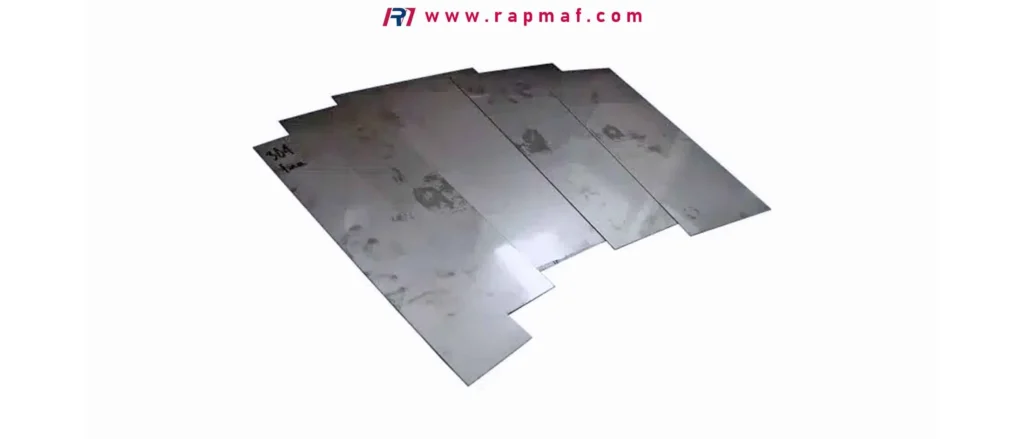
A tool that’s perfect for 1 mm sheet can be miserable on 10 mm plate. Don’t force a thin-disc grinder approach on thick stock if you care about squareness and edge quality.
3) Geometry (Straight vs Curves vs Profiles)
- Straight lines in sheet: shear is hard to beat.
- Curves/holes in sheet: nibbler/jigsaw.
- Accurate profiles: laser/waterjet/plasma depending on thickness and tolerance.
4) Edge Quality Requirement (“Good Enough” vs “Fit-Critical”)
Ask one question: Is this a rough blank or a final edge?
- Rough blank: grinder/chop saw OK.
- Fabrication-ready: band saw/cold saw better.
- Fit-critical: CNC cut or cut + machining.
5) Heat, Sparks, and Distortion Limits
If you’re cutting indoors, near finished surfaces, or on thin sheet that warps easily, avoid high-heat abrasive methods when you can.
Best Tools to Cut Metal at Home (What Actually Works)
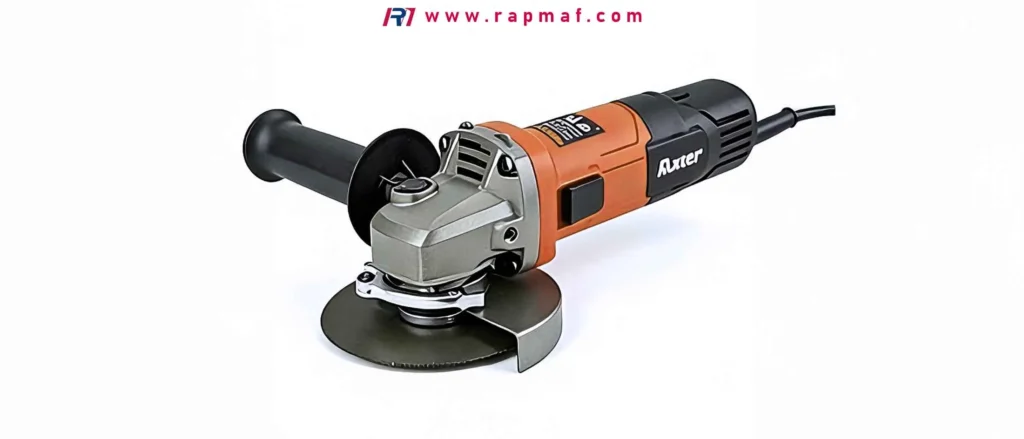
Angle Grinder + Thin Cut-Off Wheel
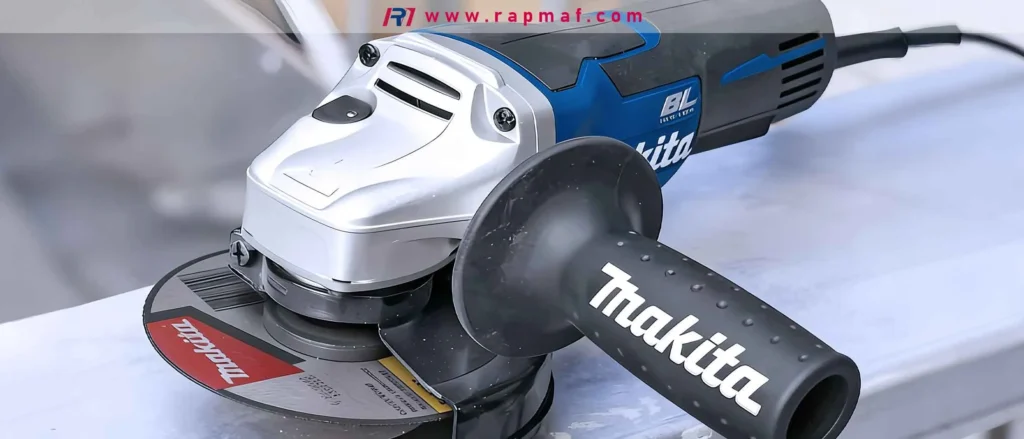
Best for: quick cutting of steel bar, angle, tube, and sheet
Why people love it: cheap, common, fast
Tradeoffs: burrs, sparks, noise; precision depends on your jig/guide
Cleaner-cut tips
- Use a thin disc (1.0–1.6 mm) to reduce kerf, heat, and burr.
- Score the cut line first, then deepen gradually.
- Clamp the work tightly; vibration causes wandering.
- For straight cuts, clamp a steel guide and ride the guard/edge (safely).
Hacksaw (Hand Saw for Cutting Metal)
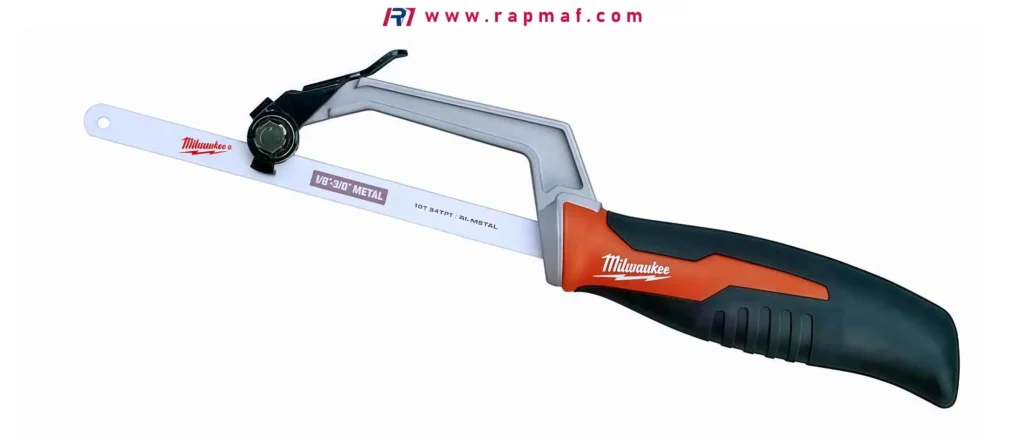
Best for: controlled hand cuts in bar/tube; small jobs; no power
What makes it “good”: accuracy comes from rigidity + patience
Setup tips
- Match TPI to thickness: too fine clogs, too coarse snags.
- Use long strokes; pressure on the forward stroke only.
- Clamp close to the cut line to prevent chatter.
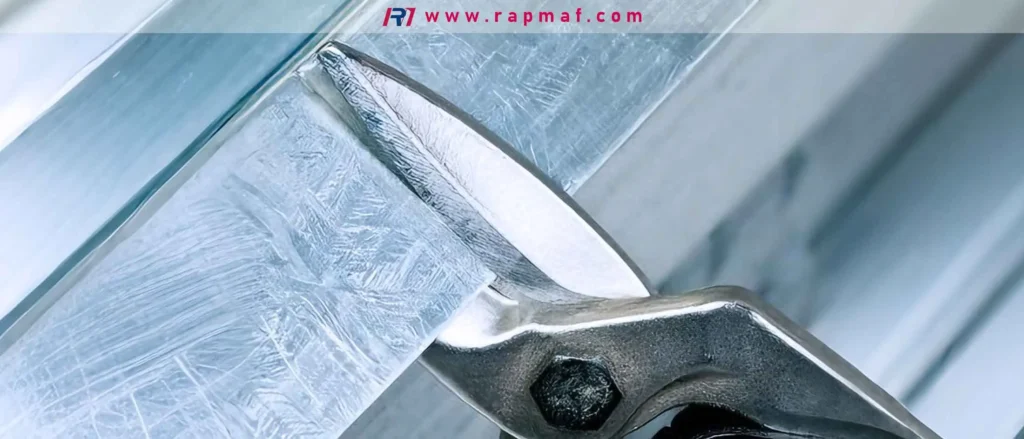
Tin Snips / Aviation Snips

Best for: thin sheet metal
If you’re searching “how to cut metal with scissors”, snips are the realistic answer—but only for light gauge sheet. For thicker sheet, snips can distort the part and leave a wavy edge.
Technique tips
- Use the correct snip type for left/right/straight cuts.
- Keep the offcut side lifted to reduce binding.
- Expect some edge wave; plan a light deburr.
Jigsaw (Metal Blade)
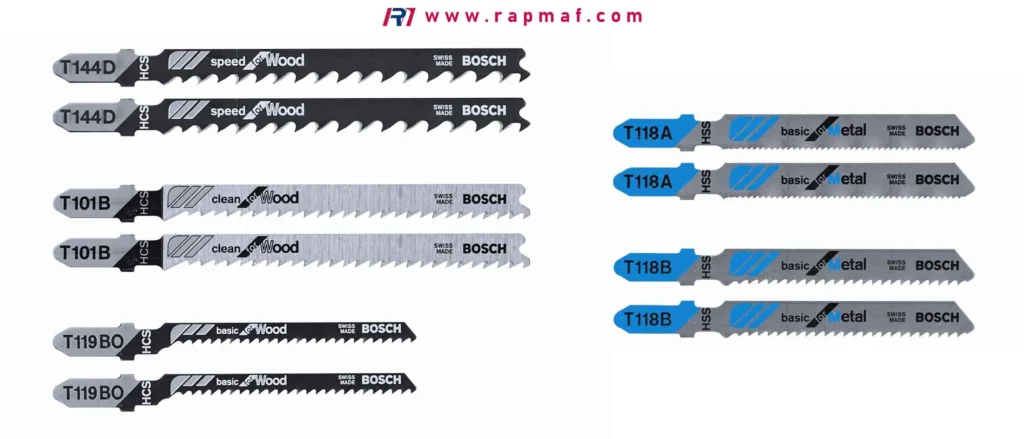
Best for: curves in sheet and thin plate
Common mistake: running too fast and dulling the blade instantly.
Better results
- Use a bi-metal metal blade.
- Lower speed for steel; keep the shoe flat.
- Support the sheet with a backing board to reduce vibration.
Reciprocating Saw
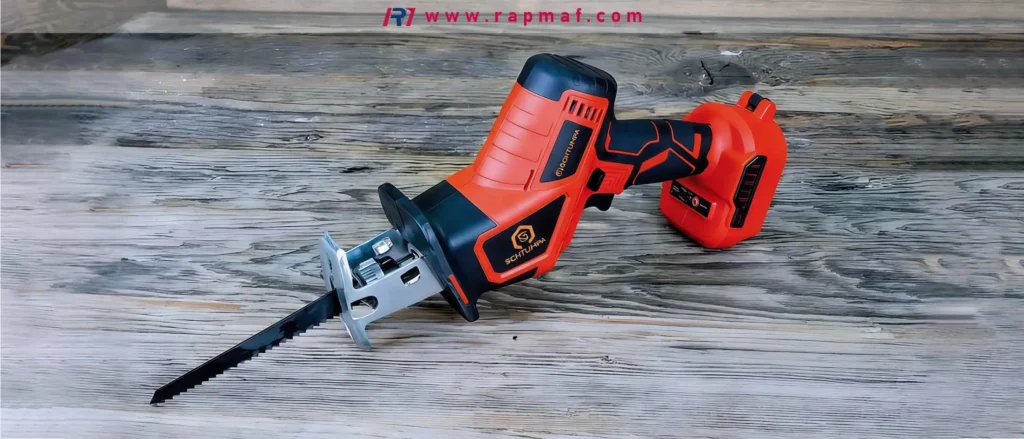
Best for: rough cuts in awkward positions (pipes, demolition tasks)
If you need a neat, square cut, a recip saw is rarely the first choice. But if access is limited, it can be the only workable option.
What Tool Cuts Through Metal Without a Saw?
If you want to avoid a saw completely, your practical options are:
- Angle grinder (not a saw, but still a cutting tool)
- Shear (manual/electric) for sheet
- Nibbler for sheet cutouts and curved paths
- Plasma cutter for thicker plate (needs air + power)
- Oxy-fuel torch for thick carbon steel (hot, least precise)
For most home users, the best “no saw” answer is: angle grinder for general cutting, or shear for sheet.
How to Precisely Cut Metal at Home (Without Industrial Machines)
Precision at home is possible if you treat it like a mini process plan:
- Layout accurately
- Use a scribe or fine marker; measure from reference edges.
- For repeat cuts, make a simple stop block jig.
- Control the workholding
- Clamp near the cut.
- Support long, thin pieces to prevent vibration.
- Choose a low-deflection method
- For straight cuts: shear, band saw, cold saw (if you have access).
- If using a grinder: use a guide and take shallow passes.
- Plan a finishing step
- Most home cutting methods leave burrs; use a file, flap disc, or deburring tool.
- If the edge is functional (fits into a slot, mates to a seal), do a consistent edge break.
Clive’s note: In our shop, we assume “cut edges are not final edges” unless the process is chosen specifically for that (laser/waterjet + edge spec, or saw + secondary machining).
Thick Metal Cutting Tools (What Works When It’s Not Sheet)
For thick metal (roughly 6 mm and up), think in terms of squareness, heat, and cleanup:
- Band saw: controlled, straight, low heat; good for accuracy
- Cold saw: high precision, very square cuts; great for production
- Abrasive chop saw: fastest entry cost; roughest edge and most heat
- Plasma: fast on plate; expect dross and HAZ
- Oxy-fuel: great for very thick carbon steel; not for stainless/aluminum
- Waterjet: no HAZ, good edge; higher cost/lead time
A common “best practice” workflow is: cut oversize → finish to size (mill/turn/grind). This avoids chasing tolerance with a rough cutting process.
Nibbler vs Shear: Which Is Better?
Nibbler and shear solve different problems.
| Feature | Nibbler | Shear |
|---|---|---|
| Best for | Curves, cutouts, interior shapes | Long straight cuts, repetitive work |
| Edge quality | Scalloped | Cleaner |
| Distortion | Usually low | Can distort very thin sheet if mishandled |
| Waste | Chips/slugs | Minimal |
| Speed | Moderate | Fast |
If you need long, straight edges and minimal cleanup, pick shear. If you need shapes and access, pick nibbler.
Table 2: “Symptoms → Likely Cause → Fix” for Bad Cuts
| Problem | Likely Cause | Fix |
|---|---|---|
| Blade/disc wears out instantly | Wrong blade/disc spec; cutting hardened material; excessive speed/pressure | Choose correct blade/disc; reduce speed; verify material; use coolant where applicable |
| Cut wanders off the line | Poor clamping; tool deflection; forcing the cut | Clamp firmly; use a straightedge guide; take shallow passes |
| Heavy burrs | Abrasive process; dull tooling; wrong feed | Switch to band/cold saw; sharpen/replace tooling; deburr consistently |
| Blue/purple heat marks | Overheating from friction | Reduce speed; use coolant; don’t rub—maintain proper feed |
| Sheet warps | Too much heat or force; wrong process for thin sheet | Use shear/nibbler; support sheet; reduce heat input |
| Jagged edge on sheet | Vibration; wrong blade pitch | Add backing/support; change blade; slow down and stabilize |
Clive’s Shop Notes (Rapid Manufacturing): Cutting So the Next Step Is Easy
At Rapid Manufacturing, we see a pattern: most “cutting problems” show up later as assembly or inspection issues. Here’s what we optimize for:
1) Burr control is part of the cut plan
Burrs can prevent full seating, create coating defects, and slice installers’ hands. Decide upfront:
- which side is allowed to burr,
- what the deburr method is,
- and whether you need a consistent edge break (e.g., for powder coating or handling).
2) Don’t confuse “straight” with “square”
A cut can look straight but be out of square, especially with chop saws and hand grinders. If your part must butt-weld cleanly or fit into a fixture, squareness matters more than appearance.
3) Heat management prevents surprises
Heat can cause:
- thin sheet distortion,
- stainless discoloration and local hardening,
- changes in edge condition that affect fatigue performance.
If heat sensitivity is a concern, band saw or waterjet often produces fewer downstream headaches.
4) Jigs beat skill (and scale better)
If a job requires more than one piece, build a simple jig:
- a fence for grinders,
- a stop for saws,
- a clamping template for repeatability.
This is how you get “shop-grade” consistency at home, too.
Report-Backed Data Snapshot: The Variables That Decide Cut Quality
Most first-page articles stop at a tool list. The difference between a clean cut and scrap usually comes down to controllable variables that standards bodies, national labs, tooling manufacturers, and manufacturing best-practice guides repeatedly emphasize:
- Surface speed / RPM discipline: too fast overheats and dulls; too slow can snag depending on tool.
- Feed vs rubbing: many blades die because they rub and heat instead of forming chips.
- Tool geometry and tooth engagement (TPI): the wrong pitch causes tooth stripping, snagging, or clogging.
- Workholding stiffness: vibration turns a “good tool” into a bad one.
- Lubrication/coolant where appropriate: especially on stainless and thicker sections.
- Heat-affected zone (HAZ) considerations: relevant for plasma/laser and any thermal process.
These are universal—whether you’re cutting with a $20 hacksaw or a CNC laser. If you want a competitive edge in real projects, focus less on brand names and more on process control.
Table 3: Process Output Comparison (Edge, Heat, Cleanup)
| Method | Edge Quality | Heat/HAZ | Burr/Dross | Typical Cleanup | Best For |
|---|---|---|---|---|---|
| Shear | Excellent (sheet) | None | Minimal | Light deburr | Fast straight sheet cuts |
| Nibbler | Good (scalloped) | None | Small burr | File/deburr | Shapes in sheet |
| Band saw | Good | Low | Low | Light deburr | Accurate straight cuts in bar/tube |
| Cold saw | Very good | Low–moderate | Low | Minimal | Square production cuts |
| Angle grinder | Fair | High local heat | High | Deburr + edge rework | General DIY, quick separation |
| Abrasive chop saw | Fair | High | High | Deburr, re-square if needed | Fast cutoff on thick stock |
| Plasma | Fair–good | High | Dross possible | Dross removal + grind | Thick plate, speed priority |
| Laser | Very good | Moderate–high | Low–moderate | Light edge break | Sheet profiles, repeatable production |
| Waterjet | Very good | None | Minimal | Usually minimal | Heat-sensitive parts, thick plate profiles |
Metal Cutting Safety (Because It Changes Tool Choice)
Safety affects “best tool” decisions more than people expect:
- Abrasive tools throw sparks and dust; manage fire risk and PPE.
- Snips can create razor edges; gloves matter.
- Plasma/torch adds fumes and UV; ventilation and eye protection are non-negotiable.
- All cutting needs secure clamping—most accidents start with workpieces moving unexpectedly.
If the work can’t be clamped safely, change the approach before you change the blade.
FAQs
What hand tool is most commonly used to cut metal?
For general-purpose hand cutting, it’s typically a hacksaw. For thin sheet metal, aviation snips are very common.
How to cut metal by hand?
Clamp the piece securely and use:
- a hacksaw for bars and tubes, or
- snips for thin sheet.
Finish with a file/deburring tool for a safe, fit-ready edge.
How to precisely cut metal at home?
Use a method that resists deflection and heat:
- shear for straight sheet cuts,
- band saw/cold saw for straight cuts in bar/tube,
- and always plan deburring and edge breaking.
If you must use an angle grinder, clamp a guide and take shallow passes.
How to cut metal with scissors?
Standard scissors won’t cut metal. For thin sheet, use tin snips/aviation snips (and expect sharp edges and some distortion).
Small metal cutting tools—what works best?
Common small tools that work:
- angle grinder (small discs),
- mini hacksaw,
- rotary tool with cut-off wheel (thin stock only),
- jigsaw (sheet curves).
What tool cuts through metal without a saw?
Most practical answers are angle grinder, sheet metal shear, nibbler, or plasma cutter—depending on thickness and edge quality needs.
Which is better, nibbler or shear?
- Shear is better for fast, clean straight cuts in sheet.
- Nibbler is better for curves, cutouts, and complex paths with low distortion.
Conclusion: Pick the Cutter That Minimizes Total Work
The “best tool to cut metal” depends on what you’re optimizing:
- If you want clean straight sheet cuts, choose a shear.
- If you want versatility and you can tolerate deburring, an angle grinder is the DIY workhorse.
- If you want square, accurate cuts in bar/tube, a band saw or cold saw is usually best.
- If you need repeatable profiles, go laser/waterjet/plasma based on thickness and heat sensitivity.
If you want a one-line recommendation, send:
- metal type (mild steel/stainless/aluminum)
- thickness
- straight vs curve vs profile
- accuracy requirement (rough / fabrication-ready / fit-critical)
and I’ll map you to the best cutter and setup.
References
- OSHA (Occupational Safety and Health Administration) — Abrasive Wheel Safety & Portable Abrasive Wheels (guarding, use, hazards)
https://www.osha.gov/abrasive-wheel
- OSHA (Occupational Safety and Health Administration) — Abrasive Wheel Safety & Portable Abrasive Wheels (guarding, use, hazards)
- NPL (National Physical Laboratory) — Measurement, surface engineering and tribology resources (background on process control and surface/edge condition)
https://www.npl.co.uk/ - NIST (National Institute of Standards and Technology) — Manufacturing/measurement resources (metrology concepts relevant to “precision cutting” claims)
https://www.nist.gov/manufacturing - AWS (American Welding Society) — Thermal cutting and weld-prep related guidance (process effects, edge prep considerations)
https://www.aws.org/ - The Engineering Toolbox — Friction / materials and shop reference tables (general engineering background)
https://www.engineeringtoolbox.com/ - Sandvik Coromant — Metal cutting knowledge (feeds/speeds, tool wear mechanisms, chip formation—useful practical references)
https://www.sandvik.coromant.com/en/knowledge - Kennametal — Cutting tool application guides (tool material/geometry, application best practices)
https://www.kennametal.com/us/en/resources.html