


| User Question | Direct Answer |
|---|---|
| Is Acrylonitrile Butadiene Styrene bad for you? | The solid, finished plastic is generally considered very safe and stable for everyday contact. The primary health concern comes from breathing the fumes and particles released when it is melted (e.g., during 3D printing). |
| Is it food safe? | No, standard Acrylonitrile Butadiene Styrene (ABS) is not considered food safe. While special, certified food-grade versions exist for appliances, you should never use standard ABS for items that will hold food or drink. |
| Is it safe to drink from? | Absolutely not. A cup made from standard ABS plastic is unsafe, not just because of potential chemical leaching, but because its microscopic surface texture can harbor bacteria that are very difficult to clean. |
| Is it BPA free? | Yes. Acrylonitrile Butadiene Styrene is inherently BPA-free. BPA (Bisphenol A) is a chemical associated with a different type of plastic called polycarbonate. This is a common point of confusion. |
| Is it safe for babies? | For solid, durable toys that are not intended to be chewed on (like large building blocks), ABS is generally safe and widely used. However, for items like teething rings or pacifiers, manufacturers use other materials like silicone. |
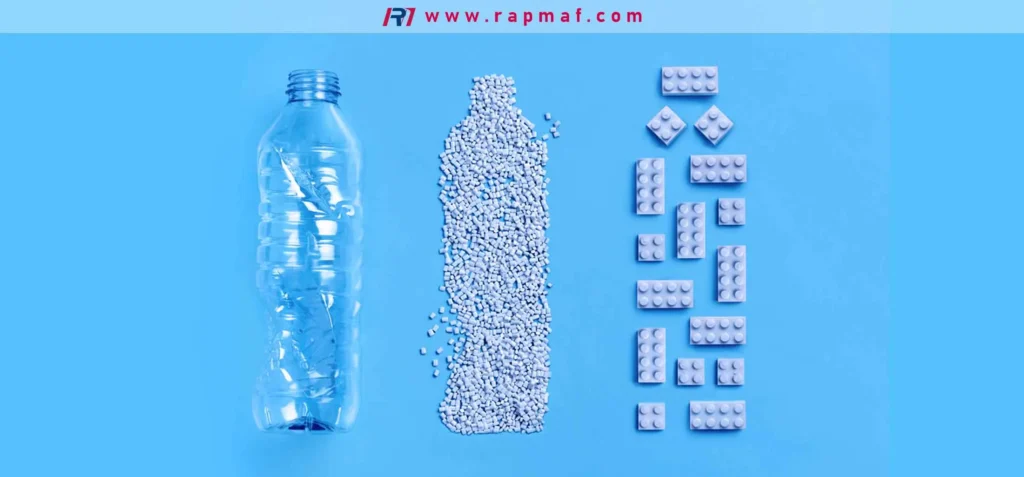
Alright, let’s talk about one of the most misunderstood and important plastics on the planet. When you hear the chemical mouthful “Acrylonitrile Butadiene Styrene,” your brain might picture a bubbling vat in a hazardous materials lab. But I want you to picture something else. Picture a LEGO brick.
Feel it in your mind. The slight texture, the sharp edges, the satisfying click as it connects to another. That satisfying, nearly indestructible little brick is ABS. It’s the housing for your computer monitor, the dashboard in your car, the shell of your kitchen appliances, and the keycaps on your keyboard. ABS is one of the unsung, unseen heroes of the modern world. It’s a workhorse.
But because it’s a “plastic” with a scary chemical name, questions about its safety are completely valid. Is this stuff secretly bad for us? Is it leaching toxins into our homes? To answer that, you can’t just give a simple “yes” or “no.” You have to understand what it is, how it’s made, and—most importantly—the huge difference between the solid brick in your hand and the molten goo inside a factory machine.
What Is Acrylonitrile Butadiene Styrene, and Why Is It Everywhere?
The name Acrylonitrile Butadiene Styrene isn’t just a random jumble of words. It’s the exact recipe. ABS isn’t a single substance; it’s a brilliant piece of chemical engineering, a terpolymer made by combining three distinct monomers. Think of it as a team of three superheroes, each bringing a unique power to the final material.
1. The Three Building Blocks: A, B, and S
- Acrylonitrile (The Shield): This is the “A” in ABS. Its superpower is resistance. It provides chemical resistance, thermal stability (so it doesn’t melt on a warm day), and hardness. This is the component that gives ABS a tough, rigid surface that resists scratches from your fingernails and damage from household cleaning sprays. Without Acrylonitrile, the plastic would be much softer and would warp easily.
- Butadiene (The Rubber Core): This is the “B,” and it’s the secret sauce. Butadiene is a synthetic rubber. Its superpower is toughness. When you drop your phone (which likely has an ABS housing), the Butadiene molecules distributed throughout the plastic absorb the shock of the impact. This is what prevents ABS from being brittle. A plastic made of only Acrylonitrile and Styrene would shatter like glass. The Butadiene gives it the ability to bend and flex on a microscopic level, dissipating energy and preventing cracks. It’s why a LEGO brick can be stepped on a thousand times without breaking.
- Styrene (The Glossy Chassis): This is the “S.” Styrene’s superpower is providing a rigid structure and a beautiful finish. It’s what makes ABS easy to process in injection molding machines, and it gives the final product that nice, glossy surface. It provides the bulk of the material, a strong and stable chassis onto which the other two components build their powers.
When chemists combine these three monomers, they don’t just get a simple mix. They create a material where chains of Acrylonitrile and Styrene are interlinked with particles of Butadiene rubber. This gives Acrylonitrile Butadiene Styrene the best of all worlds: the strength and rigidity of Styrene, the chemical resistance of Acrylonitrile, and the impact toughness of Butadiene. It’s not the absolute best at any one thing, but it’s exceptionally good at everything, making it the perfect, cost-effective choice for a vast range of products.
So, Is Acrylonitrile Butadiene Styrene a Safe Plastic in Everyday Use?
This is the core of the issue. Now that we know what it’s made of, we can address the safety question properly. And the answer is a tale of two states: the solid state and the molten state.
1. The Fortress of Stability: The Solid State
In its finished, solid form—the LEGO brick, the car dashboard, the TV remote—Acrylonitrile Butadiene Styrene is incredibly stable. The “A,” “B,” and “S” molecules are locked together in long, tangled polymer chains. They are not free to simply float away or “leak” out of the plastic under normal conditions.
Think of it like a cake. When you have flour, sugar, and eggs sitting on your counter, they are individual ingredients. But once you bake them into a cake, they are chemically transformed and locked together. You can’t just pick the flour out of the finished cake.
Similarly, the finished ABS product is inert. You can handle it, touch it, and use it every day without any significant risk. It doesn’t release harmful chemicals just by sitting on your desk. This stability is why it has been trusted for decades in everything from children’s toys to medical device housings.
2. The BPA Ghost: A Case of Mistaken Identity
One of the most common fears about plastic is BPA (Bisphenol A), a chemical linked to various health concerns. This leads many people to ask if ABS contains BPA. The answer is a clear and simple no.
This is a classic case of plastic mistaken identity. BPA is a chemical used to make a completely different type of plastic called polycarbonate (PC), which is known for being crystal-clear and shatterproof (it’s used for things like eyeglass lenses and reusable water bottles). Because both ABS and PC are strong, durable plastics, the wires often get crossed in the public’s mind.
Acrylonitrile Butadiene Styrene is made from Acrylonitrile, Butadiene, and Styrene. Its recipe does not include or require BPA in any way. So, if you see a product advertised as “BPA-Free ABS,” it’s a bit redundant but technically true. It’s like advertising “fat-free water.”
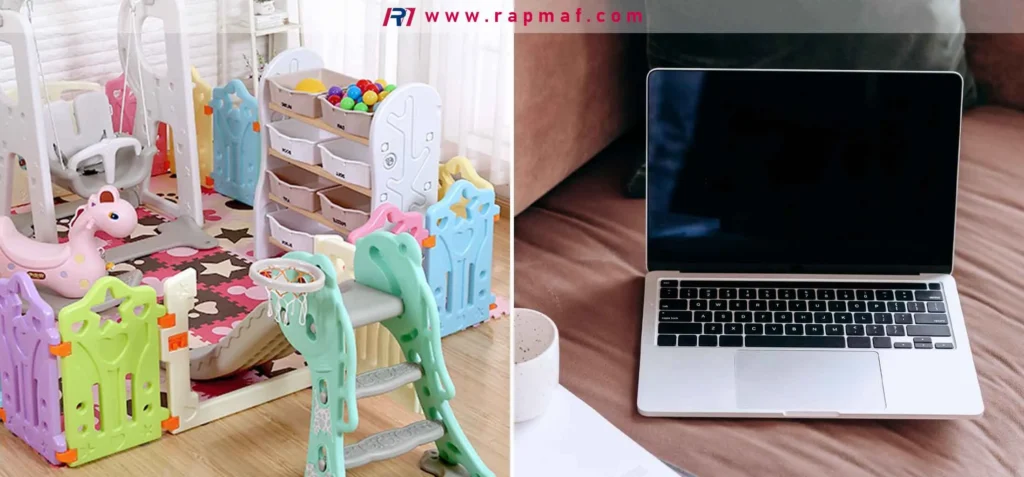
3. The Toddler Test: Why ABS is Used for Toys
The use of ABS in toys, particularly LEGO bricks, is a testament to its safety in solid form. Toy manufacturers are subject to incredibly strict international safety standards (like ASTM F963 in the US and EN 71 in Europe). These standards test for all sorts of things, including the leaching of heavy metals and harmful chemicals. High-quality Acrylonitrile Butadiene Styrene from reputable manufacturers passes these tests with flying colors.
It’s chosen for two main reasons:
- Durability: It doesn’t break into small, sharp pieces that could become a choking hazard.
- Inertness: The solid material is stable and doesn’t transfer harmful substances upon contact.
However, this comes with a crucial caveat. While a solid, well-made ABS toy is safe, the same might not be true for a cheap, uncertified knock-off toy from an unknown source. Furthermore, it’s generally not used for items specifically designed to be put in a baby’s mouth for extended periods, like teething rings. For that application, a softer, more inert material like medical-grade silicone is the preferred choice.
The key takeaway is this: the solid plastic object in your hands is safe. The danger, and the source of all the warnings, doesn’t come from the finished product, but from the process of making it. The dragon isn’t scary when it’s sleeping, but you don’t want to be standing in front of it when it breathes fire. And for Acrylonitrile Butadiene Styrene, fire comes in the form of heat.
So, we’ve established a critical fact: the solid, finished Acrylonitrile Butadiene Styrene object in your home is, for all practical purposes, a safe and stable fortress. The LEGO brick won’t hurt you. But what happens when you decide to build the fortress? What happens when you melt the plastic down to forge it into a new shape? This is where the conversation about safety becomes much more serious. This is where we need to talk about fumes, particles, and proper ventilation.
When Is Acrylonitrile Butadiene Styrene Dangerous? The Dangers of Melting
The moment you heat Acrylonitrile Butadiene Styrene to its melting point (around 220°C or 428°F), you are fundamentally changing the situation. Those long, stable polymer chains start to break down. The process, known as thermal decomposition, releases the constituent parts and other volatile organic compounds (VOCs) into the air. This is the “dragon breathing fire,” and this is where the real health risks lie.
1. The Invisible Enemy: Volatile Organic Compounds (VOCs)
When ABS melts, it off-gasses a complex cocktail of chemicals. The most significant of these is styrene monomer. This is the “S” from our recipe, breaking free from the polymer chain and returning to its original, individual state. Styrene is a known VOC, and it’s the primary source of that distinct, unpleasant “hot plastic” smell you get when 3D printing with ABS.
According to health organizations like the CDC and OSHA, chronic, high-level exposure to styrene vapor is no joke. It’s classified as a possible human carcinogen and is known to cause irritation to the eyes, skin, and respiratory system. In industrial settings where workers are exposed to it all day, it’s linked to neurological effects like fatigue, dizziness, and concentration problems.
Now, does this mean your desktop 3D printer is giving you cancer? For the average hobbyist, the risk is low but not zero. The concentration of styrene released from a small printer is a tiny fraction of what you’d find in a large-scale industrial facility. However, that doesn’t mean it’s harmless. Breathing in any amount of these fumes, especially in a small, unventilated room, is putting an unnecessary strain on your body. The logic is simple: if it smells bad and stings your eyes, it’s probably not good to be breathing it.
2. The Particulate Problem: Ultrafine Particles (UFPs)
Even more insidious than the VOCs are the ultrafine particles (UFPs) released during the melting process. These are microscopic, solid particles of plastic and other combustion byproducts that are so small they can float in the air like dust. When you 3D print with Acrylonitrile Butadiene Styrene, you are essentially running a tiny factory that generates a significant number of these UFPs.
Why are UFPs a concern? Because their size allows them to bypass your body’s natural defenses. They are so tiny that when you inhale them, they can travel deep into your lungs and even pass into your bloodstream. Studies on air pollution have linked high concentrations of UFPs to a range of health problems, from asthma and respiratory inflammation to cardiovascular issues.
Again, context is everything. The amount produced by a 3D printer isn’t the same as living next to a coal-fired power plant. But multiple studies, including well-known ones from the Illinois Institute of Technology, have confirmed that desktop 3D printers operating with ABS are a significant source of indoor UFP emissions, often comparable to using a laser printer or even cooking on a gas stove. The cumulative effect of this indoor air pollution is a genuine health consideration.
3. The Golden Rule: Ventilation, Ventilation, Ventilation
So, what’s the solution? It’s surprisingly simple: ventilation. You must treat your 3D printer not as a benign office appliance like an inkjet printer, but as a piece of workshop equipment, like a soldering iron or a sander.
- Enclosure: The first and best line of defense is a full enclosure around your printer. This contains the vast majority of the fumes and particles.
- Exhaust Fan & Ducting: An enclosure alone isn’t enough; you have to get the bad air out. A proper setup involves installing an exhaust fan on the enclosure that actively pulls the air out and vents it through a duct to the outside, just like a clothes dryer.
- Air Filtration: If venting to the outside isn’t possible, the next best thing is an internal air filtration system. This typically involves a fan that pulls the air from inside the enclosure through a high-quality HEPA filter (to capture the UFPs) and an activated carbon filter (to adsorb the VOCs like styrene).
Printing with Acrylonitrile Butadiene Styrene in a closed bedroom with no ventilation is a bad idea. Printing with it in an enclosed, actively ventilated setup is a perfectly reasonable and safe activity. The danger is not inherent to the material itself, but to the user’s failure to respect the process.
Is Acrylonitrile Butadiene Styrene a Sustainable or “Green” Plastic?
Now that we’ve covered the human safety aspect, let’s look at the planet. In an era of increasing environmental awareness, how does ABS stack up? The answer, unfortunately, is not very well.
1. Fossil Fuel Origins: Not a Renewable Resource
Like most plastics, Acrylonitrile Butadiene Styrene is derived from petroleum. Its building blocks—Acrylonitrile, Butadiene, and Styrene—are all products of the oil and natural gas refining process. This means its production is directly tied to the fossil fuel industry, with all the associated environmental and geopolitical issues. It is not a renewable or bio-based material in its standard form (though research into bio-based alternatives is ongoing).
2. The Biodegradability Myth: It Lasts Forever
This is a critical point: ABS is not biodegradable. That indestructible quality that makes a LEGO brick so great also means it will persist in the environment for hundreds, if not thousands, of years. When it does break down, it doesn’t decompose into harmless organic matter. Instead, it undergoes photodegradation, breaking into smaller and smaller pieces, eventually becoming the microplastics that are now found in our oceans, soil, and even our bodies.
A product made from ABS will not rot, compost, or disappear if you bury it in your backyard. It will simply sit there, a permanent monument to 20th-century chemistry.
3. The Recycling Reality: Possible, but Difficult
Can Acrylonitrile Butadiene Styrene be recycled? Technically, yes. As a thermoplastic, it can be melted down and reformed into new products. This is often done with industrial scrap (known as “regrind”) within a manufacturing facility.
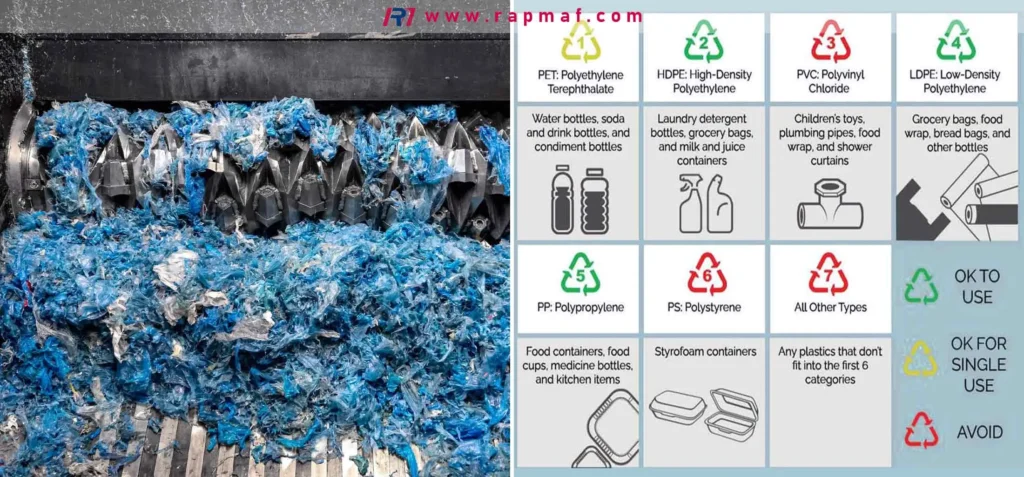
However, the reality of post-consumer ABS recycling is much more complicated.
- Identification: ABS is recycling code #7, the “Other” category. This is a catch-all bin for many different plastic types, making it difficult to sort effectively in municipal recycling facilities.
- Contamination: A batch of ABS contaminated with another plastic type (like PET from a water bottle) can ruin the properties of the final recycled material.
- Degradation: Each time ABS is melted down, its polymer chains shorten slightly, and it loses some of its toughness and impact resistance. It can’t be recycled indefinitely.
- Economics: It is often cheaper for a manufacturer to use new, “virgin” ABS resin than it is to source, sort, clean, and process recycled ABS.
Because of these challenges, the vast majority of consumer ABS products are not recycled. They end up in landfills. While some specialized e-waste recycling programs do recover and recycle ABS from electronics, it is not a common practice in standard curbside recycling. The best hope for a circular economy for Acrylonitrile Butadiene Styrene lies in designing products for easy disassembly and creating cleaner, more efficient sorting and recycling streams, but we are a long way from that reality.
So, we’ve painted a complex picture. On one hand, solid Acrylonitrile Butadiene Styrene is a safe, durable, and incredibly useful material. On the other hand, the process of melting it requires careful safety precautions, and its end-of-life environmental impact is far from ideal. This brings us to the most important question of all: if it has these drawbacks, why is it still one of the most popular engineering plastics on the planet? Why would a smart designer, with a world of materials to choose from, deliberately select ABS? The answer lies in its genius-level mastery of compromise.
Why Would a Designer Choose Acrylonitrile Butadiene Styrene?
In engineering, there is rarely a “perfect” material. Every choice is a trade-off between cost, strength, weight, appearance, and manufacturability. A material that is the strongest might be too heavy or too expensive. A material that is the cheapest might be too weak or look terrible. Acrylonitrile Butadiene Styrene dominates the middle ground. It’s the “Swiss Army Knife” of plastics—it might not be the single best tool for any one job, but it’s a damn good tool for almost every job, making it the default choice for a huge range of applications.
1. The Goldilocks of Engineering Plastics
Think of ABS as the ultimate “Goldilocks” material. It’s not too hard, not too soft; not too brittle, not too flexible; not too expensive, not too cheap. It’s just right.
- Compared to PLA (Polylactic Acid): PLA, the most common 3D printing plastic, is very rigid and easy to print, but it’s also brittle. Drop a PLA part, and it might shatter. Drop an ABS part, and it will likely just bounce. The Butadiene rubber component gives ABS superior toughness and impact resistance. Furthermore, PLA has a very low glass transition temperature (around 60°C). Leave a PLA part in a hot car, and it will deform into a useless puddle. ABS, with its glass transition temperature around 105°C, will hold its shape perfectly.
- Compared to Polycarbonate (PC): PC is incredibly strong and has a very high temperature resistance. It’s used for things like bulletproof glass and riot shields. But it’s also more expensive than ABS and significantly more difficult to process. It requires very high temperatures to 3D print or injection mold, making it overkill for many applications. ABS offers about 80% of the performance for a fraction of the cost and hassle.
- Compared to Polypropylene (PP): PP is very chemically resistant and flexible, used in things like food containers and car bumpers. However, it is notoriously difficult to work with. It’s hard to glue, impossible to paint without special surface treatments, and can be tricky to 3D print because it doesn’t like to stick to anything. ABS, by contrast, is a model maker’s dream.
Acrylonitrile Butadiene Styrene provides a professional-grade baseline of toughness, temperature resistance, and hardness at a commodity price point. It is the definition of a cost-effective workhorse.
2. The King of Post-Processing
This is perhaps the biggest secret to the enduring success of ABS, especially in prototyping and custom fabrication. What you can do with an ABS part after it comes out of the machine is what truly sets it apart.
- Solvent Welding: Acetone, a common chemical, readily dissolves ABS. This isn’t a weakness; it’s a superpower. You can use a small amount of acetone to chemically “weld” two ABS parts together, creating a bond that is as strong as the plastic itself. This is impossible with many other plastics.
- Vapor Smoothing: This is a technique where an ABS part (typically a 3D print) is exposed to acetone vapor in a controlled environment. The vapor lightly melts the outer surface of the part, causing the fine layer lines from the printing process to flow together and disappear. The result is a part with a beautiful, glossy, injection-mold-like finish. This is a game-changer for creating aesthetic prototypes.
- Sanding and Machining: The hardness and stability of ABS make it excellent for traditional finishing techniques. It can be easily sanded to a smooth finish, drilled, tapped for screws, or even machined on a mill. It behaves predictably, unlike softer, gummier plastics that can melt or clog up tools.
- Painting and Plating: ABS has a surface that readily accepts primers and paints, allowing for the creation of high-quality finished models. Furthermore, it is one of the easiest plastics to electroplate. That “chrome-plated plastic” on your car’s grille or bathroom faucet is almost certainly
Acrylonitrile Butadiene Styrenethat has been coated in a thin layer of metal.
For anyone making prototypes, models, enclosures, or custom parts, this incredible versatility in finishing is a massive advantage that commodity plastics like PETG or PLA simply cannot match.
3. The Economics of “Good Enough”
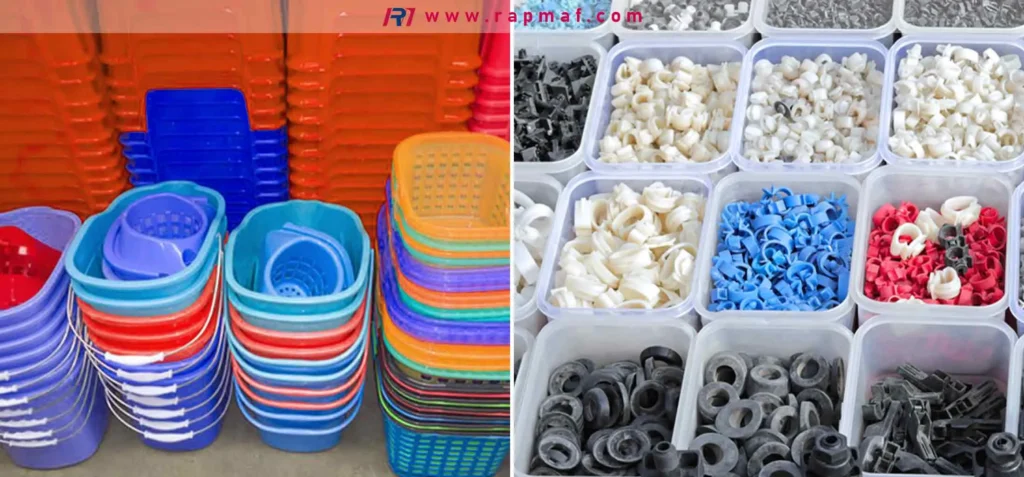
At the end of the day, manufacturing is a business. The reason you find Acrylonitrile Butadiene Styrene in everything from your keyboard keys and computer mouse to your power tool housings and car dashboard trim is simple economics. It delivers a high-perceived quality and long-term durability at a very low cost.
For a company producing millions of items, saving a few cents per part by choosing ABS over a more exotic polymer translates into millions of dollars in savings. It hits the perfect intersection of cost and performance. The consumer gets a product that feels solid, doesn’t break when dropped, and lasts for years, all for a reasonable price. The manufacturer gets a material that is easy to injection mold in high volumes with a low defect rate. Everyone wins. It’s the invisible, economic backbone of the consumer electronics industry.
Case Study: Why a Drone Body Is Made of Acrylonitrile Butadiene Styrene
Let’s put this decision-making process into a real-world context. Imagine you are an engineer designing the main frame for a new consumer hobbyist drone. You need a material that is lightweight, strong enough to survive minor crashes, able to handle the heat from the motors and electronics, and cheap enough to keep the final product affordable.
The Candidates:
- PLA: Immediately disqualified. It’s too brittle. The first time the user has a rough landing, the frame would crack. Its low heat resistance also means it could deform from the heat generated by the electronic speed controllers (ESCs).
- Carbon Fiber Composite: This is the high-performance choice. It’s incredibly strong and lightweight. Professional racing drones use it. However, it is very expensive and manufacturing it is a slow, labor-intensive process of cutting sheets and laying them up in molds. This would price the drone out of the hobbyist market.
- PETG: A strong contender. It’s tougher than PLA and has better heat resistance. It’s a viable option. However, if the user wants to modify their drone, gluing or painting PETG is difficult. Repairs are also tricky.
Acrylonitrile Butadiene Styrene: This is the “Goldilocks” choice.- Toughness: The Butadiene content provides excellent impact resistance, meaning it can absorb the energy of a crash without shattering. An arm might bend or break, but the central frame will likely survive.
- Heat Resistance: Its 105°C glass transition temperature is more than enough to handle the heat from the motors and electronics without any risk of deformation.
- Post-Processing: This is the killer feature for a hobbyist product. If an arm breaks, the user can easily glue it back together with acetone. If they want to add a custom camera mount, they can 3D print one in ABS and solvent-weld it permanently to the frame. They can sand and paint the frame to customize it.
- Cost: It’s a very inexpensive material to injection mold, allowing the company to hit its target price point for a mass-market product.
The Decision: The engineering team chooses Acrylonitrile Butadiene Styrene. It provides the best overall balance of durability, thermal performance, customizability, and cost. It’s not the absolute strongest or lightest, but it’s the smartest choice for the application.
Answering Your Top Questions About Acrylonitrile Butadiene Styrene
Let’s tackle the most common questions head-on to clear up any lingering confusion.
Q: How toxic is ABS plastic?
A: In its solid, finished form, ABS plastic is non-toxic and inert. You can handle it safely. The toxicity concern arises only when it is melted, such as during 3D printing or recycling. The melting process releases fumes containing Volatile Organic Compounds (VOCs), primarily styrene, and emits Ultrafine Particles (UFPs). Both are hazardous to inhale. Therefore, any process involving melting ABS must be done in a well-ventilated area, preferably using an enclosure and an exhaust system that vents the fumes outdoors.
Q: Is Acrylonitrile Butadiene Styrene plastic safe for your body?
A: For external contact, yes. It is perfectly safe for skin contact, which is why it’s used for phone cases, computer mice, and keyboards. However, it is generally not considered food-safe or biocompatible for medical implants. The primary reasons are that trace amounts of monomers or processing aids could potentially leach out over time, and its porous nature can make it difficult to completely sterilize, potentially harboring bacteria. For food containers or medical devices, manufacturers use specifically certified, medical-grade plastics.
Q: What is bad about Acrylonitrile Butadiene Styrene?
A: ABS has several distinct disadvantages:
- Not UV Resistant: When exposed to direct sunlight for long periods, it will degrade. The Butadiene component is attacked by UV radiation, causing the plastic to become brittle and turn a yellowish color. It is not suitable for long-term outdoor applications without a UV-protective coating or paint.
- Requires High Heat to Process: It needs a heated build plate (for 3D printing) and an enclosed print volume to prevent warping, making it trickier to work with than PLA.
- Hazardous Fumes When Melted: As discussed, it requires proper ventilation during processing.
- Not Eco-Friendly: It is derived from fossil fuels, is not biodegradable, and is difficult to recycle at the consumer level.
Q: What is the difference between ABS and “regular” plastic?
A: This is a great question. ABS is a type of plastic. Regular plastic” is a vague term, but people often use it to refer to the common plastics they see every day, like PET (water bottles, recycling #1), HDPE (milk jugs, recycling #2), or PP (yogurt cups, recycling #5). The key difference is that Acrylonitrile Butadiene Styrene is classified as an engineering thermoplastic. This means it was specifically formulated to have a superior balance of mechanical properties—toughness, temperature resistance, and hardness—compared to those cheaper, general-purpose commodity plastics.
The Final Verdict on Acrylonitrile Butadiene Styrene
So, is Acrylonitrile Butadiene Styrene bad for you? The answer is a qualified no. The finished product in your hand is a marvel of safe, stable, and durable chemistry. It’s the silent, reliable backbone of countless devices you depend on every day. It’s tough, dependable, and economical.
However, like any powerful industrial material, it demands respect during its creation. The risks are not in the destination, but in the journey. The process of turning raw pellets into a finished product releases substances that require proper handling and ventilation. And once its useful life is over, it leaves a lasting footprint on the environment that we must manage responsibly.
It’s not the newest, strongest, or greenest plastic on the block. It is something more important: a proven, reliable, and cost-effective problem-solver. It is the gold standard by which other, more specialized plastics are measured, and a testament to the power of a perfectly balanced recipe.
References and Further Reading on Acrylonitrile Butadiene Styrene
- CDC – NIOSH Pocket Guide to Chemical Hazards: Styrene: The official guide from the Centers for Disease Control and Prevention, detailing the health risks associated with exposure to styrene monomer, the primary VOC released when melting ABS.
- ProtoLabs – “ABS Material Guide”: A detailed guide from a major manufacturing service, outlining the mechanical properties, design considerations, and typical applications for Acrylonitrile Butadiene Styrene.
- All3DP – “ABS Filament: All You Need to Know”: A comprehensive resource for 3D printing enthusiasts, covering everything from the best printer settings to safety precautions and vapor smoothing techniques for ABS filament.
Disclaimer
The information on this page is for informational purposes only. RM makes no representations or warranties, express or implied, as to the accuracy or completeness of this information. For any third-party services procured through the RM network, it is the buyer’s responsibility to specify and confirm performance parameters, tolerances, materials, and workmanship during the quotation process. For more detailed information, please do not hesitate to contact us.
RM: Your Precision Manufacturing Partner
RM is an industry leader in custom manufacturing solutions. With over 20 years of profound experience, we have become the trusted partner for more than 5,000 clients worldwide. We specialize in a comprehensive range of manufacturing services—including high-precision CNC machining, sheet metal fabrication, 3D printing, injection molding, and metal stamping—to provide you with a true one-stop-shop experience.
Our world-class facility is equipped with over 100 state-of-the-art 5-axis machining centers and operates in strict compliance with the ISO 9001:2015 quality management system. We are dedicated to providing solutions that blend speed, efficiency, and exceptional quality to customers in over 150 countries. From rapid prototyping to large-scale production, we promise delivery in as fast as 24 hours, helping you gain a competitive edge in the market.Choosing RM means selecting an efficient, reliable, and professional manufacturing ally.
Explore our capabilities today by visiting our website: www.rapmaf.com