

If you walk into a department store and ask for “Acrylic,” you are walking into a linguistic minefield.
Depending on which aisle you are in, you might get three completely different objects:
- The Fashion Aisle: A fuzzy sweater that feels like wool but costs $20.
- The Hardware Aisle: A rigid, clear sheet that looks like glass but feels like plastic.
- The Cosmetic Aisle: A liquid and powder kit for sculpting artificial fingernails.
How can one word describe a soft blanket, a bullet-resistant shield, and a tube of paint?
It is because “Acrylic” is not a single object; it is a massive family of synthetic polymers derived from petroleum. They all share a common ancestor in chemistry—Acrylic Acid or Acrylates—but depending on how we cook the molecular chain, they can end up as a hard shield (PMMA), a soft fiber (Polyacrylonitrile), or a liquid binder.
As a manufacturing engineer who has machined tons of acrylic sheet (Plexiglas) and specified coatings for industrial equipment, I am here to clear up the confusion. Whether you are knitting with it, painting with it, or building a fish tank, here is the deep dive into what you are actually holding.
Is Acrylic Just Plastic? (The “Hard” Stuff)
When engineers and architects say “Acrylic,” we are almost exclusively talking about the clear, hard plastic sheet known scientifically as Polymethyl Methacrylate (PMMA).
You probably know it by its brand names: Plexiglas, Lucite, Perspex, or Acrylite.
It was developed in the 1930s and immediately became a military secret used for World War II bomber gun turrets and submarine periscopes.
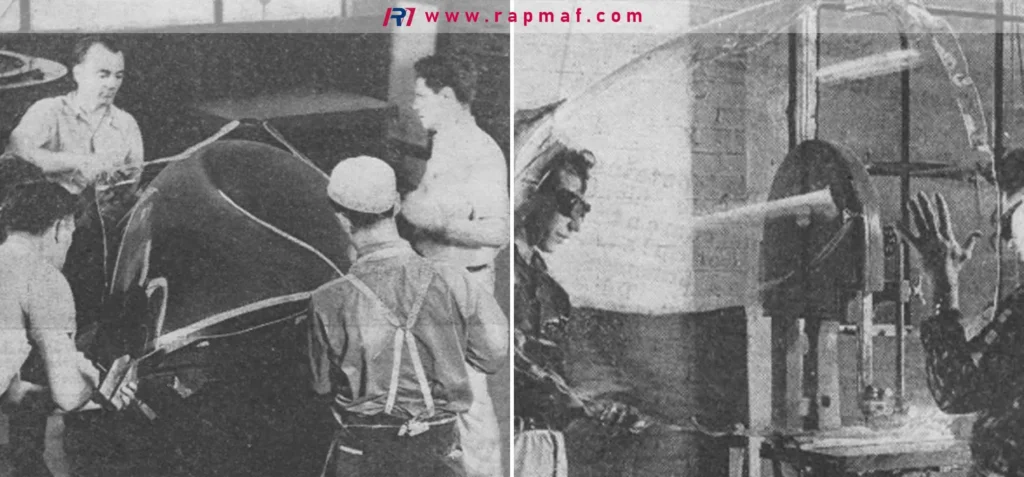
Why? Because it is clearer than glass, half the weight, and if a bullet hits it, it doesn’t shatter into razor-sharp shards like glass does. It protects the pilot’s eyes.
The Critical Choice: Cast vs. Extruded
If you are a maker, a DIYer, or a sign shop owner, you need to know this distinction. Not all acrylic sheets are born equal.
- Cell Cast Acrylic (The Premium Stuff):
- The Process: We pour the liquid plastic syrup between two sheets of high-quality glass and bake it. It hardens into a sheet.
- The Properties: It has very low internal stress. It is optically perfect.
- Machining: When you laser cut it, it cuts clean and polished. When you drill it, it produces nice chips.
- Extruded Acrylic (The Budget Stuff):
- The Process: We push the molten plastic through steel rollers (like a pasta maker) to flatten it out.
- The Properties: The rollers induce “stress” in the material. It has a grain direction.
- Machining: Nightmare. If you try to laser cut it, it melts and leaves a gummy edge. If you drill it, it often cracks or “gums up” the drill bit.
Clive’s Shop Floor Rule:
“If you are buying acrylic for a project where you need to cut, drill, or route it, spend the extra money for Cast Acrylic.
If you buy the cheap stuff (Extruded) from the big-box hardware store, it will melt onto your saw blade and crack when you drill the screw holes. Extruded is fine for replacing a shed window, but terrible for fabrication.”
How Do We Turn Plastic Into “Wool”? (The “Soft” Stuff)
Now, let’s look at your sweater.
Acrylic Fiber is a synthetic polymer made from at least 85% Acrylonitrile monomer. It was invented by DuPont in the 1940s as a cheap, moth-proof substitute for wool.
The Transformation Process
How do we turn oil into a fuzzy scarf?
- Polymerization: We create plastic pellets/powder.
- Dissolving: We melt the plastic into a thick, honey-like syrup using a solvent.
- Extrusion (The Spinneret): We force this syrup through a metal plate with thousands of microscopic holes (like a showerhead) into a bath of warm air or water.
- Solidification: The liquid streams dry instantly into long, thin plastic filaments.
- Crimping: This is the secret. We mechanically “crimp” (wave) the fibers and cut them into short lengths (staples). This mimics the natural waviness of sheep’s wool, creating air pockets that trap heat.
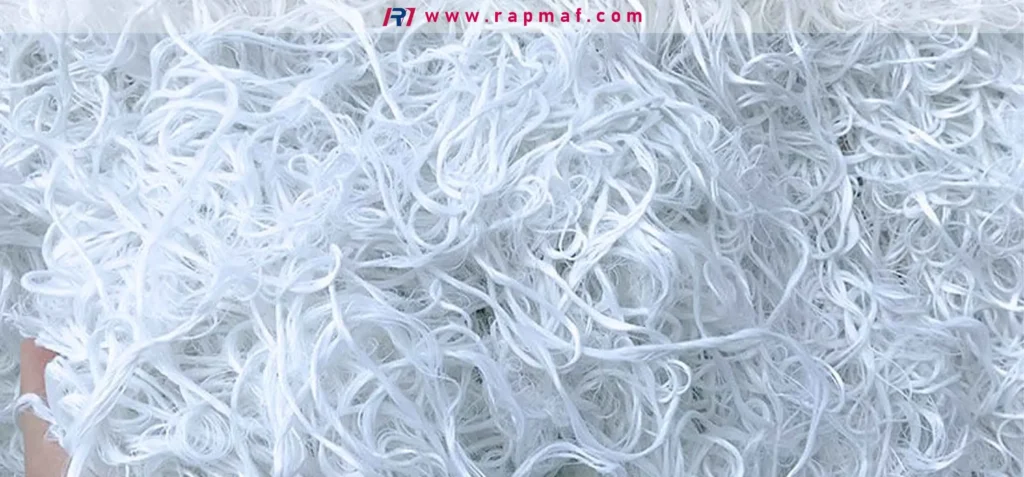
Why Wear Plastic?
- Warmth: Because of the crimping, it is an excellent insulator.
- Color: It holds dye better than almost any natural fiber. That neon orange hunting hat? That has to be acrylic; wool can’t get that bright.
- Hypoallergenic: People allergic to the lanolin in wool can wear acrylic safely.
Consumer Safety Warning:
“Acrylic is Thermoplastic. That means it melts when hot.
Do not wear acrylic clothing if you are welding, grinding metal, or sitting very close to a bonfire.
If a spark lands on cotton, it burns to ash. If a spark lands on acrylic, it melts into hot liquid plastic that sticks to your skin. In the industry, we are strictly forbidden from wearing synthetic fibers in high-heat zones.”
What Is the Chemistry Behind Paint & Nails? (The “Liquid” Stuff)
Acrylic Paint
Before the 1950s, artists used oil paints (which take weeks to dry and require toxic turpentine) or watercolors (which aren’t permanent).
Acrylic paint is a miracle of suspension chemistry.
It consists of pigment suspended in an Acrylic Polymer Emulsion.
- The Magic Trick: When the paint is wet, the acrylic particles are floating in water. You can clean your brushes in the sink.
- The Cure: As the water evaporates, the acrylic particles get closer together until they fuse into a continuous, flexible plastic film. Once dry, it is waterproof and permanent. It is essentially “liquid plastic.”
Acrylic Nails
This is chemistry happening right on your fingertips. It is a “Two-Part” system, similar to industrial epoxy.
- The Liquid: A Monomer (usually Ethyl Methacrylate). It smells strong.
- The Powder: A Polymer (ground-up acrylic).
The Reaction: When the technician dips the wet brush into the powder, it creates a bead. The liquid monomer attacks the powder polymer, melting them together and starting a chain reaction. It hardens into a solid shell within minutes, without needing a UV light (unlike Gel nails).
Why Do Engineers Choose Acrylic Over Glass?
In the manufacturing world, we constantly swap Glass for Acrylic. Why?
Here is the tale of the tape:
- Optical Clarity: Acrylic transmits 92% of visible light. Standard window glass only transmits about 80-90% (thick glass has a green tint from iron; acrylic is colorless).
- Weight: Acrylic is 50% lighter than glass. This is huge for aquariums. A glass tank that size would crack the floor foundation.
- Impact Strength: Acrylic is 10x to 20x stronger than glass. If you hit it with a baseball, it might bounce off. If it does break, it breaks into large, dull pieces, not the razor-sharp guillotine shards of glass.
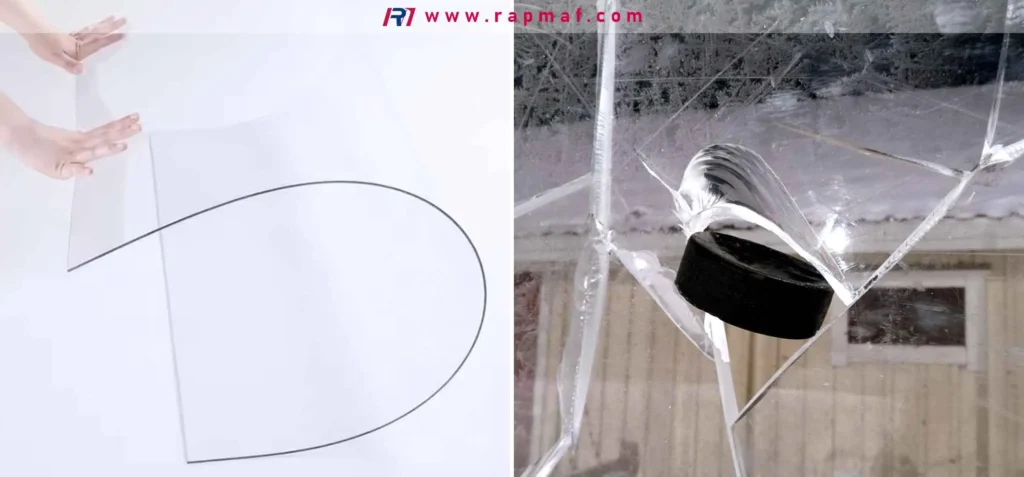
- Thermal Insulation: Acrylic insulates better than glass. That’s why skylights are often acrylic—they let light in but keep the cold out better than single-pane glass.
What Are the Real Disadvantages? (The Achilles Heel)
Acrylic is not a perfect super-material. If it were, we wouldn’t use glass at all. It has three major weaknesses that engineers must design around.
1. The Scratch Factor
Acrylic is soft.
- Glass: Mohs Hardness ~5.5 (Hard to scratch).
- Acrylic: Mohs Hardness ~3.0 (Easy to scratch).
You can scratch acrylic with a rough paper towel or a dusty cloth. Over time, acrylic windows get “hazy” just from cleaning them. This is why car windshields are never acrylic; the wiper blades would ruin them in a week.
2. Chemical Sensitivity (The Kryptonite)
This is the most common mistake consumers make.
Acrylic hates solvents.
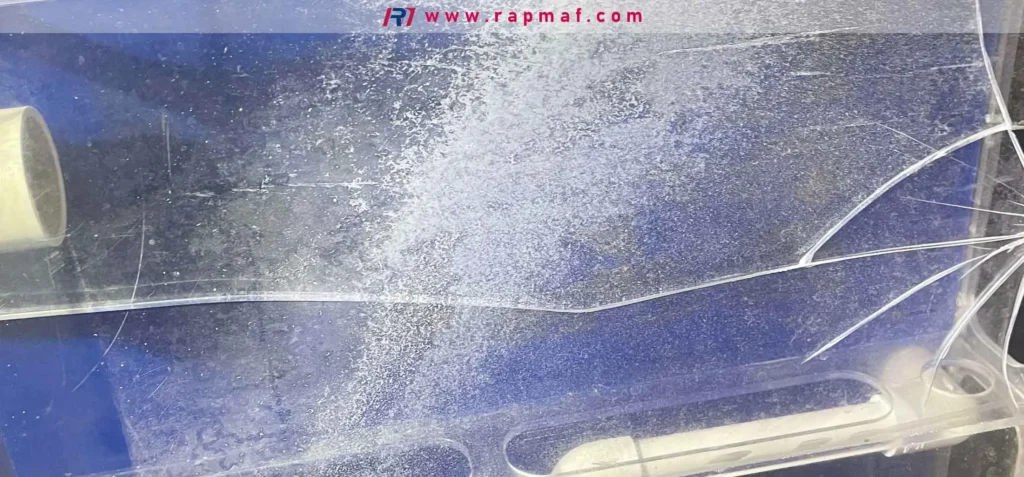
Field Failure Case: The “Windex” Disaster
“I once had a client who bought $5,000 worth of custom acrylic display cases for a museum.
Two weeks later, they called me screaming that the cases were covered in spiderweb cracks.
The Culprit: The cleaning crew used Windex (Ammonia).
Ammonia attacks the molecular bonds of acrylic. It causes ‘Crazing’—thousands of microscopic stress cracks that fog the material.
The Lesson: Never use glass cleaner on plastic. Use mild dish soap and water, or a dedicated plastic cleaner like Novus #1.”
3. Heat Sensitivity
Acrylic is a thermoplastic. It starts to soften around 160°C (320°F).
You cannot put a hot pot on an acrylic counter. It will leave a permanent dent.
However, this is also a pro: we can heat acrylic sheets and bend them into curved shapes (Thermoforming) easily, which you can’t do with glass.
Acrylic vs. Polycarbonate (Lexan): The Cage Match
This is the most common debate in engineering: Plexiglas (Acrylic) vs. Lexan (Polycarbonate).
They both look like clear plastic sheets. Which one do you use?
| Feature | Acrylic (PMMA) | Polycarbonate (PC) |
|---|---|---|
| Clarity | Winner (92%) | Good (88%) |
| Strength | Strong | Invincible (Bulletproof) |
| Scratching | Fair | Poor (Scratches very easily) |
| Price | Cheaper | Expensive (+30-40%) |
| Aging | Excellent (UV Stable) | Yellows over time in sun |
Clive’s Verdict:
“If you are making a display case, a sign, or a window that needs to look pretty for 20 years, use Acrylic.
If you are making a safety guard for a machine, a riot shield, or robot battle armor, use Polycarbonate. You can hit Polycarbonate with a sledgehammer and it won’t break.”
FAQ: Common Myths & Quick Answers
Q: Is acrylic plastic toxic?
A: No. Once it is hardened (polymerized), acrylic is chemically inert and safe. We use medical-grade acrylic for bone cement, dentures, and incubators. However, breathing the dust while cutting it, or breathing the fumes while making it, can be irritating.
Q: Does acrylic fabric make you sweat?
A: Yes. Unlike wool or cotton, acrylic fibers are not porous. They do not absorb moisture into the core of the fiber. They are hydrophobic.
This means sweat sits on your skin or gets trapped between the fibers. It is great for a moisture-wicking outer layer, but terrible for socks or t-shirts if you are prone to odor. Bacteria love the moist environment of synthetic fabrics.
Q: Can you recycle acrylic?
A: Technically Yes, practically Hard.
Acrylic is a “Group 7” plastic (Other). You cannot throw it in your curbside bin.
However, acrylic is one of the few plastics that can be Depolymerized. We can heat it up in a vacuum, turn it back into liquid monomer, and make brand new acrylic sheets. This is called “Chemical Recycling,” but you have to take it to a specialist industrial facility.
Q: Is nylon better than acrylic?
A: They have different jobs.
- Nylon: Super strong, abrasion-resistant, slippery. Used for gears, ropes, pantyhose.
- Acrylic: UV resistant, warm, aesthetic. Used for outdoor awnings (Sunbrella fabric is often acrylic), sweaters, signs.
- If you need strength, pick Nylon. If you need weather resistance, pick Acrylic.
Final Verdict
So, what is acrylic?
It is the Master of Disguise in the material world.
- In your windows, it imitates glass.
- In your closet, it imitates wool.
- In your bathroom, it imitates stone (acrylic bathtubs).
It is a fossil-fuel-based plastic known for its incredible optical clarity and weather resistance. It is the reason we have massive aquarium tunnels that hold back the ocean, durable car paints, and affordable winter clothes.
Clive’s Final Advice:
“Respect the material. If you buy acrylic sheet, don’t clean it with ammonia. If you wear acrylic fabric, keep it away from open flames. And if you are building something that needs to last outdoors in the sun for 20 years, Acrylic is your best friend—it is one of the few plastics that never yellows and never ages.”
Deep Dive & Authority Links
For the makers, engineers, and curious minds:
- Piedmont Plastics: Acrylic vs. Polycarbonate Guide
- A great distributor resource comparing the physical stats for your next project.
- MakeItFrom: Polymethyl Methacrylate (PMMA) Properties
- The engineering data: Density, Tensile Strength, and Melting Point numbers.
- The Textile Institute: Understanding Acrylic Fibers
- Deep dive into how the fiber production process actually works.