



Hello, I’m Clive Chen, an engineer at Rapmaf. We are in the middle of a profound shift in the world of materials. You see it everywhere: “plant-based,” “compostable,” “eco-friendly.” At the center of this revolution is a polymer that has rapidly gone from a niche material to a household name: Polylactic Acid, or PLA.
You’ve probably encountered it as a clear cup for a cold-brew coffee, the clamshell container for your salad, or, if you’re a maker, the default filament for your 3D printer. It looks and feels like a conventional plastic, yet it’s often marketed as a greener alternative. This leads to some fundamental questions that I hear all the time from designers and consumers alike: What exactly is polylactic acid? Is it actually plastic? And where does it come from?
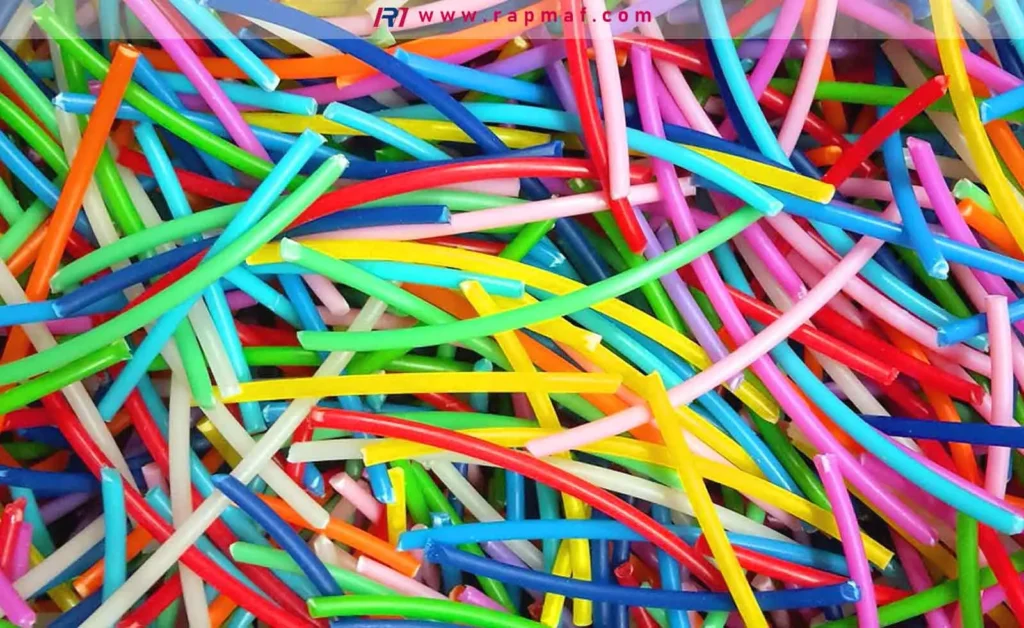
First Things First: Is PLA Actually Plastic?
Let’s address the most common point of confusion right away. The answer is an unequivocal yes. From a materials science perspective, a “plastic” is simply a polymer (a large molecule made of repeating subunits) that can be molded into a shape. PLA fits this definition perfectly.
The confusion arises not from what it is, but from where it comes from. The real distinction is between a petrochemical plastic and a bioplastic.
- Petrochemical Plastics (e.g., PET, Polypropylene): These are derived from fossil fuels like petroleum or natural gas. The raw feedstock is non-renewable.
- Bioplastics (e.g., PLA): These are derived in whole or in part from renewable biomass sources.
So, PLA is not a “plastic alternative” in the sense that it’s a different category of material. Rather, it’s a different flavor of plastic, one that starts its life on a farm instead of at an oil refinery.
How Polylactic Acid is Made?
The production of PLA is a brilliant intersection of agriculture and industrial chemistry. It begins with a process that has been used for millennia: fermentation.
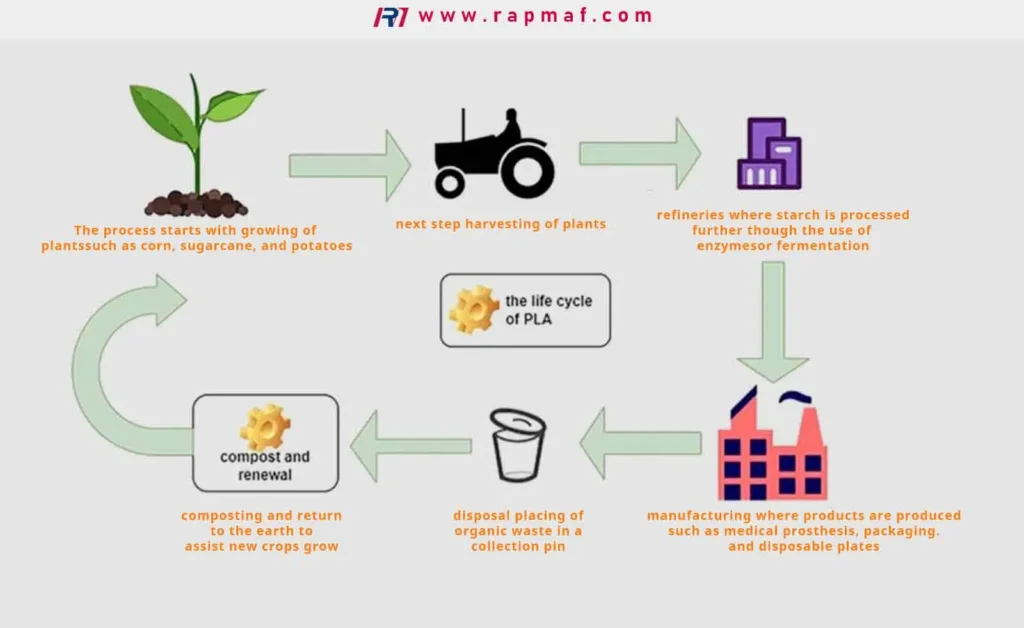
Step 1: Feedstock Sourcing
The process starts with harvesting plants that are rich in starch or sugar. The most common feedstocks today are corn (specifically industrial corn, not sweet corn), sugarcane, and cassava. The key component is the carbohydrate.
Step 2: Fermentation
The starch is extracted from the plant matter and converted into simple sugars (dextrose). Then, specific microorganisms (bacteria or yeast) are introduced. These microbes consume the sugar and, through fermentation, excrete lactic acid as a byproduct. This is biologically identical to the lactic acid that builds up in your muscles during strenuous exercise.
Step 3: Conversion to Lactide
The raw lactic acid is then purified and put through a chemical process that dimerizes it, creating a stable, ring-shaped intermediate molecule called lactide. This step is crucial for producing high-quality, high-molecular-weight PLA.
Step 4: Polymerization
This is where the “poly” in polylactic acid comes from. The lactide rings are opened up and linked together in a process called Ring-Opening Polymerization to form long chains of Polylactic Acid.
The final result is a thermoplastic resin, typically in the form of small pellets. These pellets look and handle just like their petrochemical counterparts and are ready to be shipped to manufacturers like us to be turned into finished products.
Core Engineering Properties of PLA
Now that we know where it comes from, let’s look at PLA as a material. What are its strengths and, just as importantly, its weaknesses?
1. Mechanical Properties: Rigid and Brittle
PLA is a hard, rigid polymer with high stiffness and good tensile strength. This is why it feels solid and premium in applications like thick-walled containers. However, this rigidity comes at a cost: brittleness. PLA has low impact resistance and is prone to cracking or shattering when dropped, especially compared to tougher plastics like PET or ABS. For engineers, this is a critical trade-off to consider.
2. Optical Properties: High Clarity and Gloss
Unmodified PLA is naturally transparent with excellent clarity and a high surface gloss. This makes it an ideal material for food packaging where product visibility is important, allowing it to compete directly with PET in applications like clamshell containers for berries or salads.
3. Thermal Properties: Low Heat Resistance
This is arguably PLA’s biggest weakness. PLA has a low glass transition temperature (Tg) of around 60°C (140°F). This is the temperature at which the rigid polymer begins to soften and deform.
This has major real-world implications:
- You cannot put a PLA cup or container in a dishwasher.
- A PLA product left in a hot car on a summer day will warp and sag.
- It is only suitable for cold or lukewarm food and beverage applications. It cannot be used for hot coffee cups (which are typically lined with polyethylene) or microwaveable trays.
4. Barrier Properties
PLA has a poor moisture and oxygen barrier compared to PET. This means it’s not suitable for packaging carbonated beverages (the CO2 would escape) or for products that require a long shelf life and are sensitive to oxygen.
5. Biocompatibility and Safety
This is a major strength. When PLA breaks down, it hydrolyzes back into lactic acid, a substance that is naturally present in and easily metabolized by the human body. This makes PLA exceptionally biocompatible. It is widely used in the medical field for applications like:
- Dissolvable Sutures: Stitches that hold a wound closed and then safely dissolve over time, eliminating the need for removal.
- Orthopedic Implants: Screws, pins, and plates used to fix bone fractures that dissolve as the bone heals, avoiding a second surgery for removal.
This inherent safety also makes it a trusted material for food-contact applications (for cold foods).
What Is Polylactic Acid Used For?
PLA’s specific properties make it an ideal choice for a few key markets.
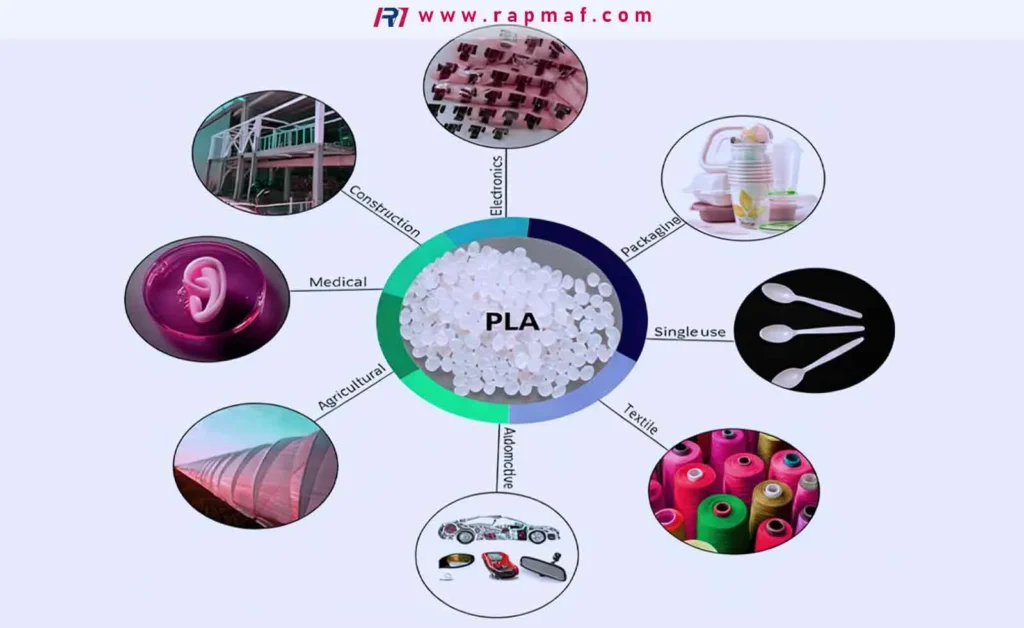
1. 3D Printing Filament
PLA is, by a huge margin, the most popular material for consumer and prosumer-level 3D printing. The reasons are directly tied to its properties:
- Low Printing Temperature: It prints at a relatively low temperature (around 190-220°C), meaning even entry-level 3D printers can handle it easily.
- Minimal Warping: Unlike other plastics like ABS, PLA has a low thermal expansion coefficient. It doesn’t shrink much as it cools, leading to less warping and lifting off the print bed. This makes it far more forgiving and reliable to print with.
- No Toxic Fumes: When heated, PLA emits a faint, sweet-smelling aroma, unlike the noxious fumes produced by petrochemical plastics like ABS. This makes it much safer to use in an office, classroom, or home environment.
2. Packaging and Single-Use Items
This is PLA’s other major application. Its high clarity, gloss, and rigidity make it a great replacement for PET in cold-food packaging.
- Clear Cups and Lids: For cold drinks like iced coffee, smoothies, and beer.
- Clamshell Containers: For salads, berries, and deli items where product visibility and a rigid feel are important.
- Cutlery: Its stiffness makes it suitable for single-use forks, spoons, and knives, though it can be brittle.
- Teabags and Food Wraps: In film form, PLA is used for specialty applications like transparent, pyramid-shaped teabags.
3. Medical Applications
As mentioned in Part 1, PLA’s excellent biocompatibility makes it a prime material for devices that are meant to be absorbed by the body. Dissolvable stitches and orthopedic screws made from PLA (or its copolymers) perform their function and then safely break down into lactic acid, which the body simply metabolizes.
“Compostable” Does Not Mean “Biodegradable”
This is the single most misunderstood aspect of PLA. Many see “plant-based” and “compostable” and assume a PLA cup will simply disappear if tossed in their backyard garden. This is not true.
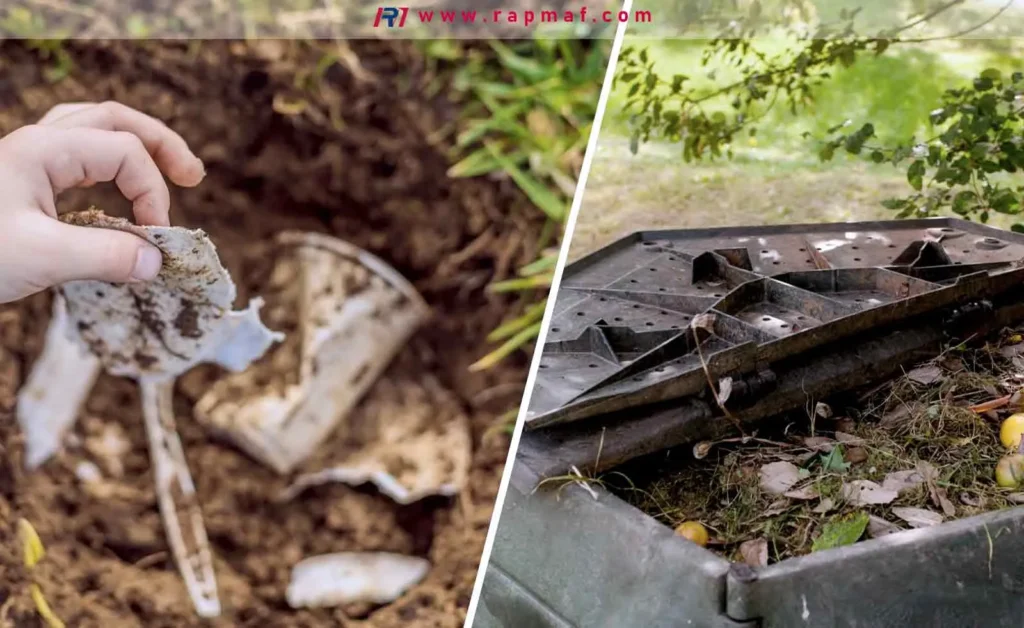
To understand why, we need to be precise with our language.
- Biodegradable: This is a vague term. Technically, wood is biodegradable, but a log can take a century to decompose. In the context of plastics, it simply means the material can be broken down by microorganisms over some unspecified period.
- Compostable: This is a specific, legally-defined standard (like ASTM D6400 in the US). For a plastic to be certified as compostable, it must break down into natural elements in a controlled environment within a specific timeframe (e.g., 90% disintegration within 12 weeks).
Here is the critical fact: PLA is only compostable under industrial composting conditions.
An industrial composting facility provides the specific environment PLA needs to break down:
- Sustained High Heat: Temperatures must be held above 60°C (140°F).
- High Humidity: A controlled moisture level.
- Specific Microbes: The right cocktail of microorganisms to attack the polymer chains.
Without these conditions, a PLA product will persist for a very long time. It will not break down in your backyard compost pile (which rarely gets hot enough), it will not break down in a landfill (which is designed to be cool and oxygen-free), and it will certainly not break down in the ocean.
FAQs
What about microplastics?
If a PLA bottle ends up in the ocean, it behaves just like a petrochemical plastic bottle: it will persist for hundreds of years, slowly breaking down into smaller and smaller fragments due to sunlight and wave action, creating microplastics. Its plant-based origin offers no protection against this environmental outcome. The only way to prevent plastic pollution (from any plastic) is to ensure it is collected and disposed of properly.
Can you recycle PLA?
PLA has the recycling code #7 (“Other”). While it is technically possible to collect, re-melt, and re-mold PLA, it is not widely recycled in practice. This is because the volume is too low to be economical, and it can act as a major contaminant in the much larger PET recycling stream, reducing the quality of the recycled PET.
Is polylactic acid safe for humans? Is it good for skin?
Yes, PLA is considered very safe for humans. Its use in dissolvable medical implants is the strongest evidence of its biocompatibility. When used for food packaging (for cold items), it is perfectly safe.
The question “is it good for skin?” likely comes from confusion with other “acids” used in cosmetics (like hyaluronic acid or glycolic acid). While PLA is made from lactic acid, the polymer itself (Polylactic Acid) is a solid, inert plastic. It is non-irritating and safe for skin contact, but it does not provide any active skincare benefits.
What is PBAT?
PBAT (Polybutylene adipate terephthalate) is another biodegradable and compostable polymer. Unlike the rigid and brittle PLA, PBAT is very flexible and tough. It is often blended with PLA to improve its flexibility and toughness, creating a material suitable for things like compostable bags or flexible films.
Final Verdict
Polylactic Acid is a remarkable material that represents a significant step forward in sustainable polymer chemistry. It offers a viable, plant-based alternative to petrochemical plastics in a range of applications, from 3D printing to food packaging.
However, as engineers, we must be realistic. PLA is not a magic bullet for the plastic waste problem. Its key selling point—compostability—is entirely dependent on access to industrial composting facilities, which are not yet widely available. In the absence of this specific infrastructure, it remains a persistent piece of plastic waste, just like any other.
The future of PLA and other bioplastics relies on building out a circular economy: developing better feedstock, improving material properties (especially heat resistance), and, most importantly, creating robust collection and processing systems to ensure these materials are returned to the soil as intended, not lost to the environment.
References
- NatureWorks, What is Ingeo?. NatureWorks is the world’s largest producer of PLA resin (under the brand name Ingeo™). Their website provides extensive information on the material’s lifecycle. Link to NatureWorks
- Biodegradable Products Institute (BPI). The certifying body for compostable products in North America. Their site explains the standards for compostability. Link to BPI World






