


Clive Chen here. If you read my previous guide on Polyethylene (PE), you know that standard polyolefins are the undisputed workhorses of rigid and semi-rigid plastic manufacturing. But what happens when an engineer needs the chemical resistance of a polyolefin, combined with the flexibility, impact absorption, and weatherability of traditional rubber?
You can’t use standard High-Density Polyethylene (HDPE)—it’s too stiff. You can’t use standard Low-Density Polyethylene (LDPE)—it lacks structural integrity and thermal resistance. And you often can’t use traditional vulcanized rubber because the manufacturing cycle times are too slow, the material is heavy, and it cannot be easily recycled.
Enter Thermoplastic Polyolefin (TPO).
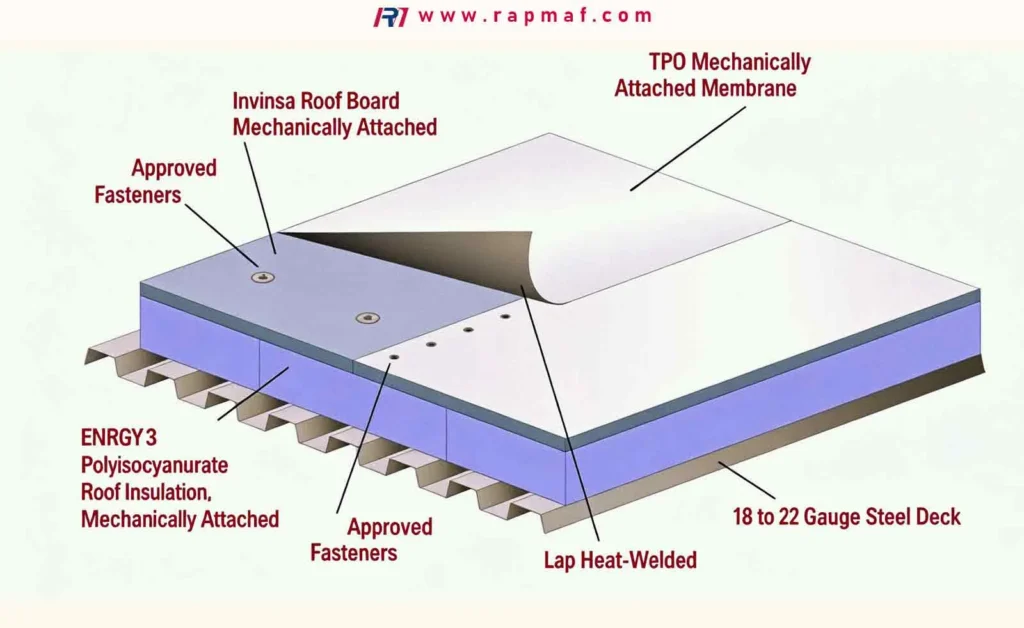
If you are a procurement manager looking at a Bill of Materials (BOM) for automotive exterior parts, commercial roofing membranes, or heavy-duty weather stripping, you will see TPO specified everywhere. Search data shows professionals constantly asking, “What is TPO plastic used for?” and “Is TPO plastic or rubber?
What is Thermoplastic Polyolefin (TPO)?
Before we discuss applications, we must understand the chemistry. (By the way, for those asking about thermoplastic polyolefin pronunciation, it’s simply: ther-mo-plas-tik pol-ee-oh-luh-fin).
Unlike pure polyethylene (PE) or polypropylene (PP), which are single polymers built from a single type of monomer, TPO is not a single chemical entity. TPO is a mechanical blend or a reactor-grade alloy of multiple materials.
Think of TPO as an engineering composite at the molecular level. A standard TPO compound consists of three primary ingredients:
- The Thermoplastic Matrix (Usually Polypropylene – PP): This forms the rigid backbone of the material. The PP gives the TPO its structural integrity, high melting point, and, most importantly, its ability to be melted down and injection-molded rapidly.
- The Elastomeric (Rubber) Phase (Usually EPDM or EPR): Ethylene Propylene Diene Monomer (EPDM) or Ethylene-Propylene Rubber (EPR) is physically dispersed throughout the rigid PP matrix in microscopic domains. This rubber phase acts as a built-in shock absorber, giving the material its flexibility and cold-weather impact resistance.
- The Filler System (Talc, Carbon, Fiberglass, or UV Stabilizers): To fine-tune the material for specific industrial uses, we compound TPO with fillers. Adding 10% to 30% talc (a mineral filler) drastically increases the stiffness and dimensional stability of the TPO, which is critical for automotive bumpers that cannot warp in the summer sun.
The Compounding Process: How TPO is Made
Creating TPO isn’t as simple as tossing plastic and rubber pellets into a hopper and hoping for the best. To achieve the correct dispersion, resin manufacturers use massive twin-screw extruders. The high shear force and intense heat mechanically tear the rubber phase into sub-micron-sized particles and distribute them evenly throughout the melted polypropylene.
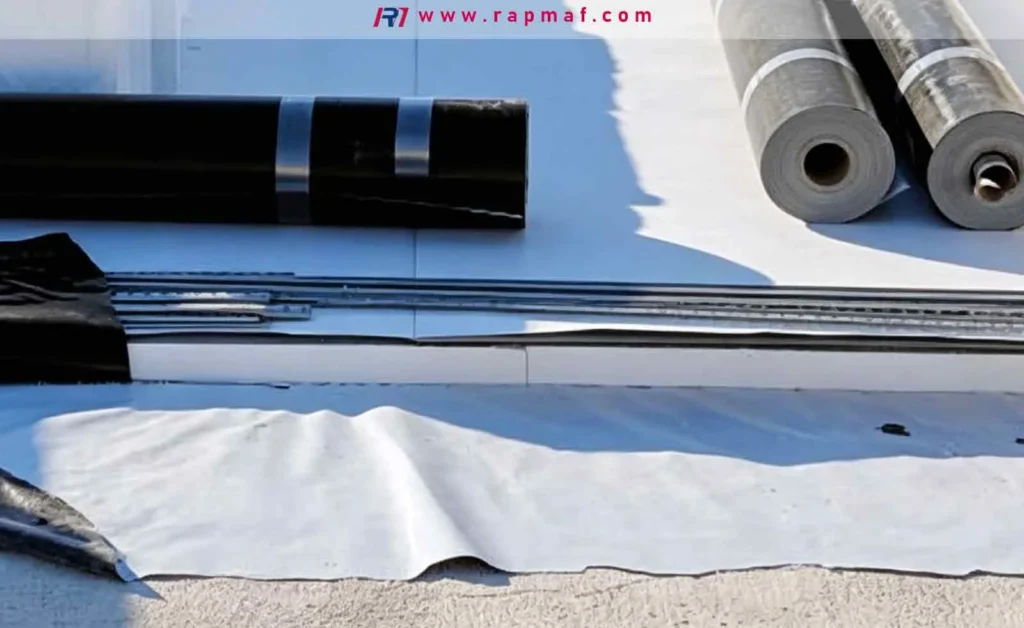
If the compounding is done poorly, the rubber particles will agglomerate (clump together), resulting in a part that suffers from weak spots and catastrophic brittle failure under impact. When procurement buys “cheap TPO resin,” this poor dispersion is usually what they are actually paying for.
Is TPO Plastic or Rubber? (Thermoplastic Olefin vs. Rubber)
I see this question cross my desk constantly: “Is TPO plastic or rubber?” The confusion is completely justified because TPO behaves like rubber at room temperature but processes like plastic on the factory floor.
The definitive engineering answer is: It is a plastic (a thermoplastic) that exhibits elastomeric (rubber-like) properties.
To understand why this distinction is vital for manufacturing, we must look at the difference between Thermoplastic Polyolefins (TPO) and Traditional Thermoset Rubber (like Vulcanized EPDM or Neoprene).
Traditional Thermoset Rubber
When traditional rubber is manufactured, it undergoes a chemical process called vulcanization (usually using sulfur and heat). This creates permanent chemical cross-links between the polymer chains.
- The Result: Once vulcanized, the rubber is set forever. It cannot be melted down and reshaped. If you heat it excessively, it simply burns and degrades.
- Manufacturing Reality: Curing traditional rubber takes time—often minutes per part—which slows down high-volume production.
Thermoplastic Polyolefin (TPO)
TPO does not undergo chemical cross-linking. The rigid plastic domains and the flexible rubber domains are physically tangled, but they remain chemically independent.
- The Result: When heated to its melting point (typically around 160°C to 180°C), the plastic matrix liquefies, allowing the entire material to flow. When it cools, it solidifies back into a rubber-like state.
- Manufacturing Reality: Because it melts, TPO can be injection-molded, extruded, or blow-molded with cycle times measured in seconds, not minutes. Furthermore, scrap TPO (like the runners and sprues from an injection mold) can be ground up, remelted, and reused—making it highly recyclable and cost-efficient.
TPO Material Properties: Why Engineers Spec It
Why has TPO rapidly replaced traditional metals, polyurethanes, and PVC in so many industries? As an engineer, I look at the material property matrix. TPO offers a “Goldilocks” combination of traits that solve very specific environmental and mechanical challenges.
1. Exceptional UV, Ozone, and Weather Resistance
Unlike standard plastics that photo-oxidize, turn yellow, and shatter under UV light, or natural rubbers that crack when exposed to ozone, TPO is inherently highly resistant to weathering. Because its rubber phase (EPDM) contains no double bonds in its main polymer chain, ozone has nothing to attack. This makes TPO the premier choice for outdoor applications, reigning supreme in commercial roofing and automotive exteriors.
2. Low Specific Gravity (Lightweighting)
In the automotive and aerospace sectors, weight is the enemy. TPO has a very low specific gravity (often between 0.89 and 1.10 g/cm³, depending on talc loading). It is significantly lighter than PVC (1.3 to 1.45 g/cm³), Polyurethane, and traditional rubber. Replacing a metal or polyurethane automotive bumper with a TPO bumper sheds critical pounds from the vehicle, improving fuel efficiency and handling.
3. Broad Chemical Resistance
Because TPO is a polyolefin (inheriting traits from Polypropylene and Polyethylene), it is non-polar. It possesses outstanding resistance to water, acids, bases, and aqueous solutions. It will not degrade if exposed to battery acid, road salt, or windshield washer fluid. (Note: Like all polyolefins, it is susceptible to swelling if exposed to non-polar solvents like gasoline, toluene, or chlorinated hydrocarbons over long periods).
4. Cold-Temperature Impact Strength
A standard polypropylene (PP) part will become brittle and shatter if struck in sub-zero temperatures. However, because TPO contains an EPDM rubber phase with a very low Glass Transition Temperature (Tg), a TPO part can absorb massive kinetic impacts at -30°C without fracturing. This is a non-negotiable safety requirement for automotive crash structures.
TPO vs. TPE: Understanding the Elastomer Spectrum
When sourcing flexible plastics, procurement managers frequently ask about “TPO vs. TPE” and “What are the disadvantages of TPE?”
First, let’s clear up the terminology: TPE (Thermoplastic Elastomer) is the broad, overarching family of all melt-processable rubbers. TPO (Thermoplastic Polyolefin) is merely one specific sub-category within the TPE family.
However, in industrial shorthand, when people say “TPE,” they are usually referring to Styrenic Block Copolymers (SBCs like SEBS or SBS) or Thermoplastic Polyurethanes (TPU).
Here is how TPO stacks up against the broader TPE family and traditional rubber:
| Material Property | Thermoplastic Polyolefin (TPO) | General TPE (e.g., Styrenic SEBS) | Traditional Thermoset Rubber (EPDM) |
|---|---|---|---|
| Primary Structure | Physical blend of PP and uncross-linked EPDM | Block copolymer (hard and soft segments built into the same chain) | Chemically cross-linked (vulcanized) polymer chains |
| Stiffness / Rigidity | Semi-rigid to flexible (depends on talc). Feels like a stiff, tough bumper. | Very soft to flexible. Can be engineered to feel like human skin or soft silicone. | Flexible to semi-rigid. Excellent elastic memory. |
| Compression Set (Rebound) | Poor/Fair. If compressed for a long time, TPO will permanently deform and won’t bounce back fully. | Good. Recovers well from compression, but softens at high heat. | Excellent. Bounces back to original shape even after prolonged compression and heat. |
| Manufacturing Speed | Very Fast (Injection Molding) | Very Fast (Injection Molding) | Slow (Vulcanization / Curing) |
| Cost Profile | Low to Moderate | Moderate to High | Low to Moderate (but high labor/processing costs) |
The Disadvantages of TPE (Styrenics) Compared to TPO
If you are designing a product, why choose TPO over a standard, softer TPE?
- Heat Resistance: Standard styrenic TPEs lose their mechanical properties and become gummy at lower temperatures than TPO. TPO, backed by its Polypropylene matrix, can withstand higher under-hood automotive temperatures.
- Chemical Resistance: TPOs generally offer superior resistance to harsh industrial chemicals compared to standard TPEs.
- Cost: TPO is built on Polypropylene and EPDM, which are high-volume, low-cost commodity polymers. Specialized TPEs are often significantly more expensive to synthesize.
Case Study: Automotive Light-Weighting with TPO Resin
To put this material science into a practical context, let’s review a classic Rapmaf consulting project involving TPO material in the automotive sector.
The Engineering Challenge:
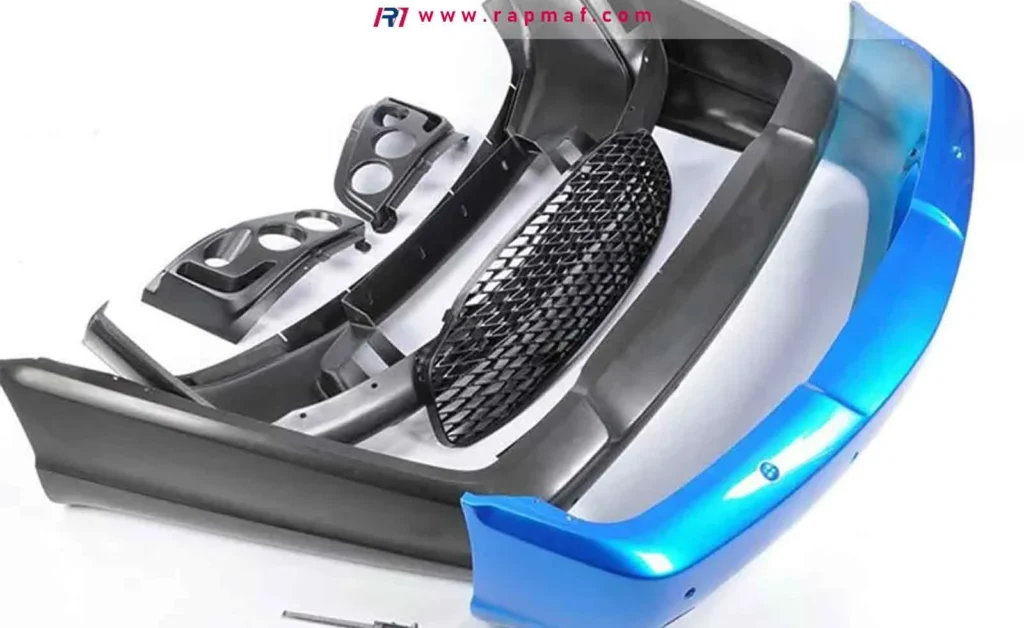
An OEM client was designing an electric commercial delivery van. Their initial BOM specified the front bumper fascia to be manufactured using Reaction Injection Molded (RIM) Polyurethane. While polyurethane is incredibly tough and impact-resistant, the parts were heavy (impacting the EV’s battery range) and the RIM process required long cycle times, creating a bottleneck on their assembly line. Furthermore, polyurethane cannot be easily recycled at the end of the vehicle’s life.
The Solution:
I recommended stripping the Polyurethane from the BOM and replacing it with a High-Flow, 20% Talc-Filled TPO Resin.
- Injection Molding Speed: By switching to TPO, we moved the manufacturing from a slow RIM process to high-speed, large-tonnage injection molding. Cycle times dropped from several minutes to under 60 seconds per bumper.
- Dimensional Stability: The 20% talc filler provided the necessary stiffness to ensure the bumper wouldn’t sag or warp under the hot summer sun, matching the structural integrity of the previous PU design.
- Weight Reduction: The specific gravity of the TPO was notably lower than the Polyurethane, shaving off nearly 8 pounds from the front end of the vehicle. In EV design, every ounce matters.
- Paint Adhesion: TPO does have a notoriously low surface energy (like PE), making it hard to paint. To solve this, we specified an in-line flame treatment process and an Adhesion Promoter (primer) specifically formulated for polyolefins, allowing the TPO bumpers to be painted to match the Class-A finish of the van’s sheet metal.
The Result:
The client achieved a 30% reduction in part cost, increased their production throughput, reduced vehicle weight, and moved to a fully recyclable thermoplastic system. This is the exact reason why over 70% of all modern automotive bumpers and interior dashboards are manufactured using TPO.
Thermoplastic Polyolefin Roofing: The Commercial Standard
When architects and commercial contractors specify a flat-roof membrane, they are usually choosing between three materials: EPDM (thermoset rubber), PVC (polyvinyl chloride), and TPO (thermoplastic polyolefin). Over the last two decades, TPO has aggressively captured the lion’s share of the commercial roofing market.
Why? Because TPO roofing membranes offer a unique combination of energy efficiency, cost-effectiveness, and—crucially—heat-welded seam integrity.
The Anatomy of a TPO Membrane
A standard TPO roofing membrane is not just a single sheet of plastic. It is a highly engineered, co-extruded composite material consisting of three distinct layers:
- The Polymer Base (Bottom Layer): A thick layer of TPO compounded for flexibility and puncture resistance.
- The Reinforcing Scrim (Middle Layer): A heavy-duty polyester woven fabric inserted between the top and bottom layers. This scrim gives the membrane its immense tensile strength and dimensional stability, preventing the plastic from endlessly stretching under mechanical load.
- The Weathering Surface (Top Layer): A specialized TPO formulation heavily loaded with UV stabilizers, antioxidants, and white pigments (typically titanium dioxide) to reflect solar radiation.
The Engineering Advantage: Monolithic Welds
If you ask a roofing engineer why they prefer TPO over traditional EPDM rubber, the answer is always the seams.
EPDM is a thermoset rubber (as we discussed in Part 1). It cannot be melted. Therefore, when joining two massive sheets of EPDM on a roof, contractors must use double-sided seam tape and chemical adhesives. Over 15 to 20 years, these adhesives inevitably break down under UV exposure and standing water, leading to catastrophic leaks.
TPO, being a true thermoplastic, can be melted. Contractors use automated hot-air welders (operating between 800°F and 1100°F) to melt the overlapping seams of the TPO sheets and press them together. As the plastic cools, the two sheets fuse into one continuous, monolithic piece of plastic. The welded seam is physically stronger than the membrane itself.
What Are the Disadvantages of TPO Roofing? An Engineer’s Brutal Truth
Despite its market dominance, TPO is not a miracle material. When facility managers ask me, “What are the disadvantages of TPO roofing?” I point to three specific failure modes that engineers and buyers must account for in their risk assessments.
1. High Heat Load and Thermal Cracking
While TPO reflects UV rays beautifully, it can struggle with extreme, concentrated heat loads. We have seen accelerated degradation when highly reflective windows or HVAC units bounce concentrated solar glare back down onto the TPO membrane. If the membrane sustains temperatures exceeding 160°F for prolonged periods, the polymer chains can begin to degrade, leading to microscopic cracking (crazing) down to the scrim layer.
- The Fix: Specifying a thicker membrane (e.g., 80-mil instead of the standard 45-mil or 60-mil) and ensuring the resin manufacturer uses a high-quality antioxidant package in their formulation.
2. Variable Chemical Formulations (The “Cheap TPO” Problem)
Because TPO is a blend of polypropylene and rubber, the exact recipe is proprietary to the manufacturer. Unlike PVC, which has a very standardized chemical makeup, TPO formulations vary wildly. In the early 2000s, many first-generation TPO roofs failed prematurely because manufacturers skimped on UV stabilizers to cut costs.
- The Reality Check: A cheap TPO membrane will chalk, turn yellow, and crack within a decade. Procurement must only buy from Tier-1 manufacturers who have proven, long-term weathering data for their specific polymer blends.
3. Puncture Resistance vs. PVC
While the polyester scrim gives TPO great tensile strength, its surface is generally softer and slightly less puncture-resistant than high-end PVC membranes. If a roof sees heavy foot traffic from HVAC technicians dropping tools, or if a facility is located in an area prone to massive, jagged hail, TPO is at a higher risk for micro-punctures.
Membrane Comparison Matrix for Procurement
| Feature | TPO (Thermoplastic Polyolefin) | PVC (Polyvinyl Chloride) | EPDM (Thermoset Rubber) |
|---|---|---|---|
| Seam Strength | Excellent (Hot-Air Welded) | Excellent (Hot-Air Welded) | Fair (Taped / Glued) |
| Energy Efficiency | High (Highly Reflective White) | High (Highly Reflective White) | Low (Typically Black, absorbs heat) |
| Chemical Resistance | Good (Vulnerable to some oils/fats) | Excellent (Resists animal fats/restaurant grease) | Fair |
| Flexibility in Cold | Very Good | Good (Relies on plasticizers which can leach over time) | Excellent |
Installation Mechanics: Put TPO Directly Over Plywood?
This is a highly specific, yet incredibly common search query from contractors and DIY facility managers: “Can you put TPO directly over plywood?”
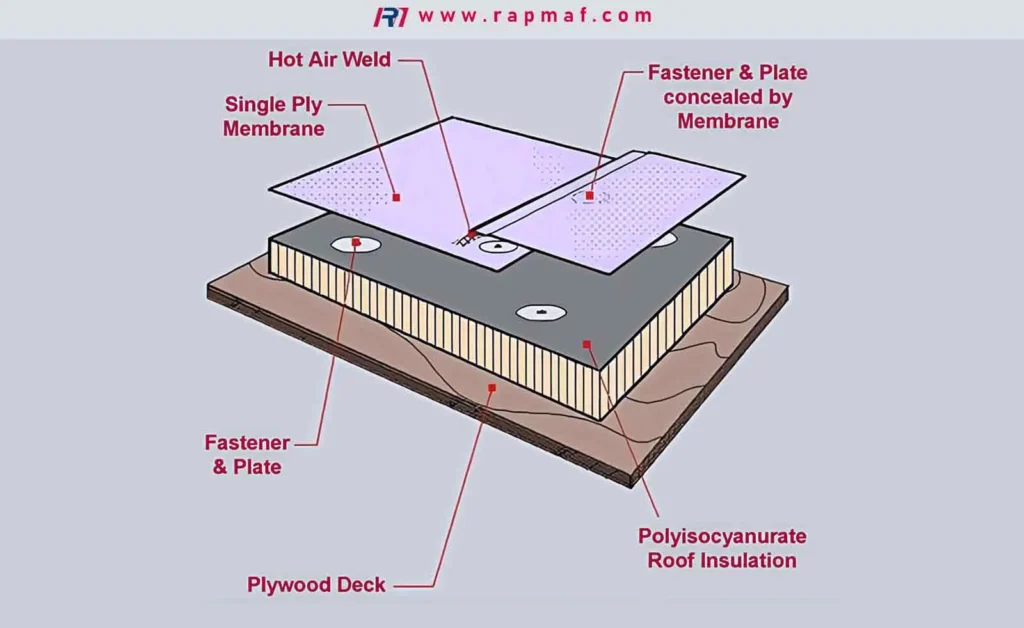
From a purely mechanical standpoint, yes, you can physically unroll TPO over a plywood deck and screw it down. From an engineering and building code standpoint, the answer is an absolute NO. Doing so will almost certainly void the manufacturer’s warranty and lead to premature failure.
Here is the engineering reasoning:
- Abrasion and Friction: Plywood, OSB (Oriented Strand Board), and wood planks are rough and often have splinters or slightly raised edges at the joints. As the building shifts and the TPO membrane thermally expands and contracts across this rough surface, the wood will abrade the underside of the membrane, eventually wearing a hole right through it.
- Chemical Incompatibility: The resins, glues, and naturally occurring saps inside plywood can slowly react with the polyolefin base of the TPO over years of heat cycling, degrading the plastic.
- Thermal Bridging and Fastener Backout: If you screw TPO directly to plywood, moisture from inside the building will condense on the underside of the cold plastic. The wood will rot, and the screws will pull out (fastener backout).
The Correct Engineering Solution:
TPO must be installed over an approved cover board or rigid insulation board (such as Polyisocyanurate, known as Polyiso, or high-density gypsum boards). These boards provide a smooth, chemically inert, and thermally broken substrate that protects the membrane and drastically increases the R-value (insulation) of the building.
Advanced Manufacturing: What is a TPO Photoinitiator?
If you are a procurement manager sourcing materials for 3D printing, advanced coatings, or UV-cured inks, you might have come across the term “TPO photoinitiator” and wondered if it has anything to do with TPO plastic.
This is a critical disambiguation. In this context, TPO does not stand for Thermoplastic Polyolefin.
In the chemical coatings industry, TPO is an acronym for a highly specific chemical compound: Diphenyl(2,4,6-trimethylbenzoyl)phosphine oxide.
How It Works
A photoinitiator is a chemical molecule that reacts to specific wavelengths of light (usually UV light). When exposed to a UV lamp, the TPO photoinitiator molecule cleaves apart and generates highly reactive free radicals. These free radicals instantly attack the monomers and oligomers in a liquid resin, causing them to rapidly polymerize (cross-link) into a solid plastic film.
- Industrial Uses: TPO photoinitiators are heavily used in UV-curable screen printing inks, wood coatings, and SLA (Stereolithography) 3D printing resins. Because the TPO molecule absorbs light beautifully in the longer UV-A and visible blue light spectrum (around 380–400 nm), it is ideal for curing highly pigmented white inks or very thick clear coats where traditional photoinitiators fail to penetrate.
- The Connection to Plastics: While it is a completely different chemical from TPO plastic, TPO photoinitiators are sometimes used in the UV-curable clear coats sprayed onto Thermoplastic Polyolefin automotive parts (like bumpers) to give them scratch resistance and a high-gloss finish.
Disambiguation: What is TPO in Court?
Because I write for professionals who use search engines to verify their RFQs and BOMs, I need to address an anomaly. If you type “what is TPO” into a search bar, one of the top suggested questions is: “What is TPO in court?”
If a buyer or junior engineer sees this, they might think there is pending litigation against the polymer industry or a patent lawsuit.
Let me save you the panic: In the legal system, TPO stands for Temporary Protective Order. It is a civil court order designed to legally prevent one person from contacting or coming near another person, typically used in domestic violence or harassment cases. It has absolutely zero relation to plastics, manufacturing, polymers, or roofing. If you see this in your search results, you can safely ignore it and get back to engineering.
Conclusion: Specifying TPO with Confidence
Thermoplastic Polyolefin is a marvel of modern polymer compounding. By blending the rigid backbone of polypropylene with the elastic domains of EPDM rubber, engineers have created a material that bridges the gap between rigid plastics and thermoset rubbers.
Whether you are molding lightweight, impact-resistant automotive fascias that can survive a -30°C winter crash, or welding a monolithic, highly reflective roofing membrane over a million-square-foot warehouse, TPO offers an unmatched balance of performance, processability, and price.
Clive’s Final Tip for Procurement: Never buy generic TPO. Because it is a blended alloy, the performance is entirely dependent on the quality of the compounding, the dispersion of the rubber phase, and the exact loading of talc or UV stabilizers. Always demand the Material Safety Data Sheet (MSDS) and the Technical Data Sheet (TDS) from the resin supplier, and verify that the Melt Flow Index (MFI) matches your tooling parameters perfectly.
FAQs
Q: Is TPO plastic or rubber?
A: TPO is a thermoplastic. While it contains elastomeric (rubber) domains—giving it rubber-like flexibility and impact resistance—it processes, melts, and recycles exactly like a standard plastic.
Q: Can TPO be painted?
A: Yes, but it is difficult. Because TPO has extremely low surface energy (it is non-polar), paint will not naturally adhere to it. The surface must be treated with a flame, corona discharge, or a specialized polyolefin adhesion promoter (primer) before painting.
Q: How long does a TPO roof actually last?
A: A high-quality, properly welded, and well-maintained commercial TPO roof will typically last 20 to 30 years. Cheaper formulations with poor UV stabilization can fail in under 12 years.
Q: What is the difference between TPO and TPU?
A: TPO (Thermoplastic Polyolefin) is based on polypropylene and rubber, offering excellent weatherability and chemical resistance at a lower cost. TPU (Thermoplastic Polyurethane) is much tougher, highly resistant to abrasion and oils, and is often used for heavy-duty caster wheels or protective phone cases, but it is heavier and significantly more expensive than TPO.
References
To ensure your engineering data is accurate, consult these authoritative resources regarding TPO materials, roofing standards, and photo-polymerization:
1.National Roofing Contractors Association (NRCA): The ultimate authority on commercial roofing standards, providing technical bulletins on TPO membrane installations, heat welding parameters, and cover board requirements.
Link: nrca.net
2.SpecialChem – Omnexus (Polymer Database): A highly detailed technical hub for resin buyers and compounders, offering deep dives into the phase morphology and mechanical properties of Thermoplastic Polyolefins.
Link: omnexus.specialchem.com