



When the majority of procurement officers or junior engineers listen to the word “Zinc,” they frequently visualize two things: a bottle of cold pills, or a cheap coating on a fence.
However, when I walk via a foundry, and I listen to “Zinc,” I visualize the backbone of the modern infrastructure. I think of the sacrificial metal that stops the entire globe from rusting right into dust.
Zinc (Element 30) is not simply a chemical. It is an industrial necessity. It is the material that bridges the gap in between expensive Stainless Steel and cheap Iron. Without it, the automotive sector, the construction sector, and the electronics globe would grind to a stop.
In this manual, I will damage down the metallurgy, the ZAMAK casting standards, and the economic reality of why we utilize this bluish-white metal.
The Industrial Reality: Why We Utilize It (The “Why”)
Before we discuss chemistry, let us discuss money. Why do manufacturers purchase millions of tons of this stuff?
It comes down to one principle: Sacrificial Protection.
The Galvanization Economy
Steel has a fatal flaw. It desires to return to its natural state: Iron Oxide (Rust).
Painting steel acts as a barrier. But if you scratch the paint, the steel rusts underneath. The paint fails.
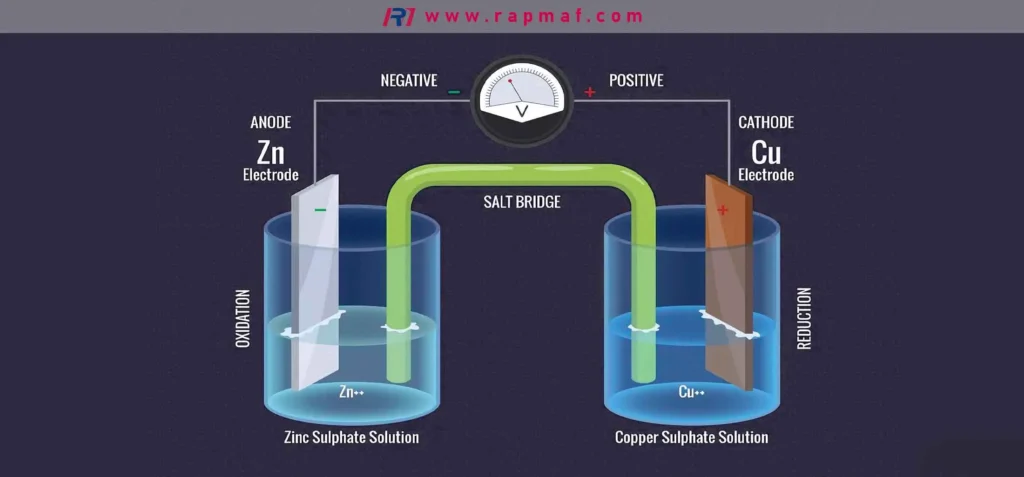
Zinc is different. Zinc is a martyr.
When we coat steel in zinc (Galvanizing), we create a battery.
If you scratch a galvanized beam, the Zinc bordering the scratch will voluntarily give up its electrons. It will corrode instead of the steel. It commits chemical suicide to safeguard the structural integrity of the iron.
Procurement Tip: This is why we utilize Hot Dip Galvanizing (HDG) for highway bridges. It is not for looks. It is due to the fact that it offers a 50-year maintenance-free life cycle.
The Chemical Dish: What Is It Constructed From?
Zinc is a transition metal.
- Symbol: Zn
- Atomic Number: 30
- Density: 7.14 g/cm³
It is not found as a nugget on the ground. We cannot pan for it like Gold.
It is locked inside rocks called Sphalerite (Zinc Sulfide).
The Extraction Procedure
To obtain the pure metal, we must perform a violent chemical procedure:
- Roasting: We cook the ore to turn Sulfide right into Oxide.
- Leaching: We dissolve the oxide in sulfuric acid.
- Electrowinning: We zap the soup with huge amounts of electricity. The pure zinc sticks to aluminum cathodes.
Market Note: This is why Zinc prices correlate with energy prices. It takes a great deal of electricity to produce a single ton.
The Manufacturing Globe: Die Casting (ZAMAK)
If you remain in the manufacturing business, you likely purchase Zinc in the form of Ingots, not powder.
You are likely buying ZAMAK.
What is ZAMAK?
This is the standard dish for zinc die casting.
The name represents the ingredients:
- Z – Zinc (95%+)
- A – Aluminum (4%)
- MA – Magnesium (Trace)
- K – Kupfer (German for Copper)
Why Utilize ZAMAK instead of Aluminum?
I frequently see designers confuse these two. Here is the difference:
- Melting Point: Zinc melts at 420 °C. Aluminum melts at 660 °C.
- Tooling Life: Due to the fact that zinc melts cooler, your steel molds last 10 times longer.
- Precision: Zinc flows like water. It can fill up incredibly thin walls that aluminum would clog.
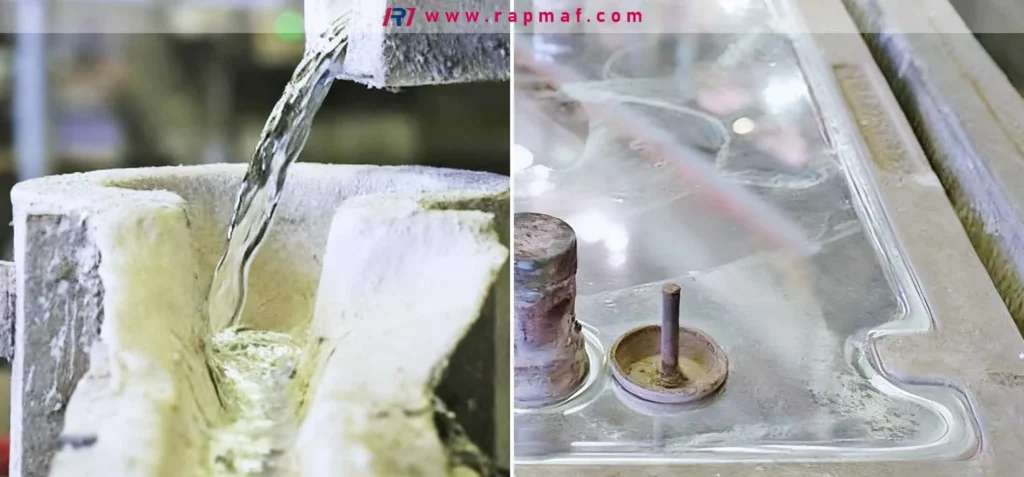
Engineer’s Verdict: If you require to make a million small, complex components (like USB drive housings or zipper pulls), utilize Zinc. If you require a large, lightweight part (like an engine block), utilize Aluminum.
The 4 Types of Zinc Coatings (Know What You Are Buying)
Not all “Zinc Plating” is the same. If you specify the wrong one on your blueprint, your product will fail in the field.
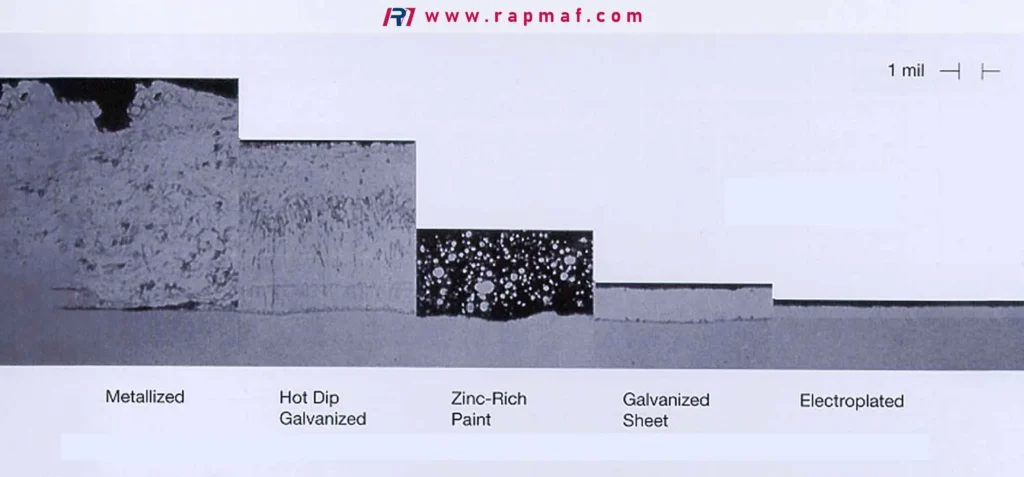
1. Electro-Galvanizing (Bright Zinc)
- The Procedure: Dipping steel in a zinc salt bath and running current.
- The Result: Shiny, pretty, but thin.
- Use Case: Indoor screws, brackets inside computers. It will rust outside in 6 months.
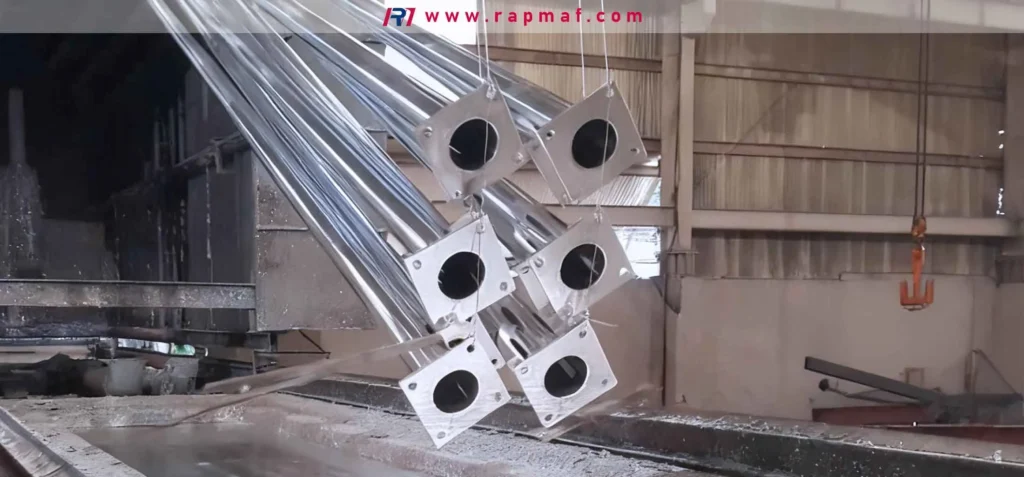
2. Hot Dip Galvanizing (HDG)
- The Procedure: Dunking the steel right into a kettle of molten zinc (840 °F).
- The Result: Thick, gray, rugged coating.
- Use Case: Outdoor fences, guardrails, structural beams. It lasts 50+ years.
3. Mechanical Plating
- The Procedure: Tumbling parts in a barrel with zinc dust and glass beads.
- The Result: A porous coating.
- Use Case: High-strength bolts that might snap if exposed to the acid in electro-plating (Hydrogen Embrittlement).
4. Zinc-Nickel Alloy Plating
- The Procedure: The new standard for automotive.
- The Result: 5x the salt spray protection of regular zinc.
- Use Case: Brake calipers, fuel lines.
Biological Importance: The Human Machine
We cannot ignore the biological side. Just as zinc safeguards the steel bridge, it safeguards the human body.
It is an “Essential Trace Element.”
If you are a facility manager, you might care about this for your workforce. Zinc deficiency leads to:
- Slow wound healing (dangerous in a workshop).
- Poor immune function (more sick days).
The Dietary Sources:
The best source on the globe is Oysters.
However, for most people, Red Meat (Beef) is the primary source.
Vegetarians struggle due to the fact that grains contain Phytates, which block zinc absorption.
Toxicity & Safety: The Workshop Danger
If you employ welders, you must listen to this warning.
Metal Fume Fever (The Zinc Shakes)
This is a real occupational hazard.
When you weld on Galvanized Steel, the zinc boils. It turns right into a white smoke (Zinc Oxide).
If a welder breathes this smoke, they will get “The Shakes.”
- Symptoms: Chills, fever, nausea, muscle aches.
- Onset: 4-8 hours after exposure.
- Duration: Usually passes in 24 hours.
Safety Protocol: Always grind the zinc coating off the weld zone before striking an arc. Provide proper ventilation.
Material Comparisons: Zinc vs. The Rivals
In the B2B globe, you are always comparing materials. Here is the cheat sheet.
Zinc Die Casting vs. Plastic Injection Molding
- Zinc: Stronger. Feels premium (heavy). EMI/RFI Shielding (blocks radio waves).
- Plastic: Cheaper. Lighter. Transparent options. No shielding.
- Verdict: Utilize Zinc for high-end electronics housings or parts that require to take a beating.
Zinc vs. Stainless Steel
- Zinc (Galvanized): Much cheaper. Self-healing if scratched.
- Stainless: Looks better. More expensive. Stronger.
- Verdict: Utilize Stainless for food equipment. Utilize Galvanized Steel for everything else.
Pricing & Supply Chain Variables
Zinc is traded on the LME (London Metal Exchange).
The price is volatile. It depends on:
- Mining Output: Mostly from China, Peru, and Australia.
- Energy Costs: Smelting is electricity-heavy.
- Steel Demand: Since 50% of zinc goes onto steel, if the construction market crashes, zinc crashes.
FAQ: Common Industrial & Consumer Queries
Here are the answers to the specific queries customers ask regarding Zinc.
Is Zinc Magnetic?
The Query: Can I utilize a magnet to sort it?
The Truth: No. Zinc is non-magnetic. If a magnet sticks to a “zinc” part, it is actually steel that has been plated with zinc. This is a fast way to check material in the scrap yard.
Does Zinc Rust?
The Query: Will it turn red?
The Truth: No. Zinc corrodes, but it creates a “White Rust” (Zinc Hydroxide). It looks like a white powder. It does not flake off like red iron rust. It forms a patina that safeguards the metal underneath.
What is “Sherardizing”?
The Query: Is this a type of zinc?
The Truth: Yes. It is a thermal diffusion procedure. It vaporizes zinc right into the surface of the steel. It is utilized for high-precision bolts where the thickness of hot dip galvanizing would ruin the threads.
Is ZAMAK 3 better than ZAMAK 5?
The Query: Which alloy should I specify?
The Truth:
- Zamak 3: The industry standard. Best dimensional stability.
- Zamak 5: Has more copper. Slightly stronger and harder, but less ductile (easier to break if bent).
- Advice: Start with Zamak 3. Only switch to 5 if you truly require the extra hardness.
Final Verdict
So, what is Zinc?
It is the unsung hero of the industrial globe.
It is not the strongest metal. It is not the most conductive.
But it is the most sacrificial.
- For the Builder: It is the insurance policy against rust.
- For the Manufacturer: It is the high-speed, precision casting material.
- For the Human: It is the immune booster.
If you are specifying materials for a harsh environment, do not simply ask for “Steel.” Ask for “Hot Dip Galvanized Steel.” You are not just buying iron; you are purchasing the chemical protection of Zinc.
Deep Dive & Authority Links
If you require to check the raw spec sheets, here are the sources I utilize:
- International Zinc Association: Zinc Markets & Tech
- Global data on mining and sustainability.
- American Galvanizers Association: Specifiers Guide
- The bible for HDG standards (ASTM A123).
- North American Die Casting Association: Alloy Data
- Technical sheets for ZAMAK 3 and 5.
- MatWeb: Material Property Data
- Compare the tensile strength of Zinc vs. Aluminum.






