



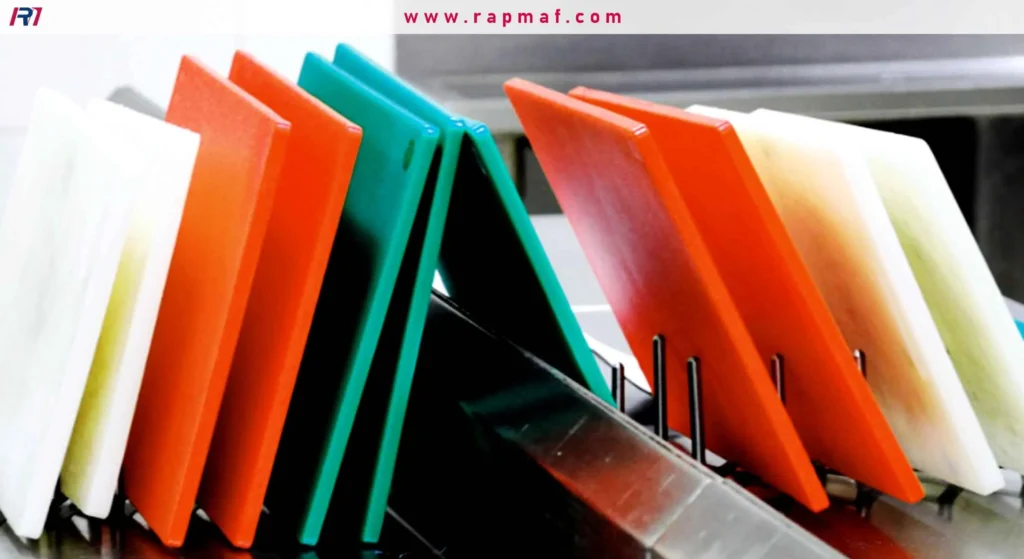
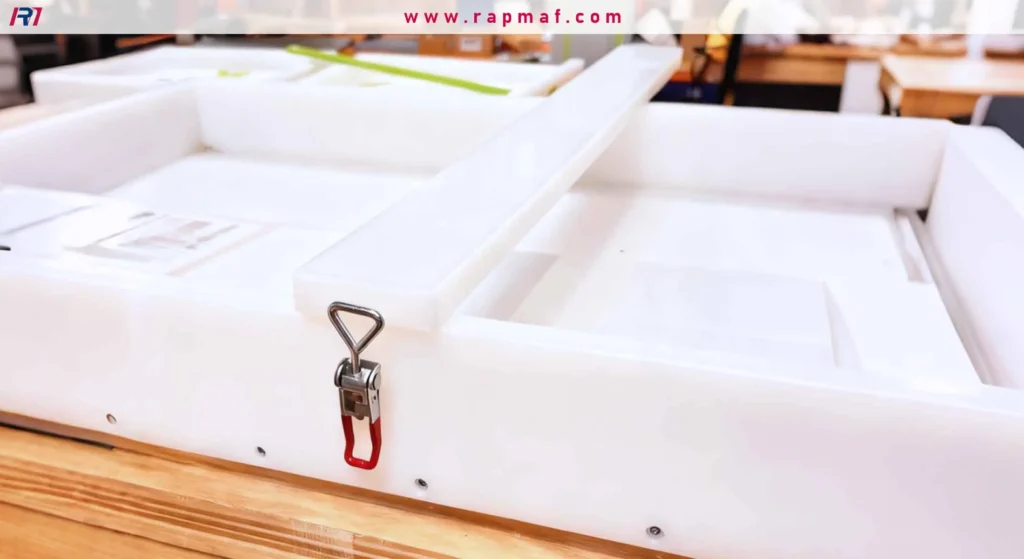
If you walk into any food processing plant in California, look at the cutting boards. They are white, scratched up, and virtually indestructible. That is HDPE (High-Density Polyethylene).
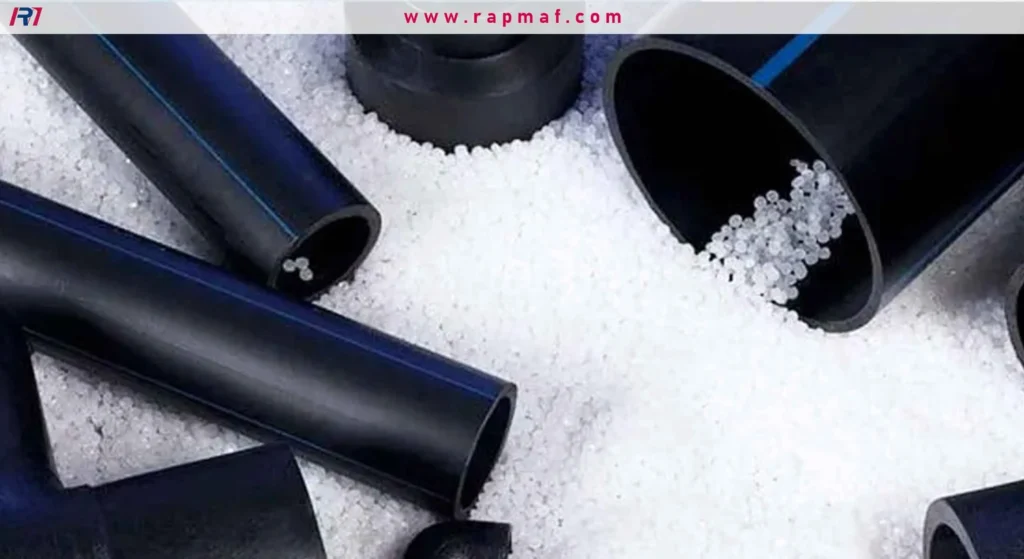
If you look at the piping under a chemical tank. That is also HDPE.
At RapidManufacturing, we love HDPE for its toughness and chemical resistance. But my machinists hate it. Why?
Because HDPE is slippery, it squirms under the cutter, and if you try to glue two pieces together, it will laugh at you.
This guide is for the engineers who are specifying HDPE on their prints. I want to tell you the things the datasheets won’t tell you—the real-world behavior of this material on the shop floor.
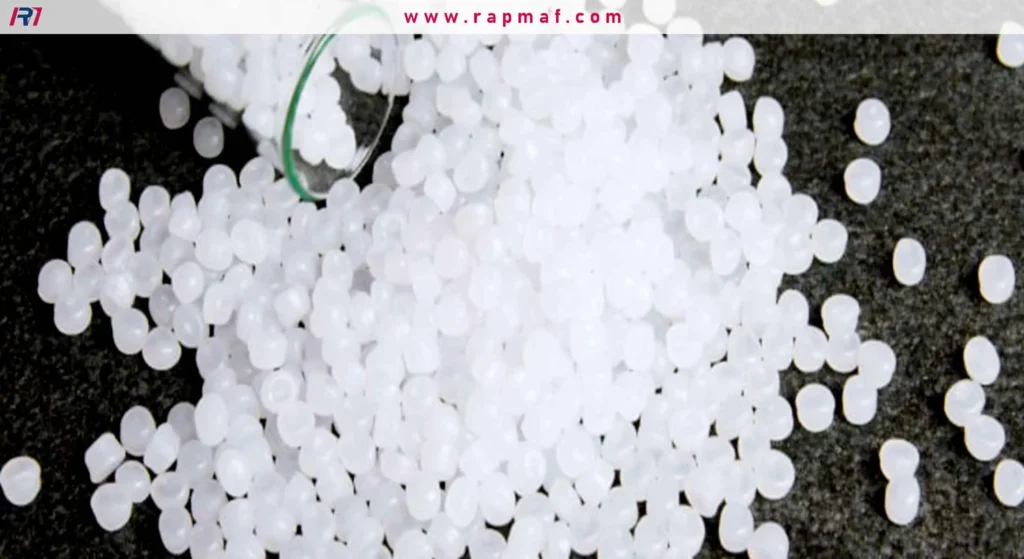
The “Non-Stick” Problem (Why Glue Fails)
The biggest mistake I see junior engineers make is designing a multi-part HDPE assembly that needs to be glued.
Here is the hard truth: You cannot glue HDPE.
HDPE has a “low surface energy” (like Teflon).
- Epoxy? Peels off like dried skin.
- Super Glue (Cyanoacrylate)? Snaps immediately.
- Solvent Welding? Nope. HDPE is chemically resistant to solvents.
Clive’s Advice: If you need to join HDPE, you have two options:
- Mechanical Fasteners: Use stainless steel screws. (Self-tapping screws work great in HDPE because it is ductile).
- Plastic Welding: You literally have to melt it together using an HDPE rod and a heat gun. It’s ugly, but it works.
Machining: The Battle Against “Fuzz”
Machining HDPE is weird. It cuts like butter, but it creates burrs like crazy.
Because the material is so soft and ductile, the end mill tends to “push” the material rather than shearing it cleanly. This leaves fuzzy edges that are a nightmare to deburr by hand.
Our Shop Secret:
- We use extremely sharp, polished carbide tools meant for Aluminum.
- We run high RPM but lower feed rates to slice the plastic cleanly.
- We never sand HDPE. Sanding just makes it look hairy. We scrape it with a razor blade.
If your part needs a polished, glass-like finish, do not pick HDPE. Pick Acrylic or Polycarbonate. HDPE will always have a waxy, matte finish.
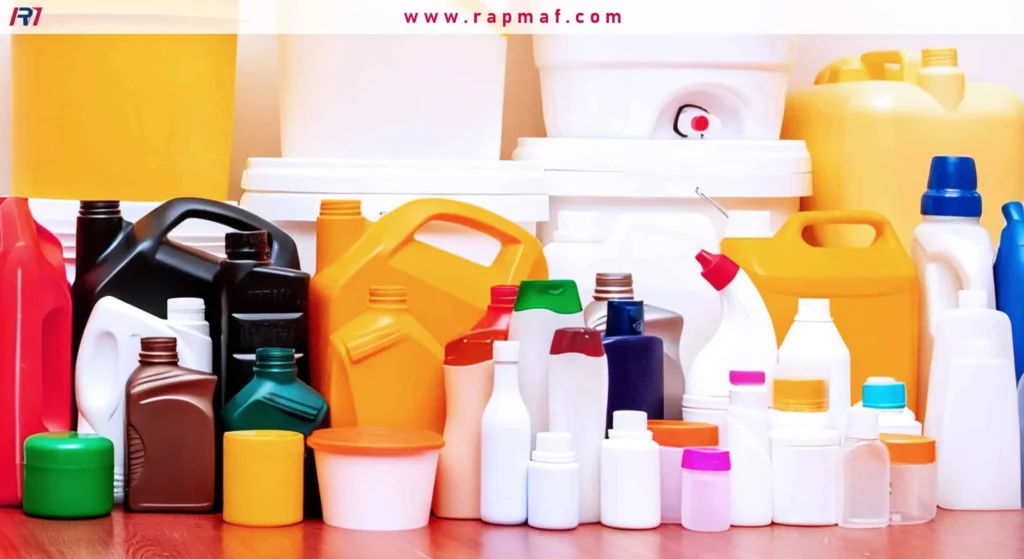
Stability: The “Potato Chip” Effect
HDPE has a high coefficient of thermal expansion.
If you machine a large flat plate of HDPE (say, 12″ x 12″) and you remove a lot of material from one side, it will bow.
It releases internal stress, and suddenly your flat plate looks like a potato chip.
Clive’s Rule of Thumb:
- Tolerance for Metals: +/- 0.005″
- Tolerance for Acetal (Delrin): +/- 0.005″
- Tolerance for HDPE: +/- 0.010″ (at best)
If you put +/- 0.001" on an HDPE print, I will call you and ask if we can switch to Delrin. HDPE moves too much with temperature changes to hold tight precision.
When Should You Use HDPE? (The Wins)
So, why do we use it? Because for the right application, it is unbeatable.
A. Chemical Tanks & Liners
HDPE is immune to almost everything. Acids, bleach, caustic soda—HDPE doesn’t care. We machine a lot of manifolds and valve bodies for the chemical industry out of black HDPE.
B. Wear Strips & Conveyors
Because it is naturally slippery (low coefficient of friction), it is perfect for chain guides and conveyor rails. It doesn’t need lubrication.
C. Impact Parts
If you hit Acrylic with a hammer, it shatters.
If you hit HDPE with a hammer, it bounces.
It is incredibly tough.
HDPE vs. The Others (Cheat Sheet)
| Feature | HDPE | Delrin (Acetal) | Nylon | UHMW |
|---|---|---|---|---|
| Cost | 💲 (Cheapest) | 💲💲 | 💲💲 | 💲💲 |
| Machinability | Good (but burrs) | ⭐ Excellent | Good | Difficult (Slippery) |
| Stiffness | Flexible | Stiff | Stiff | Flexible |
| Moisture Absorption | ~0% (Waterproof) | Low | High (Swells) | ~0% |
| Slippery? | Yes | Yes | No | ⭐ Super Slippery |
Clive’s Take:
- Need cheap & chemically resistant? HDPE.
- Need precision & strength? Delrin.
- Need extreme abrasion resistance? UHMW.
Frequently Asked Questions (FAQs)
Q: Can you laser cut HDPE?
A: No. It melts into a gooey mess and catches fire. We CNC route or waterjet cut HDPE. Do not laser cut it.
Q: Is HDPE food safe?
A: Generally, yes. FDA-compliant grades are the standard for cutting boards (Sanalite®). But always specify “FDA Grade” on your print so we buy the certified material.
Q: Can you paint HDPE?
A: See section 1 about gluing. Paint will not stick. You have to flame-treat the surface just to get ink to stick, and even then, it’s not durable. HDPE parts should remain their natural color (White or Black).
Summary: The “Working Class” Plastic
HDPE is not a “glamour” plastic. It’s not clear, it’s not shiny, and it’s not rigid.
But it is the workhorse of the industry. It is cheap, tough, and chemically invincible.
If you can live with looser tolerances (+/- 0.010″) and you design for mechanical fastening instead of glue, it is the most cost-effective material for wear parts and chemical handling.
Got a plastic part design? Send us the STEP file. We will tell you if HDPE is the right choice, or if you should upgrade to Delrin.
References
- MakeItFrom.com: High Density Polyethylene (HDPE) Material Properties. View Data.
- Permabond Engineering Adhesives: How To Bond Polyethylene (HDPE). View Guide.







19 Responses