


HDPE (high-density polyethylene) is one of those materials that shows up everywhere—cutting boards, bottles, chemical tanks, pipe, liners, and plenty of machined plastic parts. So the question “Is HDPE plastic good or bad?” is fair… but it’s also a little like asking “Is steel good or bad?” It depends on how you use it, what you expose it to, and what you expect it to do.
From a manufacturing engineer’s point of view (the person who gets blamed when a part warps, cracks, or smells weird after assembly), HDPE is generally a very practical, low-risk plastic when specified correctly. It’s also not magic: it has real downsides—especially around stiffness, creep, temperature, and bonding.
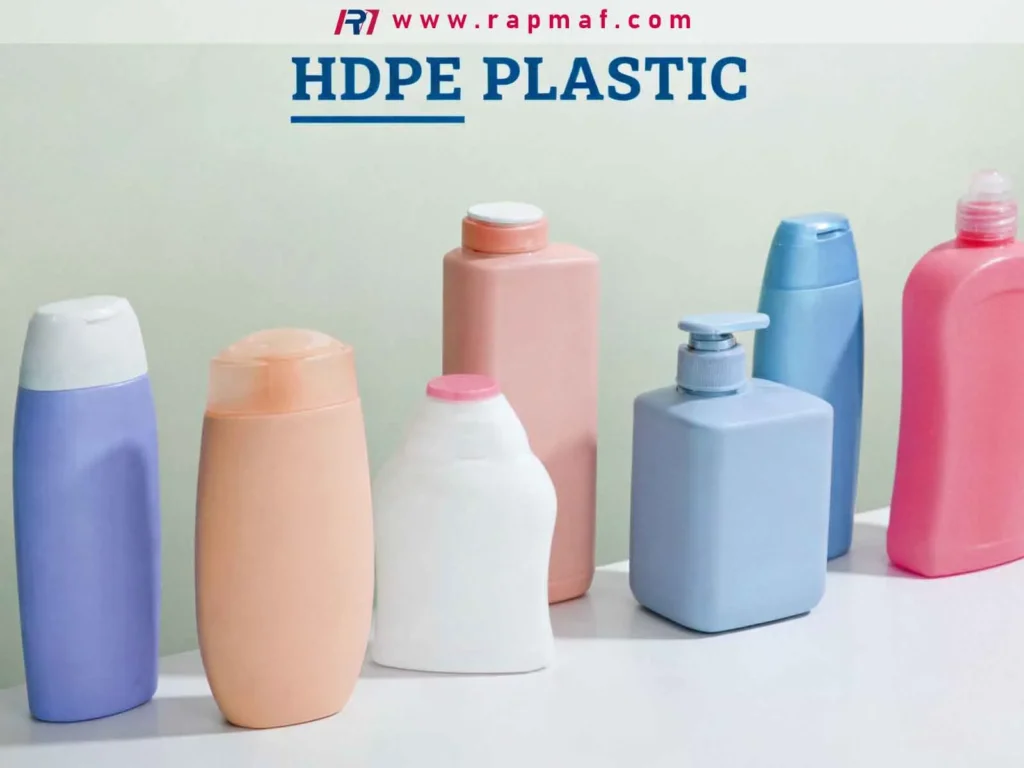
This guide is written for procurement and engineers placing orders (prototype to production), and it’s meant to answer the same questions I hear on calls and in RFQs every week:
- disadvantages of HDPE
- is HDPE toxic when heated
- is HDPE BPA free
- is HDPE safe for drinking water / food safe
- does HDPE shed microplastics
- does HDPE contain PFAS
- HDPE advantages and disadvantages
- what is HDPE good for
Quick answer
✅ HDPE is “good” when you need:
- chemical resistance (many acids/bases, salts)
- impact resistance and toughness
- low moisture absorption
- low cost and easy availability
- food-contact/drinking-water compliant grades (when certified)
⚠️ HDPE is “bad” (or at least not ideal) when you need:
- high stiffness (it’s relatively flexible)
- tight dimensional stability under load (creep is real)
- high temperature performance
- strong adhesive bonding (it’s hard to glue)
- very tight tolerances without smart design and machining strategy
If your part is a wear strip, guide, liner, chemical splash guard, or low-load fixture, HDPE is often a great choice. If it’s a precision structural bracket that must hold position under load for years, you may want to consider POM (acetal), PA (nylon), UHMW-PE, or PEEK depending on environment and budget.
What is HDPE plastic?
HDPE stands for High-Density Polyethylene. It’s a polyethylene with a relatively linear molecular structure and higher crystallinity than LDPE, which generally gives it:
- higher density
- better stiffness than LDPE
- good chemical resistance
- good impact resistance
You’ll often see HDPE identified as resin identification code #2.
Safety questions buyers ask
Is HDPE harmful to humans?
Most of the time, HDPE is treated as one of the “safer, boring” plastics—meaning it’s widely used because it usually doesn’t create drama in normal service.
But here’s the honest part: whether it’s “harmful” depends on:
- the base polymer (HDPE itself is generally pretty inert)
- the additives (colorants, UV stabilizers, processing aids vary by grade)
- how you use it (heat, UV, abrasion, and what it touches all matter)
Procurement takeaway:
If this is for food contact, drinking water, medical, or any sensitive environment, don’t rely on vibes. Buy a grade with clear compliance paperwork and keep it in your job folder.
Is HDPE BPA free?
In normal material selection, HDPE is considered BPA-free. BPA is mainly tied to polycarbonate and some epoxy systems, not HDPE.
Procurement takeaway:
If your customer asks for proof, request a supplier statement for the specific grade you’re buying.
Does HDPE contain PFAS?
HDPE isn’t a fluoropolymer, so it’s not “a PFAS plastic” by default. That said, PFAS requirements can get complicated fast because they’re often about supply chain and definitions, not just the polymer name.
Procurement takeaway:
If PFAS is a contract requirement, write it into the PO/spec and request documentation that matches your region’s rules.
Is HDPE safe for drinking water?
HDPE is commonly used in water systems, but “safe” in purchasing terms means: this exact grade + this exact standard.
Procurement takeaway:
If the part touches potable water, specify the standard you need and ask for the paperwork. A random “HDPE sheet” is not automatically a “potable water certified” material.
Is HDPE food safe?
Many HDPE grades are used for food contact. The key is buying the right grade and keeping traceability.
If you’re machining HDPE for food contact, also think about:
- surface finish (cleanability)
- avoiding crevices
- cleaning/handling after machining
Is HDPE toxic when heated?
If you heat HDPE enough, it softens and melts. If you really overheat it (think uncontrolled heating), it can smoke and smell nasty—like most plastics do when abused.
Practical guidance:
- Don’t put HDPE in a job where it has to stay stiff near high heat.
- In cutting/routing, manage heat so you don’t melt edges or create fumes.
- Use ventilation in manufacturing settings.
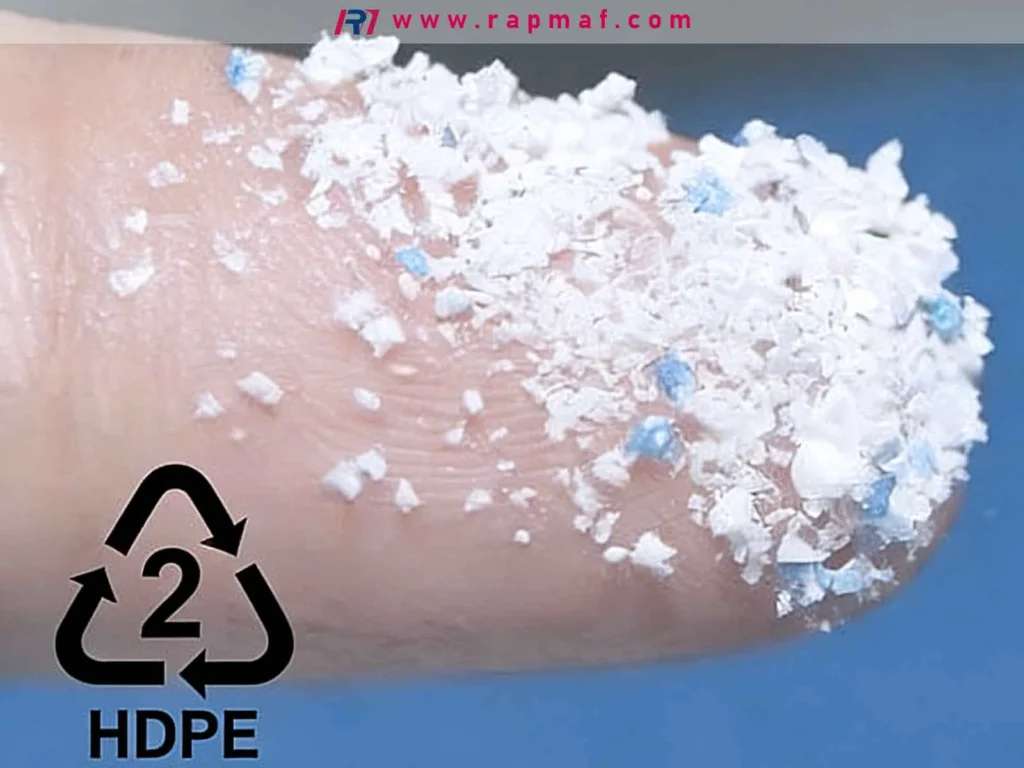
Microplastics: does HDPE shed microplastics?
People often say “leach,” but in real life it’s usually wear.
- If HDPE is scraped, sanded, or used as a sliding wear surface, it can shed tiny particles.
- UV exposure can make surfaces more brittle over time, which can make wear worse.
What you can do (simple and effective):
- reduce abrasion (lower contact pressure, smoother counterface)
- consider UHMW-PE if wear is the main issue
- specify UV-stabilized grades for outdoor use
- design parts so the “wear piece” is replaceable
Advantages and disadvantages of HDPE
✅ Advantages of HDPE
1) Chemical resistance (why it’s a go-to)
HDPE handles a lot of everyday industrial chemicals well—especially water-based stuff.
What this means for you: fewer corrosion surprises than metals, and fewer compatibility issues than some engineering plastics.
2) Toughness and impact resistance
HDPE takes knocks without cracking easily. For guards, covers, and handling fixtures, that’s valuable.
3) Low moisture absorption
Compared with nylon, HDPE doesn’t soak up much water, so it’s often more stable in wet environments.
4) Machinable and cost-effective
HDPE machines well with the right tooling, and it’s usually budget-friendly.
Reality check: It’s “easy” to machine, but it’s also easy to warp if you clamp it like a steel block or remove material unevenly.
5) Good electrical insulation
Useful for fixtures, spacers, and insulating components.
⚠️ Disadvantages of HDPE
1) Low stiffness (it flexes)
HDPE is not a rigid structural plastic.
If your part must not deflect:
- increase thickness
- add ribs
- shorten spans
- consider switching material
2) Creep (slow deformation under load)
Creep is the big one. If you bolt HDPE and keep it under constant stress, it can slowly deform—especially with heat.
Common failure story:
A customer uses HDPE as a clamping block. It works at first, then clamp force drops because the plastic creeps, and the assembly loosens.
Design fixes:
- use larger bearing areas (washers, flanges)
- reduce sustained stress
- use metal inserts or bushings
- consider POM/PEEK if load retention is critical
3) Poor adhesive bonding (hard to glue)
HDPE is hard to bond with typical adhesives.
If you need bonding:
- use mechanical fastening, welding, or design interlocks
- if adhesive is mandatory, plan surface treatment and validation testing
4) Thermal expansion and temperature limits
HDPE expands more than metals. If you’re mating HDPE to aluminum or steel with tight fits, temperature swings can cause interference or stress.
5) UV resistance (depends on grade)
Standard HDPE can degrade outdoors. UV-stabilized grades (often black) hold up better.
Table 1 — HDPE at a glance (what it’s great at vs where it struggles)
| Topic | HDPE is usually strong here | HDPE is usually weak here | What buyers should do |
|---|---|---|---|
| Chemicals | Many water-based chemicals | Some solvents/oxidizers vary by grade | Confirm chemical + temp with supplier data |
| Impact | Tough, not brittle | Can gouge/scratch | Consider surface protection if cosmetic |
| Stiffness | Better than LDPE | Still flexible vs POM/PEEK | Add ribs/thickness or change material |
| Long-term load | OK for low stress | Creep under sustained load | Use inserts, larger bearing areas |
| Temperature | Fine at moderate temps | Softens as temp rises | Specify operating temp range |
| Outdoor use | Works with UV-stabilized grades | Standard grades can degrade | Specify UV-stabilized grade/color |
| Bonding | Weld/mechanical works | Adhesives often struggle | Design for fasteners/interlocks |
What is HDPE good for?
1) Chemical splash guards and covers
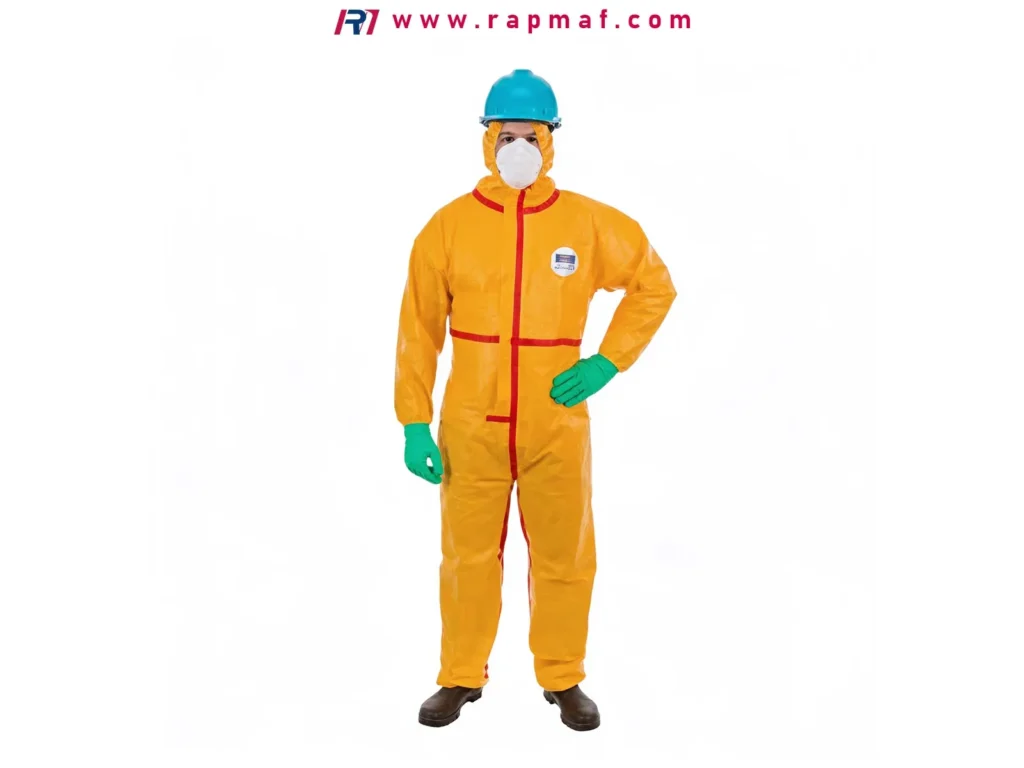
Good choice when you need a tough, chemical-resistant barrier.
2) Wear strips and guides (moderate duty)
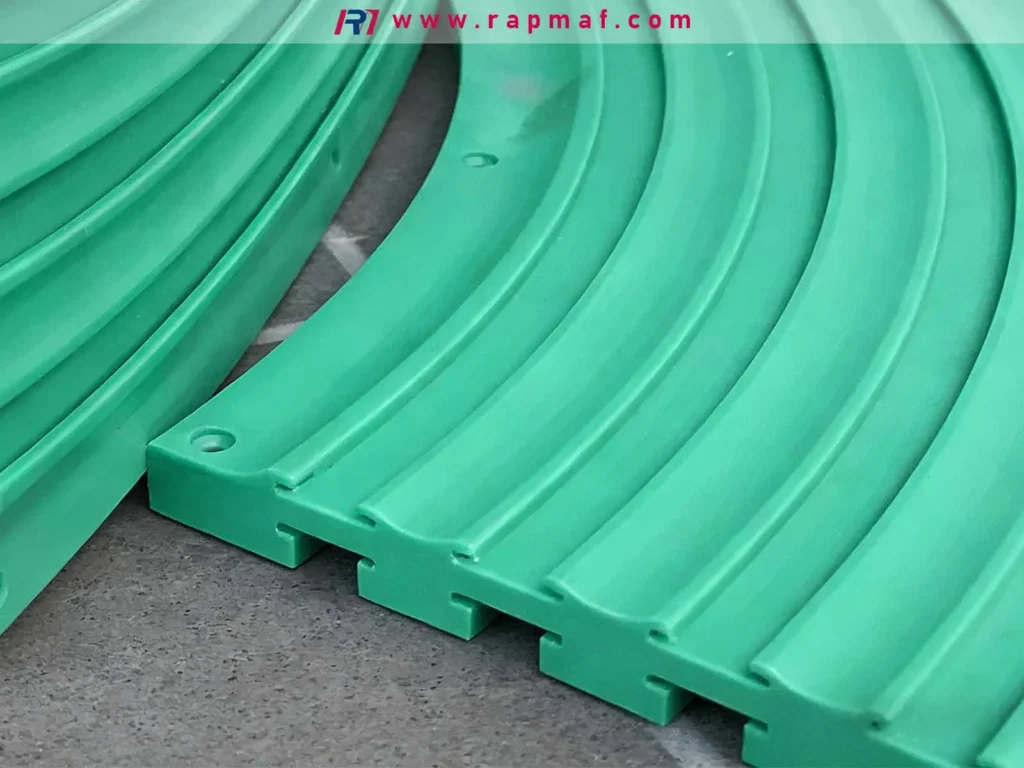
HDPE can work, but if wear is the main driver, UHMW-PE is often the first upgrade.
3) Fixtures, nests, and soft jaws (low to moderate load)
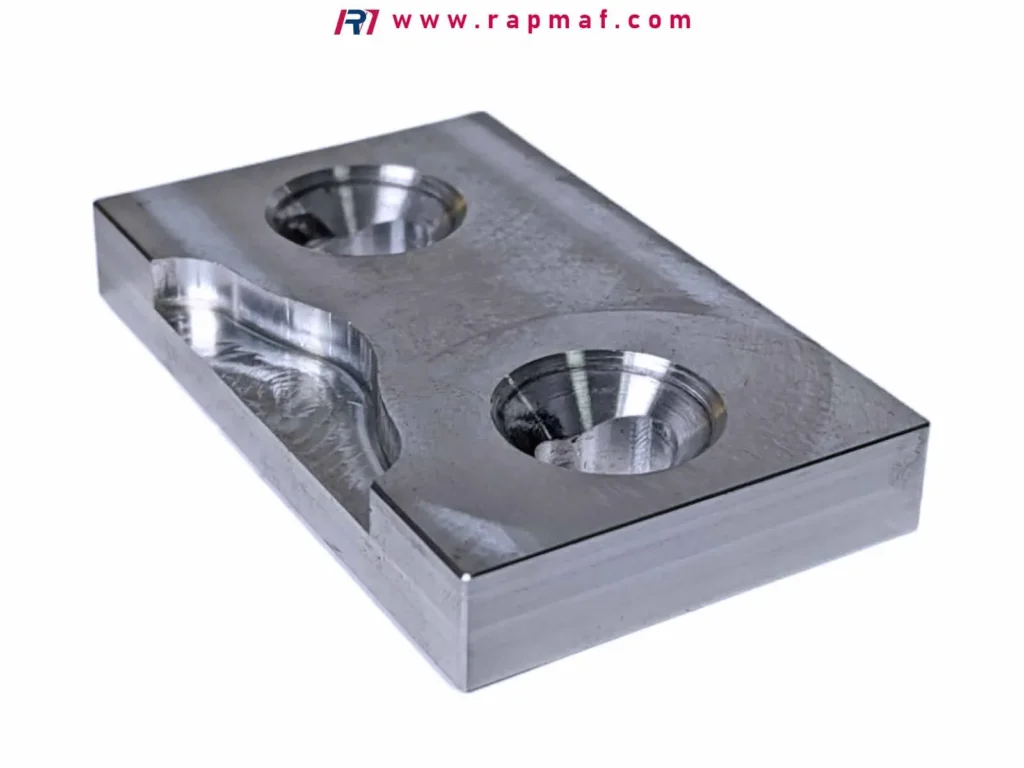
HDPE is forgiving and won’t mar parts easily. For higher precision and stiffness, POM is often preferred.
4) Tanks, liners, and fluid handling components
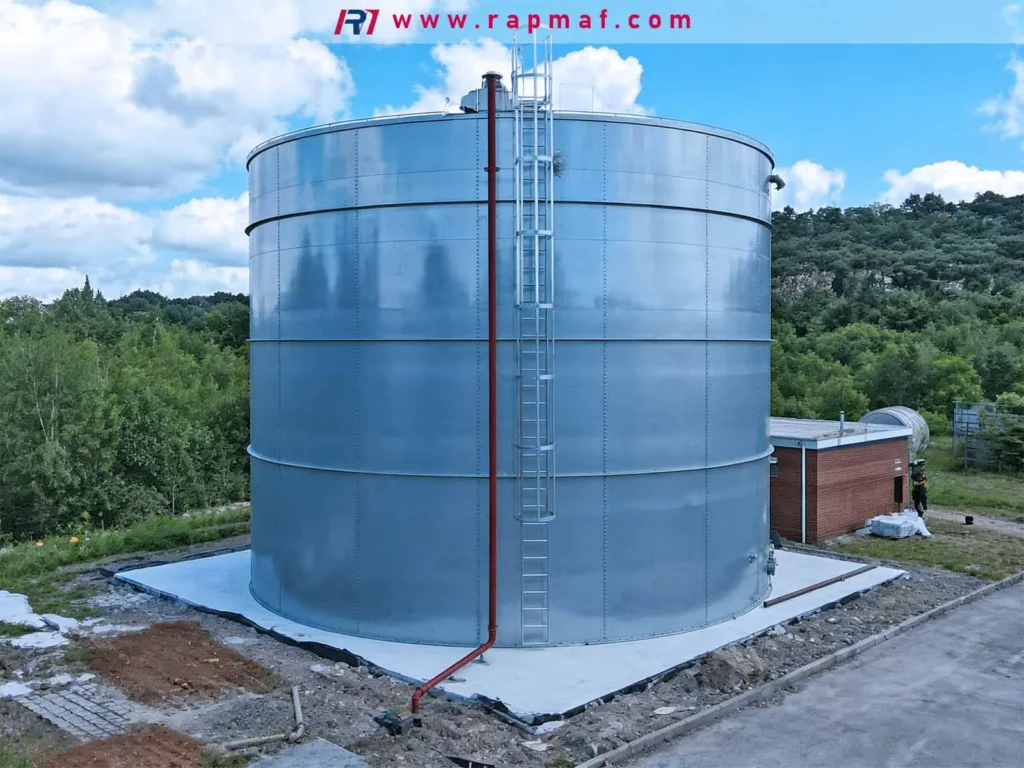
Common in fluid systems. For potable water or food contact, specify compliant grades and documentation.
5) Outdoor parts (with UV-stabilized grade)
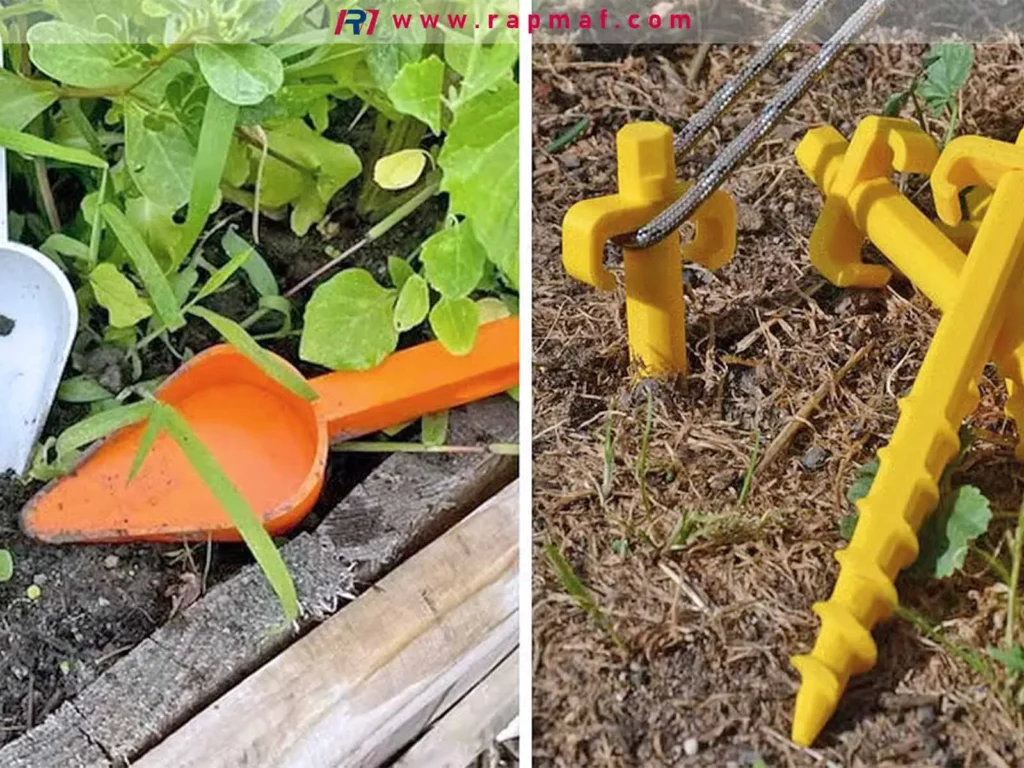
If it’s outdoors, call out UV stabilization and color requirements.
Table 2 — Quick material comparison (so you don’t over- or under-spec)
| If you care most about… | HDPE | POM (Acetal) | UHMW-PE | PEEK |
|---|---|---|---|---|
| Cost | ✅ Low | ◻︎ Medium | ◻︎ Medium | ❌ High |
| Stiffness / “holds shape” | ◻︎ Low–Med | ✅ Good | ◻︎ Low | ✅ Excellent |
| Wear / sliding | ◻︎ OK | ✅ Good | ✅ Excellent | ✅ Excellent |
| Creep resistance | ◻︎ Limited | ✅ Better | ◻︎ Limited | ✅ Excellent |
| Chemical resistance | ✅ Good (many) | ◻︎ Good (varies) | ✅ Good | ✅ Very good |
| Temperature capability | ◻︎ Limited | ◻︎ Better | ◻︎ Limited | ✅ High |
| Machining for tight tolerances | ◻︎ Possible but tricky | ✅ Easier | ◻︎ Tricky (stringy) | ✅ Good (costly) |
Notes: performance depends heavily on grade, temperature, and load. Use this as a first filter, not a final spec.
Machining HDPE: what to expect (and how to avoid warped parts)
Why HDPE warps during machining
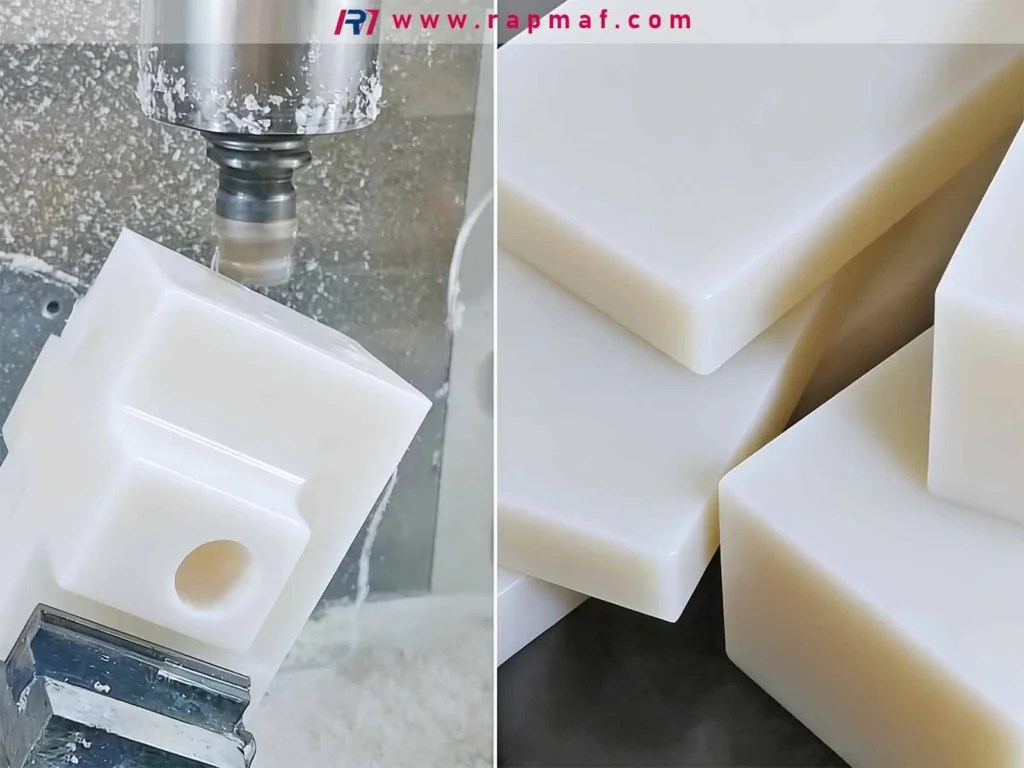
- It’s soft and can move under clamping force.
- It expands with heat; cutting heat can distort it.
- Removing material from one side can release internal stress.
Practical machining tips (buyer-friendly)
- Use sharp tools and avoid rubbing (rubbing = heat).
- Support the part; don’t clamp it like a steel billet.
- For thin parts, leave extra stock and finish with a light final pass.
- If flatness is critical, define how it will be inspected (and at what temperature).
Tolerances: what “±0.01 mm” really means on HDPE
CNC machines can hit tight numbers, but plastics can move due to:
- temperature
- stress relaxation after machining
- measurement method (probe pressure can deflect plastic)
Procurement advice that saves money:
Don’t blanket-tolerance everything. Tighten only the functional dimensions, and loosen the rest. You’ll get better yield and fewer delays.
How to specify HDPE on a drawing / RFQ
✅ Material callout
- “HDPE (High-Density Polyethylene), color: natural/black”
- If compliance matters: “HDPE, food-contact compliant (documentation required)” or “HDPE for potable water contact (documentation required)”
✅ Form and grade (if known)
- “HDPE sheet” or “HDPE rod”
- If you have a preferred grade/brand, list it. If not, ask for a proposed grade with documentation.
✅ Quantity and lead time
- Prototype / small batch / production quantities
- Target delivery window (for many jobs, 3–7 days is realistic depending on complexity and material availability)
✅ Critical requi#rements
- critical dimensions and tolerances
- flatness/parallelism if needed
- surface finish expectations
✅ Documentation / inspection
Common items to request:
- Material cert/report (from supplier)
- CoC (certificate of conformance)
- FAI (first article inspection)
- SPC (when required)
- dimensional inspection report (define sampling plan if you have one)
FAQs
Is HDPE plastic good or bad?
It’s good for chemical resistance, toughness, and cost-effective parts. It’s not great when you need stiffness, long-term load retention, tight stability, or high temperature performance.
What is the downside of HDPE?
Low stiffness, creep under sustained load, thermal expansion, UV sensitivity (unless stabilized), and difficulty bonding with adhesives.
Is HDPE harmful to humans?
Most uses treat HDPE as a low-risk plastic. For food/drinking water/regulated uses, buy a compliant grade and keep documentation.
Is HDPE toxic when heated?
At normal service temperatures it’s typically fine, but overheating can create unpleasant fumes. Don’t use it where it must stay stiff near high heat.
Is HDPE BPA free?
Generally yes. If you need proof for compliance, request a supplier statement for the grade.
Is HDPE safe for drinking water?
Often yes—when you buy the right grade with the right documentation for potable water contact.
Is HDPE food safe?
Often yes—when you specify food-contact compliant grades and keep traceability.
Does HDPE shed microplastics?
It can shed particles when it’s abraded or used as a wear surface. Design to reduce wear, and consider UHMW-PE for heavy sliding wear.
Does HDPE contain PFAS?
HDPE isn’t a PFAS-based polymer by default. If PFAS is a requirement, specify it and request documentation.
References
1.NSF — NSF/ANSI 61 (Drinking Water System Components) overview
https://www.nsf.org/knowledge-library/nsf-ansi-61-drinking-water-system-components-health-effect
2.CDC/NIOSH — Workplace exposure control guidance (general ventilation/PPE context)
https://www.cdc.gov/niosh/
Procurement takeaway
HDPE is a solid choice when you want tough, chemical-resistant, cost-effective plastic parts. It becomes a poor choice when your design depends on stiffness, long-term load retention, tight stability, or high temperature.
If you share your part function, operating temperature, chemical exposure, and whether it’s food/drinking-water contact, I’ll translate that into a clean material + drawing note package that reduces back-and-forth and lowers the risk of “it looked fine in inspection but moved in assembly.”