



What is one of the most stiff plastic sheet?
For commonly offered materials, polycarbonate (PC) uses the very best mix of high rigidity and incredible impact stamina, making it the most useful selection for difficult, architectural applications. However, for pure, unbending tightness (flexural modulus), progressed composite materials like carbon fiber enhanced polymer (CFRP) sheets are greatly much more inflexible, albeit at a much higher cost.
What is an usual, difficult plastic sheet?
Acrylic (PMMA or Plexiglas) is a really usual, tough, and inflexible plastic sheet recognized for its glass-like clearness. While it is extremely rigid, it is likewise weak and can ruin on influence. Stiff PVC (Polyvinyl Chloride) is another common option, understood for its excellent stiffness and chemical resistance, but it is commonly opaque.
Is “inflexible” the like “solid”?
No, and this is the most essential distinction. Rigidness ( or tightness) is a material’s resistance to bending or flexing under lots. Toughness is its ability to withstand damaging or permanently warping. A glass rod is really stiff however not extremely strong (it shatters easily). A nylon rope is very solid however has absolutely no rigidness.
So, you have actualy obtained a project. You have actually constructed a frame, a real estate, a guard– something that requires a flat panel. Yet the panel you utilized is lightweight. It bows under its very own weight, it trembles in the wind, it disperses when you jab it. And it’s driving you crazy. You’ve come here with an easy, hopeless concern: “What is the most stiff plastic sheet?”
It’s a great concern. It’s the concern a designer asks when a design isn’t functioning. Yet similar to all excellent engineering inquiries, the basic solution isn’t the best answer. If you just want a name, the answer is polycarbonate. Go purchase a sheet of Lexan and stop. But if you wish to recognize why it’s the right choice– and why it in some cases isn’t– after that you need to stick around.
My name is Clive, and I have actually invested even more years than I like confess wrestling with products similar to this in a factory. I’ve seen expensive, “solid” plastics fall short marvelously and cheap, “weak” plastics execute faultlessly. The difference was never ever the product’s marketing name; it was the designer’s understanding of a couple of essential facts. Today, we’re going to arm you with that said understanding. We’re mosting likely to transform you from a person that simply acquires plastic sheets into a person who defines them like a pro.
What Defines “Inflexible” worldwide of Plastic Sheets?
Prior to we can crown a champion, we require to specify the competition. In engineering, “rigid” isn’t a solitary residential property you can search for in a table. It’s an actions, a wanted result. Which end result is the outcome of a power struggle in between three distinctive material residential properties. Recognizing this triad is the vital to unlocking your problem.
1. The Unbending Will: Recognizing Flexural Modulus
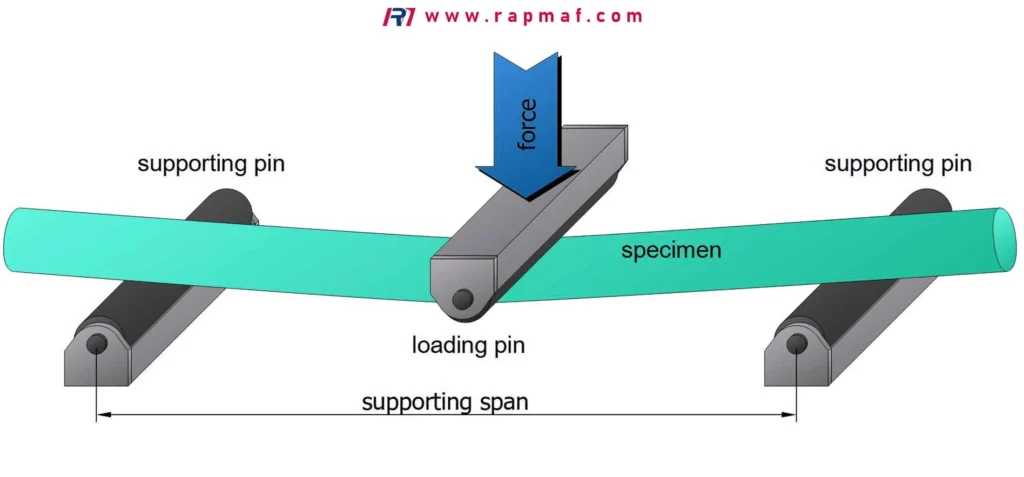
This is real, scientific action of strength. Flexural Modulus (likewise called Modulus of Elasticity) is a number that informs you just how much a material will certainly deflect (bend) under a provided lots. The greater the number, the stiffer the product. It’s that straightforward. Picture two similar diving boards, one made of rubber and one constructed from oak. When you depend on the rubber one, it bends down to the water. When you stand on the oak one, it hardly moves. The oak has a significantly greater flexural modulus.
When you say you desire a “stiff” plastic sheet, what you are truly requesting for is a plastic sheet with a high flexural modulus. This residential or commercial property is determined in extra pounds per square inch (PSI) or gigapascals (GPa).
Reduced Modulus: Materials like Polyethylene (think of a milk jug) have a reduced modulus. They are flexible and floppy.
High Modulus: Materials like Acrylic and Polycarbonate have a high modulus. They stand up to flexing.
Ultra-High Modulus: Advanced compounds like Carbon Fiber have a huge modulus, much exceeding most metals on a stiffness-to-weight basis.
This number is our north celebrity. However it doesn’t inform the whole story. A material can be exceptionally tight and also unbelievably useless if it damages also conveniently.
2. The Solid Pledge: Defining Tensile Strength
Tensile Toughness is a measure of just how much tension a product can withstand before it damages or permanently deforms when being pulled apart. Think of a tug-of-war. A thin cotton string will break quickly (reduced tensile toughness). A thick nylon rope will certainly hold firm (high tensile strength).
How does this connect to the rigidness of plastic sheets? When a sheet bends, the bottom surface is being stretched (put under tension) while the top surface area is being pressed. If the tensile pressures on the bottom of the bend surpass the product’s tensile toughness, it will fracture and stop working. You require a material strong sufficient to manage the anxieties created by bending, even if it’s rigid enough not to flex significantly. A material can be tight, however if it’s not strong, that stiffness is a liability.
3. The Unflinching Guard: Measuring Effect Toughness
This is the property that separates the champions from the contenders. Influence Toughness (or toughness) is a product’s ability to soak up an unexpected shock or impact without fracturing. This is the classic “strike it with a hammer” examination.
Low Effect Strength (Weak): A ceramic plate has high rigidity (it does not bend) but basically no effect stamina. A small, sharp faucet and it shatters into a million pieces.
High Impact Stamina (Challenging): An automobile bumper is developed for high influence stamina. It can warp under a hefty strike and recover, taking in the power of the crash.
For plastic sheets used as guards, home windows, or architectural components, this home is paramount. A machine guard that is really stiff but shatters when a tool is gone down on it is not just ineffective, it threatens. You require a material that can resist bending and stand up to damaging when the unforeseen happens.
The Holy Trinity of Rigidity: A genuinely “rigid” and useful plastic sheet does not just succeed at one of these. It finds a perfect equilibrium:
High Flexural Modulus to withstand bending.
High Tensile Stamina to manage the stress and anxiety of what little bit bending does happen
High Effect Toughness to endure real-world misuse.
Currently, allow’s fulfill one of the most typical products and see exactly how they accumulate.
Which Usual Plastic Sheets Are Thought about one of the most Rigid?
When you walk into a plastics supplier or search a significant industrial directoty like McMaster-Carr, you’ll be faced with a wall surface of alternatives. Allow’s pull out one of the most typical inflexible plastic sheets and put them on the assessment table.
1. The Glass Pretender: Acrylic (PMMA).
Usual Names: Plexiglas, Lucite, Perspex.
The Decision: The timeless “hard plastic.” Polymer is very rigid, with a high flexural modulus that commonly surpasses polycarbonate’s. It’s more difficult than many other clear plastics, making it more scratch-resistant. And its optical clearness is unrivaled; it’s more clear than glass. This is why it’s the default selection for display cases, photo frames, and high-end signs.
The Achilles’ Heel: It’s breakable. Like, truly breakable. Polymer has extremely reduced impact strength. If you drill a hole as well near to the side, it will crack. If you drop it, it might shatter. If you utilize it as an equipment guard and a piece of metal flies off a lathe, it will blow up. It focuses on tightness and clearness over durability.
Clive’s Take: Acrylic is for looking, except touching. It’s fantastic for maintaining dust off a design or framing a poster. The minute your application involves vibration, possible influences, or any sort of rough handling, you require to look in other places.
2. The Unbreakable Shield: Polycarbonate (COMPUTER).
Typical Names: Lexan, Makrolon.
The Judgment: This is the undisputed champ of functional rigidness. Polycarbonate has a high flexural modulus, making it very tight and resistant to flexing. Yet its superpower is its mind-bogglingly high impact stamina– it is about 250 times much more impact-resistant than glass and 30 times greater than acrylic. This is the product utilized for bullet-resistant home windows, riot shields, and safety glasses.
The Achilles’ Heel: It’s softer than acrylic, which means it scratches more easily (though scratch-resistant layers are readily available). It’s additinally much more pricey. And while it’s very clear, it’s not quite as optically ideal as acrylic. Reducing and and machining it can also be a little bit “gummier” than acrylic if you don’t utilize the right devices and speeds.
Clive’s Take: This is your best problem solver. When you need a plastic sheet that is clear, tight, and basically solid, you choose polycarbonate. It’s the product you make use of for the home windows on a race vehicle, the guard on a belt sander, or the unit for a fight robotic. It gives the ideal balance of all 3 properties in the Holy Trinity.
3. The Industrial Workhorse: PVC (Polyvinyl Chloride).
Typical Names: Simply PVC. The inflexible sheet kind is commonly called Kind I PVC.
The Judgment: Frequently related to pipes, inflexible PVC plastic sheets are an unhonored hero of industrial fabrication. They have superb stiffness, with a flexural modulus that equals acrylic and polycarbonate. Their largest specialty is their impressive chemical resistance. They are unsusceptible a big variety of acids, bases, and salts that would certainly destroy various other plastics.
The Achilles’ Heel: The majority of grades of PVC are opaque (generally grey or white). It’s likewise a heavy, thick plastic. Like acrylic, it has lower influence toughness than polycarbonate, though it’s typically harder than acrylic and often tends to deform before breaking. It likewise does not such as UV light unless specifically formulated for it.
Clive’s Take: You select PVC when you’re developing something that requires to hold nasty chemicals, or when you need a tight, economical, architectural sheet and you uncommitted about seeing through it. Believe chemical handling containers, electric enclosures, and outdoor tools real estates. It’s a producer’s friend.
4. The Slippery Brick: Acetal and UHMW.
Common Names: Acetal (Delrin), UHMW (Ultra-High-Molecular-Weight Polyethylene).
The Verdict: These are a different class of product, known as “design plastics.” They are prized for their reduced rubbing (they’re slippery) and exceptional wear resistence. While they come in plastic sheets, they are regularly machined into parts like equipments, bearings, and use strips. They are both rather rigid, specifically Acetal, which has a really high flexural modulus.
The Achilles’ Heel: They are almost always nontransparent (white or black) and are significantly much more costly than the “large 3” over. Their major objective isn’t broad architectural tightness however supplying a sturdy, low-friction surface area.
Clive’s Take: You don’t develop a window out of Delrin. You develop the gliding block that trips in a track. These are problem-solvers for moving parts, not for large, fixed panels. However it is necesary to understand they exist as a really stiff option for smaller parts.
So, for common, readily offered plastic sheets, polycarbonate emerges as the most versatile and robustly rigid choice for any application that might see real-world anxiety. Yet this is just the beginning. In the next area, we’ll look at the “incredibly plastics” and compounds that leave these common materials in the dirt, and we’ll check out the most vital trick of all: how geometry can make even a flimsy product extremely inflexible.
So, we have actually satisfied the citizens. We have actually put Acrylic, Polycarbonate, and and PVC on the table and seen their staminas and their achilles’ heels. For 95% of the tasks out their, Polycarbonate is the clear victor when you require a plastic sheet that is both stiff and challenging. However what regarding that 5%? What concerning the jobs where “sufficient” isn’t sufficient? What about when you need something lighter, stiffer, or even more heat-resistant than anything we’ve gone over? For that, we have to leave the basic supply shop and go into the globe of high-performance compounds and unique polymers. These are the kings, the champions, the materials that make the impossible possible.
What Are the “Super Inflexible” Plastic Sheets Beyond Polycarbonate?
When expense begins to become a second issue to efficiency, an entire brand-new class of materials opens up. These aren’t your day-to-day plastic sheets; they are specialized services designed for the most demanding applications on (and off) the earth.
1. The Wizardry: Carbon Fiber Reinforced Polymer (CFRP).
Cost: It is breathtakingly expensive, both in basic materials and in the labor-intensive procedure called for to make a part.
Manufacture: You can’t simply bend it on a brake or suffice on a table saw. Cutting CFRP needs specialized ruby or carbide tooling and creates a penalty, electrically conductive, and dangerous dust that requires severe breathing defense and workshop cleaning.
Anisotropy: Unlike an uniform sheet of polycarbonate, a basic CFRP sheet is anisotropic, meaning its properties are directional. It is extremely rigid and strong towards the carbon fibers yet somewhat weak in various other instructions. Designers have to thoroughly plan the layup of several layers at various angles (a “quasi-isotropic” layup) to accomplish toughness in all instructions.
Nonetheless, this magic comes at a high cost.
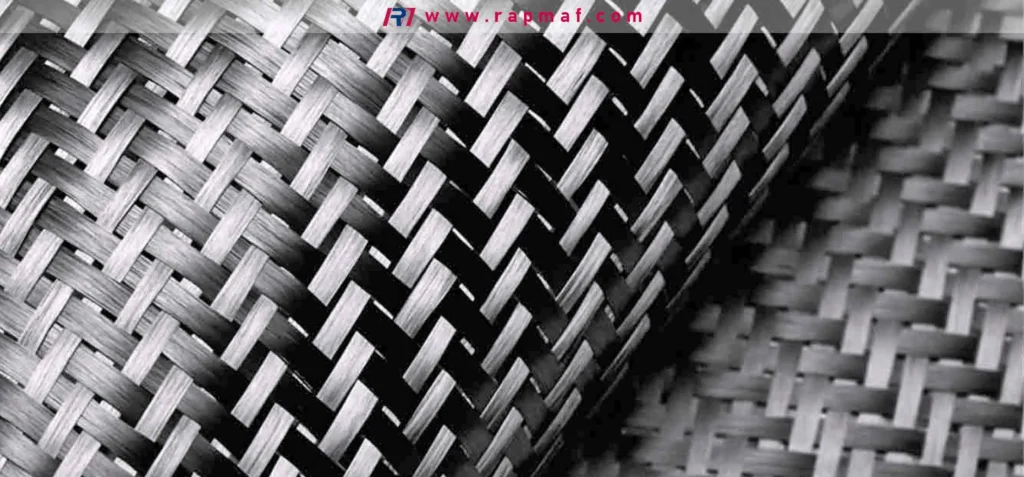
This isn’t actually a “plastic sheet” in the conventional sense. It’s a composite product. Imagine taking thousands of exceptionally slim, strong carbon strings– far thinner than a human hair– and weaving them right into a fabric. After that, you lay that material into a mold and mildew and infuse it with a high-strength epoxy resin (a thermoset plastic). The outcome is Carbon Fiber Reinforced Polymer, or CFRP. And it is, for all intents and functions, black magic.
Clive’s Take: Let’s be clear. This isn’t plastic any longer; it’s a tamed explosion. You don’t use carbon fiber to build a greenhouse. You utilize it when every gram is your enemy and your budget has no ceiling. For many jobs, it is glorious, lovely, amazing excessive.
Its specifying characteristic is its huge stiffness-to-weight proportion. A sheet of CFRP is dramatically much more rigid than a sheet of steel or light weight aluminum of the same density, yet it considers a small portion of either. This is why it’s the material of choice for Formula 1 race auto monocoques, high-performance aircraft fuselages, specialist cycling frames, and satellites. It uses maximum strength for minimal weight.
2. The Glass Shield: Fiberglass Reinforced Polymer (FRP/GRP).
FRP plastic sheets (typically offered under names like G-10 or Garolite) are an enormous step up in strength and stamina from typical thermoplastics like PVC or Polycarbonate. They are incredibly difficult, impact-resistant, and have superb dimensional security. They don’t expand or acquire much with temperature level adjustments. Moreover, they are wonderful electric insulators and are entirely immune to corrosion and most chemical rust. This is why they are made use of to make boat hulls, chemical tank, high-voltage electrical rooms, and the bodies of the Chevrolet Corvette.
The disadvantages are mainly weight and workability.
Weight: It’s much heavier than carbon fiber and typically denser than strong plastics like PVC.
Workability: Like CFRP, sufficing develops dangerous dust (little glass shards) that demands a respirator and skin protection. It’s unpleasant and difficult on standard devices.
Appearance: It’s constantly nontransparent and has an unique woven appearance. It’s not for applications where aesthetics or clearness are vital.
If carbon fiber is the exotic race car, fiberglass is the powerful, reliable muscular tissue automobile. The concept coincides: take a material of woven fibers and infuse it with a plastic resin. Yet rather than costly carbon fibers, you make use of strings of glass. The outcome is Fiberglass Reinforced Polymer (FRP), additionally referred to as Glass Reinforced Plastic (GRP).
Clive’s Take: Fiberglass is the industrial giant. When you require something considerably stiffer and tougher than PVC for an architectural application, however you can not validate the expense or complexity of carbon fiber, FRP is your solution. It’s the product you make use of to develop a battery box for an off-road car or a platform that requires to endure a harsh manufacturing facility setting.
3. The Elite Guard: Glass-Filled Design Plastics.
This is a typical approach in injection molding for producing strong, lightweight, and heat-resistant parts, like engine intake manifolds, power tool housings, and electrical connectors. As plastic sheets, they are less common however available for specialized machining applications.
The result is a crossbreed material that keeps the handling benefits of a polycarbonate but gets a few of the residential or commercial properties of a composite. Including glass fibers dramatically raises the flexural modulus, tensile stamina, and warm deflection temperature of the base plastic. A sheet of glass-filled nylon is even more stiff and will sag less under tons at high temperatures than a sheet of normal nylon.
Clive’s Take: This is just how you level-up a great plastic for a particular high-temperature or high-stress work. You’re giving up some effect sturdiness for a major increase in stiffness and warm resistance. You’re not building a window out of it; you’re machining a high-performance mounting brace that rests beside a warm engine.
This is a much more refined strategy. Instead of a woven fabric, suppliers take a high-performance polycarbonate– like Nylon, PEEK, or Ultem– and mix in brief, cut glass fibers right into the molten plastic before it’s created into a sheet.
The trade-off is durability. The glass fibers act as stress and anxiety concentrators within the plastic matrix, making the product a lot more weak and lowering its total influence stamina contrasted to its unfilled variation. It also becomes much more rough on equipment tools.
Exactly How Can You Make Flimsy Plastic Sheets Extremely Rigid?
We have actually spent all this time around discussing materials. We have actually obsessed over flexural modulus and impact toughness. However I’m mosting likely to allow you know the largest key in manufacture: The material is just half the tale. The other half is geometry.
A dazzling style can make an affordable, lightweight product outperform a pricey, stiff one. A bad style can make a sheet of carbon fiber really feel wobbly. Before you spend a ton of money on a thicker or more exotic plastic sheet, you must initially ask if you can fix your trouble with a little bit of brains. Think about a simple paper. Lying flat, it has zero rigidity. However if you fold it into a box or roll it right into a tube, it can all of a sudden support substantial weight. The product really did not change; its shape did. This is the most effective tool in your arsenal.
1. The Power of the Fold: Bending and Forming.
Exactly how to Do It: For materials like Polymer and PVC, an easy workshop device called a strip heater can be made use of to heat up a slim line on the plastic, enabling you to make a tidy, sharp bend. For thinner polycarbonate, you can also utilize a sheet metal brake.
Clive’s Take: A level sheet is an open invite to bend. A curved edge is a firm command to remain straight. This is the cheapest, fastest, and the majority of efficient upgrade you can make to any kind of panel. Constantly design with flanges and lips if you can.
2. The Engineer’s Secret: Ribs and Gussets.
This is the supreme method for achieving substantial rigidity with minimal weight. The idea is called a stressed-skin or sandwich panel. You take two slim, inflexible plastic sheets (the “skins”) and bond them to a thick, lightweight core product.
Why? You’ve basically produced a superficial C-channel. By moving material far from the central axis of the sheet (the neutral axis), you have massively enhanced its “moment of inertia,” which is the geometric property that dictates resistance to bending. A tall I-beam is stiffer than a short, wide one for the exact same factor.
A gusset is simply a triangular item of plastic contributed to a corner joint. It avoids the corner from flexing and maintains the entire framework square and inflexible. Take a look at any well-designed injection-molded part, like a battery cover or a plastic carry box. You’ll see it’s covered in a network of slim ribs and gussets. The producer does this to utilize the minimum quantity of plastic possible while attaining the maximum amount of rigidity.
The single most effective means to include strength to a level sheet is to flex a lip along its sides. A completely flat 4-foot-long, 1/8″ thick sheet of acrylic will droop noticeably under its very own weight. Take that same sheet and flex a simple 1-inch, 90-degree lip along both of the long sides, and it will come to be substantially stiffer.
If you can’t bend the edges of your sheet, the next best point is to add support structures to its back. By gluing or chemically welding on slim strips of the very same plastic, you can produce a network of tensing ribs. Arranging these strips in a grid pattern or as an I-beam account on the back of your panel works on the very same principle as the bent edge– it moves product away from the neutral axis.
Exactly how to Do It: You can use two slim sheets of polycarbonate (e.g., 1/16″ thick) as your skins. For the core, you can make use of a sheet of inflexible foam insulation, a 3D-printed honeycomb lattice, and even corrugated plastic (like Coroplast sign product). Bond them all together with a strong epoxy or structural adhesive under pressure.
Clive’s Take: This is how you develop a 4×8 foot panel that you can lift with one hand however is stiff enough to stroll on. It’s an advanced technique, however it’s the absolute pinnacle of structural efficiency. It’s utilizing geometry to produce a material that is far above the amount of its components.
How to Do It: Cut thin strips from a scrap item of the exact same plastic sheets. Utilizing the proper solvent concrete (for acrylic/PVC) or a specialized architectural adhesive (for polycarbonate), bond them to the rear of your primary panel.
Clive’s Take: You’re basically constructing a skeletal system for your plastic sheet. It includes almost no weight but can increase the strength. It’s structural engineering 101, and it’s how you make a thin sheet act like a thick one.
3. The Sandwich Strategy: Creating a Compound Panel.
Prior to you acquire that expensive, half-inch-thick sheet of Lexan, take a hard consider your layout. Could you use a more affordable, quarter-inch-thick sheet and simply add a 1-inch lip to it? Could you add a few stiffening ribs to the back? The response is almost always yes. A wise maker defeats an abundant one each time. In the last section, we’ll put all of this with each other in a real-world case study and answer your most frequently asked questions.
The core material’s work is merely to hold both skins apart. When you try to flex the panel, one skin is taken into compression, and the various other is taken into tension. The core product stops the skins from moving about each other, compeling them to interact as a single, exceptionally deep, and for that reason extremely stiff, structure. This is just how aircraft flooring is made (slim aluminum skins over a honeycomb core) and why a hollow-core interior door is surprisingly stiff despite being primarily air.
So, you’ve satisfied the challengers. You understand the daily champions like Polycarbonate and the heavyweight exotics like carbon fiber. You additionally understand the producer’s secret weapon: geometry. You recognize that a smart fold or a well-placed rib can be much more powerful than a much more costly product. However knowledge is something; knowledge is one more. Knowledge is knowing how to use that knowledge to make the best selection when faced with a real-world trouble. Just how do designers and developers look at an empty sheet of paper and decide which of these extraordinary plastic sheets to utilize? It’s not uncertainty. It’s an organized examination.
How Do Engineers Pick the Right Plastic Sheets for a Project?
Selecting a product isn’t like choosing your favorite color. It’s a strenuous procedure of removal where you hold each candidate up against the harsh facts of the work. You serve as both district attorney and defense attorney, finding the one material that makes it through the test. This process can be broken down into three stages: The Examination, The Onslaught, and The Geometry Gambit.
1. The Interrogation: Specifying the Objective.
This is the masterstroke of the skilled developer. Before you accept that unbelievably expensive, thick sheet of plastic, you ask one of the most essential inquiry: Can I make a less expensive, thinner sheet do the job by altering the layout?
Can you include a 90-degree bend along the side to act as a support? Can you bond a couple of ribs to the back? Can you develop a sandwich panel with a light-weight core? As we discussed, these geometric tricks can increase the strength of a panel by orders of size for a tiny fraction of the expense of upgrading the product itself. A designer that can make a $50 sheet of 1/8″ acrylic do the work of a $200 sheet of 1/2″ polycarbonate with clever style is a true expert. Only when geometry has actually been worn down and the performance needs still aren’t met do you move up to the high-performance composites like FRP or the unique engineering plastics.
Beginning with the Essentials: Does the job call for quality? If of course, your very first thoughts are Acrylic and Polycarbonate. Otherwise, Inflexible PVC is your cost-effective beginning point.
Apply the Key Enemy Examination: Is there any type of possibility of impact? If of course, Acrylic is right away out. Its brittleness makes it a responsibility. You advertise Polycarbonate. Is it an exterior application? If indeed, you need to see to it you’re utilizing a UV-grade Polycarbonate or Acrylic, as typical PVC will yellow and come to be weak.
Inspect the Tons vs. Density: Will your chosen material, at a practical thickness, be stiff sufficient? This is where you might make use of an online light beam deflection calculator. If a 1/4″ sheet of Polycarbonate sags too much, you examine the cost of a 3/8″ or 1/2″ sheet.
Consult the Budget: Is the price of the thicker sheet ending up being excessive? Now, and only currently, you move to the following phase.

2. The Geometry Gambit: Ripping Off with Style.
What is the Primary Adversary? Every part has a bane. Is it a direct impact from a gone down tool? If so, impact strength (durability) is your top priority. Is it the unrelenting UV radiation of the sun? Then UV stability is paramount. Is it a dash of corrosive chemicals? Chemical resistance is key. Is it high warm from a nearby engine? Warm deflection temperature level is your main issue. You should identify one of the most likely source of failure and select a material that can beat it.
What is the Tons? Will the plastic sheets need to sustain their own weight over a long span, or will they have an external force pushing on them? This is where rigidity (flexural modulus) can be found in. You need to understand the forces included to determine if your chosen material and density will certainly bend, flex, or droop unacceptably.
” What is the Budget plan? This is the wonderful filter. It’s fantastic that PEEK can run at 500 ° F, yet if a sheet sets you back greater than the whole rest of the job, it’s a non-starter. The budget includes not simply the expense of the material itself, but the cost to produce it. An inexpensive product that requires pricey, specialized tooling to collaborate with might wind up being extra expensive overall than a more expensive product that’s easy to cut and flex.
What are the Additional Needs? Does the component need to be optically clear? Does it require to be a specific color? Does it require to be food-safe (FDA certified)? Does it require to be an electric insulator? These second needs can commonly get rid of or else ideal prospects.
3. The Onslaught: Rating the Candidates.
Once you have the responses from your examination, you can force the potential materials to run the gauntlet. You begin with one of the most common and affordable options and see if they make it through.
Prior to you can also consider products, you have to recognize the mission in distressing information. An excellent designer will certainly ask an unrelenting collection of concerns, and the solutions will certainly construct a “fingerprint” of the excellent product.
Case Study: What Are the very best Plastic Sheets for Device Safeguarding?
The Examination:.
Key Adversary: High-velocity influence. The guard has to include little, sharp pieces of steel (chips) and possibly a broken reducing tool flying off the pin at hundreds of RPM. Influence stamina is non-negotiable. It needs to additionally stand up to splashes from chemical coolants.
Tons: Marginal. The panels are generally installed in an aluminum structure, so they just need to support their own weight. Rigidness is not a primary worry.
Budget plan: Moderate. It’s a security element, so you can not be cheap, however you don’t need to utilize aerospace products.
Second Needs: Should be very transparent so the driver can see the machining procedure plainly.
The Onslaught:.Candidate 1: Acrylic (Plexiglas). It passes the quality test with flying shades. It stops working the really initial and essential “Primary Enemy” test. Upon a considerable influence from a damaged tool, acrylic will certainly smash, sending sharp shards flying and failing its one critical work. Judgment: Gotten rid of. Precariously inappropriate.
Prospect 2: Inflexible PVC. It has superb chemical resistance to lots of coolants. Nonetheless, its impact strength is poor compared to other alternatives, and its optical clearness is usually not as great. Decision: A poor selection. Stops working on the key metrics of influence stamina and clearness.
Prospect 3: Polycarbonate (Lexan/Makrolon). It is optically clear. Its defining characteristic is its amazing effect strength– it’s the material made use of for bullet-resistant glass. It will easily stop any flying chip or damaged device without ruining, merely nicking or scratching in a worst-case circumstance. Its chemical resistance is usually enough for many coolants, though particular qualities exist for more hostile chemicals. Verdict: The perfect candidate. It succeeds at the most essential requirement (impact stamina) while fulfilling all others.
Candidate 4: Carbon Fiber (CFRP). It has incredible strength, however it’s entirely nontransparent. The driver can’t see the part. Verdict: Eliminated. Stops working the openness demand.
Clive’s Take: This isn’t even a contest. For device securing, Polycarbonate is the one and only expert option. Anybody who constructs a device guard out of polymer is a menace and is developing a major safety threat. The tiny price saving is not worth the danger of somebody losing an eye. Polycarbonate was almost developed for this specific type of application: where presence and influence security are vital.
FREQUENTLY ASKED QUESTION: Your Toughest Inquiries About Inflexible Plastic Sheets Answered.
Let’s take on some of one of the most common inquiries that show up when people are searching for the strongest, stiffest, and hardest plastics.
Allow’s place this process into activity with an usual, real-world issue: selecting the transparent product for the safety unit on a CNC milling device.
What is the stiffest plastic sheet available?
If you’re asking totally about the greatest flexural modulus number, the solution lies in the unique and composite categories. A sheet of Carbon Fiber Reinforced Polymer (CFRP) is dramatically stiffer than any monolithic plastic. Among the machinable “extremely plastics,” products like glass-filled PEEK or Ultem have exceptionally high rigidity, especially at raised temperature levels. Nevertheless, for generally readily available and affordable plastic sheets, rigid PVC and Polycarbonate are at the top of the list, supplying outstanding rigidity for many architectural and glazing applications.
What type of plastic is tough and rigid?
It’s vital to separate “tough” and “rigid.” Stiff (stiffness) indicates resistant to bending. Hard (hardness) suggests resistant to surface area scratching and impression. Polymer (Plexiglas) is an archetype of a plastic that is both stiff and very hard; it has excellent scrape resistance but is brittle. Polycarbonate (Lexan) is additionally really stiff however is a relatively soft plastic that scratches easily (unless it has an unique difficult finish). As a result, while both are rigid, Polymer is the “more difficult” of both.
Is acrylic or polycarbonate more inflexible?
This provides fantastic complication. If you consider the product data sheets, their flexural modulus values are very similar. In a lab test, a sheet of acrylic and a sheet of polycarbonate of the same measurements will bend a really similar amount under the exact same tons. They are comparably inflexible. The huge difference in between them is not rigidity, yet sturdiness (effect strength). Polycarbonate can stand up to over 10 times the effect energy of acrylic prior to stopping working. Individuals typically view the “solid” nature of polycarbonate as “stronger” or “stiffer,” however in the purest sense of standing up to flex, they are neck and neck.
Can I make a weak plastic sheet more powerful?
This inquiry requires explanation. You can not conveniently alter the inherent product buildings of an offered plastic sheet. You can’t make acrylic much less fragile. Nevertheless, you can definitely make a structure developed from a plastic sheet “more powerful” in a functional feeling. You can make it much more inflexible (stiffer) by using the geometry tricks we went over: adding bends, ribs, or producing a sandwich panel. This is usually what individuals indicate when they ask this concern. They wish to quit their project from flexing and sagging, and the most effective means to do that is typically by enhancing the design, not just purchasing a thicker sheet.
The Last Decision: How Should You Pick Your Plastic Sheets?
The quest for the “most rigid plastic sheet” is a journey that promptly exposes a more vital reality: rigidity is not an outright. It is a residential or commercial property of a system, a combination of material scientific research and smart style. A brilliant maker doesn’t just ask “What is the stiffest material?” however instead, “What is the smartest means to accomplish the tightness I require?”.
The response often starts not with a material magazine, but with a style illustration. It begins with the understanding that a fold is less expensive than density, a rib is lighter than a strong block, and a sandwich is more effective than any type of single product.
Ultimately, one of the most stiff plastic sheet isn’t necessarily the one with the highest possible number on an information sheet. It’s the one that is made use of as part of a properly designed, effective, and suitable system for the job handy.
When your style is maximized, the product choice becomes clear. You choose the most economical product that can make it through the specific adversaries it will encounter– be it influence, UV light, or warm. For many requiring jobs, that product will be Polycarbonate, the wonderful workhorse that stabilizes quality, sturdiness, and rigidness. Just when an absolutely extreme obstacle emerges do you need to venture into the world of composites and unique polymers.
References
- McMaster-Carr – “About Plastic”: An industrial supplier’s extensive technical guide that provides detailed data sheets, chemical compatibility charts, and comparisons for a vast array of plastic sheets.
- Professional Plastics – “Plastic Rigidity & Impact Strength”: A useful commercial guide that explains the difference between rigidity (flexural modulus) and impact strength, with clear examples of high-rigidity and high-impact plastics.
- TAP Plastics – “How to Bend Acrylic”: A practical DIY guide showing how to use a strip heater to add stiffening bends to acrylic sheets, demonstrating the power of using geometry to increase rigidity.
Disclaimer
The information on this page is for informational purposes only. RM makes no representations or warranties, express or implied, as to the accuracy or completeness of this information. For any third-party services procured through the RM network, it is the buyer’s responsibility to specify and confirm performance parameters, tolerances, materials, and workmanship during the quotation process. For more detailed information, please do not hesitate to contact us.
RM: Your Precision Manufacturing Partner
RM is an industry leader in custom manufacturing solutions. With over 20 years of profound experience, we have become the trusted partner for more than 5,000 clients worldwide. We specialize in a comprehensive range of manufacturing services—including high-precision CNC machining, sheet metal fabrication, 3D printing, injection molding, and metal stamping—to provide you with a true one-stop-shop experience.
Our world-class facility is equipped with over 100 state-of-the-art 5-axis machining centers and operates in strict compliance with the ISO 9001:2015 quality management system. We are dedicated to providing solutions that blend speed, efficiency, and exceptional quality to customers in over 150 countries. From rapid prototyping to large-scale production, we promise delivery in as fast as 24 hours, helping you gain a competitive edge in the market.Choosing RM means selecting an efficient, reliable, and professional manufacturing ally.






