


“strongest metal” like there’s one champion that wins every fight. I get it—procurement wants a safe choice, engineers want fewer failures, and nobody wants the “why did it crack?” meeting.
But in real manufacturing, “strongest” is a bit like saying “best vehicle.” Best for hauling? Best for racing? Best for snow? Metals work the same way.
As a manufacturing engineer (15+ years in rapid manufacturing environments), here’s the practical truth:
- Strength tells you how much stress a metal can take before it yields or breaks.
- Hardness tells you how well it resists scratching/indentation and often correlates with wear resistance.
- Toughness tells you how well it resists cracking and how much energy it can absorb before fracturing—especially important with impacts, notches, and cold temperatures.
So when you ask: “What is the toughest type of metal?”
You’re really asking: Which metal is least likely to crack catastrophically in my situation?
This article explains that in plain English, gives you a shortlist of genuinely tough metals/alloys used in industry, and—most importantly—shows you how to specify what you need on a drawing or RFQ so you don’t end up paying for the wrong property.
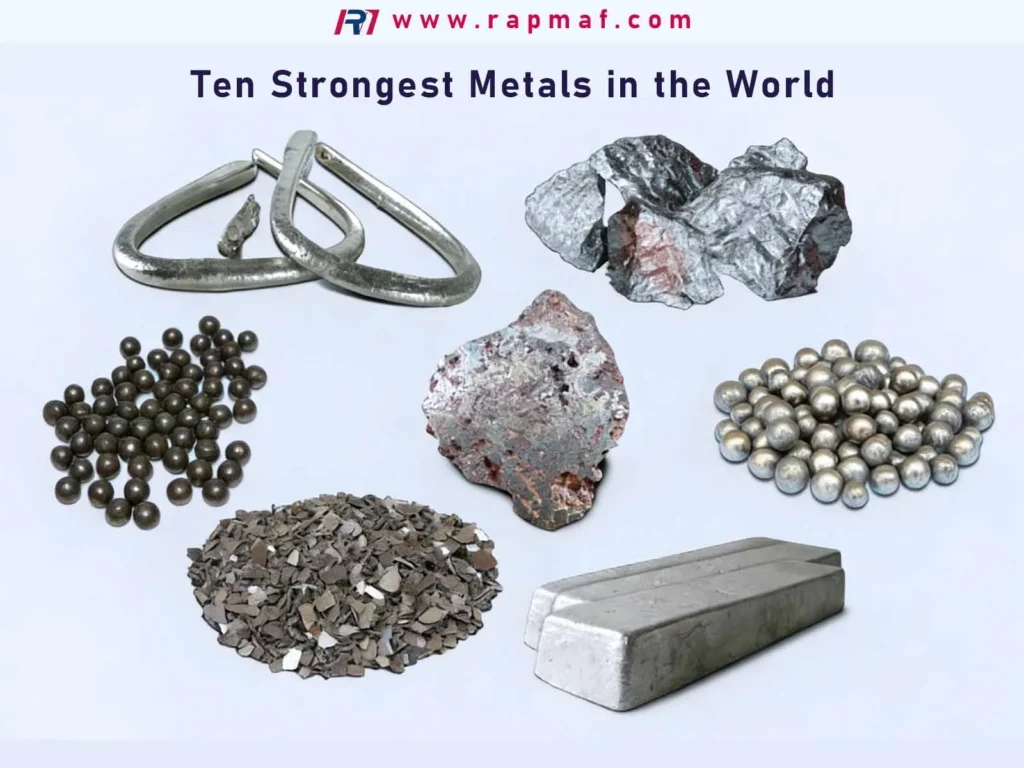
Quick answer
There isn’t one “toughest metal” for every case, but these are common high-toughness choices in real parts:
- Low-alloy steels in the right heat treat (e.g., 4140, 4340)
- Austenitic stainless steels (e.g., 304, 316) for toughness + corrosion resistance
- Nickel alloys (e.g., Inconel 625/718) for toughness at temperature (and cost to match)
- Titanium alloys (e.g., Ti-6Al-4V) can be strong and corrosion resistant, but “toughest” depends heavily on notch sensitivity and application
- Tool steels can be very hard, but hardness ≠ toughness; some tool steels are tough, many are not in high hardness conditions
If you’re buying CNC parts and you want “tough,” the most common practical move is:
choose a steel grade with proven heat treat + specify a minimum impact toughness (Charpy) if the risk is brittle fracture.
First: what does “toughest” mean in engineering?
Toughness = “how hard it is to crack”
A tough metal can:
- take a hit (impact)
- tolerate stress concentrations (sharp corners, threads, keyways)
- survive some abuse without suddenly snapping
A strong-but-not-tough metal can look great on paper (high tensile strength) and still fail by brittle fracture if:
- there’s a notch
- it’s cold
- it’s welded poorly
- it has hydrogen embrittlement risk
- it has the wrong microstructure from heat treat
The three terms people mix up (and why it matters)
| Term people say | What it actually measures | Typical test | What it helps you avoid |
|---|---|---|---|
| Strength | Yield/UTS under load | Tensile test (ASTM E8/E8M) | Permanent bending, stretching, overload failure |
| Hardness | Resistance to indentation | Rockwell/Brinell/Vickers | Wear, denting, galling (sometimes) |
| Toughness | Energy absorbed before fracture | Charpy impact (ASTM E23), fracture toughness (ASTM E399) | Sudden cracking, brittle fracture |
If your part is failing by wear, chasing “toughest” may be the wrong direction.
If your part is failing by cracking, chasing “hardest” may make it worse.
“strongest metal” depends on the metric
When you see lists like “top 10 strongest metals,” they often mix different definitions:
- strongest in tensile strength
- hardest by Mohs (which is for minerals, not metals)
- strongest in compressive strength
- strongest at high temperature
- strongest per weight (specific strength)
That’s why one list says “titanium,” another says “tungsten,” another says “chromium,” and someone else says “diamond” (which is not a metal).
Let’s clean up the common myths.
Myth-busting: titanium, tungsten, chromium, diamond
“Titanium is the strongest metal”
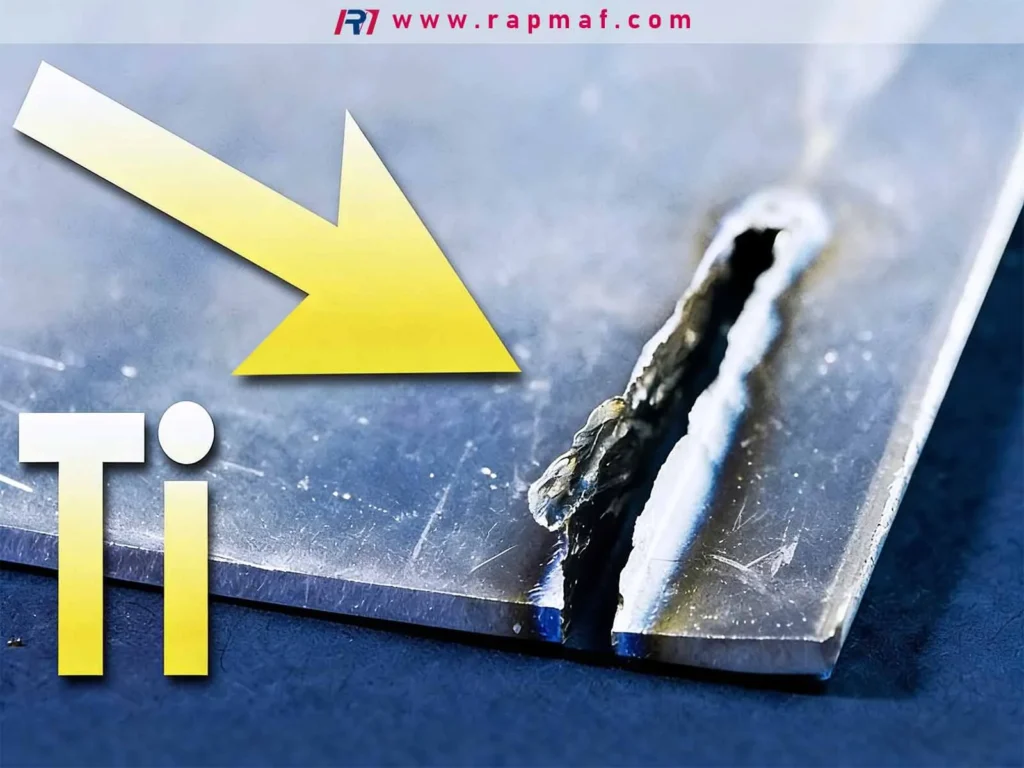
Titanium alloys can have excellent strength-to-weight and corrosion resistance. But titanium is not automatically “toughest” or “strongest” in every sense.
- Titanium can be notch sensitive in some conditions.
- It can gall and be tricky in sliding contact.
- It’s great when weight matters and corrosion is a problem.
Procurement translation: titanium is a premium choice when you need light + strong + corrosion resistant, not a universal “toughest.”
“Tungsten is the strongest metal”
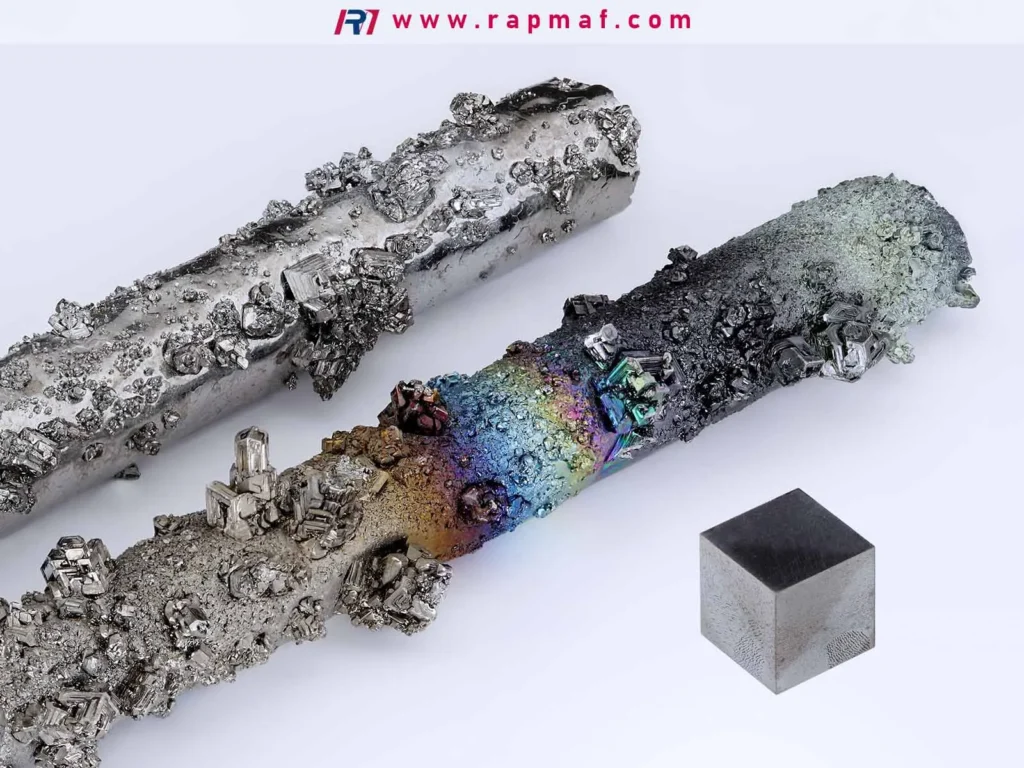
Tungsten has a very high melting point and can be very strong at temperature, but it’s also dense and can be brittle depending on form and processing.
Translation: tungsten is a specialist material, not your default “tough part” answer.
“Chromium is the hardest metal”
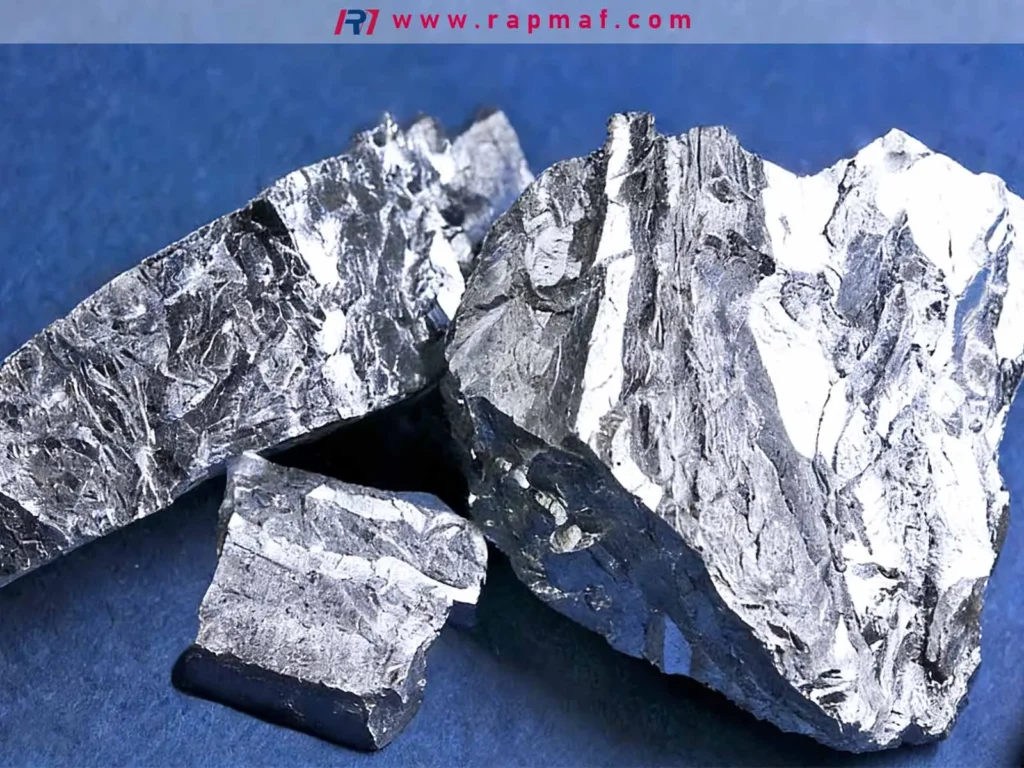
Chromium is hard, and chrome plating is used for wear/corrosion. But hardness doesn’t guarantee toughness. Hard coatings can crack if the substrate flexes.
Translation: chrome is often about surface performance, not bulk toughness.
“Diamond is the hardest metal”
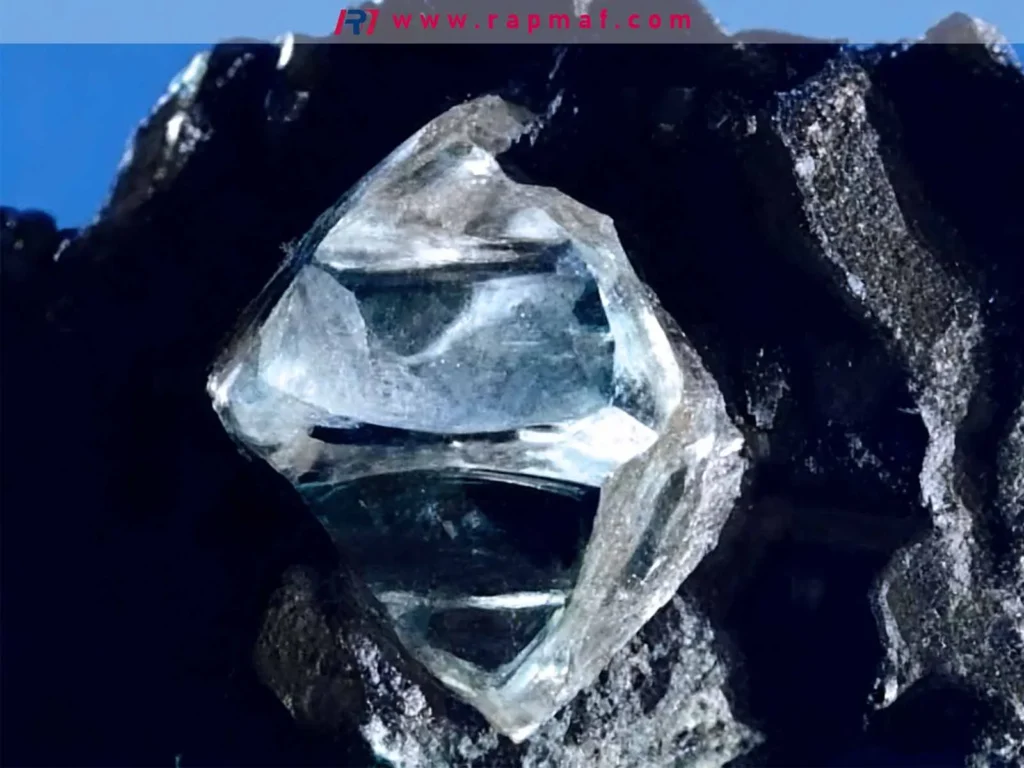
Diamond is not a metal. It’s a carbon crystal (a mineral). It’s extremely hard, but hardness ≠ toughness anyway—diamond can chip.
Translation: if someone is mixing diamond into “metal strength,” the list is entertainment, not engineering.
What metals are actually “tough” in real parts?
Below are practical categories you’ll see in CNC and industrial components, with plain-language guidance.
1) Low-alloy steels (often the toughness workhorse)
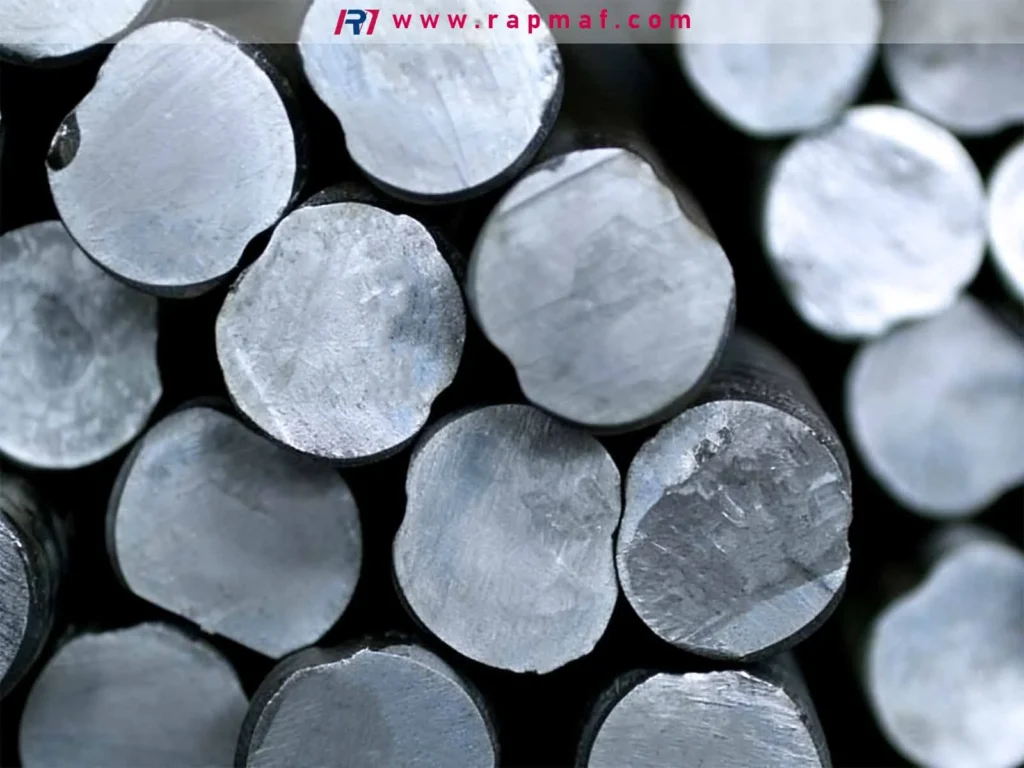
4140 / 4340 (and similar)
These steels are popular because you can tune them with heat treat:
- moderate strength with good toughness
- or higher strength with reduced toughness (trade-off)
Where they shine
- shafts, pins, tooling components, brackets under shock loads
- parts that see impact or cyclic loads
What to watch
- heat treat condition matters more than the grade name
- sharp corners and threads still need good design (radii, undercuts, fillets)
If you want “tough,” what to specify
- material: 4140 (or 4340)
- condition: normalized + tempered, or quenched + tempered
- and if brittle fracture is a risk: Charpy impact requirement at your service temperature
In purchasing terms: “4140 Q&T, specify hardness range + Charpy minimum” is often more meaningful than “strongest metal.”
2) Austenitic stainless steels (304 / 316): tough and forgiving
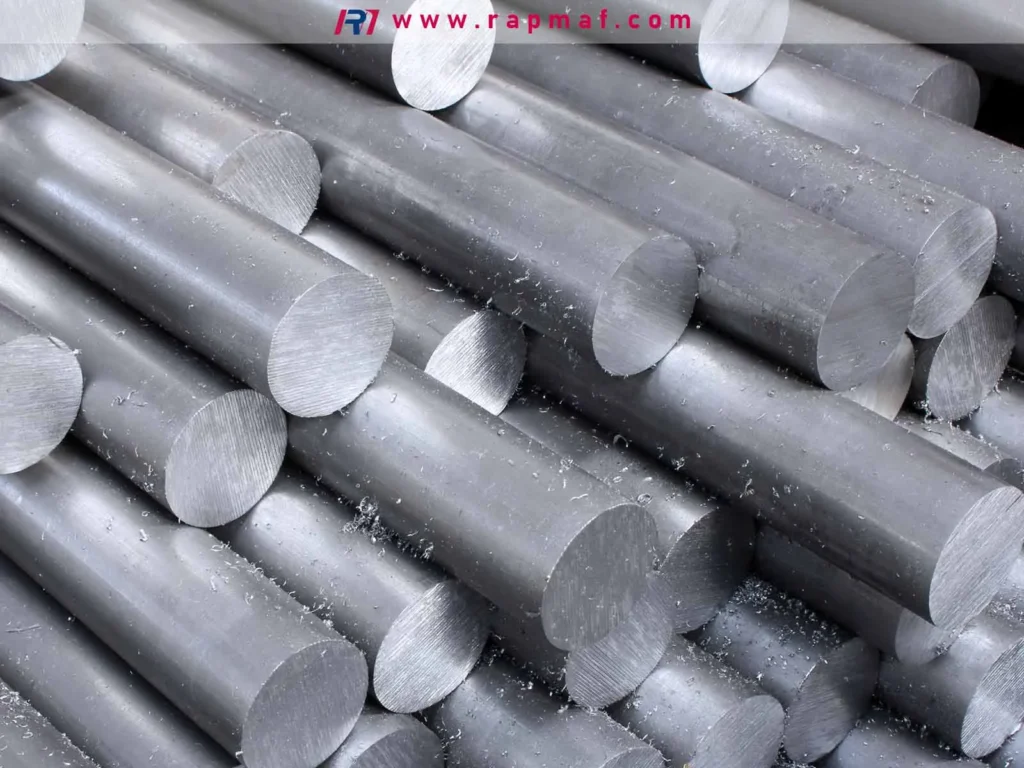
304 and 316 are not the highest-strength stainless steels, but they are often very tough and resistant to brittle fracture, especially compared with some hardened steels.
Where they shine
- corrosion environments
- parts that need ductility and toughness
- welded assemblies (often easier than many high-strength alloys)
What to watch
- they can gall in threads
- they’re not as strong as precipitation-hardening stainless (like 17-4PH) in many conditions
- machining can be “gummy” compared with free-machining grades
Procurement tip
If your customer says “strongest stainless,” ask: do they mean corrosion resistance, yield strength, or won’t crack? 316 is often chosen for corrosion, not strength.
3) Precipitation-hardening stainless (17-4PH): strong, but toughness varies
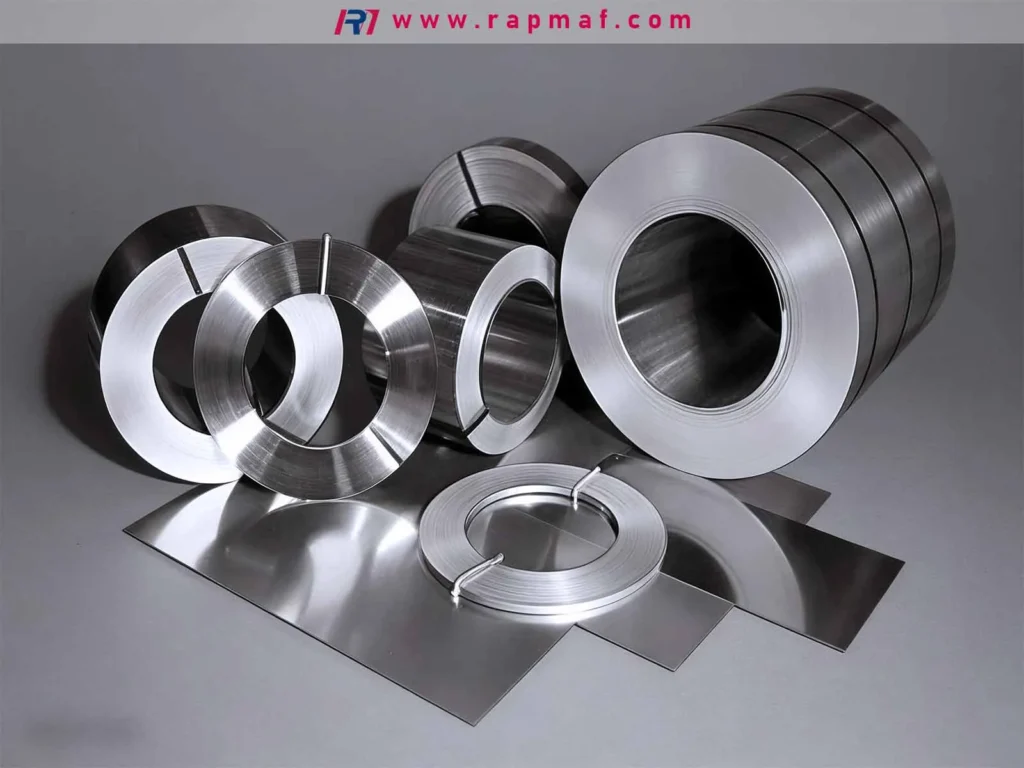
17-4PH is popular in CNC because it offers:
- high strength
- decent corrosion resistance
- stable heat treat options (H900, H1025, H1150, etc.)
But here’s the catch: different conditions trade strength for toughness.
Rule of thumb
- Higher strength condition (e.g., H900) → generally lower toughness
- More tempered/aged condition (e.g., H1150) → better toughness, lower strength
Procurement translation
Don’t just say “17-4.” Specify the condition that matches the failure mode.
4) Tool steels: can be tough, can be glassy—depends on grade and hardness
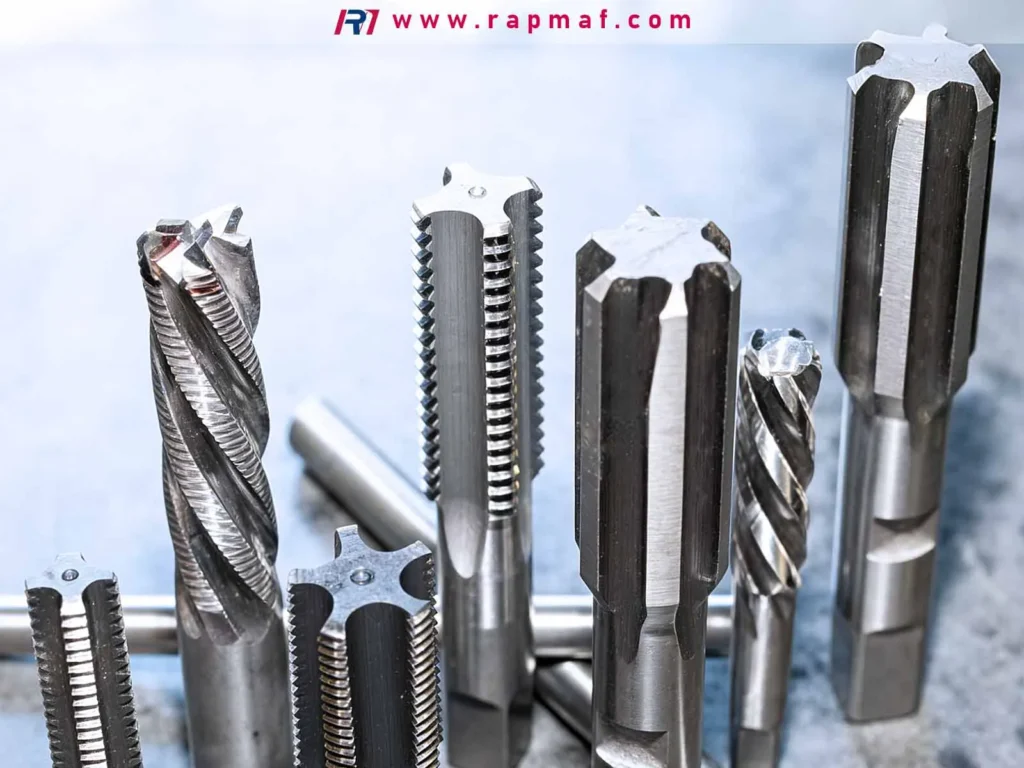
Tool steels are often chosen for wear and edge retention (hardness). Some are designed for toughness (shock-resisting grades), but many become brittle at high hardness.
Where they shine
- dies, punches, wear components
What to watch
- if you push hardness too high, you may lose toughness fast
- heat treat quality is everything
5) Nickel alloys (Inconel, etc.): tough at temperature, expensive everywhere
Nickel alloys can keep strength and toughness at elevated temperatures where steels soften.
Where they shine
- hot environments, corrosive + hot, aerospace/energy
What to watch
- cost and lead time
- machining difficulty
“toughest” depends on how your part fails
Let’s map common failure stories to what you should optimize.
Scenario A: “It snapped suddenly”
That’s classic brittle fracture risk. You care about:
- toughness (Charpy, fracture toughness)
- notch sensitivity
- microstructure and heat treat
- surface defects and sharp corners
Fixes
- add fillets, remove sharp internal corners
- specify a tougher condition (lower hardness)
- require impact toughness at service temperature
Scenario B: “It bent and stayed bent”
That’s yield strength / stiffness territory.
- increase yield strength
- increase section thickness
- change geometry
Toughness is not the main knob here.
Scenario C: “It wore out / galled”
That’s surface + hardness + lubrication + pairing.
- hardness and surface finish
- coatings
- material pairing (e.g., stainless-on-stainless is a galling party)
Toughness might matter secondarily, but it’s not the lead actor.
Scenario D: “It cracked after many cycles”
That’s fatigue.
- surface finish
- stress concentration
- residual stress
- mean stress
- material cleanliness and heat treat
High tensile strength can help fatigue in some cases, but not if you introduce brittleness or notch sensitivity.
Table 1 — “Strongest” vs “Toughest”: what to choose for common part problems
| What you see in the field | Likely failure mode | “Strongest metal” helps? | What usually helps more |
|---|---|---|---|
| Sudden snap, little bending | Brittle fracture | Sometimes | Toughness (Charpy), better radii, lower hardness |
| Permanent bend | Yielding | ✅ Yes | Higher yield strength, thicker section, better geometry |
| Cracks after cycles | Fatigue | Sometimes | Surface finish, fillets, shot peen, reduce stress |
| Threads seize | Galling | No | Material pairing, coatings, lubrication, thread design |
| Wear groove | Abrasive/adhesive wear | No | Hardness/coating, UHMW liners, surface finish |
If you’re sourcing CNC parts: how to ask for “tough” without getting junk quotes
Procurement pain usually comes from vague specs like:
- “strongest metal”
- “high strength”
- “must be durable”
- “won’t break”
Those phrases trigger guesswork. Here’s how to turn them into something quoteable.
1) State the load type in one sentence
Examples:
- “Part sees occasional impact during assembly.”
- “Part is under constant clamp load.”
- “Part sees cyclic bending at ~X cycles.”
Even if you don’t know the exact numbers, describing the type of load helps.
2) State the environment
- indoor/outdoor
- wet/salt
- temperature range
- chemicals
Toughness at room temperature is not the same as toughness at -20°C.
3) Specify the property that matches the risk
If you truly mean “tough,” consider:
- Charpy impact requirement (with temperature)
- hardness range (not “as hard as possible”)
- heat treat condition
4) Don’t ignore geometry (it’s half the battle)
A “tough” alloy can still crack if you design:
- sharp internal corners
- thin sections with abrupt transitions
- deep keyways without relief
- threads too close to shoulders
If you want fewer failures, spend 10 minutes adding radii and smoothing transitions. It’s the cheapest strength upgrade you’ll ever buy.
Table 2 — Practical “toughness-friendly” spec examples (copy/paste)
| What you want to prevent | Better spec language | Example (illustrative) |
|---|---|---|
| Sudden cracking | “Require impact toughness at service temp” | “Charpy V-notch minimum at -20°C” |
| Brittle from over-hardening | “Specify hardness range, not max hardness” | “HRC X–Y after heat treat” |
| Wrong heat treat | “Specify condition” | “4140 Q&T” or “17-4PH H1150” |
| Cracks from sharp corners | “Add radii + avoid sharp internal corners” | “Min internal radius 0.5–1.0 mm” |
| Fatigue cracks | “Surface finish + fillets” | “Ra ≤ 1.6 µm on fatigue-critical surfaces” |
Note: exact values should match your design and standard; the point is to specify measurable requirements.
“Which is stronger, MS or SS?” (mild steel vs stainless steel)
This is a common related search, and the honest answer is: it depends on the grade and condition.
- “Mild steel” often means low-carbon steel (like A36/1018). It’s usually not extremely strong, but it’s ductile and easy to fabricate.
- “Stainless steel” is a family. 304/316 are not super high strength, but some stainless grades (like 17-4PH) can be very strong.
Practical takeaway
If you need strength: compare yield strength of the specific grades.
If you need corrosion resistance: stainless often wins.
If you need toughness: many steels can be tough; avoid overly hard conditions if impact is present.
“Which metal is most durable?”
“Durable” is another word that needs context:
- durable against corrosion → stainless, nickel alloys, titanium (depending on environment)
- durable against wear → hardened steels, tool steels, coatings
- durable against impact → tough steels in appropriate heat treat
- durable against fatigue → good design + surface finish + correct material/heat treat
If someone asks for “most durable,” ask: durable against what?
Is there a “top 10 strongest metals” list that’s actually useful?
Not really—at least not for ordering parts—because:
- pure metals are rarely used alone in engineering
- alloys + heat treat dominate performance
- processing (forging, rolling, welding) changes properties
- geometry and surface finish can beat material changes
A better approach is:
- define failure mode
- pick a material family
- pick condition/heat treat
- design out stress risers
- specify inspection and documentation
That’s how you get parts that survive real life, not just spreadsheets.
FAQs
What is the toughest metal in the world?
There isn’t one universal answer. In practical engineering, tough low-alloy steels (properly heat treated) and austenitic stainless steels are common “toughness-first” choices. The best pick depends on temperature, notch risk, corrosion, and load type.
What is the hardest metal on earth?
“Hardest” depends on the test. Some metals/alloys can reach very high hardness (often tool steels, carbides, or hard coatings). But hardness alone doesn’t mean the part won’t crack.
Is titanium the strongest metal?
Titanium alloys have excellent strength-to-weight, but they’re not automatically the strongest or toughest in every application. They’re often chosen for weight savings and corrosion resistance.
Is diamond or titanium harder?
Diamond is far harder than titanium, but diamond is not a metal. Also, hardness isn’t the same as toughness.
Which metal is most durable?
“Durable” depends on what you’re fighting: corrosion, wear, impact, or fatigue. Define the failure mode first, then choose the material and condition.
Why do lists say different “strongest metals”?
Because they mix metrics (tensile strength, hardness, high-temperature strength, specific strength) and often ignore alloys/heat treat and real-world design factors.
Bottom line
If you want a part that doesn’t crack, don’t ask for the “strongest metal.” Ask for:
- the right material family
- the right heat treat condition
- a measurable toughness requirement when needed (Charpy at temperature)
- and a design that avoids sharp corners and stress risers
That combination beats “strongest metal” almost every time.