


If you’re reading quotes that say PMMA, drawings that say ACRYLIC, and a supplier who casually says “Plexiglass”, it can feel like you’re choosing between different plastics.
In most purchasing and engineering contexts, you’re not.
- PMMA = polymethyl methacrylate (the polymer’s chemical name)
- Acrylic = the common industry name for PMMA
So PMMA and acrylic are usually the same material.
Where buyers get burned is not the name—it’s what sits behind the name: cast vs extruded, grade, optical/appearance requirements, impact risk, and chemical exposure (especially cleaners) combined with assembly stress. Those factors change machining behavior, cracking risk, and long-term appearance much more than the “PMMA vs acrylic” label.
This is a buyer-first guide: what to specify on the PO, how to avoid the common failure modes (crazing, chipping, warped panels), and how to pick between PMMA and polycarbonate when you’re under time pressure.
Are PMMA And Acrylic The Same?
Most of the time, yes. If someone sells “acrylic sheet,” they typically mean PMMA sheet.
Confusion happens because “acrylic” can also be used loosely to describe:
- PMMA as a solid plastic sheet/rod/tube (what most people mean)
- acrylic adhesives, resins, and coatings (different product category)
- PMMA blends (for example, impact-modified acrylic)

Reality-Check Example (Why “Same Material” Still Causes Problems)
You ask for “acrylic window panels.”
Supplier A quotes cast acrylic. Supplier B quotes extruded acrylic.
Both technically delivered “acrylic,” but if your panels are bolted down tightly and wiped with alcohol-based cleaners, one option can be far more likely to develop crazing (fine spider-web cracking) around holes.
Same word on the quote. Different field performance.
PMMA : What It’s Known For

PMMA is a transparent thermoplastic valued for:
- High clarity and a “premium” look
- Good UV/weather resistance (often better than many clear plastics without coatings)
- Excellent surface finish and polishability
PMMA is also known for:
- Lower impact strength than polycarbonate (PC)
- Stress cracking/crazing risk with certain chemicals, especially when the part is under load
- Scratch sensitivity (depends on use and cleaning habits)
Common brand names you’ll see: Plexiglas and Perspex (brands; still PMMA).
The Differences People Actually Mean When They Say “PMMA Vs Acrylic”
Cast Acrylic Vs Extruded Acrylic (Both Are PMMA)
This is the decision that actually changes outcomes.
Cast PMMA is often chosen for:
- premium appearance (especially thicker sections and polished edges)
- generally better behavior in machining (cleaner chips when dialed in)
- better tolerance for stress in some assemblies (grade-dependent—confirm)
Extruded PMMA is often chosen for:
- lower cost and high availability in common sheet sizes/thicknesses
- quick-turn covers/guards where cosmetics are “good enough”
What It Looks Like In The Field
Two clear covers with countersunk screws:
- Cover #1: looks flawless at assembly
- Cover #2: two weeks later, hairline cracks radiate from the screw holes
That’s often a stack-up of:
- extruded PMMA + tight countersink + high clamp load + a cleaner/solvent + residual machining stress
If your design includes fasteners, sharp corners, tight interference fits, or frequent wipe-down, I lean cast PMMA unless cost pressure is extreme and you can reduce assembly stress.
PMMA Vs Polycarbonate (PC): How I’d Choose As A Buyer
When someone asks “PMMA or acrylic?” they’re usually really asking: “Will this clear part survive real life?”
I start with one question:
Is Impact Or Safety The Priority?
- If yes → start with polycarbonate (PC)
- If no and clarity/UV/finish matter → start with PMMA
Then I sanity-check the environment:
- Outdoor UV exposure: PMMA often wins for long-term clarity without special coatings
- Cleaner wipe-downs: PMMA can craze under stress with some cleaners; confirm compatibility
- Fasteners and tight tolerances: cast PMMA is often more forgiving than extruded, but design still matters
A Simple Decision Table
| Requirement | My First Pick | Why |
|---|---|---|
| Best clarity + premium look | PMMA (often cast) | Optical aesthetics, polishability |
| Outdoor exposure without UV coating | PMMA | Better natural UV resistance |
| Highest impact resistance / safety margin | Polycarbonate | Toughness |
| Vandal-prone / rough handling | Polycarbonate (coated if needed) | Less brittle |
| Lowest-cost clear covers | Extruded PMMA | Availability and cost |
What Are The Drawbacks Of PMMA? (And What They Look Like)
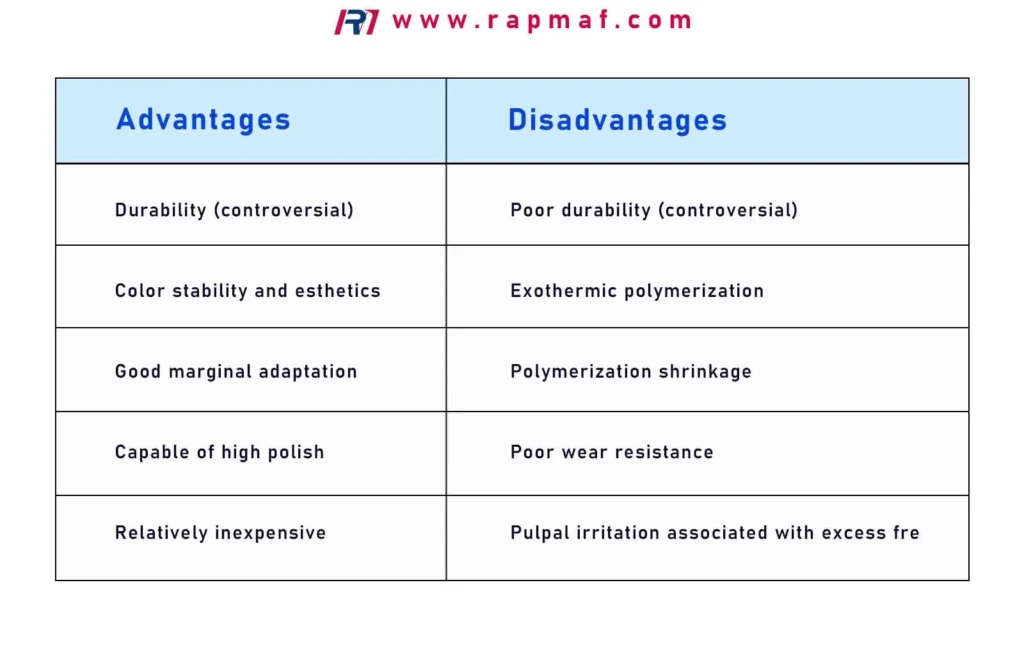
Lower Impact Resistance Than PC
What you see: cracks from a drop, chips on corners, brittle failure from sharp impacts.
Stress Cracking / Crazing Under Load + Chemical Exposure
What you see: fine spider-web cracks around holes, edges, or tight bends; sometimes a “foggy halo” near stressed zones.
This is the classic: “It passed inspection, then failed after a month.”
Heat Limitations (Application Dependent)
What you see: warping near heat sources (lamps, motors, enclosed hot air).
Scratching
What you see: swirl marks from cleaning or rubbing. If the part is handled daily, define cleaning method and scratch expectations early.
Buying PMMA: What To Specify So You Don’t Get A Surprise Substitution
If you only write “acrylic” on a PO, you’re leaving too much to interpretation. Here’s what I specify (or request) to lock the material down.
Specify The Material Like This (Copy/Paste)
- Material: PMMA (Acrylic)
- Form: sheet / rod / tube
- Cast or Extruded: (required)
- Grade: general / optical / UV-stabilized / impact-modified / medical/dental
- Color/clarity: clear, translucent, tinted; allowable haze if relevant
- Thickness and tolerance requirement (don’t assume “standard sheet tolerance” is okay)
- Protective film: both sides / one side / none (and whether film must be laser-safe)
If you don’t know the grade, write:
“Supplier to propose grade based on: fasteners + cleaning chemicals + UV exposure.”
That single sentence forces the supplier to think about failure modes instead of just quoting the cheapest sheet.
Ask For The Actual Grade Name (Not “Plexi”)
“Plexiglas” is a brand family. Many brands have multiple PMMA grades. If your part is sensitive (holes, countersinks, solvent exposure), you want the grade designation so you can repeat the result next time.
Match The Material To The Assembly
PMMA can be perfectly reliable when the assembly is designed for it. It can also fail quickly if you compress it like aluminum.
Before you release a drawing, decide:
- Are screws decorative (light clamp) or structural (high clamp)?
- Will there be gasket compression?
- Will the part see repeated disassembly?
If the answer is “yes” to clamp load or repeated disassembly, I design the joint to reduce stress: larger clearance, washers, and controlled torque.
Machining PMMA: What Actually Prevents Cracks, Chips, And Melt Marks
PMMA machining is straightforward if you respect heat and stress. Most of the ugly problems (edge micro-cracks, cloudy zones, crazing later) come from one of three issues: heat, tooling, or stress left in the part.
The Three Failure Modes To Watch For
Heat Buildup (Melting/Gumming)
Symptoms: smeared edges, cloudy “reflow” look, welded chips, poor dimensional control.
What helps: sharp tools, correct chip load, avoid rubbing, air blast, and toolpaths that keep chips moving.
Micro-Chipping On Edges And Corners
Symptoms: tiny chips on exit edges, rough pocket corners, “frosted” edges.
What helps: proper edge support, correct entry/exit strategy, leaving a light finish pass, and edge breaks designed into the print.
Residual Stress That Turns Into Crazing Later
Symptoms: parts look good, then crack near holes after assembly or cleaning.
What helps: reduce machining stress, avoid aggressive countersinks, consider stress-relief/annealing when the design is sensitive, and choose the right stock (cast can help).
Design Details That Make PMMA Machining Safer
These are small drawing changes that prevent big headaches:
- Add internal radii instead of sharp inside corners
- Avoid knife edges on ribs or thin walls
- Specify a small edge break (e.g., “break sharp edges”)—it reduces crack starters
- Increase hole edge distance when possible (holes too close to edges crack easily)
- If you need a countersink, make sure the fastener and countersink geometry match and the clamp load is controlled
Laser Cutting Vs CNC For Acrylic (Buyer Warning)
Laser cutting is common for acrylic because edges can look very clean. But it can also introduce:
- a heat-affected zone
- higher residual stress on the cut edge (depends on parameters and material)
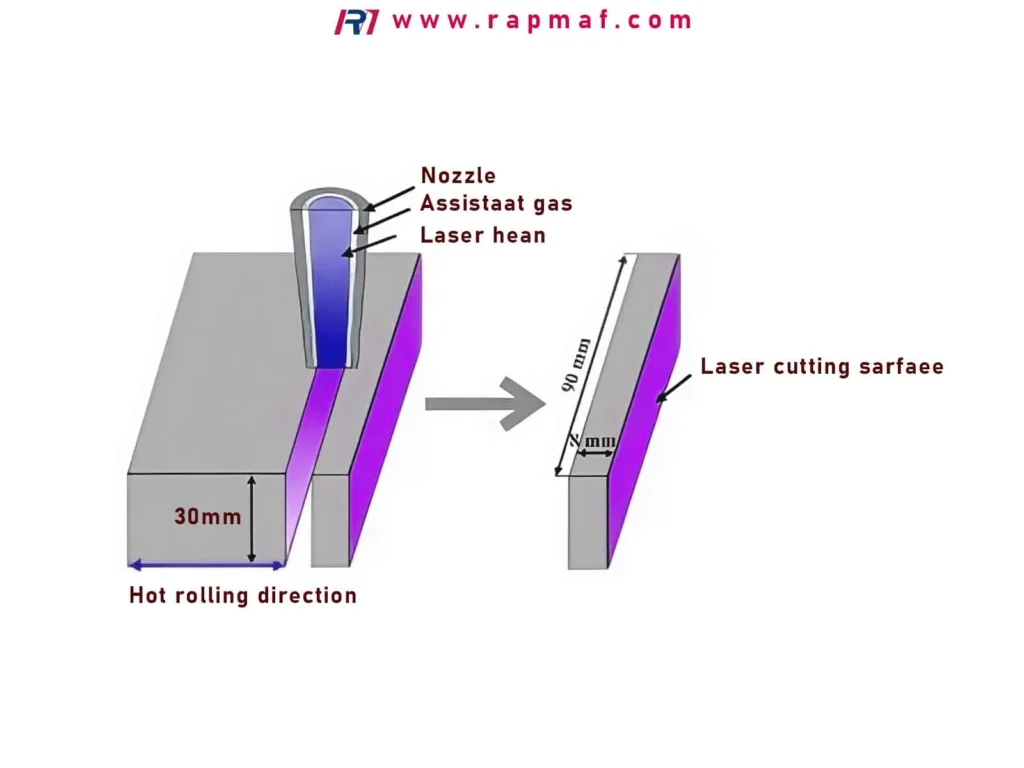
If your design has fasteners close to laser-cut edges or will be exposed to cleaners, CNC machining (or post-process stress relief) can be safer.
Two Cases That Map To Real Buyer Pain
The “Perfect” Clear Cover That Started Cracking After Installation
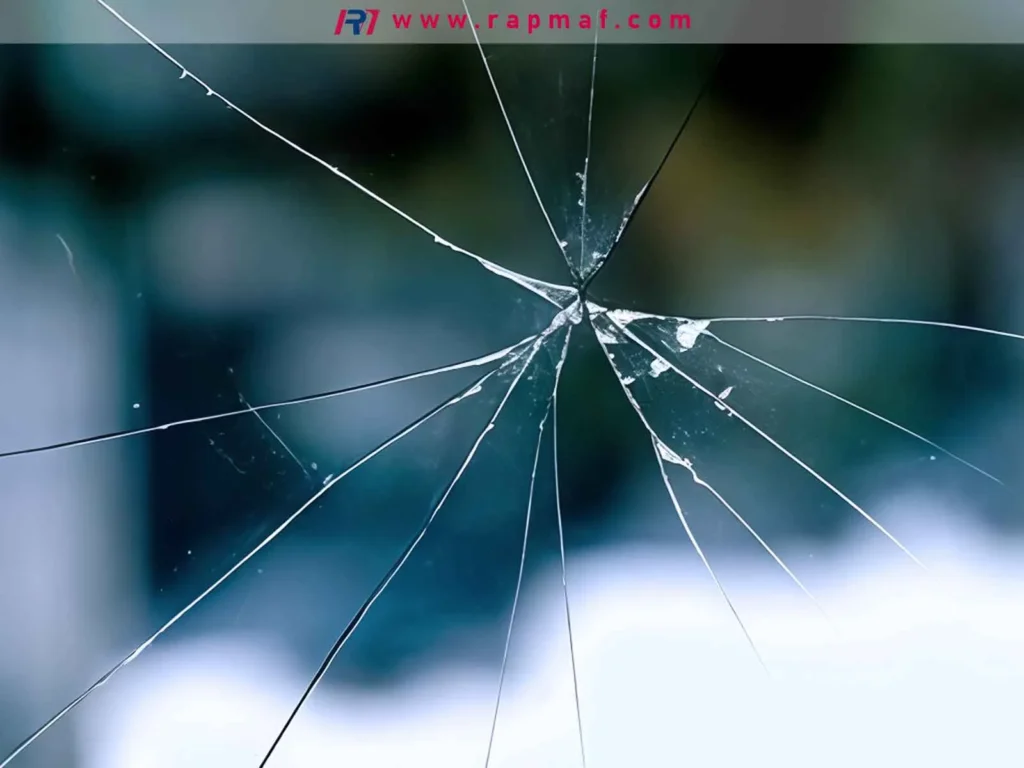
A customer needed clear PMMA covers with countersunk screws for an enclosure. First parts looked great. After installation and routine wipe-down cleaning, cracks appeared around the countersinks.
What changed wasn’t the part—it was the stress environment:
- countersink + torque introduced tensile stress
- cleaning chemicals added an environmental stress-cracking trigger
- residual machining stress amplified the effect
How I’d fix it (and how you can prevent it up front):
- Switch to cast PMMA (or a grade known to resist stress cracking better)
- Reduce clamp stress: washers, controlled torque, or redesign to a shoulder fastener
- Modify the geometry: slightly larger clearance, add edge breaks, avoid sharp transitions
- Align cleaning method with material compatibility (or specify a compatible cleaner)
The “Looks Premium” Display Window That Needed Polished Edges
Different job: the part’s primary function was to look flawless—high clarity, clean edges, consistent appearance under showroom lights.
Here PMMA was the right call because:
- it can deliver a more “glass-like” aesthetic than many plastics
- it polishes well, including edge polish when required
- it holds up well in UV compared with many clear alternatives without coatings
The key was to define cosmetic expectations clearly on the drawing and packaging method to avoid shipping scratches.
If You Want Me To Choose For You: A Fast Selection Path
If you tell me just these three facts, I can make a confident first recommendation:
- Impact risk: “Dropped / hit / safe behind a frame?”
- Cleaning chemicals: “Alcohol wipes / ammonia-based / unknown?”
- Assembly stress: “Screws with torque / press-fit / adhesive bond?”
Then I choose like this:
- High impact → PC first, consider hard coating if scratch is a concern
- Low impact + premium look → PMMA (often cast)
- Screws + frequent cleaning → cast PMMA + stress-reducing joint design (or reconsider PC)
- Tight press-fit → re-check; PMMA press-fits can be risky unless designed gently
How We Quote PMMA Parts
When we quote PMMA (acrylic) parts, our goal is simple: prevent the two expensive surprises—(1) parts that look fine but crack later, and (2) parts that arrive scratched or cosmetically inconsistent.
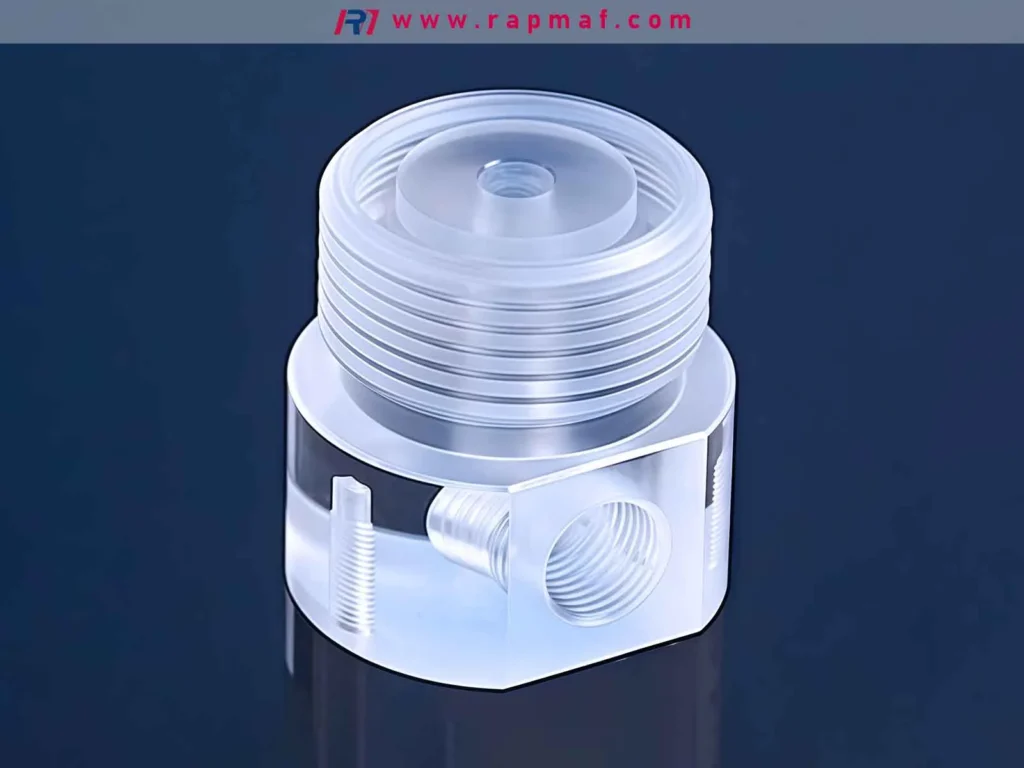
To do that, we don’t just price machining time. We qualify the use case, confirm what “good” looks like, and lock the process plan before we cut your first piece.
What We Need From You To Quote Fast (And Correctly)
Send any of the following you already have; we’ll fill gaps with questions:
- STEP file + drawing (PDF) with revision
- Quantity (prototype + expected annual volume)
- Material preference: cast or extruded (if unknown, say so)
- Cosmetic requirements: “view side,” allowable marks, edge appearance
- Assembly method: screws/countersinks, press-fit, adhesive, gasket compression
- Environment: UV, temperature, cleaners/solvents, indoor/outdoor
- Critical features: thin walls, long slots, tight flatness, optical areas
- Packaging expectations: film on/off, interleaving, scratch criteria at incoming
If you only provide one sentence beyond the drawing, make it this:
“This part will be fastened and cleaned regularly.”
That changes how we recommend stock (cast vs extruded), how we machine edges, and what we suggest for hole/countersink details.
The Questions We Ask Before We Lock The Material
These questions keep you from paying twice:
- Is this a protective cover or an optical display surface?
- Will the part see point loads (screws, clamps) or mostly free-standing support?
- Do you care more about impact resistance or clarity/UV stability?
- Which side is the A-surface (the side customers see)?
- Are you open to small design tweaks (radii/edge breaks) to reduce cracking risk?
If your answers suggest PMMA is the wrong fit, we’ll tell you early and propose alternatives (often polycarbonate), because the cheapest quote is meaningless if you’re reordering parts after a field failure.
How We Avoid The Most Common PMMA Quality Problems
We Control Stress And Heat During Machining
We choose toolpaths and cutting conditions that reduce rubbing and heat buildup (the usual cause of smeared edges and cloudy zones), and we plan finishing passes to protect edge quality.
We Treat Holes, Countersinks, And Edges As “High-Risk Features”
Most PMMA failures start at stress concentrators. If your part uses fasteners, we pay extra attention to:
- edge breaks
- hole quality and exit support
- countersink geometry consistency
- recommending washer/torque guidance when appropriate
We Quote Packaging As Part Of The Product
Clear parts fail at the last mile: handling and shipping. For PMMA, we typically recommend:
- leaving protective film on where possible
- interleaving (paper/film) between parts
- separating polished edges from contact points
If you’ve ever opened a box and found “mystery scuffs,” you know why this matters.
What You Get With The Quote (So Procurement Can Compare Apples-To-Apples)
A good quote isn’t just a number. We include:
- material assumption (cast/extruded + grade if known)
- process assumption (CNC vs laser, edge finish notes)
- inspection scope for critical dimensions
- packaging and cosmetic handling assumptions
- lead time and what drives it (stock vs finishing)
That way, when you compare suppliers, you’re comparing the same deliverable, not just the same word “acrylic.”
If You Want A Same-Day Quote, Use This RFQ Email Template
Subject: RFQ – PMMA (Acrylic) Machined Parts – [Qty] – Rev [X]
Hello [Name],
Please quote machining for the attached PMMA (acrylic) part(s).
- Files: STEP + PDF drawing (Rev [X])
- Qty: [Prototype qty] now, [forecast] per year
- Material: PMMA (Acrylic), [Cast / Extruded / Unknown—please recommend]
- Cosmetic: A-surface is [side], appearance requirement: [clear / polished edges / no visible tool marks in viewing area]
- Assembly: [screws/countersinks + torque if known] / [press-fit] / [adhesive bond]
- Environment: [indoor/outdoor], cleaners: [IPA / ammonia-based / unknown], UV exposure: [yes/no]
- Critical dims/tolerances: [list]
- Packaging: keep protective film [on/off], parts must arrive scratch-free on A-surface
Please include lead time, inspection method for critical features, and any design/material recommendations to reduce cracking/crazing risk.
Best regards,
[Your Name]
[Company]
[Phone]
RFQ Checklist: 6 Things To Send So Your Quote Is Accurate (And Comparable)
When buyers request “acrylic parts,” suppliers can quote wildly different things and still claim compliance. To keep quotes apples-to-apples, include:
- 3D/2D files (STEP + drawing) with revision
- Material callout: PMMA (cast/extruded) + grade if known
- Quantity + annual volume (prototype vs production changes how stock is chosen)
- Critical dimensions & tolerances (and what is cosmetic vs functional)
- Finishing requirements: edge polish? flame polish allowed? matte/clear? protective film?
- Use conditions: UV, cleaners, fasteners/torque, temperature range
If you can add one more line, add:
“Part will be assembled with screws and cleaned weekly with alcohol wipes.”
That one sentence changes the best material recommendation more than most tolerance notes do.
FAQs
What Is The Difference Between PMMA And Acrylic?
Usually none: PMMA is the chemical name; acrylic is the common name. The differences that matter are cast vs extruded and the specific grade.
Are PMMA And Acrylic The Same?
Yes in most purchasing contexts. Confirm cast/extruded and grade to avoid mismatches.
What Are The Drawbacks Of PMMA?
Lower impact resistance than polycarbonate, potential stress cracking/crazing with certain chemicals under stress, moderate heat resistance, and scratch sensitivity.
PMMA Vs Polycarbonate: Which Should I Use?
If impact/safety matters, start with polycarbonate. If clarity/UV stability/finish matters and impact is limited, PMMA is often the better choice.
PMMA Vs MMA: What’s The Difference?
MMA is the monomer (often liquid); PMMA is the polymer (solid plastic).
What Is PMMA Used For?
Clear covers/windows, displays, signage, aesthetic housings, and dental CAD/CAM discs/blocks (grade-dependent).
References
- ASTM International — Plastics standards (D256, D638, etc.): https://www.astm.org/
- Röhm Plexiglas — Technical information and processing: https://www.plexiglas.de/en