


If you’re asking “what melts first, silver or gold,” you might be coming from one of two places:
- You’re doing something practical—casting, soldering, brazing, heat-treat adjacent work, or reclaiming scrap—and you need a reliable temperature target.
- You’re comparing materials for a part that might see heat spikes and you’re using melting point as a quick proxy for “temperature resistance.”
Both are valid. The key is to separate pure-metal facts from real-world alloy behavior and then translate that into decisions you can trust on the shop floor.
Silver Vs Gold: What Melts First?
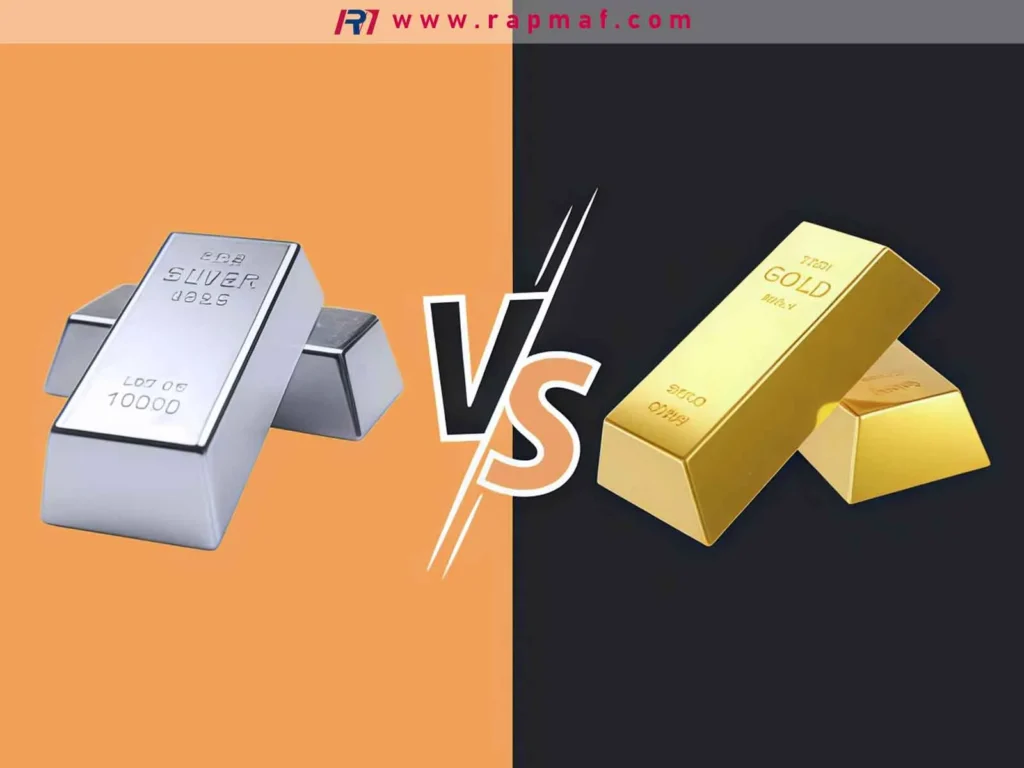
For pure metals, the answer is straightforward:
- Silver (Ag) melting point: 961.8°C (1763°F)
- Gold (Au) melting point: 1064.2°C (1947°F)
So, pure silver melts first.
Where people get burned (sometimes literally) is assuming that “silver” means pure silver and “gold” means pure gold. In practice, most items are sterling silver or karat gold alloys—and alloys can melt over a range and behave differently under a torch than a single textbook number suggests.
What The Silver Melting Point Number Really Means?
The melting point you see on a datasheet is a property measured under controlled conditions—chemistry defined, pressure defined, temperature measurement defined.
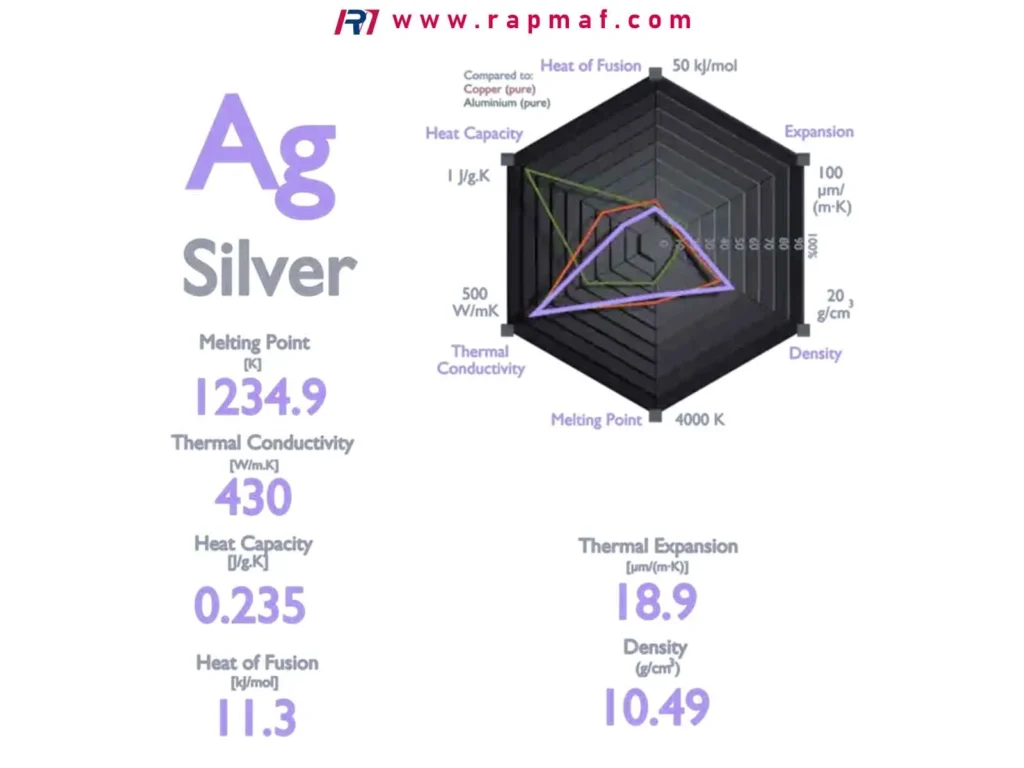
In the real world, what you observe depends on:
- Thermal mass: a thin silver sheet will “go liquid” quickly; a chunky piece takes longer.
- Heat transfer: crucible type, contact area, flame size, furnace airflow.
- Surface condition: oil, oxide, plating, residues, and dirt can change how heat flows and how the surface looks as it approaches melting.
- Temperature measurement: IR guns can be wrong if emissivity is off; thermocouple placement matters.
A common practical mistake is “I set the furnace to 960°C, why didn’t my silver melt?” Because your workpiece may not actually be at 960°C everywhere, and pure silver is not always what you’re melting.
Melting Points Of Common Metals
Here’s a short table for context (pure metals unless noted):
| Material | Melting Point (°C) | Melting Point (°F) | What This Means In Practice |
|---|---|---|---|
| Silver (Ag) | 961.8 | 1763 | Melts before gold and copper (pure) |
| Gold (Au) | 1064.2 | 1947 | Higher than silver, lower than many steels |
| Copper (Cu) | 1084.6 | 1984 | Close to gold; easy to misjudge without a thermometer |
| Aluminum (Al) | 660.3 | 1221 | Melts far earlier; common “oops” metal in mixed scrap |
| Tin (Sn) | 231.9 | 449 | Very low; solder-related operations can surprise people |
| Iron (Fe) | 1538 | 2800 | High melting point, but loses strength well below that |
| Carbon steel (varies) | ~1370–1540 | ~2500–2800 | “Steel” is a range, not a single value |
If you only take one thing from this section: melting point comparisons are only clean when you compare pure metals. Once alloys enter the picture, you need to switch from “a point” to “a range” and from “will it melt” to “how will it soften and deform.”
Sterling Silver: Why It Doesn’t Behave Like Pure Silver
Most “silver” in jewelry and many industrial parts is sterling silver, typically:
- 92.5% silver + 7.5% copper (Ag-Cu alloy)
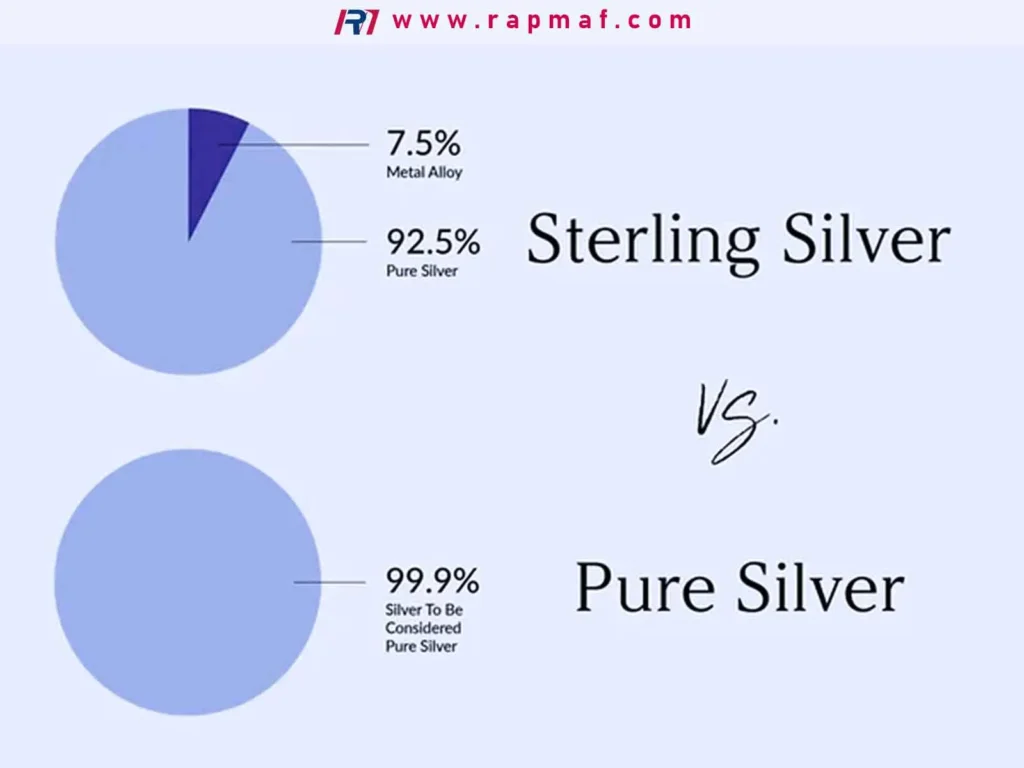
Because it’s an alloy, sterling generally melts across a melting range (solidus to liquidus), not one sharp temperature. Different suppliers may also tweak the remaining percentage (trace elements) for workability, tarnish behavior, or grain refinement.
A life example you’ve probably seen
Picture a sterling silver ring being heated for a repair. It doesn’t always “stay solid until 961.8°C.” Instead, it may:
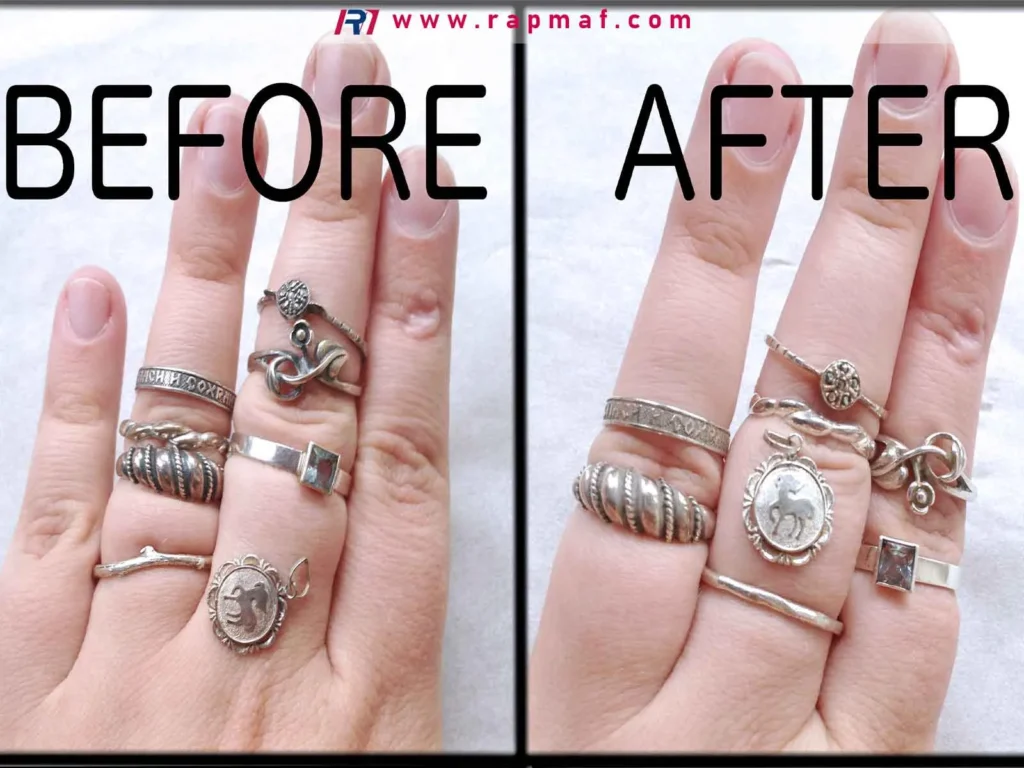
- Hold shape for a while.
- Suddenly look a bit “sweaty” or start rounding at edges.
- Slump or sag before it becomes fully liquid.
That “slump before full melt” is exactly why jewelers pick solders carefully (hard/medium/easy) and why heat distribution matters as much as the peak temperature.
What to do with this as a buyer or engineer
If you’re sourcing a silver alloy part that will be heated (soldering operations, brazing nearby, thermal cycling), ask for:
- the exact alloy designation if available
- the supplier’s recommended processing temperature window
- whether any protective atmosphere is required for surface quality
Karat Gold: Lower Karat Can Melt Lower Than You Expect
Pure gold is 24K. Common alloys include 18K, 14K, 10K, etc., meaning less gold and more other metals (silver, copper, zinc, nickel, palladium depending on color and requirements).
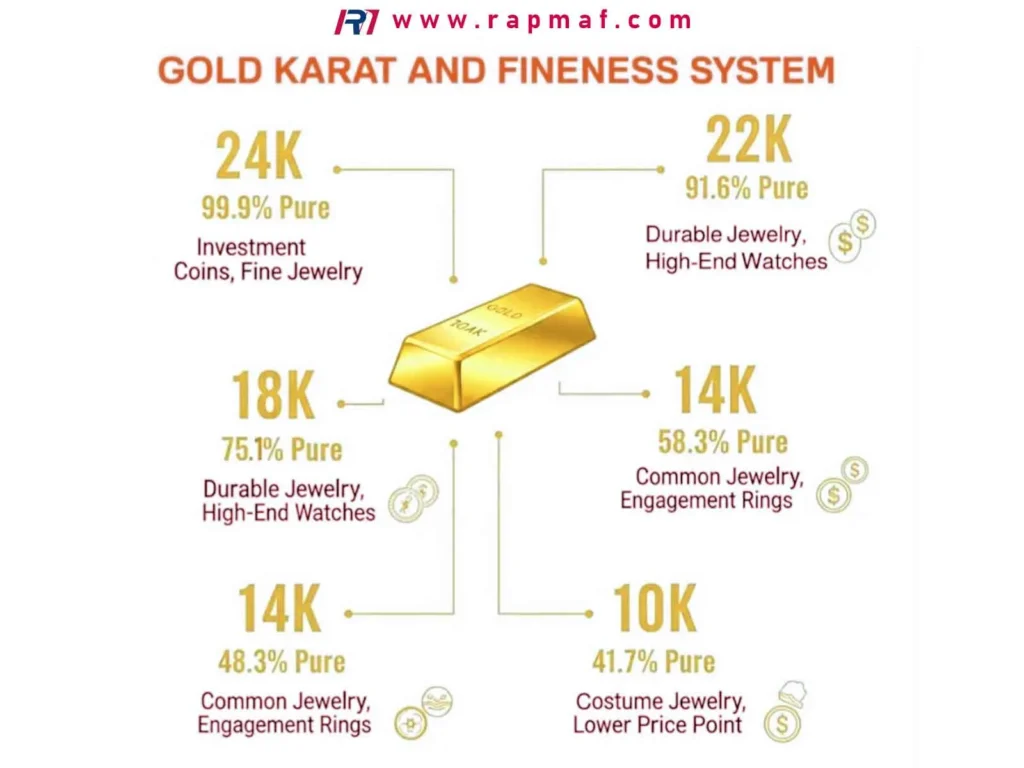
Here’s the practical implication:
- Lower-karat gold is not “just gold that melts at the same temperature.”
- The melting range can shift, sometimes enough that your “silver vs gold” assumption stops being a safe rule of thumb.
So while pure silver melts before pure gold, a specific sterling silver vs a specific 10K/14K gold alloy comparison should be made using the actual alloy’s published melting range.
“What Melts First” In Real Shops: The Traps People Don’t Mention
Trap 1: “It didn’t melt, so it must not be silver”
Not necessarily. It might be silver but:
- heat isn’t reaching the core
- the piece is attached to a higher-melting component acting as a heat sink
- you’re reading temperature incorrectly
Trap 2: Visual cues lie
Metals can glow, oxidize, and look “ready” at very different temperatures depending on lighting and surface condition. The safe move is to control temperature with a thermocouple (furnace) or a well-characterized torch procedure (repeatable setup).
Trap 3: Platings and mixed materials change behavior
A gold-plated item isn’t “gold” from a melting standpoint. A silver-plated item isn’t “silver.” If you’re processing scrap or unknown components, plating can mislead you until the base metal shows itself.
Melting Point vs Softening: Why Parts Fail Below The Melt
If your real concern is “will this part survive a heat event,” melting point is only a rough headline. Many failures happen well below melting because:
- yield strength falls with temperature
- elastic modulus drops
- creep becomes possible (time + temperature + load)
- microstructure changes can occur in some alloys
- oxidation and scaling can ruin surfaces and fits
Practical example: A silver contact that “didn’t melt” but failed anyway
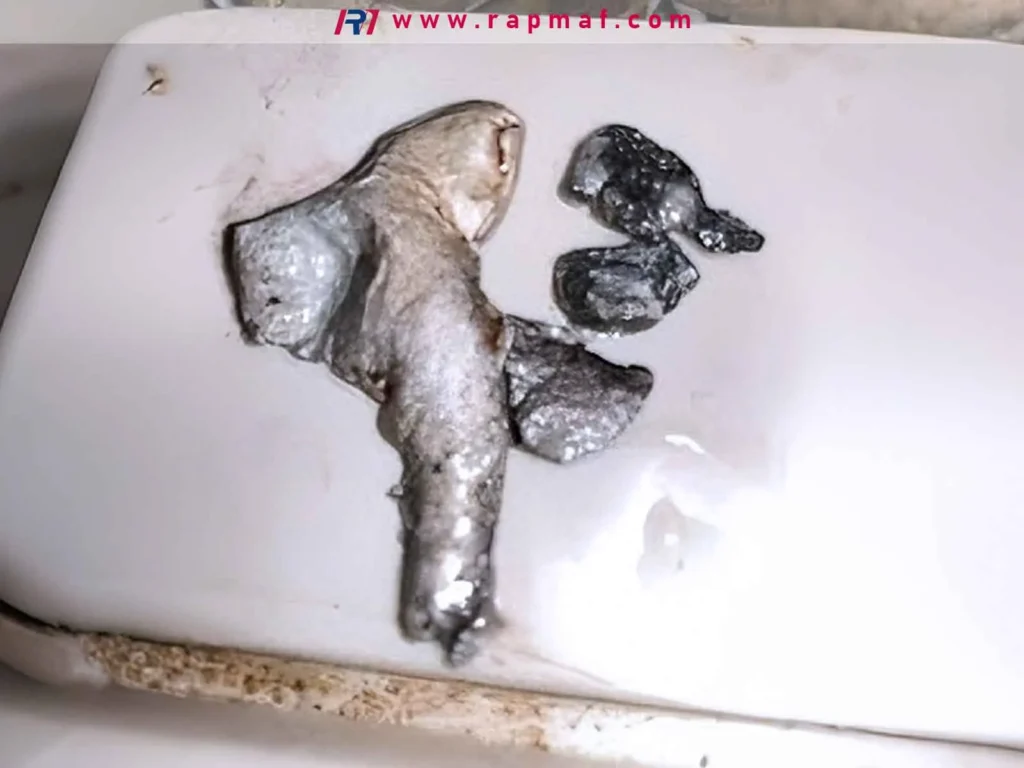
In electrical components, silver is valued for conductivity. During a high-current fault event, the temperature spike might:
- relax spring force in a contact arm
- warp a thin feature
- change contact pressure and increase resistance
- accelerate wear and arcing
The part may not be a puddle on the bench, but it’s still failed.
If you’re specifying material for a heated environment, you’ll usually want to define:
- maximum continuous temperature
- maximum short-term spike temperature
- mechanical load at temperature
- acceptable dimensional drift
If I Were Choosing Between Silver And Gold Based On Heat
Here’s how I’d decide, depending on what you’re actually trying to do.
Scenario A: You’re melting/casting and want the easier melt
If both are pure:
- choose silver if you want a lower melting point and lower furnace demand
But I’d also ask:
- do you need oxidation control?
- how sensitive is the surface finish?
- do you need high purity and certification?
Scenario B: You’re soldering/joining and want to avoid slumping
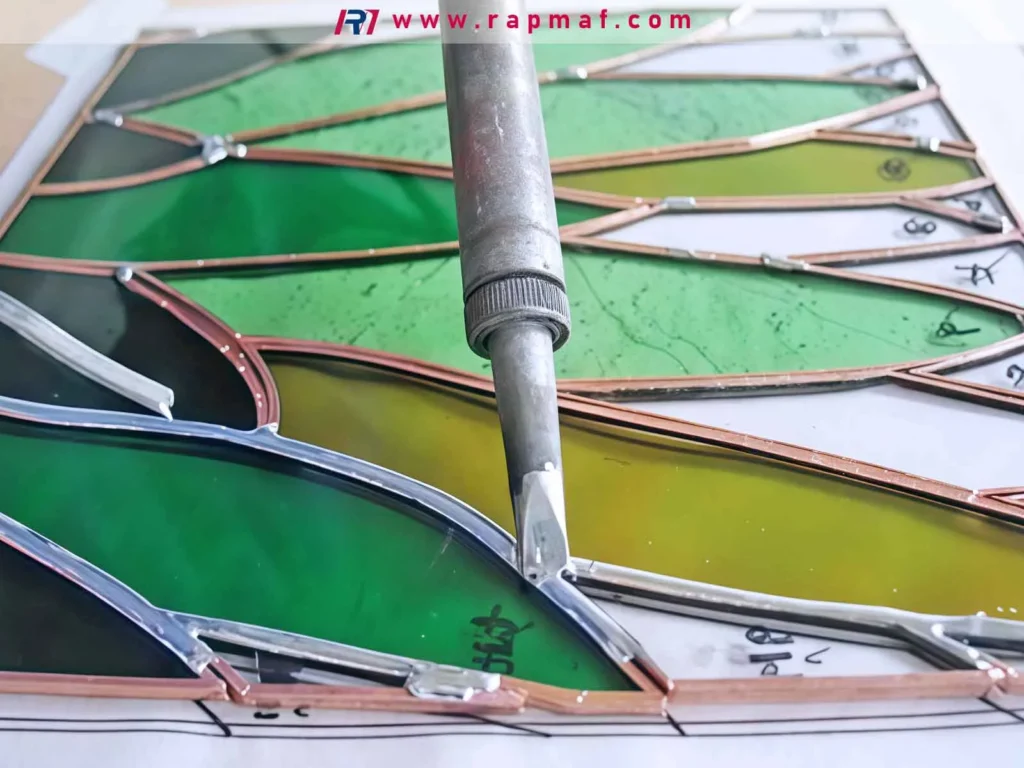
I wouldn’t choose by melting point alone. I’d choose by:
- joining method and filler material (solder/braze)
- part geometry (thin sections slump sooner)
- heat path and fixturing
- whether surface discoloration is acceptable
In this world, “silver vs gold” is less important than the exact alloy and the joining recipe.
Scenario C: You’re designing a part that might see heat
I’d ask: why are we even looking at silver or gold?
- If it’s electrical performance: silver may be justified.
- If it’s corrosion resistance and inertness: gold plating might be justified.
- If it’s purely thermal survival: many other alloys might be better, cheaper, and more stable.
The Question People Also Ask
What Is The Melting Point Of Silver?
961.8°C (1763°F) for pure silver.
What Is The Melting Point Of Gold?
1064.2°C (1947°F) for pure gold.
What Is The Melting Point Of Copper?
1084.6°C (1984°F) for pure copper.
What Is The Melting Point Of Iron And Steel?
- Iron (pure): 1538°C (2800°F)
- Steel: varies by alloy; many common steels melt across roughly
1370–1540°C (2500–2800°F).
What Is The Hardest Metal To Melt?
If you mean “highest melting point,” tungsten (W) is a common benchmark at roughly 3422°C (6192°F).
In practice, “hard to melt” can also mean it needs special equipment (inert gas, vacuum, compatible crucibles).
“Melting” Is Often The Wrong Step
A lot of “how much does silver melt at” traffic is actually coming from someone trying to solve one of these problems:
- remove a stuck fastener or insert
- salvage a part without damaging adjacent components
- repair a small feature on jewelry or hardware
- test whether something is real silver/gold
In many of these cases, controlled soldering/brazing or mechanical separation is safer than full melting, because full melting:
- destroys dimensional control
- introduces contamination risk
- changes surface appearance drastically
- makes quality verification harder
If you’re doing this as part of manufacturing, it’s worth stepping back and asking: do you need “melt,” or do you need “join, reshape, or separate”?
What To Tell A Supplier
If you’re asking a shop for help—casting, machining a holder, designing a fixture, or making a heat-exposed part—send these details. It’s the difference between an accurate process recommendation and a generic response.
RFQ Checklist (Metal Parts With Heat Exposure)
- Material and grade (pure Ag vs sterling; gold karat/alloy; copper content if known)
- Form (bar, sheet, wire, casting) and any existing plating/coating
- CAD + drawing with critical dimensions and tolerances
- Heat cycle: max temperature, duration, and number of cycles
- Loads at temperature (tension, clamp force, vibration)
- Failure concern (slump, warp, discoloration, conductivity loss, joint failure)
- Quantity (prototype/pilot/production) and target lead time
- Inspection requirements (dimensional report, material certs, surface requirements)
If you provide this up front, a good supplier can recommend:
- the safest alloy choice for your use case
- whether to join with solder or braze and what to watch out for
- how to fixture to prevent distortion
- what inspection makes sense after heat exposure
References
- Engineering ToolBox — Melting points of metals (overview; verify with your alloy datasheet): https://www.engineeringtoolbox.com/melting-temperature-metals-d_860.html