


| Question | Direct Answer |
|---|---|
| What is tungsten? | Tungsten, also referred to as Wolfram, is a rare, naturally taking place chemical component (icon W, atomic number 74). It is a hard, thick, silver-gray metal valued for having the highest melting point of all aspects and the highest possible tensile strength of all pure metals. |
| Is tungsten a metal? | Yes, definitely. It is a shift steel, situated in the exact same team as chromium and molybdenum on the table of elements, understood for its exceptional toughness and density. |
| Is tungsten rare? | Yes, it is taken into consideration a rare and purposefully important element. Its focus in the Earth’s crust is very reduced, and mining is concentrated in just a few countries, with China being the globe’s biggest producer. |
| What is tungsten known for? | Tungsten is well-known for 3 severe buildings: its unbelievable thickness (it’s nearly as heavy as gold), its extreme firmness (especially when incorporated with carbon to make tungsten carbide), and its amazingly high melting point (6,192 ° F/ 3,422 ° C). |
You’ve felt it before, even if you really did not understand what it was. You get a little item– a ring, a high-end dart, an angling weight– and your brain registers a minute of complication. Your eyes see a small product, but your hand really feels a shocking, rewarding, and undeniable heft. Your muscles strained just a little bit greater than they expected, and a single thought flickers via your mind: “This thing is heavy.”
Opportunities are, you have actually just had your first experience with tungsten.
Tungsten is the indisputable heavyweight champion of the table of elements. It’s not fancy like gold or typical as iron, but in a contest of pure, brute-force strength, tungsten stands in a class of its own. It’s the material engineers turn to when every little thing else thaws, bends, or breaks. It is the aspect of extremes, the last line of protection versus warm and pressure, and among one of the most interesting and misinterpreted metals on Earth.
To really understand tungsten is to recognize a compound defined by its refusal to generate. But what provides this amazing element its fabulous online reputation? To respond to the concern, “What is tungsten?” we need to first check out the core residential properties that make it so one-of-a-kind.
What Fundamental Qualities Specify What is Tungsten?
Every material has a personality, a set of characteristics that dictates how it behaves in the world. Steel is the strong and reliable workhorse. Aluminum is the lightweight and adaptable athlete. Tungsten’s personality is that of an unmovable, unbreakable, and stoic guardian. This identity is built on four fundamental pillars.
Every product has an individuality, a collection of qualities that dictates exactly how it acts worldwide. Steel is the strong and trustworthy workhorse. Light weight aluminum is the light-weight and versatile professional athlete. Tungsten’s personality is that of an unmovable, unbreakable, and stoic guardian. This identity is improved four fundamental pillars.
1. The Support of the Table Of Elements (Thickness).
The first thing that sets tungsten apart is its enormous thickness. A cubic inch of tungsten considers concerning 0.697 pounds (19.25 grams per cubic centimeter). This number may not mean much by itself, so let’s put it in point of view:.
It’s about 1.7 times denser than lead.
It’s nearly 2.5 times denser than steel.
It’s over 7 times denser than light weight aluminum.
It’s virtually specifically the same thickness as pure gold.
This is why a tungsten wedding ring really feels so considerable compared to titanium, and why a little tungsten dice can feel impossibly hefty. It’s a physical technique on the mind. This unbelievable thickness comes from its atomic structure; tungsten atoms are compacted exceptionally securely, leaving very little empty space. This property isn’t just an uniqueness; it makes tungsten extremely beneficial in applications where you need to pack a lot of mass right into a very tiny space, from the keels of racing luxury yachts to the weights that maintain plane wings secure.
2. The Solid Shield (Solidity).
When individuals speak about tungsten being “solid,” they’re commonly discussing its amazing hardness and scrape resistance, yet it’s critical to make a distinction right here. Pure tungsten steel, while strong, is in fact rather pliable, meaning it can be drawn right into a really thin cord (a residential or commercial property we’ll discuss later on).
The fabulous solidity people associate with tungsten often refers to Tungsten Carbide (WC).
Tungsten carbide is not a metal, yet a ceramic-metal compound, or cermet. It’s developed by chemically reacting tungsten powder with carbon powder at exceptionally high temperatures. The outcome is a product that is among the hardest substances ever before produced by human beings. On the Mohs scale of mineral hardness, which places materials from 1 (talc) to 10 (ruby), tungsten carbide scores between a 9 and a 9.5. It is, for all practical purposes, almost as difficult as a ruby.
This is why your tungsten carbide ring pokes fun at doorknobs, brick walls, and steel tools that would certainly leave a deep mark on a gold or platinum band. It’s also why nearly all modern cutting devices, from the drill little bit that made the holes in your phone’s circuit card to the massive teeth that chew through rock in a mining tunnel, are made of or tipped with tungsten carbide. It can hold a sharp edge under problems of severe heat and pressure that would certainly create the hardest steel to soften and stop working.
3. The Unyielding Fire (Melting Point).
This is tungsten’s real superpower. Tungsten has the greatest melting point of all understood metallic elements: 6,192 ° F( 3,422 °C).
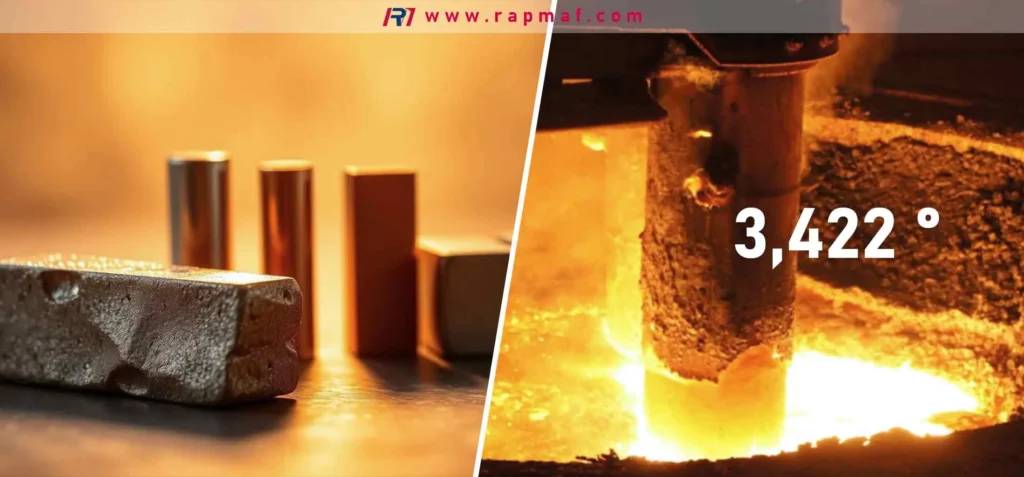
Allow that number sink in. Steel melts around 2,500 ° F. Titanium quits around 3,000 ° F. The surface area of the sun is about 10,000 ° F. Tungsten can withstand temperatures that would turn virtually every other steel into a bubbling puddle. It additionally has the lowest vapor stress of all metals, suggesting it’s incredibly immune to evaporating also when white-hot.
This particular home is the factor the modern globe was able to be lit up. Early incandescent light bulbs made by Thomas Edison utilized carbonized bamboo filaments that stressed out quickly. The look for a much better material led to tungsten. Its capacity to be drawn into a hair-thin cord and glow white-hot for over a thousand hours without vaporizing or melting was the technical leap that brought electrical light to the masses. Even today, this residential property makes it crucial for applications that involve severe warm, like the nozzles of rocket engines, burner in high-temperature heaters, and the electrodes utilized in TIG welding, where it should maintain a great electric arc without thawing itself.
4. The Unwilling Partner (Chemical Inertness).
Past its physical strength, tungsten is additionally chemically stoic. It is highly resistant to deterioration and does not respond with most acids. This is an additional factor it’s an outstanding product for jewelry; it will not stain, corrode, or cause skin reactions like a few other metals. It remains on your finger, unaffected by the globe around it. This inertness, integrated with its hardness and thickness, makes it a material of permanence.
Exactly how is What is Tungsten Found and Made?
A product with such extreme residential or commercial properties doesn’t come very easy. The trip of what is tungsten from a rock in the ground to a finished item is a difficult, energy-intensive process that aids explain its expense and specialized standing.
1. Mining the Wolf’s Foam (The Ore).
Tungsten is not located as a pure steel in nature. It needs to be extracted from minerals, mainly scheelite and wolframite. The name “Wolfram” (from which tungsten obtains its icon, W) originates from wolframite and is German for “wolf’s foam” or “wolf’s cream.” Early miners found that the mineral interfered with the smelting of tin and “fed on” the tin like a wolf devouring a lamb.
These ores are typically discovered in quartz veins or via contact metamorphism, where warm lava has communicated with existing rock. The procedure starts like any other mining operation: blasting and crushing lots of rock to remove the tiny fraction which contains the important ore. China controls the globe’s tungsten supply, representing over 80% of global production, that makes it a strategically essential source for several nations.
2. The Intense Furnace (Refining Process).
Getting from a crushed rock to pure tungsten powder is a complicated multi-step chemical procedure. The crushed ore is focused and then subjected to a series of chemical baths and reactions to liquify the tungsten-containing compounds and different them from all the various other pointless rock. This ultimately yields a cleansed salt called ammonium paratungstate (APT).
The APT is after that roasted to form pure tungsten oxide. To obtain the last, pure tungsten metal powder, this oxide is placed in a heating system under a hydrogen ambience and warmed to concerning 1560 ° F( 850 ° C). The hydrogen strips the oxygen atoms from the tungsten oxide, leaving behind a penalty, gray powder of 99.9% pure tungsten.
3. From Dirt to Density (Sintering).
Here’s where tungsten manufacturing obtains truly distinct. As a result of its absurdly high melting point, you can’t simply melt this powder in a crucible and pour it right into a mold like you would with steel or aluminum. The power needed would be immense, and no typical mold and mildew material can contain it.
Rather, tungsten components are created via a procedure called sintering.
The pure tungsten powder is poured into a high-pressure mold and mildew and pressed with enough pressure to develop a dense, fragile bar, typically called a “environment-friendly bar.” This bar is after that heated in a furnace with a protective atmosphere to a temperature just listed below its melting point. At this extreme temperature, the private tungsten particles fuse together, producing a strong, thick, and solid metal ingot. This procedure, called powder metallurgy, is important for dealing with products that have impossibly high melting points.
From this sintered bar, the tungsten can be further functioned– warmed and hammered (forged), rolled right into sheets, or attracted with passes away to create the unbelievably fine wires needed for light bulb filaments. It is a testament to the metal’s durability that even the process of shaping it is a harsh, high-energy affair. This hard trip is an innate part of the response to what is tungsten: it’s a product so challenging that also its development requires a trial by fire.
Where is What is Tungsten ( Pure Steel) Utilized?
Pure or nearly pure tungsten alloys are chosen when an application faces terrible temperatures or calls for a big amount of mass in a small package. These are the domains where its one-of-a-kind personality traits– the Unyielding Fire and the Anchor of the Periodic Table– really radiate.
1. The Light in the Darkness (Filaments and Electrodes).
This is tungsten’s most renowned historical duty. The creation of the ductile tungsten filament, a wire thinner than a human hair that might glow at over 4,000 ° F for hundreds of hours, was the innovation that made incandescent lights practical and affordable. While LEDs have largely changed them in homes, tungsten filaments are still necessary in scientific instruments, phase lights, and various other specialized high-intensity lamps.
This same principle reaches its usage as electrodes. In Gas Tungsten Arc Welding (GTAW), likewise referred to as TIG welding, an electrical arc is struck in between a non-consumable tungsten electrode and the work surface. The arc’s temperature can exceed 10,000 ° F. Tungsten is one of the only conductive materials in the world that can endure that arc, network that power, and not merge a pool while doing so. It stands, white-hot and stubborn, just millimeters from the liquified weld swimming pool, an excellent testament to its heat-resisting superpower.
2. The Hidden Weight (High-Density Applications).
Tungsten’s gold-like density makes it the ideal material for high-performance weights and ballast. A wonderful instance remains in the globe of professional motorsports, like Formula 1. F1 automobiles have a minimum weight limitation, and designers make every effort to develop the vehicle as far listed below that limit as possible. They then use specifically put blocks of tungsten as ballast to bring the car as much as the lawful weight. Why tungsten? Because it’s so dense, they can focus a huge amount of weight in an extremely tiny, details location, placing it as low to the ground as feasible to considerably lower the vehicle’s center of gravity. This improves handling and cornering rate even more than including the same weight as a bigger, less dense steel plate would certainly.
You additionally see this in:.
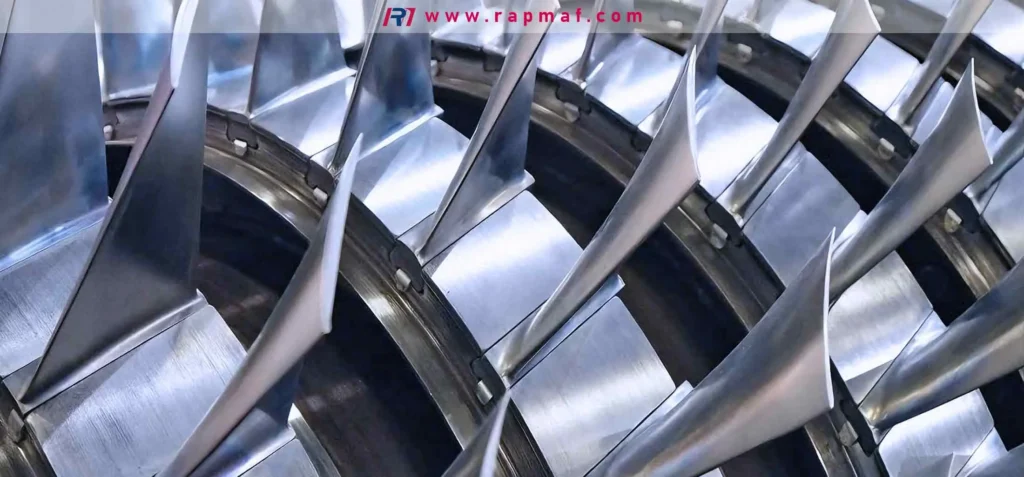
Aerospace: Essential counterweights for control surfaces (ailerons, tails) on high-performance aircraft are often constructed from tungsten to provide the needed mass without using up priceless space.
High-End Darts: Expert dart players usually choose barrels made from 80-95% tungsten. This enables a really slim, pencil-like dart that is still hefty and steady in flight, enabling tighter groups on the dartboard. A brass or steel dart of the exact same weight would certainly be much thicker and clumsier.
Angling Weights: Environmentally-conscious fishermens are significantly making use of tungsten weights as opposed to typical lead. Not just is tungsten non-toxic, however its density indicates a much smaller sized weight can be made use of to achieve the same sinking deepness, resulting in fewer grabs and much better feeling of the line.
3. The Guard Against the Undetectable (Radiation Protecting).
That same density makes tungsten an excellent product for protecting versus ionizing radiation, like X-rays and gamma rays. For a given level of shielding, a tungsten guard can be dramatically thinner and lighter than a lead one. This is essential in medical applications like CT scanners and radiation therapy devices, where space is limited and precision is critical. Tungsten-based protecting permits even more focused radiation beam of lights and better protection for both people and healthcare employees, without the mass and toxicity of lead.
Where is What is Tungsten Carbide Utilized?
If pure tungsten is the stoic guardian versus warm, tungsten carbide (WC) is the hostile, frontline warrior. By alloying tungsten with carbon, we trade some warm resistance for a large gain in solidity and use resistance. This is where what is tungsten becomes the product that cuts, grinds, and pulverizes everything else.
1. The Teeth of the Planet (Reducing and Mining Tools).
This is the biggest single use of tungsten carbide. Basically every contemporary manufacturing process counts on it.
Machining: The inserts on the cutting devices made use of in CNC mills and turrets are almost always made from tungsten carbide. They can cut via hardened steel, titanium, and various other hard alloys at high speeds, producing enormous heat and pressure, while holding a sharp side for an extremely long time. They are the factor modern-day manufacturing is so fast and accurate.
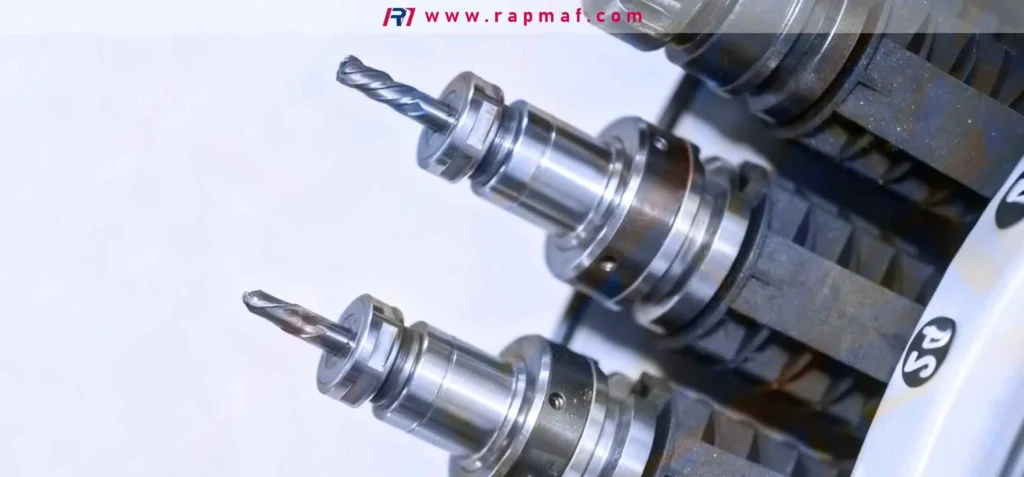
Mining and Boring: The drill bits used for oil and gas expedition, the substantial shearer drums that reduced coal from a mine face, and the passage monotonous machines that dig subways are all outfitted with tungsten carbide “buttons” or teeth. These are the points of get in touch with that do the brutal job of crushing rock, everyday. Nothing else reasonably budget-friendly material can endure that degree of abrasive punishment.
Woodworking: Top quality router bits and saw blades are tipped with little brazed-on teeth of tungsten carbide. This enables them to remain sharp far longer than steel blades, specifically when reducing abrasive materials like particleboard or MDF.
2. The Unscratchable Device (Jewelry).
The surge of tungsten carbide as a prominent material for wedding event bands is a straight outcome of its extreme scrape resistance. For people that work with their hands or just desire a ring that will certainly look brand new for decades, it’s a perfect selection. A tungsten carbide ring can be scuffed against concrete, hit with a hammer, or ground against steel and will typically arise without a single scrape. This durability is an effective symbol. It is very important to keep in mind the trade-off: this solidity additionally makes it weak. If hit with enough sharp pressure, it will not bend like gold; it will certainly fracture. Nevertheless, for resisting the daily grind of scratches and scuffs, it is unrivaled.
3. The Idea of the Pen (And Various Other Put On Parts).
Tungsten carbide’s resistance to use makes it ideal for any kind of application where 2 parts are in continuous gliding contact.
Ballpoint Pens: The little, flawlessly spherical round at the tip of a top notch ballpoint pen is commonly constructed from tungsten carbide. It should be extremely tough to roll efficiently versus paper for miles without developing flat areas, and perfectly smooth to allow for consistent ink circulation.
Industrial Dies and Punches: In manufacturing, procedures like marking and drawing include forcing metal into a brand-new shape. The passes away that overview the metal should be tougher than the metal being formed and have to withstand wear over countless cycles. Tungsten carbide is the go-to material for these high-wear tools.
Ammunition: Specific kinds of armor-piercing ammo make use of a core or “penetrator” constructed from tungsten carbide. Its mix of high thickness and firmness allows it to punch through solidified steel armor that would certainly stop a lead or common steel bullet.
From the radiant heart of a light bulb to the unscratchable ring on your finger and the unseen weights keeping a jet secure, tungsten plays an essential, frequently hidden, duty in our world. It is a product of superlatives– the heaviest, the hardest, the most heat-resistant. Answering the concern what is tungsten used for reveals a tale of designers pushing the limits of what’s feasible, and turning to this important heavyweight when absolutely nothing else is tough enough for the job.
How Does What is Tungsten Compare to Other Materials?
Tungsten is rarely, if ever before, the default selection. It’s a professional, a high-performance upgrade. It’s chosen specifically to conquer the failure of a minimal material. Let’s pit it versus its main rivals in the arenas where they frequently compete.
1. The Heavyweight Round: Tungsten vs. Titanium
This is a timeless matchup, particularly on the planet of jewelry and high-performance elements. People frequently lump them with each other as “modern-day, tough steels,” yet they could not be much more different.
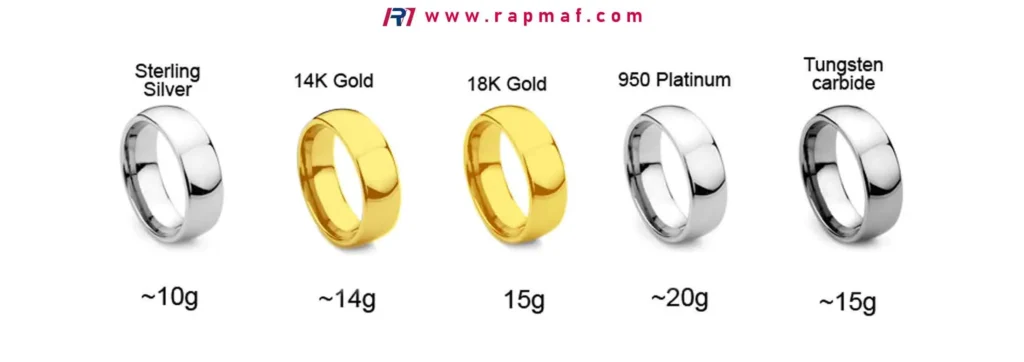
The Weight: This is the most significant distinction. Tungsten is the anchor; titanium is the feather. Tungsten is among the densest metals you can hold, with a gratifying, surprising heft similar to gold. Titanium is shockingly light, concerning 45% lighter than steel. For a wedding ring, this is simply personal preference. Do you intend to feel the substantial presence of the ring on your finger (tungsten), or do you want to forget it’s also there (titanium)? In aerospace, this isn’t a choice; it’s a required. Every gram counts, and titanium’s outstanding strength-to-weight proportion makes it the hero, while tungsten is relegated to small, important counterweights where density is the whole point.
The Scratch Test: In its carbide form, tungsten is the indisputable champion of scrape resistance. It is vastly tougher than titanium. A tungsten carbide ring will look excellent after years of abuse that would leave a titanium ring covered in a network of great scratches and scuffs. This is tungsten carbide’s primary marketing factor in fashion jewelry: a guarantee of continuous newness.
The Influence Examination: Here, the functions are totally turned around. Hardness commonly features brittleness, and strength includes softness. Titanium is exceptionally difficult and ductile; it can bend, warp, and take in a large effect without breaking. Tungsten carbide is weak; strike it hard enough versus a sharp edge, and it won’t bend, it will fracture. This is why emergency situation services can conveniently cut a titanium ring off a puffy finger with a little rotary tool, but they have to utilize a splitting tool, like a mini vise, to break a tungsten carbide ring right into pieces. One is a tough steel; the other is a super-hard ceramic.
2. The Fight for the Crown: Tungsten vs. Gold
In the world of fine jewelry, this is a fight in between old tradition and modern-day product scientific research.
The Value: Gold is a precious metal. Its value is innate, tied to millennia of human history, society, and financing. A gold ring is a store of wide range. A tungsten ring is not. Tungsten is an industrial metal, valued for its performance, not its rarity as a product. A tungsten carbide ring sets you back a fraction of a gold one due to the fact that you are paying for the advanced manufacturing procedure, not the raw material’s market price.
The Toughness: This is a total mismatch. Gold is unbelievably soft. A 14k or 18k gold ring will undoubtedly collect scratches, scuffs, and dents over a life time of wear. For numerous, this patina is a gorgeous record of a life lived. Tungsten carbide, as we have actually developed, is the contrary. It resists that daily damage nearly entirely. The choice is in between a product that ages with you (gold) and a product that resists age entirely (tungsten).
The Feeling: Both are very dense, so a gold ring and a tungsten ring of the exact same size will certainly have a similar, enjoyable heft on the finger. The decision right here comes down to appearances and significance: the ageless, cozy luster of gold versus the contemporary, cool-gray, sophisticated sheen of tungsten.
3. The Everyday Champion: Tungsten vs. Steel
This is where tungsten confirms its worth in the commercial globe. Steel is the flexible, budget-friendly foundation of manufacturing. Tungsten is the elite special forces you call when the goal is as well tough for the regular army.
Solidity and Use: Even the hardest, most exotic tool steels are no match for tungsten carbide. In a CNC device, a steel reducing tool might last for a few hours of reducing other soft metals. A tungsten carbide insert can compete days, puncturing set steel at rates and temperatures that would quickly ruin a steel tool. The distinction is not step-by-step; it’s rapid.
Warmth Resistance: This is pure tungsten’s domain. The melting point of many steels is around 2,500 ° F( 1,370 ° C). The melting point of tungsten is 6,192 ° F( 3,422 ° C ). This colossal distinction is why tungsten is used for welding electrodes and filaments. Steel would just evaporate under those problems.
Cost: Steel wins this battle by a knockout. It is significantly cheaper and less complicated to produce and machine than tungsten or tungsten carbide. The design choice is never ever “Which is far better?” yet instead, “Is the severe efficiency of tungsten worth the extreme price?” For 99% of applications, the answer is no; steel is greater than good enough. However, for that crucial 1%– the cutting side of a tool, the filament in a light– the answer is a resounding yes.
What Is the Real-World What is Tungsten Choice? (Study).
Let’s make this tangible. Picture “Precision Functions,” a little factory that just won a contract to produce 50,000 tiny, complicated components for the aerospace market. The issue? The parts are made from Inconel, an infamously difficult-to-machine, nickel-based superalloy.
The Trouble: The store’s lead machinist, Frank, starts the task using their standard, high-quality high-speed steel (HSS) end mills. The outcomes are a disaster. The Inconel is so hard and abrasive that the HSS tools pall after machining just 2 parts. The machine needs to be quit frequently for tool adjustments, cycle times are astronomically long, and the surface coating on the parts is poor. At this rate, they’ll shed money on duty and miss the deadline.
The Dispute: A young engineer, Sarah, reviews the process. She suggests that they need to change to strong tungsten carbide end mills. Frank, a veteran of the trade, is cynical. “Sarah, a single among those carbide tools costs greater than a ten-pack of my HSS bits! We can not afford that.”.
The Test: Sarah makes a proposal. “Let me purchase just one carbide end mill. We’ll run it on one machine, and you run HSS on another. We’ll see which one is absolutely much more expensive by the end of the day.” Frank agrees.
Sarah programs the CNC machine to benefit from the carbide tool’s residential or commercial properties, significantly raising the pin speed and the feed rate. The machine screams to life, reducing the Inconel at a rate that makes Frank nervous. At the same time, his machine plods along at the slower HSS-safe rates.
The Outcome: At the end of the day, Frank’s device has actually produced 40 components and has actually burned via 20 expensive HSS finish mills. Sarah’s maker, using the same solitary tungsten carbide end mill, has actually produced over 300 components. The parts have a lovely, mirror-like finish, and the device shows minimal wear.
The Decision: The “pricey” tungsten carbide device had not been expensive in all. The cost-per-part plunged. They conserved a ton of money in tooling costs, reduced their manufacturing time, and got rid of the downtime from consistent device adjustments. Frank ended up being a believer. This is the real-world solution to what is tungsten: it is an investment in efficiency that pays for itself by getting over the restrictions of conventional products.
What Are the Most Typical Concerns Regarding What is Tungsten? (FAQs).
Is tungsten good as a ring?
Yes, it is an exceptional option for a ring, given you value sturdiness above all else. Pros: It is very scratch-resistant and will keep its refined search for years. It’s hypoallergenic, cost effective, and has an enjoyable, hefty feel. Cons: Its solidity makes it fragile. It can not be resized and may smash under a sharp, effective influence. For somebody that deals with their hands and desires a ring that will certainly always look brand-new, it’s one of the best alternatives offered.
Is tungsten as good as gold?
This resembles asking if a cars is “just as good as” a deluxe sedan. They are both premium however designed for completely various purposes. Gold is a soft, precious metal valued for its history, inherent economic well worth, and conventional charm. Tungsten (in its carbide kind) is a hard, industrial product valued for its modern appearance and extreme toughness. Tungsten is not “like gold” at being a symbol of wealth, yet gold is not “just as good as tungsten” at standing up to scrapes. The better option depends entirely on your concerns.
Is tungsten more powerful than steel?
For Firmness & Use Resistance: Yes. Tungsten carbide is greatly more challenging than any type of steel. It can conveniently cut and device the hardest device steels.
For Warmth Resistance: Yes. Pure tungsten has a melting point virtually dual that of steel, making it far “stronger” at high temperatures.
For Durability (Withstanding Fracture): No. Numerous steel alloys are much harder than tungsten carbide. They will flex and warp under impact where tungsten carbide could shatter.
Is tungsten a metal?
Yes, absolutely. Tungsten is element number 74 on the periodic table. It is identified as a change steel, located in the same group as chromium and molybdenum. Tungsten carbide, nonetheless, is a ceramic– a compound of tungsten metal and carbon, which provides it its special homes.
What is the distinction between tungsten and tungsten carbide?
This is one of the most critical distinction. Tungsten (W) is the pure metal. Its crucial buildings are its extremely high melting point and its extreme density. Tungsten Carbide (WC) is a man-made ceramic compound developed by reacting tungsten powder with carbon powder at heats. Its essential property is its sensational hardness and wear resistance, which is second just to diamond. Think of it this way: Tungsten is the heavyweight that can take an intense punch; Tungsten Carbide is the warrior with the solid armor.
The Last Judgment: What is Tungsten? An Unyielding Heavyweight.
So, what is tungsten? It is not one thing, but 2. It is a mystery.
It is the simple, heavy, gray component that holds the line versus the best temperature levels male can produce, calmly enabling the light in our lamps and the arc in our welders. It is the hidden support, the thick ballast that offers security to the fastest cars and the highest-flying jets.
And, when alloyed with a spray of carbon, it changes. It becomes tungsten carbide, a ceramic of near-mythical solidity. It becomes the unscratchable ring, a sign of durability in a non reusable globe. Extra significantly, it ends up being the razor’s side of all modern-day industry, the product that reduces, grinds, and shapes all various other materials.
Tungsten is rarely the celebrity of the show. It’s the supporting star, the professional, the material of last option. It is proof that sometimes, the most essential elements are the ones you never ever see, working calmly in the most extreme problems. It is the heavyweight champ of the table of elements, contacted only when the fight is as well difficult for anything else.
References
- International Tungsten Industry Association (ITIA): The definitive global resource for information on tungsten, from mining statistics to applications and health & safety data.
- Royal Society of Chemistry – Tungsten: An excellent and concise scientific overview of the element’s discovery, properties, and chemical characteristics.
- American Machinist: A leading trade publication for the manufacturing industry, featuring countless articles on the practical application of tungsten carbide tooling in real-world machining environments.