
What Are the 4 Types of NDT? Methods, Uses, Pros/Cons
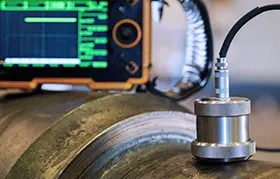
Non-destructive testing (NDT) is how we check a part for defects without cutting it open or destroying it. If you’re a clive placing orders for CNC machined parts or welded assemblies, NDT is one of the simplest ways to reduce “unknown risk” and avoid the most expensive outcome: finding a crack or lack of fusion […]
Types of Screws and Bolts: Heads, Threads, Grades
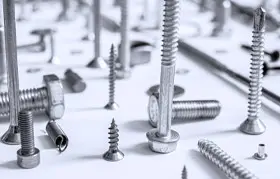
If you’re sourcing CNC machined parts, “types of screws” isn’t a hardware-store topic—it’s a fit, strength, corrosion, and assembly risk topic. The wrong fastener choice can strip threads in aluminum, gall in stainless, loosen under vibration, or simply be impossible to install because the head doesn’t match your access/tooling. I’m writing this in the voice […]
Is Higher Tensile Strength Better? Yield vs UTS Explained
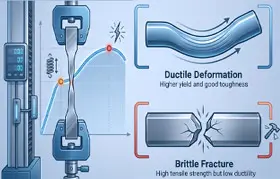
Not always. Higher tensile strength can be a real advantage only when it matches the way your part actually fails. In many CNC machined parts, “chasing the highest tensile number” increases material cost, machining difficulty, heat-treat distortion risk, and lead time—without improving real-world performance. A better way to think about it: Tensile strength (UTS) is about […]
Carbon Steel vs Stainless Steel for CNC Machined Parts
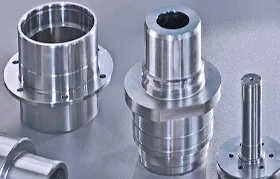
Carbon steel and stainless steel are both common choices for CNC machined parts, but they behave very differently in the shop and in the field. If you’re deciding which one to buy, the best choice usually comes down to four practical questions: What environment will the part actually see (humidity, coolant residue, salt, cleaners, outdoor […]
Pilot Hole for #10 Screw: The Definitive Guide & Chart
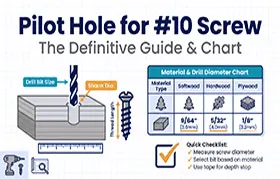
My name is Clive. I’ve spent over 30 years as a machinist and fabricator, and I’ve seen more projects ruined by this one simple step th1an any other. A snapped screw, a split board, a stripped hole—these aren’t accidents; they’re the predictable result of bad information. Your Go-To Pilot Hole Chart First, let’s get you […]
GD&T Symbols: Common Mistakes (With Fixes + Examples)
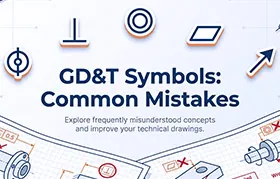
GD&T (Geometric Dimensioning & Tolerancing) is supposed to remove ambiguity—yet many production delays still come from perfectly “legal” GD&T that’s hard (or expensive) to manufacture and inspect. This guide focuses on the most common GD&T mistakes we see in real RFQs and supplier–customer handoffs, using plain-language explanations and practical fixes. You’ll also get a short […]
What Is Quenching? Process, Stages, Media, and Examples
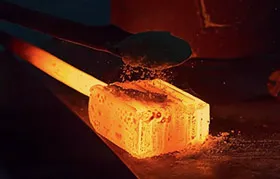
Quenching is a rapid cooling step used in heat treatment—most commonly after austenitizing steel—to “freeze in” a microstructure that delivers higher hardness and strength than slow cooling would. In plain terms: you heat the metal to the right temperature, hold it long enough, then cool it fast enough that the atoms don’t have time to […]
How To Passivate Stainless Steel (Citric vs Nitric + Tests)
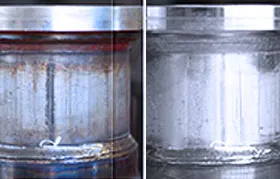
Passivation is one of those processes that sounds optional—until you see a “stainless” part develop rust-colored spots around a machined edge, a tapped hole, or a weld seam. In most cases, the stainless alloy isn’t the problem. The problem is what happened on the surface during manufacturing: trace free iron, shop dust, smeared metal, or […]
Silver Melting Point: Does Silver Melt Before Gold?

If you’re asking “what melts first, silver or gold,” you might be coming from one of two places: You’re doing something practical—casting, soldering, brazing, heat-treat adjacent work, or reclaiming scrap—and you need a reliable temperature target. You’re comparing materials for a part that might see heat spikes and you’re using melting point as a quick […]
PMMA Vs Acrylic: What’s The Difference (And When It Matters)
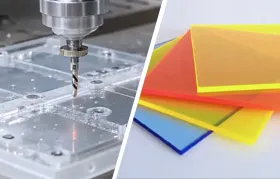
If you’re reading quotes that say PMMA, drawings that say ACRYLIC, and a supplier who casually says “Plexiglass”, it can feel like you’re choosing between different plastics. In most purchasing and engineering contexts, you’re not. PMMA = polymethyl methacrylate (the polymer’s chemical name) Acrylic = the common industry name for PMMA So PMMA and acrylic are usually the same material. […]