


My name is Clive. I’ve spent over 30 years as a machinist and fabricator, and I’ve seen more projects ruined by this one simple step th1an any other. A snapped screw, a split board, a stripped hole—these aren’t accidents; they’re the predictable result of bad information.
Your Go-To Pilot Hole Chart
First, let’s get you the numbers you need right now. This chart covers 95% of the situations you’ll encounter. Print it, save it, put it on your wall.
Clive’s Definitive Pilot Hole Size Chart (Fractional Inches)
| Screw Gauge Size | Major Diameter (in) | Softwood Pilot Hole | Hardwood Pilot Hole | Metal (Self-Tap) Pilot Hole | Metal (Clearance Hole) |
|---|---|---|---|---|---|
| #6 | 0.138″ | 3/32″ | 7/64″ | 7/64″ | 5/32″ |
| #8 | 0.164″ | 7/64″ | 1/8″ | 9/64″ | 3/16″ |
| #10 | 0.190″ | 1/8″ | 9/64″ | 5/32″ | 7/32″ |
| #12 | 0.216″ | 9/64″ | 5/32″ | 11/64″ | 1/4″ |
Now, let’s turn that chart from a simple reference into a powerful tool.
How to Choose the Right Size: My 3-Step Decision Framework
The perfect pilot hole isn’t a fixed number; it’s the result of a decision. Here is the exact thought process I use every day.
Step 1: Identify Your Base Material
The material you’re driving the screw into is the single most important factor. Its density and brittleness dictate everything.
- Is it Softwood (Pine, Cedar, Fir)?
- Logic: Softwoods are forgiving. Their fibers compress easily. You want a pilot hole that is very close to the screw’s minor (root) diameter. This allows the threads to bite deep and achieve a vise-like grip without splitting the wood.
- Decision for #10 Screw: 1/8″ (0.125″).
- Is it Hardwood (Oak, Maple, Walnut)?
- Logic: Hardwoods are dense and brittle. Their fibers do not compress; they shatter. Forcing a screw into a hole that’s too small will act like a wedge, splitting your expensive workpiece. You need to drill a slightly larger hole to relieve this pressure.
- Decision for #10 Screw: 9/64″ (0.140″). You sacrifice a tiny amount of grip to prevent total failure.
- Is it Metal (Steel, Aluminum)?
- Logic: Metal has zero give. You are not compressing fibers; you are cutting or forming threads. The pilot hole for a self-tapping screw must be large enough to allow the displaced metal to flow somewhere, otherwise the screw will bind and snap.
- Decision for #10 Screw: 5/32″ (0.156″).
- Is it Plastic?
- Logic: Plastics vary wildly. As a rule of thumb, treat soft plastics (like polyethylene) like softwood, and hard, brittle plastics (like acrylic) like hardwood or even metal to prevent cracking. Always test on a scrap piece.
Step 2: Determine Your Goal (Grip or Clearance?)
Are you pulling two things together or just fastening something to a surface?
- Goal: Maximum Grip (A “Pilot Hole”)
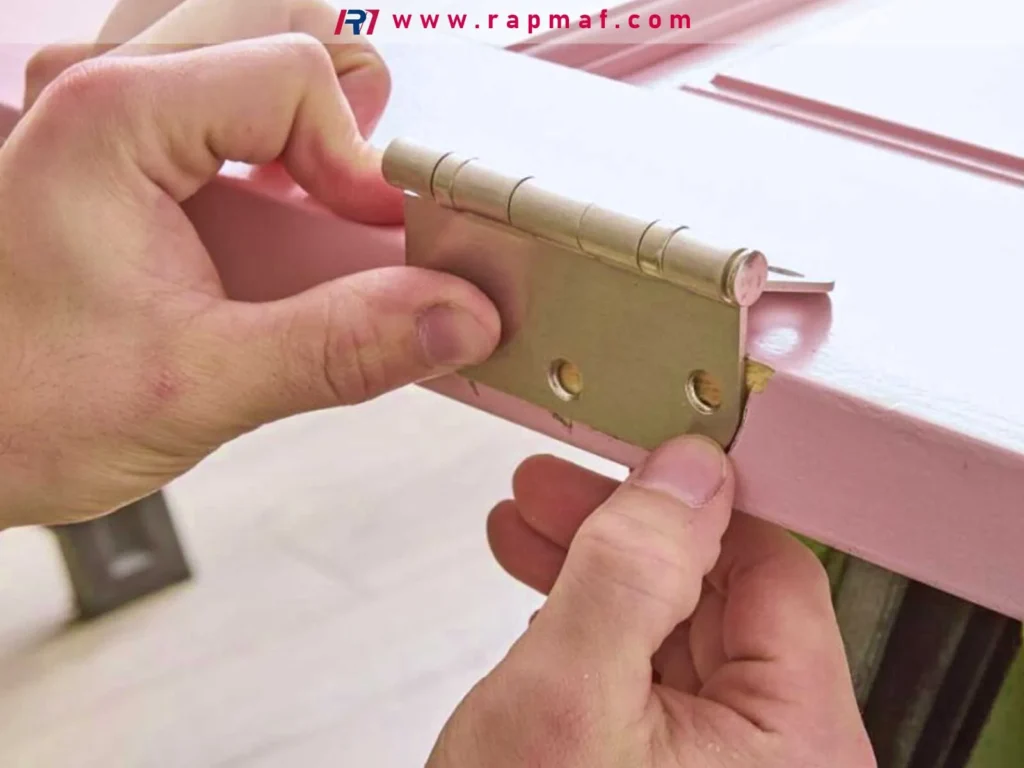
- Use Case: Fastening a hinge to a door frame. The threads need to engage the frame material fully.
- Decision: Use the sizes from the chart above (1/8″, 9/64″, etc.).
- Goal: Clamping Force (A “Clearance Hole”)
- Use Case: Screwing a 2×4 onto another 2×4. The top 2×4 needs a clearance hole, and the bottom 2×4 needs a pilot hole.
- Logic: The clearance hole in the top piece is slightly larger than the screw’s major diameter. This allows the screw to pass through freely, so when you drive it, it pulls the top piece down tight against the bottom piece, creating maximum clamping force. If the threads engage in the top piece, you’re just fighting yourself.
- Decision for #10 Screw: 7/32″ (0.218″) in the top piece, 1/8″ in the bottom piece.
Step 3: Consider the Screw Itself
- Is it a high-quality, hardened screw or a cheap, soft one? Cheap screws snap easily. If you’re using lower-quality fasteners, it’s often wise to drill your pilot hole one size larger, especially in hardwood.
- Is it a wood screw (tapered) or a machine screw (straight)? This guide focuses on standard wood and self-tapping screws. A true tapered wood screw technically benefits from a tapered drill bit, but the sizes in the chart are the industry-standard compromise for straight bits.
By following these three steps, yo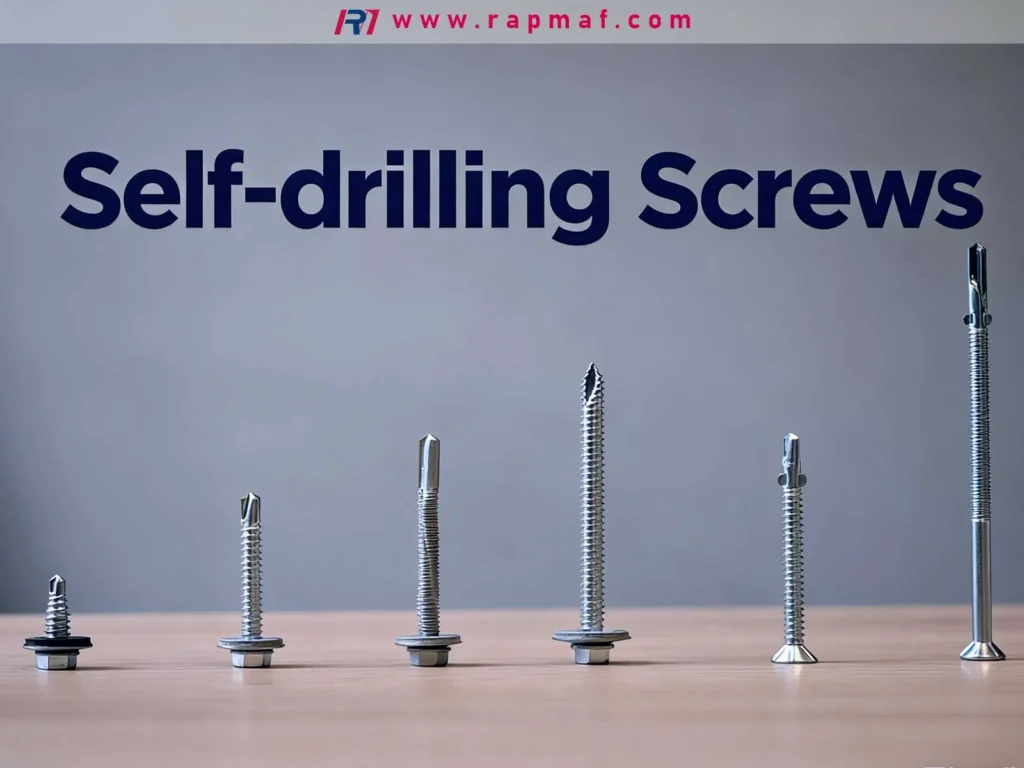 Choose the Wrong Pilot Hole Size?
Choosing the wrong pilot hole isn’t an inconvenience; it’s the direct cause of the most common workshop frustrations.
Scenario 1: Pilot Hole is Too Small
This is the most dangerous mistake, especially in hardwoods or near the edge of a board.
- The Result: You’ll start driving the screw and feel immense resistance. Your options are all bad. If you keep forcing it, you will either snap the screw head off, strip the drive recess (cam-out), or, most likely, split the wood. A split board is often a ruined project. In metal, a pilot hole that’s too small will cause the self-tapping screw to bind and break, leaving you with the infuriating task of trying to extract a hardened steel shard.
Scenario 2: Pilot Hole is Too Large
This is a less dramatic but equally frustrating failure.
- The Result: The screw will drive in with almost no resistance. It will feel “mushy.” When you try to tighten it, it will just keep spinning. The threads have nothing to bite into. This is called a stripped hole, and it has virtually zero holding power. You can try to fix it by using a larger screw or filling the hole with epoxy or wood filler and starting over, but it’s a waste of time that could have been avoided by using the right drill bit.
The goal isn’t just to get the screw in; it’s to achieve the maximum clamping force and holding power the fastener was designed to provide. That can only happen when the pilot hole is correct.
We’ve now covered the core numbers and the engineering principles behind them. In the second part of this guide, we’ll provide a comprehensive chart for other screw sizes, discuss pro-tips for perfect drilling, and walk through a real-world case study to show you how these choices play out in a high-stakes application.
From Theory to Practice: 4 Common Application Scenarios
Let’s see how this decision framework plays out in projects you’ll actually encounter.
Scenario 1: Building a Deck (Structural Softwood)
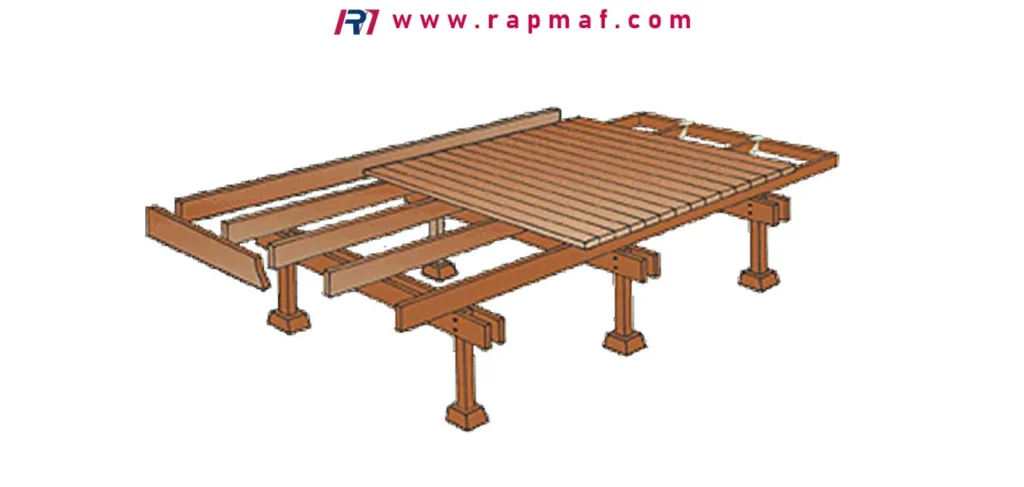
- Task: Fastening 5/4″ pressure-treated (softwood) deck boards to 2×10 joists.
- Fastener: #10 x 3″ coated deck screw.
- Decision Process:
- Material: Softwood (joist).
- Goal: Maximum grip to prevent boards from lifting. This is a pilot hole. The deck board itself can have a clearance hole, but many modern deck screws have a “no-strip” tip that clears its own path. For the joist, grip is key.
- Screw: High-quality deck screw.
- Pilot Hole Size: 1/8″. This ensures the threads bite deep into the joist, providing the long-term holding power needed to resist cupping and twisting. Using a countersink bit on the deck board will also prevent splintering and allow the head to sit flush.
Scenario 2: Assembling a Hardwood Bookcase (Fine Woodworking)

- Task: Joining a 3/4″ oak (hardwood) shelf into a 3/4″ oak side panel.
- Fastener: #8 x 1.5″ wood screw. (We’ll use #8 for variety here).
- Decision Process:
- Material: Hardwood (oak).
- Goal: Clamp the pieces together tightly. We need a clearance hole in the side panel and a pilot hole in the shelf end-grain.
- Screw: Standard wood screw.
- Pilot Hole Sizes:
- Side Panel (Clearance): A #8 screw is 0.164″. We’d use a 3/16″ (0.1875″) clearance hole.
- Shelf (Pilot): For a #8 in hardwood, our chart shows 1/8″ (0.125″). This is critical to prevent splitting the valuable oak.
Scenario 3: Mounting Equipment to a Metal Frame
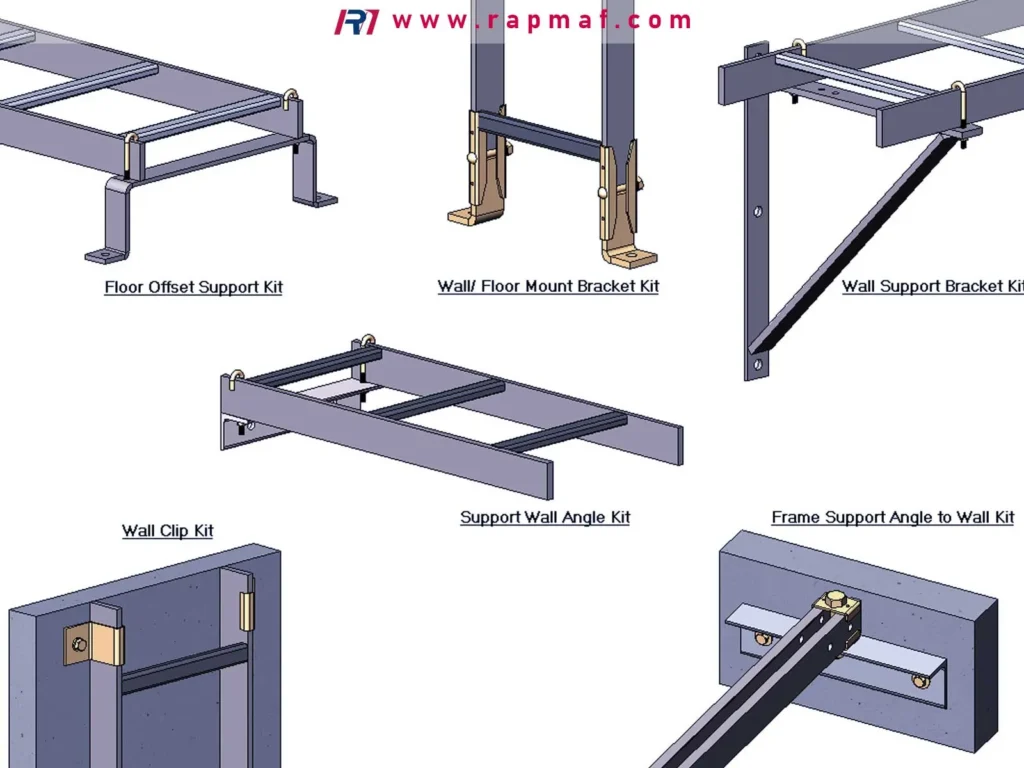
- Task: Attaching a junction box to a 1/8″ thick steel frame.
- Fastener: #10 x 3/4″ self-tapping screw (pan head).
- Decision Process:
- Material: Metal.
- Goal: Maximum grip for the self-tapping threads.
- Screw: Hardened self-tapping screw.
- Pilot Hole Size: 5/32″. Drilling a hole any smaller will cause the screw to bind and snap. Any larger and the threads won’t have enough material to engage. A drop of cutting fluid will make this process much smoother.
Scenario 4: Hanging a Heavy Mirror in Drywall

- Task: Securing a bracket for a 50lb mirror to a wall.
- Fastener: #10 screw, but used with a heavy-duty wall anchor.
- Decision Process: STOP! This is a trick question.
- Material: The anchor, not the drywall.
- Goal: Create a snug fit for the body of the anchor.
- Pilot Hole Size: Whatever is printed on the anchor’s packaging. This is the golden rule. The screw’s only job is to expand the anchor. The anchor’s job is to grip the drywall. The hole must match the anchor. This might be 1/4″, 5/16″, or even larger.
This scenario-based thinking is how you apply the technical data to get flawless real-world results.
Clive’s 5-Step Professional Workflow for Perfect Pilot Holes
Following this sequence turns a simple task into a professional operation.
Step 1: Mark and Center Punch
- Action: Precisely measure and mark your hole location with a sharp pencil or scribe. Then, use a center punch and a hammer to create a small dimple exactly at the center of your mark.
- Why It’s Critical: This is the most skipped step by amateurs and the most crucial step for pros. The dimple prevents the drill bit from “walking” or wandering off-center as you begin to drill. In metal, it’s non-negotiable. In wood, it ensures your screw goes in exactly where you intended, which is vital for alignment in fine furniture or cabinetry.
Step 2: Select the Correct Drill Bit
- Action: Refer to your decision framework (Material > Goal > Screw). Grab the correct fractional or numbered bit from your index.
- Pro Tip: Physically hold the drill bit in front of the screw. For a pilot hole in wood, you should be able to see the screw’s threads clearly behind the bit, but the bit should obscure the screw’s solid core (the minor diameter). This visual check is a great way to confirm your choice before drilling.
Step 3: Drill with Proper Technique
- Action: Secure your workpiece with clamps. Place the tip of your drill bit into the center-punched dimple. Start the drill slowly to ensure it’s centered, then increase to a steady, appropriate speed. Drill straight down, perpendicular to the surface.
- Why It’s Critical: A wobbly or angled pilot hole will cause the screw to drive in crooked, which can ruin joinery alignment and compromise holding power. Use a drill press for ultimate precision. If drilling by hand, focus on keeping your wrist and forearm locked and aligned with the bit. The depth of the hole should be slightly deeper than the length of the screw going into that piece.
Step 4: Countersink or Deburr
- Action:
- In Wood: Use a countersink bit to create a small, tapered recess for the screw head.
- In Metal: Use a larger drill bit or a deburring tool to quickly remove the sharp burr left around the edge of the hole.
- Why It’s Critical:
- Wood: Countersinking allows a flat-head screw to sit perfectly flush with or slightly below the surface, which is the mark of professional craftsmanship. It also prevents the screw head from splintering the surface fibers of the wood as it tightens.
- Metal: Deburring is a safety and fitment issue. It ensures that the part being attached can sit perfectly flat against the surface without being held off by a tiny ring of sharp metal.
Step 5: Drive the Screw
- Action: Use a high-quality screwdriver or a drill/driver set to a low torque setting. Drive the screw straight into the prepared hole.
- Why It’s Critical: The pilot hole has done 90% of the work. Now, your job is to avoid stripping the screw head or the hole itself. Using a driver’s clutch setting is your best friend—it stops the rotation when a set resistance is met, preventing you from over-tightening and destroying the threads you just worked so hard to create.
Follow these five steps, and you will never snap a screw or split a board again.
What Are the Pro-Tips for Drilling Perfect Pilot Holes?
Drilling the right size hole is only half the battle. How you drill it makes a huge difference in the quality and strength of the final joint. Here are four techniques that separate professional work from amateur guesswork.

- Use Lubricant: When driving a screw, especially a long one into hardwood, friction is your enemy. It creates heat and resistance, increasing the chances of a snapped screw. The old-timer’s trick is to rub the screw threads on a block of paraffin wax or even a bar of soap. This simple step makes a world of difference.
- The Depth Gauge Trick: Your pilot hole should be slightly deeper than the length of the screw. A simple, foolproof way to ensure this is to hold your drill bit up against the screw and wrap a small piece of blue painter’s tape around the bit to mark the required depth. Drill until the edge of the tape just touches the surface of your workpiece.
- Always Countersink: For a truly professional finish where the screw head sits perfectly flush with or just below the surface, use a countersink bit after drilling your pilot hole. This creates a conical recess for the flat-head screw to sit in. It prevents the wood from “mushrooming” up around the screw head and looks infinitely better.
- Consider a Tapered Bit: For critical woodworking applications, you can buy special tapered drill bits that match the profile of a wood screw (which is tapered, unlike a machine screw). This creates the absolute perfect pilot hole, with optimal thread engagement along the entire length of the screw.
Case Study: Building a Heavy-Duty Wooden Gate
Let’s put this all into practice in a real-world scenario where failure is not an option.
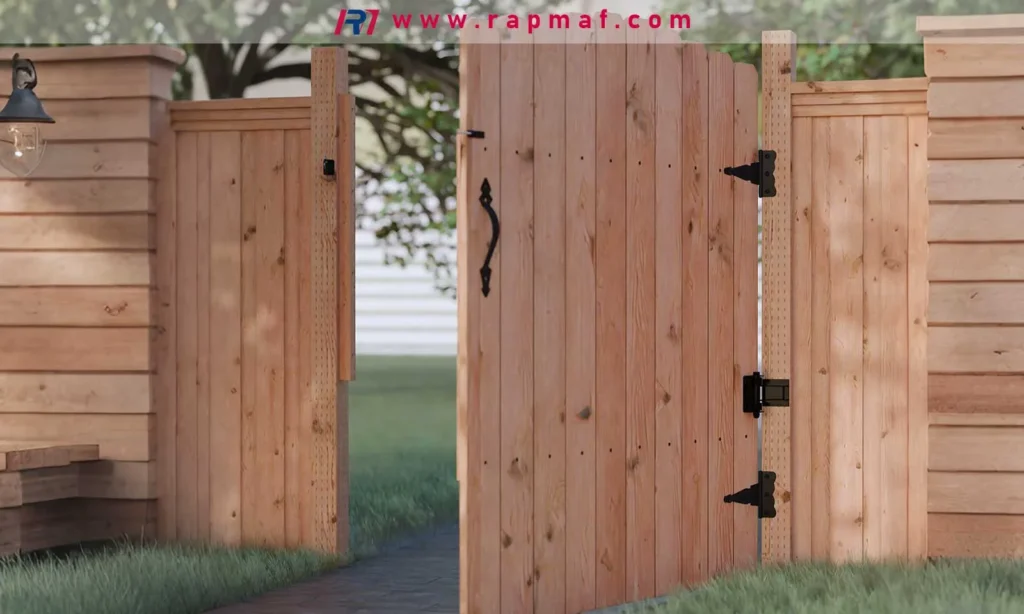
- The Project: Assembling a 6-foot cedar fence gate. The hinges need to be mounted to a 4×4 cedar post, and the gate’s frame is built from 2×4 cedar. Cedar is a softwood. The gate is heavy and will be subject to constant stress from opening, closing, and sagging.
- Fastener Choice: We need strength and corrosion resistance. I’d choose a #10 x 3″ Stainless Steel Wood Screw. Stainless steel prevents rust streaks, and the 3″ length ensures it bites deep into the 4×4 post.
- The Process:
- Hinge to Post (The Critical Joint): Cedar is a softwood. According to our chart, the correct pilot hole for a #10 screw is 1/8″.
- Applying Pro-Tips:
- We’ll use the painter’s tape trick on our 1/8″ bit, marking it just slightly deeper than 3″.
- We’ll drill the pilot holes into the 4×4 post through the holes in the hinge.
- Before driving, each stainless steel screw gets a quick rub on a block of paraffin wax to reduce friction.
- We’ll use an impact driver set to a medium-torque setting to drive the screws until they are snug, avoiding over-tightening which can strip the hole even in a pilot.
- Frame Assembly: The 2x4s of the gate frame itself will be joined with the same #10 screws. Again, we’ll use a 1/8″ pilot hole, but this time we’ll also use a countersink bit so the flat-head screws sit perfectly flush, creating a smooth, professional finish.
- The Result: By using the correct pilot hole size (1/8″), we ensure the screw threads have maximum engagement in the cedar post, providing the immense holding power needed to support the heavy gate for years. We prevent the wood from splitting, and by using lubricant and proper driving technique, we avoid snapping any of the expensive stainless steel screws. This is how you turn a simple chart into a reliable, high-quality result.
FAQs
Here are the questions I get asked most often.
What size drill bit is a number 10?
This question confuses two different measurement systems. “#10” is a screw gauge size, not a drill bit size. The outside diameter of a #10 screw is 0.190 inches. The correct drill bit for it depends entirely on the material you’re drilling into, as explained in the guide. There is no single “number 10 drill bit.”
What if I don’t have the exact drill bit size?
Always err on the side of slightly larger, never smaller. A hole that’s 1/64″ too large will still provide decent grip. A hole that’s 1/64″ too small, especially in hardwood or metal, will almost certainly result in a snapped screw head. This is one of the most expensive and frustrating mistakes to fix.
What’s the difference between a pilot hole for a wood screw vs. a metal screw?
A pilot hole for a wood screw is designed to be smaller than the threads, allowing the threads to cut into and grip the wood fibers. A pilot hole for a tapping screw in metal is sized to match the screw’s minor diameter, allowing the threads to form or cut metal threads in the wall of the hole without binding. The concepts are similar, but the precision required for metal is much higher.
Do I need a pilot hole for drywall?
No, not for the screw itself. Drywall is soft enough that the screw can easily push its way through. However, if you are using any kind of drywall anchor, you absolutely MUST drill a pilot hole that matches the size specified by the anchor manufacturer.
Can I use a Phillips head bit to “drill” a pilot hole?
No. This is a terrible habit that only works in the softest of woods. It tears the wood fibers instead of cutting them, creating a weak, messy hole. It also puts immense strain on your drill/driver and is a good way to strip the bit and the screw head. Use the right tool for the job.
Conclusion: You’re Not Just Drilling a Hole, You’re Engineering a Connection
The next time you pick up a #10 screw, you’re no longer just looking for a random drill bit that “looks about right.” You now possess a complete system for making the perfect choice.
You will ask:
- What is my material? (Softwood, hardwood, or metal?)
- What is my goal? (Maximum grip or clamping force?)
- What is the quality of my screw?
You will follow a professional workflow: Mark & Punch, Select, Drill, Countersink, and Drive.
By internalizing this process, you elevate your work from amateur to professional. You stop fixing mistakes and start producing flawless results from the beginning. The pilot hole is the foundation of a strong mechanical joint, and now, you have the blueprint to build it correctly every single time.