



CNC stands for Computer Numerical Control.
In simple terms: a CNC machine is a machine tool (like a mill or lathe) that moves and cuts based on a computer program, not by someone turning handwheels.
Instead of “a machinist manually driving the cutter,” you provide a CAD model (your part geometry), and a machinist/programmer converts that into a toolpath program. The machine then follows that program to cut material into the final shape.
The short “buyer definition”
When a supplier says “we do CNC,” they usually mean:
- They can make parts directly from your CAD/drawing
- They can hit tighter tolerances than most manual processes
- They can repeat the same part consistently (good for prototypes and production)
Why CNC is used ?
People use CNC machining because it’s one of the most reliable ways to get:
- Accuracy
- Repeatability
- Fast iteration (especially for prototypes and design changes)
- Good surface finishes
- Complex geometry without needing expensive tooling
If you’ve ever tried to source a part and heard “that’s not possible” or “it’ll be too inconsistent,” CNC is often the method that makes the part actually manufacturable.
What a CNC machine actually does ?
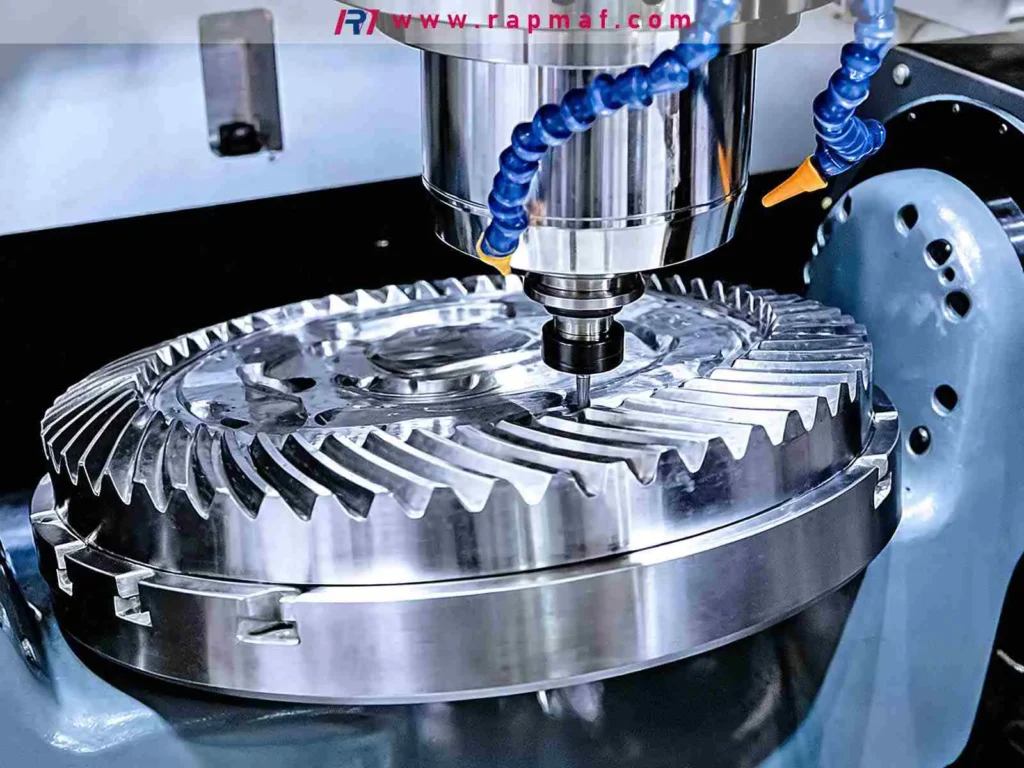
A CNC machine removes material from a solid block/round bar (called stock) using cutting tools.
Think of it like sculpting:
- The “sculptor” is the cutting tool
- The “hands” are the machine’s axes (X/Y/Z, plus rotation if it’s 4-axis/5-axis)
- The “instructions” are the CNC program
CNC milling vs CNC turning (two main families)
Most CNC machined parts come from one of these:
1) CNC milling (mills / machining centers)
- Best for: housings, plates, brackets, pockets, slots, 3D surfaces
- The cutter rotates; the part is clamped on a table/fixture
2) CNC turning (lathes)
- Best for: shafts, pins, bushings, threaded round parts
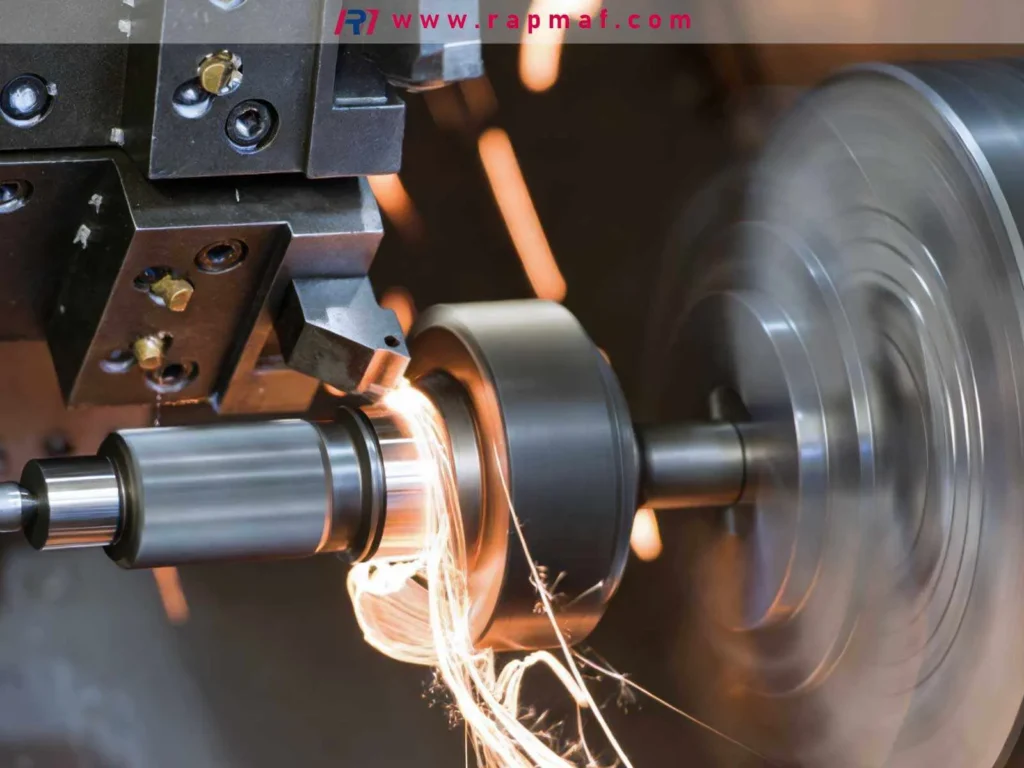
- The part rotates; the tool cuts from the outside/inside
Many suppliers combine both (mill-turn, or turning + secondary milling) to reduce setups.
What CNC is not (to avoid common sourcing mistakes)
CNC machining is powerful, but it isn’t magic. Here are misunderstandings that cause quote surprises:
- CNC is not automatically “cheap”
CNC cost depends heavily on cycle time, setups, tooling, and inspection level. - CNC is not automatically “perfect”
You still need good drawings, realistic tolerances, and proper inspection requirements. - CNC is not always the fastest method for high volume
For very large quantities, processes like die casting, stamping, or molding can be cheaper per piece—after you pay for tooling.
What does “CNC machining” include (end-to-end)?
Buyers often think CNC is just “cut metal.” In reality, a quote can include several steps:
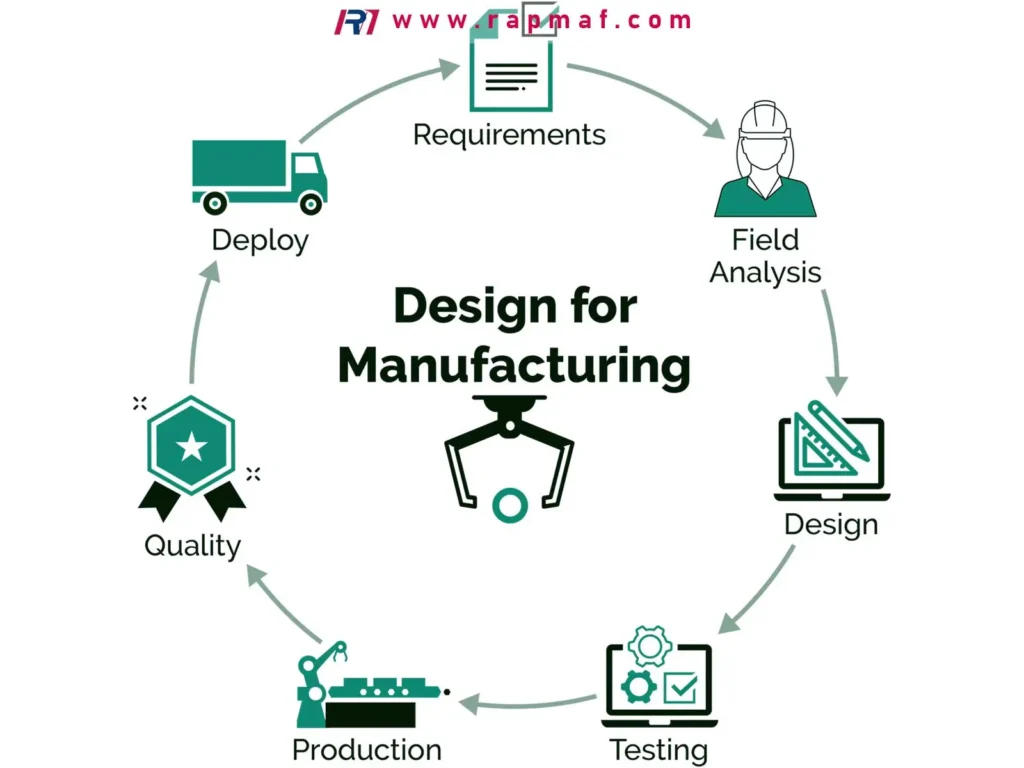
1.DFM review (design for manufacturability)
A good supplier flags risky features before cutting metal (thin walls, deep pockets, sharp internal corners, etc.).
2.Programming
Toolpaths, feeds/speeds, workholding strategy.

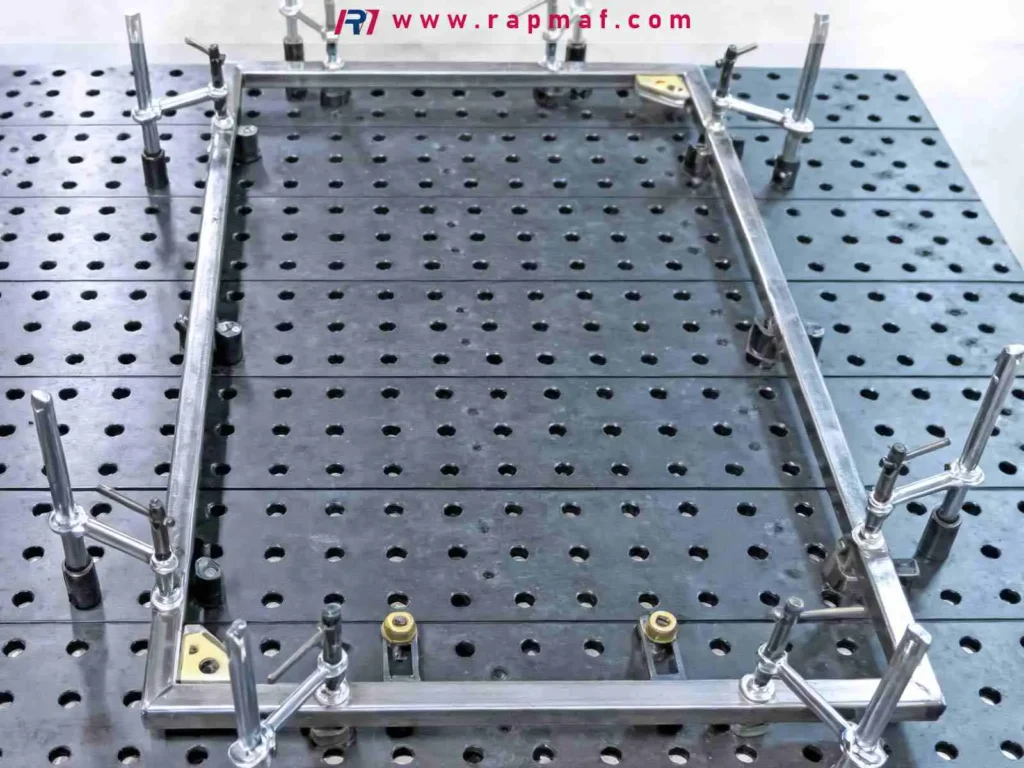
3.Setup & fixturing
Clamping the part safely and repeatably is often the difference between “works” and “scrap.”
4.Machining operations
Roughing, finishing, drilling, reaming, tapping, contouring.
5.Deburring and edge break
This matters more than most people expect—especially for assemblies and sealing surfaces.
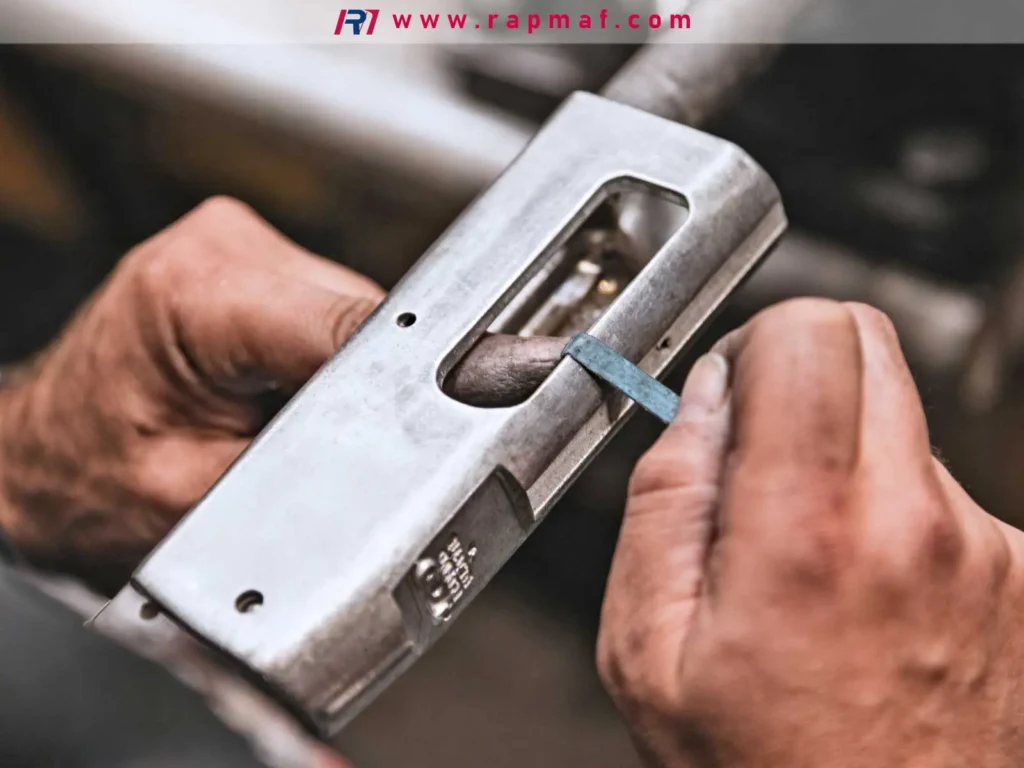
6.Secondary processes (if required)
Examples: anodizing, passivation, plating/coating, heat treatment, blasting, marking, assembly.
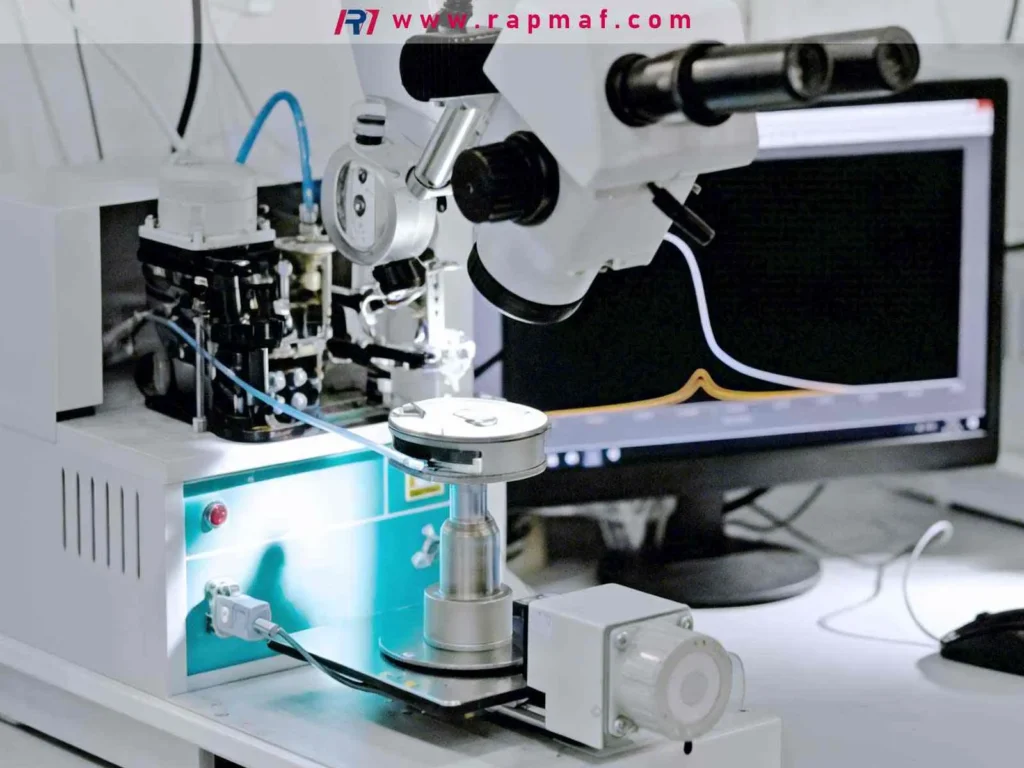
7.Inspection + documentation
From basic checks to CMM reports, FAI packages, CoC, material reports, SPC.

8.Packaging and shipping
Especially important for cosmetic surfaces, threads, and precision fits.

Common CNC materials buyers order (and what they’re good for)
I gave a material list many buyers ask for. Here’s how to think about them when placing an order.
Aluminum: 6061 vs 7075
- 6061: great general-purpose aluminum; good machinability; commonly anodized; good for brackets, housings, fixtures.
- 7075: stronger/harder than 6061; good when you need higher strength-to-weight; often used in aerospace-style structures.
Buyer tip: If you only “need strong aluminum,” 6061 is often cheaper and easier to source. 7075 is great, but not always necessary.
Stainless: 304 vs 316 vs 17-4PH
- 304: general-purpose stainless; good corrosion resistance for many environments; widely available.
- 316: better corrosion resistance than 304, especially in chloride/salt environments.
- 17-4PH: precipitation-hardening stainless; can reach higher strength through heat treat conditions.
Buyer tip: If the part sees salt/fog/chemicals, don’t guess—define the environment. “Stainless” isn’t one material.
Carbon/alloy steel: 4140
- 4140: a common alloy steel for strength + toughness; often used for shafts, gears, tooling components; can be heat treated.
Buyer tip: If you need heat treat, specify the final condition (e.g., hardness range) and whether critical features must be machined before or after heat treat.
Plastics: POM vs PEEK
- POM (Acetal/Delrin): stable, low friction, good for bushings, gears, precision plastic parts.
- PEEK: high-performance polymer; great temperature/chemical resistance; used in demanding environments.
Buyer tip: Plastics can move with temperature and moisture more than metals. Define operating temperature and fit requirements.
Tolerance: what does “±0.01 mm” mean in real CNC terms?
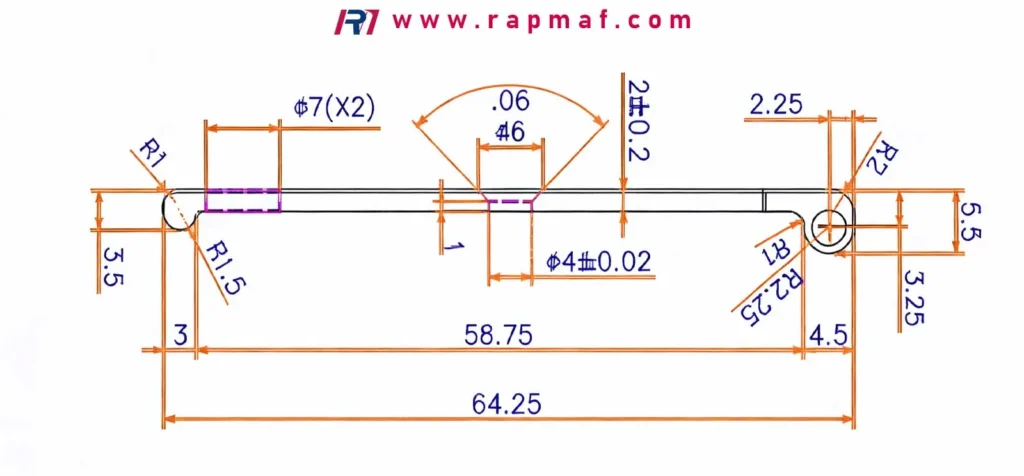
A tolerance like ±0.01 mm is tight enough that it changes how a supplier must plan:
- machining strategy (finishing passes, tool compensation)
- inspection method (often CMM or controlled gauges)
- temperature control and handling (parts expand/contract)
- scrap risk and lead time
Important: don’t tolerance everything the same
A common drawing problem is making every dimension ±0.01 mm even when only 2–3 features truly matter for function.
That usually increases cost without improving performance.
Better approach:
- Put tight tolerance only on functional features (bearing bores, sealing surfaces, mating faces)
- Use general tolerances for non-critical geometry
- Call out datum scheme and GD&T only where it controls function
Table 1: CNC processes and what they’re best for
| Process | Best for | Typical buyer reason | Common “gotcha” |
|---|---|---|---|
| CNC Milling | pockets, faces, slots, 3D shapes | complex parts without tooling | deep pockets increase cycle time fast |
| CNC Turning | round parts (shafts, sleeves) | speed + concentricity | thin walls can chatter/deflect |
| 3/4/5-axis machining | angled holes, impellers, complex surfacing | fewer setups, better geometry control | programming/setup cost can be higher |
| Deburr/edge break | safer handling, better fit | reduces assembly problems | if not specified, edges may be “as machined” |
| Anodizing (Al) | corrosion + appearance | black/clear anodized parts | dimension change; mask critical areas |
| Passivation (SS) | corrosion performance | medical/food/industrial | must define standard/spec and testing needs |
| Heat treatment (steel) | strength/hardness | wear parts, shafts | distortion; plan machining order |
| Plating/coating | wear/corrosion | functional surfaces | thickness and adhesion requirements matter |
| Marking (laser/silk) | traceability | part ID, revision control | location must not impact function |
| Assembly | shipped ready-to-use | reduce your labor | define torque, fasteners, cleanliness |
“CNC parts” for medical: what people usually mean
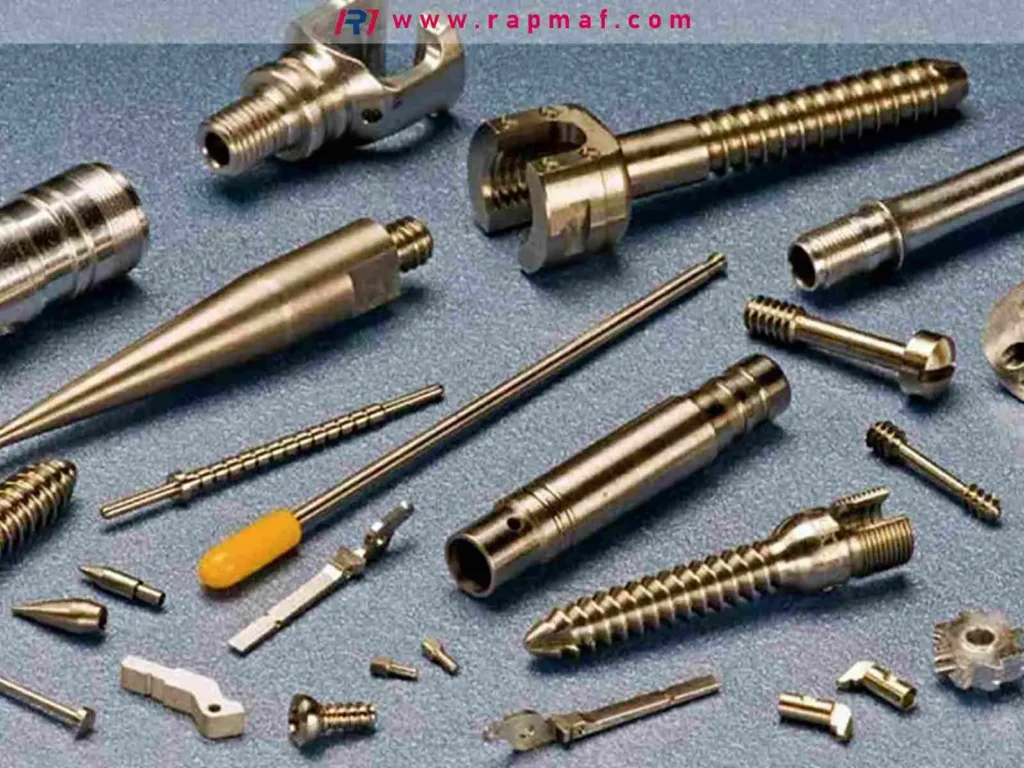
In procurement language, this typically refers to:
- precision metal/plastic parts used in devices, fixtures, test equipment
- stricter documentation (traceability, inspection reports)
- controlled finishing/cleanliness requirements
Important note: “Medical” is not one requirement set. A simple lab fixture is different from an implantable component. If your part has regulatory needs, specify them clearly (documentation, cleaning, packaging, material certs).
What does CNC mean on TikTok?
Online, “CNC” can sometimes refer to non-manufacturing slang. For sourcing parts, that meaning is irrelevant.
If you’re placing an order, stick to the manufacturing definition: Computer Numerical Control machining.
What to send for a CNC quote (so you don’t waste days)
Most quote delays come from missing information. If you want fast, accurate pricing, send these items upfront.
RFQ checklist (copy/paste friendly)
- CAD file: STEP/IGES preferred
- 2D drawing (PDF) with:
- critical dimensions & tolerances
- GD&T where functional
- threads (standard, class, depth)
- surface finish requirements
- Material and condition (e.g., 6061-T6, 17-4PH H900, 4140 pre-hard)
- Quantity (prototype, pilot, production volumes)
- Finish (anodize/passivate/plate/paint, color, masking notes)
- Inspection needs:
- standard inspection vs full CMM report
- FAI (First Article Inspection) package
- CoC (Certificate of Conformance)
- material report (mill cert)
- SPC requirements (if production)
- Application notes (helps DFM):
- load type (static/cyclic)
- mating parts/assembly method
- environment (salt, chemicals, temperature)
- Target ship-to location (EU/US/Russia) and incoterms preference if you have one
If you don’t have all of that yet, send what you have and clearly mark unknowns. A good supplier can still respond with options and assumptions.
Table 2: The “most common” RFQ issues (and how to fix them)
| What the buyer sends | Why it causes trouble | What to send instead |
|---|---|---|
| CAD only, no drawing | no tolerances = no inspection plan = pricing risk | add a basic 2D drawing with critical tolerances |
| “Make it like sample” | subjective; can’t inspect consistently | define measurable requirements + photos if needed |
| Over-toleranced drawing (everything ±0.01 mm) | higher cost + more scrap risk | tighten only functional features; relax the rest |
| No note on finish | finish affects dimensions, corrosion, cosmetic acceptance | specify finish standard, color, masking areas |
| Threads without spec | wrong fit or assembly failure | call out standard/class/depth + gauge requirement if needed |
| “ASAP” lead time only | supplier can’t plan | tell target date + quantity + acceptable alternatives |
| No inspection requirement | mismatch expectations on delivery | specify CMM/FAI/CoC/material cert needs clearly |
Practical examples
Example 1: A 6061 bracket that “should be cheap” but isn’t
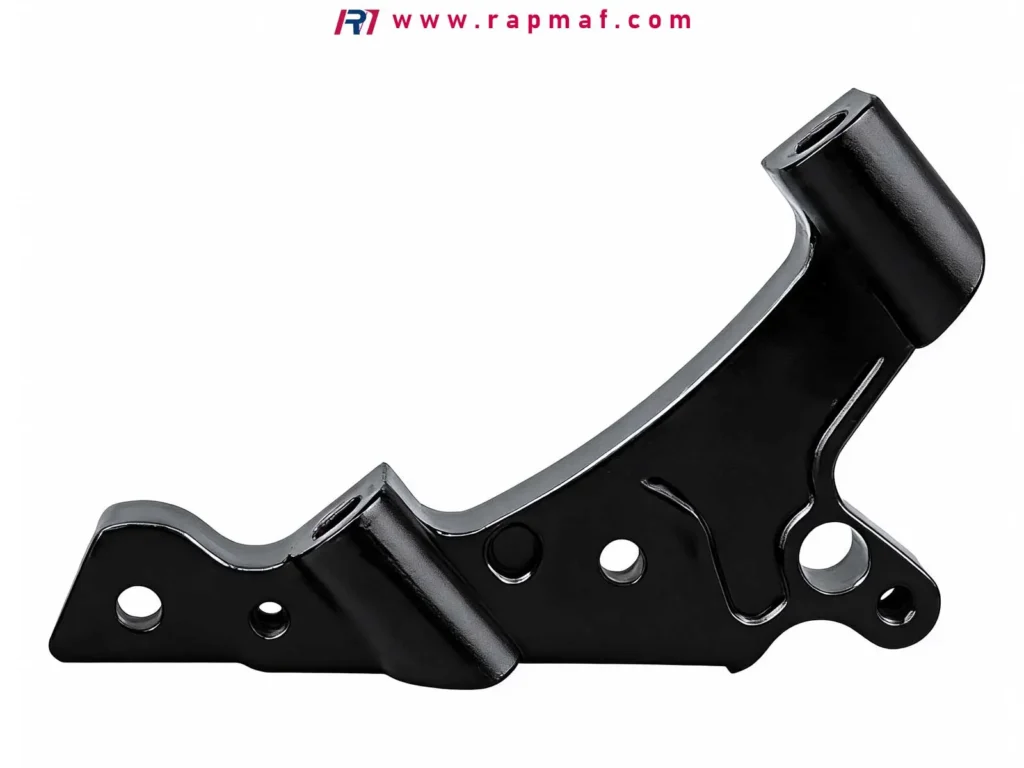
Situation: A bracket is simple in shape but the drawing calls ±0.01 mm on every dimension, including non-mating edges.
What happens:
The shop must treat almost every feature as critical:
- more finishing passes
- slower feeds
- more inspection time and documentation
- higher scrap risk
Better spec:
Keep ±0.01 mm only on the two mounting hole locations and the mating face flatness. Relax non-critical outside profile to a general tolerance.
Result: You usually get a quote that better matches the real functional need.
Example 2: 4140 shaft needs strength—but heat treat changes the game
Situation: You want higher strength so you specify 4140 and “heat treat,” but the drawing doesn’t say whether to machine before or after heat treat, and critical runout is tight.
What happens:
Quench/temper can cause distortion. If you need tight concentricity/runout, the supplier may recommend:
- rough machine → heat treat → finish grind/finish machine critical diameters
Better spec:
Define:
- required final hardness range (or mechanical property)
- which diameters are critical post-heat treat
- whether grinding is allowed/required
Result: Fewer surprises when the first time is inspected.
Example 3: 316 stainless in a salt environment vs “any stainless”
Situation: Offshore or coastal use, buyer writes “stainless steel” only.
What happens:
304 might be quoted (lower cost), but may not meet corrosion expectations in chloride environments.
Better spec:
State “316” and add passivation requirement if needed (and confirm standard/spec). Also specify cosmetic acceptance if surface appearance matters.
Result: The part you receive matches the real environment, not just the word “stainless.”
Lead time: what “fast CNC” can realistically mean
Lead time depends on geometry, material availability, finishing, and inspection requirements. If you want speed, the best lever is reducing ambiguity (clear drawing + clear scope).
- Prototype / small batch / production: often 3–7 days, depending on complexity and finishing/inspection package
To keep that realistic, it’s good practice to clarify: “lead time starts after DFM confirmation and material availability.”
A quick note for EU/US/Russia buyers (communication that prevents delays)
For cross-border orders, delays often come from:
- unclear material standards (ASTM vs EN vs GB equivalents)
- missing customs paperwork requirements
- packaging/marking needs (especially for assemblies)
If you’re buying internationally, include:
- preferred material standard (ASTM/EN equivalent acceptable?)
- required documentation (CoC, material cert, CMM report)
- labeling/marking requirements and language needs if an
FAQ
What do the letters CNC stand for?
Computer Numerical Control.
Why is CNC used?
Because it produces accurate, repeatable parts directly from digital design—especially useful for prototypes, engineering changes, and precision components.
Is tensile/strength the main reason to choose CNC?
Not directly. CNC is a manufacturing method. Strength comes from material selection, heat treatment, and design. CNC helps you achieve the geometry and tolerances that make the design work.
Are CNC parts only metal?
No—CNC machining is common for metals and plastics (including engineering plastics like POM and PEEK).
Is “CNC cutting” the same as CNC machining?
Sometimes people say “CNC cutting” to mean machining, but it can also refer to CNC laser/plasma/waterjet cutting for sheet metal. If you need 3D features (holes, pockets, threads), you usually mean CNC machining.
Sources
- CNC (Computer Numerical Control) overview: https://en.wikipedia.org/wiki/Numerical_control
- GD&T standards reference (ASME Y14.5 overview): https://www.asme.org/codes-standards/find-codes-standards/y14-5-dimensioning-tolerancing
Request a Quote (RFQ) / Get a DFM Review
If you want a fast, accurate CNC quote, send:
- STEP file + drawing (critical tolerances highlighted)
- material + quantity
- required finish
- inspection/doc package needs (CMM/FAI/CoC/material cert/SPC)
- target delivery date and ship-to country (EU/US/Russia)
We’ll respond with a manufacturable route, any DFM notes that reduce risk, and a quote that matches your timeline.






