


Waterjet is one of those processes people love because it “just cuts anything.” And that’s mostly true: metals, plastics, composites, stone, glass—waterjet can get you a profile without heat-affected zones.
But if you’re searching “How much does it cost to cut a water jet?”, you’re probably not looking for a generic explanation. You want a number you can plan around—and more importantly, you want to know what makes the number go up or down so you can control it at the RFQ stage.
I’ll break waterjet cost down the same way we do when quoting parts: machine time + consumables + programming/setup + material handling + inspection + rework risk. Then I’ll give several concrete “design scenarios” that map to the kind of parts buyers actually source.
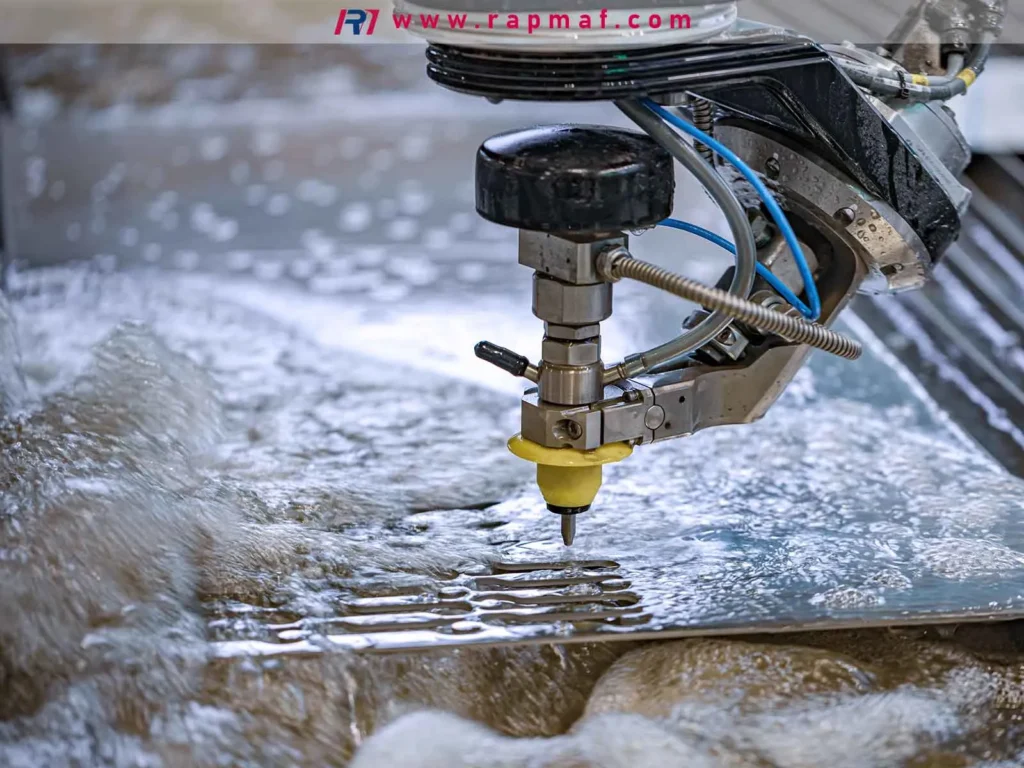
Quick answer
Waterjet cutting cost is usually dominated by:
- Cut time (which depends heavily on thickness, material, quality level, and total cut length)
- Abrasive consumption (garnet isn’t free, and it scales with time and settings)
- Pierces, lead-ins, and feature density (lots of holes/slots is slow)
- Tolerances/edge quality requirements (tighter = slower, or requires secondary machining)
- Material procurement and yield (your nesting efficiency can swing cost a lot)
There isn’t one universal “price per inch” that’s valid across all materials and thicknesses. Anyone offering a single number is either simplifying hard or assuming a narrow set of conditions.
What “waterjet cutting cost” actually includes
When you receive a quote, you’re paying for more than “the jet running.” A realistic cost stack looks like this:
- Programming / CAM / nesting
- Importing DXF/STEP, verifying geometry
- Setting kerf compensation and lead-ins
- Choosing quality level (sometimes called Q1–Q5), speeds, pierce type, tabs
- Nesting to maximize sheet yield
- Setup
- Loading sheet/plate onto slats
- Zeroing and verifying material thickness/flatness
- Abrasive fill, nozzle check, orifice/mixing tube check
- Machine run time
- Straight cutting time (fast on long straight runs, slower on corners and small radii)
- Piercing time (especially on thick plate)
- Head moves and height sensing
- Consumables
- Abrasive (garnet): typically the biggest consumable
- Orifice and mixing tube wear (small parts, tight corners, and high usage wear these faster)
- Water, filters, pump wear
- Deburr / cleanup
- Edge cleanup (varies by material and quality level)
- Removing tabs, rinsing abrasive residue, drying
- Removing/disposing of used abrasive (shops handle this differently)
- Inspection
- “Check it fits” vs full dimensional reporting changes cost
- Flatness/warp checks for thin material can add labor
- Secondary operations (often where budgets get surprised)
- Tapped holes? Waterjet doesn’t tap.
- Precision bores? Waterjet leaves a kerf and taper; you may need CNC machining.
- Surface finish/coating? Waterjet edge may need prep.
If your part is not “cut-only” but a cut + machine part, waterjet can be a cost saver as a roughing step—if you plan the workflow correctly.
The 6 biggest cost drivers (and how to control each)
1) Material type (and why it matters)
Waterjet cuts many materials, but not all materials cut at the same speed or quality.
- Aluminum (6061/7075): generally cuts relatively efficiently; thicker sections still slow down.
- Stainless (304/316): slower than aluminum at the same thickness; edge striations can be more pronounced.
- Carbon steel: often in the middle.
- Plastics (POM/PEEK): cut fine, but fixturing and edge quality requirements can matter (and heat isn’t the issue—mechanical stability is).
Material also affects how picky you’ll be on edge quality. Stainless parts used cosmetically may require more cleanup. PEEK parts used in sealing/medical devices may require more controlled finishing and cleanliness (and you’ll likely want material certs).
2) Thickness (the silent budget killer)
Thickness hits cost two ways:
- Cut speed drops as thickness increases.
- Piercing becomes slower and more failure-prone (especially on thick, hard materials).
A 1/8″ (3.2 mm) stainless bracket and a 1″ (25 mm) stainless plate are not the same business, even if they share the same outline.
3) Total cut length + feature density
Waterjet is efficient when the head is moving smoothly along longer paths. It gets expensive when the head has to:
- Start/stop frequently
- Navigate tiny slots and internal corners
- Do lots of pierces for holes
A sheet with 10 large profiles is usually cheaper per part than a sheet with 200 tiny profiles, even if the total area removed is similar.
4) Quality level / edge finish requirement
Most waterjet systems allow different “quality” settings. Higher quality generally means:
- Slower feed rate
- Cleaner edge and less striation
- Better dimensional consistency
If your drawing says “no taper allowed” or “tight profile tolerance” without allowing secondary machining, your shop may need to run a higher quality setting or plan a machine-finish step.
5) Tolerances and inspection expectations
Waterjet is a profile cutting process; it’s not a substitute for precision machining.
If you need:
- Tight hole positional tolerances
- Precision diameters (bearing fits)
- True position callouts or GD&T datums tightly controlled
…then waterjet is best used as a near-net blank, followed by CNC machining where it matters.
6) Quantity + nesting efficiency
Quantity affects cost in a non-linear way:
- One-off parts pay more for programming/setup per part.
- Batches benefit from amortizing setup and optimizing nests.
Good nesting can also drastically improve material yield. If you insist on “one part per sheet” for traceability reasons, expect higher cost.
Table 1: Waterjet vs Laser vs Plasma (cost and capability quick guide)
| Process | Typical best use | Pros | Cons | Cost sensitivity |
|---|---|---|---|---|
| Waterjet | Thick materials, heat-sensitive parts, mixed materials, prototypes | No HAZ, cuts many materials, good for thick plate | Slower than laser on thin sheet, abrasive cost, taper/striations | Thickness, quality level, pierces, abrasive |
| Fiber laser | Thin-to-medium sheet metal, high volume profiles | Very fast, great repeatability, low cost per part at volume | HAZ, reflective materials considerations, thickness limits | Material type, thickness, quantity |
| Plasma | Thick carbon steel plate, rough profiles | Fast on thick mild steel, low equipment cost | Lower accuracy/edge quality, HAZ, not for fine features | Thickness, edge quality expectation |
| CNC milling | Precision features after cutting | Tight tolerances, true position, bores, threads | Higher cost per minute, requires fixturing | Feature complexity, tolerance, tool access |
Buyer takeaway: if your part needs precision features, plan for waterjet + CNC (or laser + CNC) instead of forcing waterjet to do a job it’s not best at.
“Price per hour” vs “price per inch”: which is more realistic?
Waterjet cost per hour
Many buyers search “waterjet cost per hour” because it feels comparable to CNC shop rates. For waterjet, hourly rates typically bundle:
- machine depreciation and maintenance (high-pressure pump is not cheap)
- operator labor
- basic consumables (sometimes abrasive is itemized separately)
Public labor cost anchor: If you want a verifiable baseline for labor rates in manufacturing, the U.S. Bureau of Labor Statistics (BLS) publishes wage data by occupation and region. That won’t tell you “what a shop charges,” but it anchors what labor might reasonably cost and why shop rates exist.
Source: https://www.bls.gov/
In practice, for quoting your specific part, hourly rate alone isn’t enough. Two parts that both “take 20 minutes” might differ in abrasive consumption, pierce difficulty, risk of tip-ups, and cleanup time.
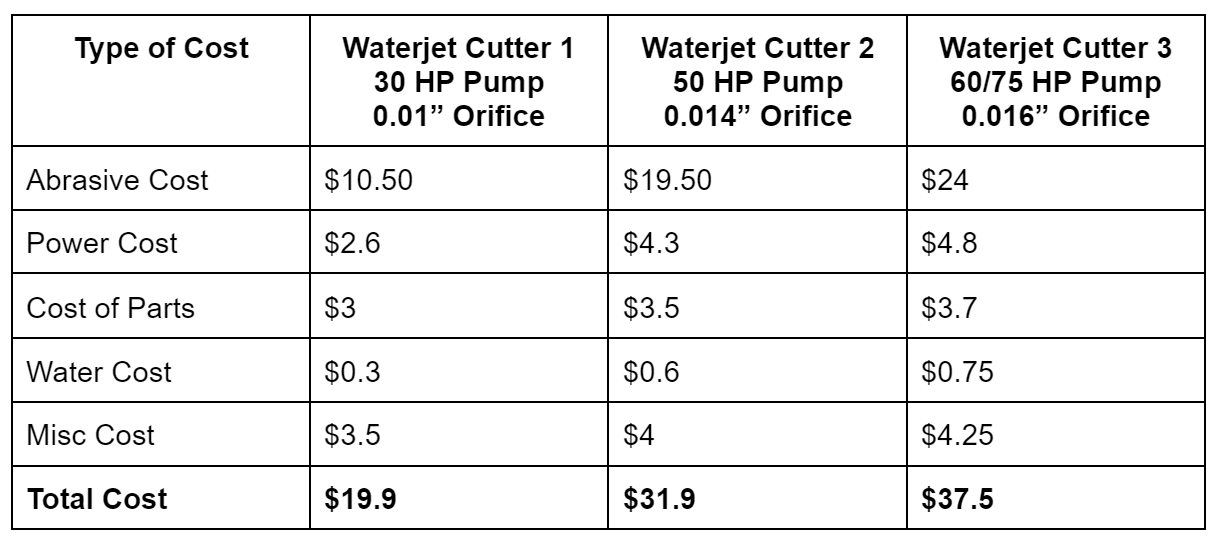
Waterjet cutting price per inch
“Price per inch” is tempting but often misleading, because:
- inches at 1/16″ aluminum and inches at 2″ stainless are not comparable
- corners, holes, and pierces add time beyond linear inches
- quality level changes speed dramatically
If you’re forced to estimate early, “per inch” works best when you specify:
- material + thickness
- desired edge quality / tolerance
- number of pierces
- quantity
Otherwise it’s basically a guess.
The 4 stages of a typical waterjet job (how time gets spent)
Even without a stopwatch, most jobs follow a similar rhythm:
- Pre-cut preparation
- verify material, thickness, flatness
- confirm file is clean (closed contours, no duplicates)
- nest parts to reduce waste and pierce count
- Piercing
- the head pierces at start points
- thicker materials take longer; brittle materials can chip if pierced aggressively
- many small holes = many pierces = time
- Cutting / profiling
- speed depends on thickness + quality
- tight corners slow the head down
- longer smooth edges are efficient
- Post-cut
- remove parts, break tabs, rinse abrasive, deburr
- sort parts, label, inspect critical dims
- pack safely (edges can be sharp; thin parts can bend)
If your quote seems “high,” it’s often because the “post-cut” steps were significant.
Case-style scenarios
These scenarios are based on common RFQs. They’re not “customer stories,” and I’m not claiming any specific performance numbers. The goal is to show you the decision points that move price.
Scenario A: Thin stainless brackets with many holes (304, 1.5 mm / 0.060″)
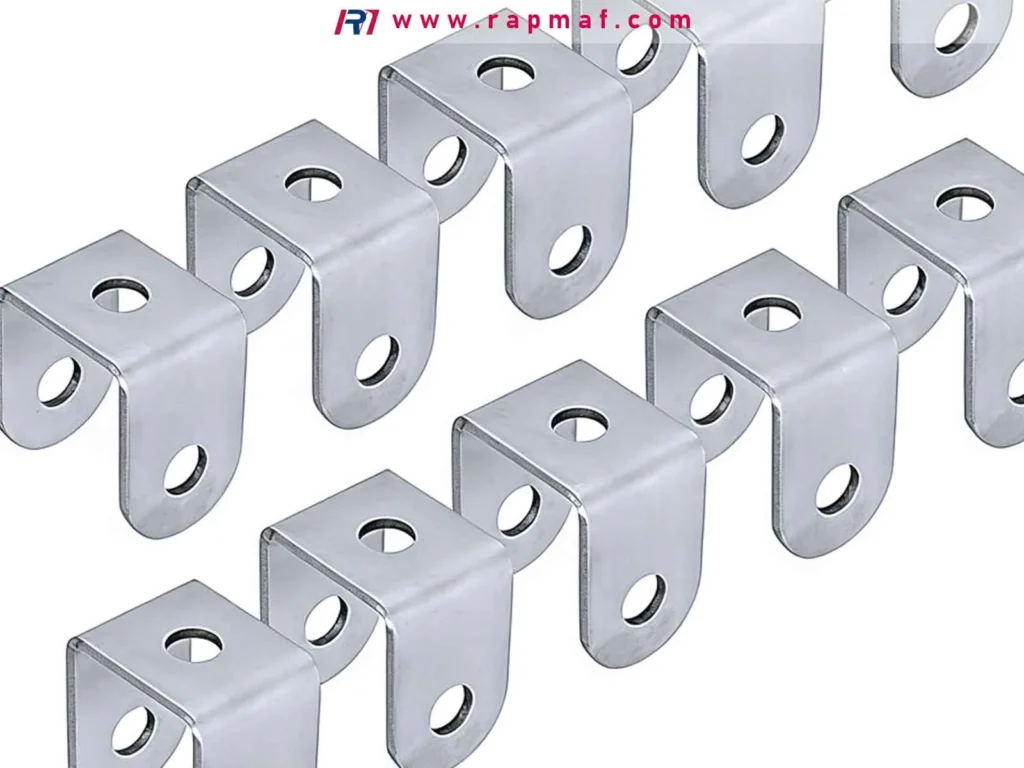
What the buyer wants: 100–500 brackets, lots of small holes for mounting, decent cosmetic edge.
What drives cost:
- Feature density: lots of holes = lots of pierces
- Edge quality: if cosmetic edge is required, slower quality level
- Flatness handling: thin stainless can potato-chip if not handled well
How to lower cost without changing function:
- Change tiny holes to laser-cut friendly if possible (if HAZ is acceptable), or group holes into slots
- Increase minimum hole diameter (very small waterjet holes are slow and can be inconsistent)
- Specify “waterjet cut profile, deburr” instead of calling tight profile tolerances everywhere
When to choose something else: If this is high volume and thin gauge, laser often wins on cost and throughput.
Scenario B: Thick 4140 plates (25 mm / 1″) used as machine bases
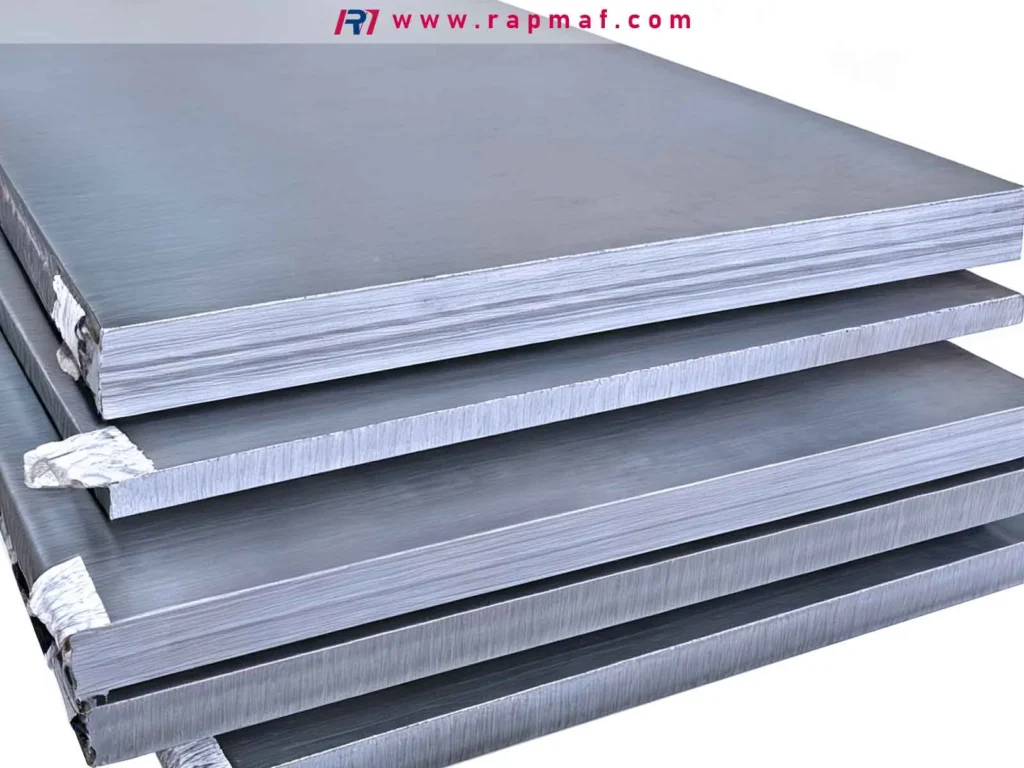
What the buyer wants: 1–10 plates, thick alloy steel, no heat distortion, later machining planned.
What drives cost:
- Thickness: slower feed rate
- Piercing: thick alloy steel takes time to pierce cleanly
- Weight/handling: moving and fixturing thick plate adds labor
Best practice approach:
- Waterjet the blank oversize by a small allowance, then CNC machine critical faces/bores.
- Call out tolerances only on machined features; leave waterjet profile with a reasonable tolerance.
This is where waterjet shines: thick plate without thermal cutting issues.
Scenario C: 7075 aluminum parts that will be CNC machined afterward
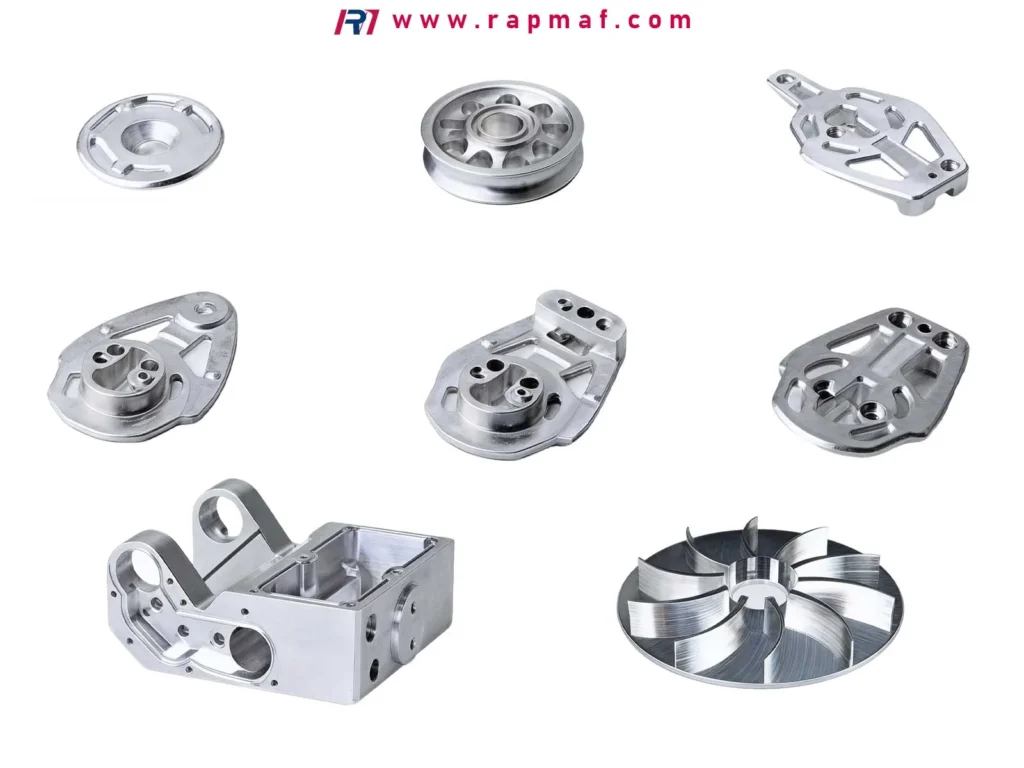
What the buyer wants: near-net blanks to reduce CNC hog-out time.
What drives cost:
- Edge quality: not very important if you’re machining afterward
- Nesting: big savings available if blanks nest tightly
How to quote smartly:
- Specify “waterjet rough cut blank” with relaxed profile tolerance and finish allowance.
- Identify the surfaces you will machine so the shop can plan tabs/hold-down locations.
Done right, waterjet can reduce CNC cycle time and tool wear.
Scenario D: PEEK insulation plates (6 mm / 1/4″) with tight flatness requirement
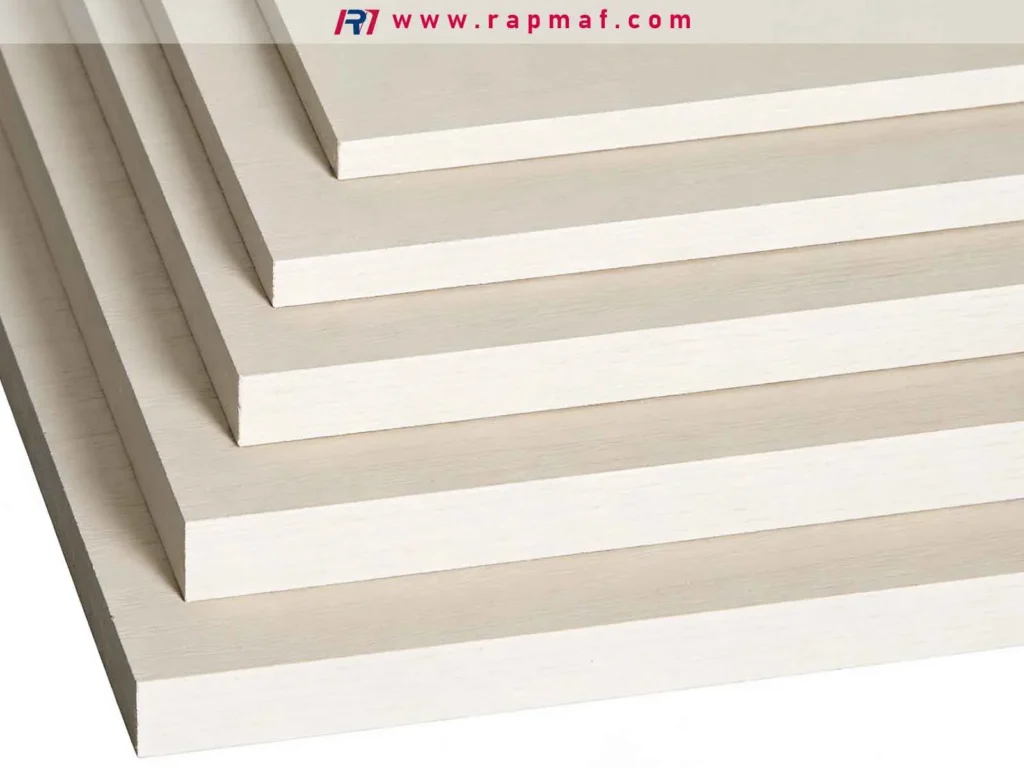
What the buyer wants: precision polymer plates, stable fit in an assembly.
What drives cost:
- Material cost: PEEK is expensive; scrap is painful
- Handling: avoid scratching/contamination
- Inspection: polymer flatness and thickness verification can be more involved
How to control risk:
- Ask for material certs and define cleanliness/packaging needs.
- If flatness is critical, discuss whether you need post-cut stress-relief/fixturing or secondary machining.
Table 2: RFQ inputs that change waterjet price (what to send your supplier)
| RFQ input you provide | Why it matters | What happens if you don’t provide it |
|---|---|---|
| Material grade (e.g., 304 vs 316; 6061 vs 7075) | Cutting speed, edge quality, and material cost differ | Quote may be padded or wrong |
| Thickness (mm/in) | Dominant driver of speed and pierce time | Supplier must assume worst case |
| Quantity + expected reorder volume | Setup amortization, nesting optimization | Higher unit price |
| CAD file (DXF/STEP) | Prevents re-drawing and geometry errors | Adds programming time and risk |
| Tolerance on profile and holes | Determines quality level and whether CNC is needed | Supplier may quote higher quality to be safe |
| Edge finish requirement (deburr? cosmetic?) | Post-processing time can be significant | Surprise add-ons after first article |
| Secondary ops needed (tapping, countersink, machining) | Determines whether it’s cut-only or cut+machine | You may end up with two vendors or delays |
| Certification needs (CoC, material cert, inspection reports, SPC) | Adds admin and inspection time | May not meet your compliance needs |
| Delivery address + Incoterms | Shipping, packaging, export documentation | Freight and paperwork delays |
If you want accurate and fast quotes, this table is the difference between “here’s a number” and “here’s a manufacturable plan.”
Is waterjet cheaper than laser cutting?
Sometimes yes, often no. The correct comparison is: cheaper for your material + thickness + edge/tolerance requirements.
Waterjet tends to be cost-effective when:
- material is thick
- thermal cutting would cause unacceptable HAZ or distortion
- you’re cutting non-metals or composites
- you want a single process to cut many different materials
- you’re doing prototypes or low volume with frequent material changes
Laser tends to be cheaper when:
- sheet is thin to medium thickness
- volumes are higher
- you have many small holes and intricate features
- you need high throughput and consistent edge quality
If your part needs tight tolerances, both methods often become “blanking” steps before CNC machining anyway—so the real question becomes: which method produces the best blank at the lowest total cost?
Why are waterjet cutters so expensive to run?
Even if you never buy a machine, understanding this helps you interpret quotes.
Key reasons:
- High-pressure pump system (often tens of thousands of PSI) is capital-intensive and maintenance-heavy
- Abrasive consumption is ongoing operating cost
- Wear parts (orifice, mixing tube) are consumables
- Water treatment/filtration and abrasive disposal are non-trivial
- Cutting is slower than laser for many thin-sheet applications, so machine time is a bigger factor
This is why a “cheap waterjet” quote is sometimes a warning sign: the shop might be running low quality, skipping maintenance, or not controlling taper/edge issues.
How to estimate waterjet cost (a practical method you can do before RFQ)
You can’t perfectly estimate without a shop’s cutting model, but you can get within a planning range by thinking in blocks:
- Material cost
- Start with sheet/plate price (your sourcing or your supplier’s).
- Add yield loss (nesting). Complex shapes with lots of scrap can raise effective cost.
- Time drivers
- Thickness category: thin / medium / thick
- Feature count: number of pierces and small details
- Quality level: rough blank vs higher edge finish
- Secondary ops
- Any tapped holes, reamed bores, countersinks?
- If yes, assume you’re adding either CNC time or a second vendor.
- Risk and inspection
- Tight tolerances + large parts + thin material = higher warp risk and more inspection.
If you share your DXF, most shops can give a much tighter number quickly. But using the framework above helps you avoid sticker shock.
Common drawing/spec mistakes that inflate waterjet quotes
- Tolerancing every edge tightly
If you don’t need ±0.05 mm on a decorative outer edge, don’t call it out. Put tight tolerances only where the assembly needs them. - Expecting precision holes by waterjet
Waterjet can cut holes, but if a hole is a fit feature (bearing, dowel, precision bolt pattern), plan to drill/ream/mill it. - No note about edge condition
If you don’t specify “deburr,” some suppliers assume “as cut” (sharp edges). If you do specify it, expect labor—just make sure you only require what you need. - Forgetting about tabs or part tip-up
For thin or small parts, tabs may be necessary to prevent parts from tipping and colliding with the head. Tabs require removal and cleanup time.
FAQs (aligned to Google dropdown + related searches)
How much does water jet cutting cost?
It depends on material, thickness, total cut length, number of pierces, edge quality, and quantity. For accurate pricing, send material + thickness + DXF + tolerance/edge requirements. Expect thicker materials and high quality settings to cost more due to slower cutting and higher abrasive use.
How much does it cost to run a water jet cutter?
Operating cost includes labor, electricity, water/filtration, abrasive garnet, and wear parts (orifice/mixing tube), plus maintenance of the high-pressure pump. That’s why shop rates can look high compared with simpler cutting processes.
Is water jet cutting cheaper than laser cutting?
For thin sheet and high volume, laser is often cheaper and faster. Waterjet can be more economical for thick materials, heat-sensitive parts, and mixed-material jobs, or when you want no HAZ.
Why are water jet cutters so expensive?
Because the equipment uses a high-pressure pump system, consumes abrasive, and has wear parts that need regular replacement—plus maintenance and downtime costs.
What is a good “waterjet cutting price per inch” to use?
Use “per inch” only for rough planning and only when you also specify material, thickness, quality level, and pierce count. Otherwise, two parts with the same inches can have very different cutting times and costs.
What files should I send for a waterjet quote?
A DXF for profiles is ideal. Include a PDF drawing with material, thickness, tolerances, edge finish requirement, quantity, and any secondary operations. If features must be machined after, send a STEP/model too so the supplier can plan the process.
Can waterjet hold tight tolerances?
Waterjet can be accurate for many profiles, but ultra-tight tolerances on critical features often require secondary CNC machining. If you need true position, precision bores, or tight hole size control, plan a machining step.
Does waterjet leave a heat-affected zone?
No—waterjet is a cold cutting process, so there is no HAZ like with laser or plasma. That’s a common reason buyers choose it for certain alloys and heat-sensitive materials.
References (verifiable sources to support EEAT)
- ASM Handbook (Materials and processing background; consult your edition for cutting/finishing context): https://www.asminternational.org/asm-handbooks
- ASTM standards directories (for material/property references and standards navigation):
- ASTM International: https://www.astm.org/
If you want a faster, tighter quote (what to send)
Send: material (e.g., 304/316/6061/7075/4140/POM/PEEK), thickness, quantity, DXF, and which features are critical. If you need documentation, state it upfront (material cert, CoC, FAI, SPC).
If you share one representative part (DXF + thickness + quantity), I can also help you sanity-check whether waterjet is the right process versus laser/plasma/router—and what drawing notes will reduce cost without sacrificing function.