

Aerospace is going through a trust test. When high-profile programs hit quality headlines, the ripple effect lands on every buyer and supplier in the chain: tighter receiving checks, tougher questions about provenance, and less patience for “it’s probably fine.”
I’m Clive, an engineer at Rapid Manufacturing. We machine precision components for demanding industries, and the thing I see buyers underestimate most often isn’t spindle time—it’s the system that prevents preventable escapes: traceability, documentation discipline, inspection strategy, and controlled special processes like anodizing.
This guide is written from the buyer’s point of view. If you’re sourcing Aerospace CNC Machining and you want fewer surprises, fewer holds at receiving, and fewer “rework by email,” this is the playbook.
Why Aerospace Buyers Say “Zero Tolerance” (Even When Tolerances Aren’t Zero)
“Zero tolerance” isn’t about asking for impossible dimensions. It’s about eliminating ambiguity:
- What material lot was used?
- Which drawing revision was built?
- Were special processes controlled and documented?
- Were critical features measured the same way you interpret the drawing?
- If something goes wrong, can you isolate impact quickly?
A part that measures within tolerance can still be unshippable if the evidence doesn’t match the requirements—or if traceability breaks.
What Traceability Actually Means In Machined Aerospace Parts
Traceability is the ability to connect a shipped part back to the controlled inputs and records that prove conformity. For a machined part, that usually includes:
- PO and work order linkage
- Drawing revision / ECO status
- Raw material heat/lot identity and certification
- In-process and final inspection records
- Special process records (e.g., anodizing certs, masking notes, thickness class)
- Nonconformance and disposition records (if any)
- Packaging/labeling controls so identity isn’t lost after inspection
If your receiving team is strict (and most are now), traceability is not a “nice-to-have.” It’s the difference between a clean receipt and a quarantine tag.
The Failure Modes That Trigger Holds (Even When Parts “Look Fine”)
In aerospace supply, many failures aren’t visible. The most expensive issues are often administrative or process-control gaps that force a hold while everyone reconstructs the story.
Common hold triggers include:
- Material cert doesn’t match spec, temper, condition, or PO requirements
- No clear lot segregation (mixed batches, mixed revisions, mixed process runs)
- Inspection report doesn’t map to the drawing (unclear characteristic IDs, missing GD&T context)
- Special process cert mismatches (wrong spec, wrong class, wrong revision, wrong thickness range)
- Anodizing changes functional dimensions and the supplier didn’t compensate or document
- Marking/labeling ambiguity (parts cannot be traced without opening bags or guessing)
If you’re a buyer: these are predictable. You can screen for them before you place a PO.
What Documents Aerospace Teams Typically Expect (And Why)
Different primes and tiers vary, but the “receiving-friendly” package often includes a subset of the following:
- Certificate of Conformance (C of C) tied to the PO and drawing revision
- Material certification showing chemistry/condition and heat/lot
- FAI (First Article Inspection) for first builds or changes (commonly aligned to AS9102 format expectations)
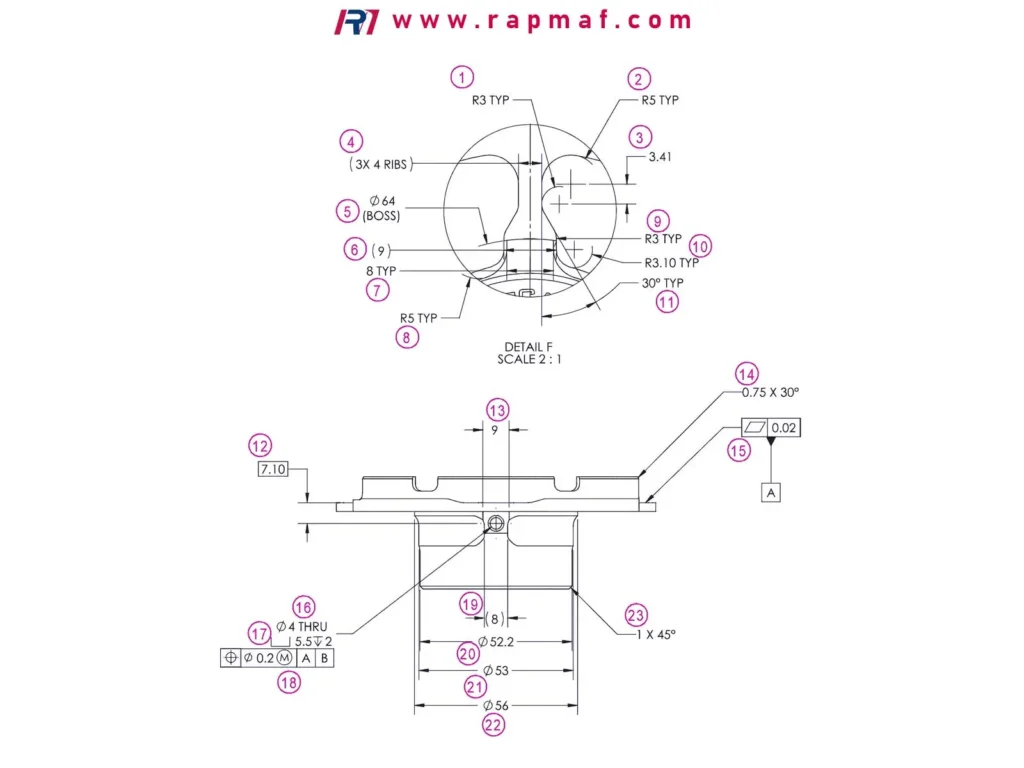
- Dimensional inspection report (ballooned drawing mapping is a big plus)
- Special process certifications (anodize, passivation, plating, heat treat, NDT, etc.)
- Calibration evidence (usually “available on request” rather than shipped every time)
From the supplier side, the goal is simple: make it easy for your receiving team to say “released” quickly and confidently.
How To Spot A Supplier Who Is “Aerospace-Ready” (Without Guessing)
A lot of shops can make accurate parts. Fewer can make accurate parts reliably with a package that stands up to scrutiny.
Here’s a practical comparison you can use when qualifying vendors.
Table 1: Machine Shop Vs Aerospace-Ready Supplier (What You Should Look For)
| What You Ask | Basic Machine Shop Response | Aerospace-Ready Response | Why It Matters To You |
|---|---|---|---|
| Drawing revision control | “Send the latest PDF.” | Revision-controlled job traveler; ECO awareness; documented build-to revision | Prevents building to obsolete revs |
| Material traceability | “We buy from a good distributor.” | Heat/lot tracked to work order; cert reviewed vs PO | Stops “paper mismatch” holds |
| GD&T capability | “We can hold tight tolerance.” | Datum-based inspection plan; CMM where appropriate; report aligned to callouts | Avoids measurement disputes |
| FAI readiness | “We’ll send measurements.” | Ballooned drawing + structured FAI package; change triggers defined | Speeds qualification and PPAP-like expectations |
| Special processes | “We can anodize.” | Controlled outsource chain; certs verified to spec/class/rev | Reduces risk in anodize/plating |
| Nonconformance handling | “We’ll remake it.” | NCR process, containment, root cause options, documented disposition | Minimizes schedule impact |
| Packaging & ID | “We bag and ship.” | Lot labeling, segregation, traveler tie-back, handling notes | Prevents traceability loss after inspection |
Tolerances: What Matters More Than The Number
Aerospace drawings can look intimidating: tight dimensions, GD&T frames, positional tolerances, surface finish, edge break requirements, and sometimes notes that read like a legal contract.
The trap is focusing only on the tightest dimension. In my experience, the real risk sits in three places:
- Datum structure (how the part is functionally referenced)
- Process interactions (especially special processes like anodizing)
- Measurement agreement (how you measure is often as important as what you measure)

If your supplier can’t explain how they’ll fixture and measure to the datum scheme, you’re buying risk—no matter what their brochure says.
Anodizing: A Special Process That Can Quietly Break Conformity
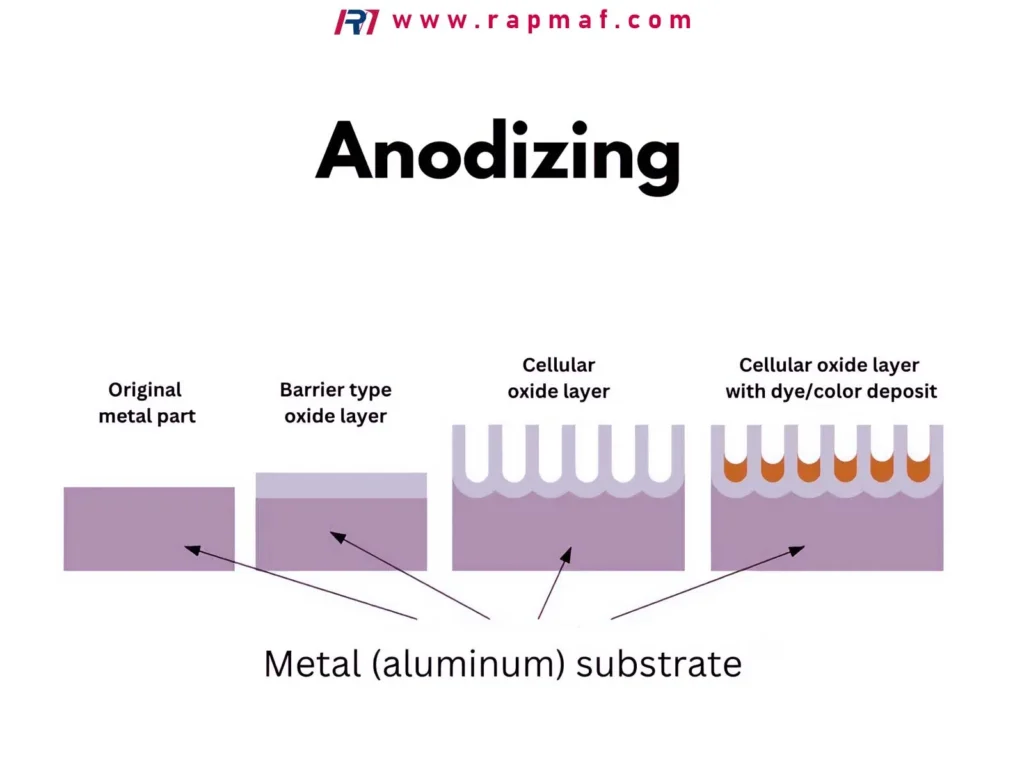
Aluminum anodizing is extremely common in aerospace because it improves corrosion resistance and can provide electrical or wear-related benefits depending on type/class.
But anodizing has two buyer-impacting truths:
- It’s a material conversion process: aluminum is converted to oxide.
- It can change dimensions and surface behavior in ways that matter at assembly.
Common anodize-related pain points I see in sourcing:
- Thickness class mismatch (buyer expects one class; cert shows another)
- Masking ambiguity (critical contact surfaces were coated or not coated incorrectly)
- Threads and fits (coating on threads or close fits causes interference)
- Electrical bonding/grounding (anodize is insulating unless specified otherwise)
- Cosmetic vs functional expectations (color variation vs performance requirements)
- Spec revision mismatch (cert references an old rev)
If you’re trying to reduce aerospace risk, anodize control is one of the highest leverage places to tighten your supplier requirements.
A Buyer-Facing Case Study: CNC + Anodize + Traceability Done Right
A customer contacted me after a frustrating experience: their previous supplier shipped aluminum machined parts that looked clean, measured okay on quick spot checks, and arrived on time—but the lot was blocked at receiving.
The root issue wasn’t “bad machining.” It was a breakdown in special process control and documentation.
What The Buyer Needed (In Plain Language)
- Machined aluminum parts for a flight-critical subassembly
- Anodizing required to a defined spec and class
- Full traceability and a package that receiving could release without debate
They weren’t asking for miracles. They were asking for predictability.
What Typically Goes Wrong In This Situation
When a supplier treats anodizing like “just another finish,” you get problems like:
- A cert that lists the anodize spec but not the correct class/thickness
- Mixed parts from different anodize runs without clear lot segregation
- Masking done based on assumption rather than documentation
- No proof that the anodize provider followed the right spec revision
- Dimensional changes after anodize that weren’t anticipated on close-fit features
The buyer ends up doing detective work—while the line waits.
How I Structured The Job At Rapid Manufacturing
I ran this job as two deliverables, not one:
- The physical parts
- The evidence package that makes the parts shippable
Step 1: Confirm The “Release Criteria” Before Quoting
Before we even talked lead time, I asked:
- Which drawing revision is the receiving team using right now?
- Is FAI required on this lot or only on first build?
- Which surfaces must be masked, and what’s the functional reason?
- Are there any mating features where anodize thickness must be accounted for?
That last question is where many suppliers get caught. If you ignore it, you can build a perfect pre-anodize part that becomes a marginal post-anodize fit.
Step 2: Lock Material Identity From Day One
We reserved material from a single lot, recorded heat/lot data on the traveler, and ensured the material cert matched the purchase requirement (not just “6061 on paper,” but the right condition and documentation).
Step 3: Plan Measurement The Way The Drawing Is Written
We built the inspection plan around datums and critical GD&T, not around what was easiest to measure. CMM was used where it meaningfully reduced interpretation risk.
Step 4: Control The Anodize Interface Like It’s Part Of The Product
For anodizing, we treated the outsource step as a controlled stage:
- We documented masking requirements and made sure they were unambiguous
- We required the anodize cert to reference the correct spec and revision
- We checked the cert for the correct class/thickness requirement before accepting parts back into flow
- We kept lot segregation intact so identity didn’t blur across runs
Step 5: Ship A Receiving-Friendly Package
The shipment included:
- C of C tied to PO and drawing revision
- Material cert tied to heat/lot and shipped lot
- Dimensional report aligned to drawing callouts
- Anodize certification tied to the lot and the correct spec/class
- Clear labeling so receiving could quarantine/release by lot without re-sorting
The Result That Matters To Buyers
The customer’s feedback wasn’t “your machining is nicer.” It was:
- Receiving inspection time dropped
- Fewer clarification emails
- Less risk of a lot getting stuck because someone can’t prove what happened
That’s what an aerospace-grade attitude looks like in practice: controlled execution and traceable evidence.
How We Fit In At Rapid Manufacturing
If you’re sourcing aerospace-adjacent machined components, here’s the practical way to think about us.
We’re built for buyers who care about two things at the same time:
- The part has to be right.
- The paperwork has to make the part usable.
What We Commonly Machine
Most of the work we see from aerospace-adjacent programs falls into a few repeatable categories:
- Brackets, housings, blocks, and mounts (aluminum and stainless)
- Covers, baseplates, manifolds, and instrument chassis where flatness, positional tolerance, and finish matter

- Prototype-to-low-volume production parts where drawing changes happen and revision control matters
If your part is a close-fit assembly component, includes datums that stack up across features, or goes through anodizing, we’ll plan the build and inspection around those realities.
Typical Capability Range (Written The Way Buyers Use It)
Every shop page on the internet claims “high precision.” What buyers really need is a sense of safe quoting territory and where a supplier will ask smart questions.
Below is the range that’s realistic for a CNC-milling-forward supplier supporting demanding industries, without pretending every part fits the same box.
Materials We Commonly Support (And Why Buyers Pick Them)
- Aluminum alloys (common aerospace grades): strong strength-to-weight, excellent machinability, frequently anodized
- Stainless steels (e.g., 300/400 series depending on requirement): corrosion resistance, durability
- Tool steels (for fixtures, gauges, and wear components): stability and wear performance
- Engineering plastics (PEEK/Delrin/nylon variants for tooling or non-flight functional prototypes): speed and iteration
If you need nickel alloys or other difficult-to-machine materials, we can evaluate—but I’d rather set expectations early because tooling strategy, cycle time, and inspection cost can change drastically.
Part Size: What’s Practical For CNC Milling
Most CNC milled parts we quote comfortably fall into these bands:
- Small to medium prismatic parts: from a few millimeters up to roughly 500 mm in length
- Larger plates and frames: up to roughly 800 mm length depending on thickness, flatness requirement, and fixturing needs
If you have a long, thin part where distortion drives tolerance risk, that’s still doable—but it needs a different plan (stress-relief, op sequence, inspection timing).
Tolerance: What We Mean By “Precision”
You mentioned ±0.005 mm. That level is achievable on the right geometry with the right inspection method, but it shouldn’t be copy-pasted onto every feature.
A more buyer-useful way to state it:
- General CNC milling work: often designed around ±0.02 mm to ±0.05 mm depending on size and material
- Critical features (fits, datums, bearing/locating bores): commonly ±0.01 mm, and tighter by review
- Ultra-tight features: around ±0.005 mm on suitable features, typically with controlled temperature, stable material, and verification method aligned to the drawing intent
If you send a drawing, I’ll tell you quickly which features are “straightforward,” which are “doable with controls,” and which are “redesign or change process” candidates.
Minimum Feature Size (So Buyers Don’t Misinterpret “0.01”)
You said minimum diameter 0.01—I’m going to interpret that as 0.01 mm as a target feature size, which is extremely small and not representative for CNC milling. What many teams actually mean in practice is:
- Smallest drillable holes on typical CNC setups are often ~0.3–1.0 mm depending on depth and material, smaller by special tooling and constraints.
- For truly micro features, Swiss turning, EDM, or laser processes may be more appropriate.
So here’s how I’d phrase it on a real supplier page without creating false expectations:
- We support fine features and can evaluate micro-holes/slots case-by-case based on diameter, depth-to-diameter ratio, material, burr allowance, and inspection method.
(If you confirm “0.01” was meant as 0.01 inches or 0.01 mm, I can tighten this wording accordingly.)
Surface Treatments We Commonly Coordinate (Buyer-Safe List)
For aluminum aerospace-adjacent components, the most common finishes we see are:
- Anodizing (Type II / Type III, clear or dyed) with masking as required
- Chem film / conversion coating where specified for corrosion protection and conductivity needs
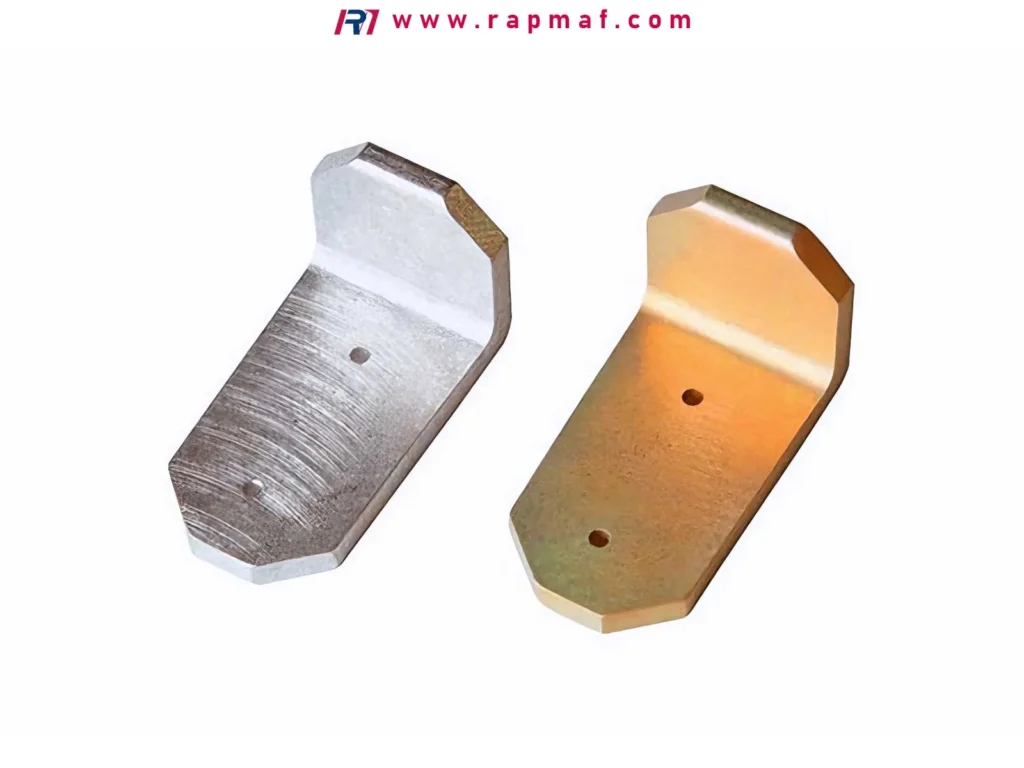
- Bead blast or controlled surface prep prior to anodize when required
- Passivation for stainless components (program dependent)
The key is not “we can do it.” The key is: we treat special processes as controlled steps with cert review and lot segregation.
Inspection And Documentation Deliverables (What You’ll Actually Receive)
When buyers ask for “CMM Inspection Services,” what they usually need is one of these:
- Dimensional inspection report that maps clearly to the drawing (ballooned drawing mapping if requested)
- CMM report for features where datum interpretation or GD&T risk is high
- FAI-style package on first build or after a defined change event
- Material certs and special process certs that match spec/class/revision
If your receiving team is strict, clarity beats volume. A clean report that matches the print prevents delays.
Table 2: Typical Verification Methods By Feature Risk
| Feature Type | Typical Buyer Risk | Verification That Reduces Disputes |
|---|---|---|
| Locating datums, positional patterns | Datum interpretation mismatch | CMM plan aligned to datum scheme |
| Flatness/parallelism on mating faces | Assembly stack-up failures | Surface plate + indicator / CMM as appropriate |
| Close-fit bores/slots | Functional interference after anodize | Pre- and post-process measurement strategy |
| Threads | Assembly damage, gauge disputes | GO/NO-GO gaging + visual criteria |
| Surface finish | Premature wear/leaks/fit issues | Surface roughness measurement where specified |
How To Put Anodizing Requirements In Your RFQ (So You Don’t Get Surprised)
If anodize matters, I recommend you spell it out like this:
- Spec + Type/Class
- Masking surfaces called out explicitly (or “mask per drawing”)
- Any electrical bonding / conductivity requirement (don’t assume)
- Cosmetic expectations (if appearance matters)
- Whether you require thickness reporting or coupon testing (program dependent)
This prevents the classic “the cert says anodize, so it must be fine” trap.
A Buyer-Facing Case Study: CNC + Anodize + Traceability Done Right
A customer contacted me after a frustrating experience: their previous supplier shipped aluminum machined parts that looked clean, measured okay on quick spot checks, and arrived on time—but the lot was blocked at receiving.
The root issue wasn’t “bad machining.” It was a breakdown in special process control and documentation.
What The Buyer Needed (In Plain Language)
- Machined aluminum parts for a flight-critical subassembly
- Anodizing required to a defined spec and class
- Full traceability and a package that receiving could release without debate
They weren’t asking for miracles. They were asking for predictability.
What Typically Goes Wrong In This Situation
When a supplier treats anodizing like “just another finish,” you get problems like:
- A cert that lists the anodize spec but not the correct class/thickness
- Mixed parts from different anodize runs without clear lot segregation
- Masking done based on assumption rather than documentation
- No proof that the anodize provider followed the right spec revision
- Dimensional changes after anodize that weren’t anticipated on close-fit features
The buyer ends up doing detective work—while the line waits.
How I Structured The Job At Rapid Manufacturing
I ran this job as two deliverables, not one:
- The physical parts
- The evidence package that makes the parts shippable
Step 1: Confirm The “Release Criteria” Before Quoting
Before we even talked lead time, I asked:
- Which drawing revision is the receiving team using right now?
- Is FAI required on this lot or only on first build?
- Which surfaces must be masked, and what’s the functional reason?
- Are there any mating features where anodize thickness must be accounted for?
Step 2: Lock Material Identity From Day One
We reserved material from a single lot, recorded heat/lot data on the traveler, and ensured the material cert matched the purchase requirement.
Step 3: Plan Measurement The Way The Drawing Is Written
We built the inspection plan around datums and critical GD&T, not around what was easiest to measure. CMM was used where it meaningfully reduced interpretation risk.
Step 4: Control The Anodize Interface Like It’s Part Of The Product
For anodizing, we treated the outsource step as a controlled stage:
- Masking requirements documented and confirmed
- Cert required to reference correct spec and revision
- Cert checked for correct class/thickness before accepting parts back into flow
- Lot segregation maintained across all steps
Step 5: Ship A Receiving-Friendly Package
The shipment included:
- C of C tied to PO and drawing revision
- Material cert tied to heat/lot and shipped lot
- Dimensional report aligned to drawing callouts
- Anodize certification tied to the lot and the correct spec/class
- Clear labeling so receiving could quarantine/release by lot without re-sorting
The Result That Matters To Buyers
The customer’s feedback wasn’t “your machining is nicer.” It was:
- Receiving inspection time dropped
- Fewer clarification emails
- Less risk of a lot getting stuck because someone can’t prove what happened
RFQ Email Template (Copy/Paste)
Subject: RFQ – CNC Machined Aluminum Part + Anodize + Traceability (Rev ___)
Hello [Supplier Name],
I’m requesting a quote for a CNC machined aluminum component with anodizing and aerospace-style traceability.
Attached:
- Drawing: [Part Number], Rev [__] (PDF + native if available)
- Reference model: STEP (if available)
Requirements:
- Quantity: [__ pcs] (please quote also at [__] if possible)
- Material: [spec + condition] with material cert tied to heat/lot
- Finish: Anodize to [spec], [Type/Class], masking per drawing notes
- Inspection: Dimensional report required; confirm whether you can support an FAI package on first build
- Traceability: Lot segregation and labeling required; C of C required
- Delivery: Ship to [city/state], needed by [date]
- Please confirm any assumptions about masking, thickness class, or critical mating features before release
Please provide: unit price, lead time, and a list of included documents with shipment.
Best regards,
[Name]
[Company]
[Email / Phone]
Quick Checklist: Questions To Ask Any Aerospace Machining Supplier
- How do you control drawing revision and ECO changes?
- Will the material cert be tied to the shipped lot and part number?
- How do you handle lot segregation (especially through anodize)?
- Can you map your inspection report to a ballooned drawing?
- How do you verify the anodize cert matches the correct spec/class/revision?
- What triggers an NCR and how is containment handled?
- What is your communication cadence when something is ambiguous?
FAQs
Who Makes Jet Aircraft Engines?
The largest commercial and military jet engine makers are generally recognized as GE Aerospace, Pratt & Whitney (RTX), Rolls‑Royce, and Safran Aircraft Engines (often in joint ventures such as CFM International). Engine program applicability varies by aircraft model, customer selection, and contract configuration.
Why Are Aerospace Tolerances And Traceability So Strict Right Now?
Because the cost of uncertainty is higher than ever. When confidence drops, scrutiny rises: tighter receiving checks, more audits, and less tolerance for missing documents. Traceability shortens investigations and limits the blast radius when something needs containment.
Does Anodizing Change Dimensions Enough To Matter?
It can. Anodizing forms an oxide layer that may affect close fits, threads, and mating faces. Whether it matters depends on the anodize type/class, thickness requirement, and the part’s functional interfaces.
What Is The Fastest Way To Reduce Receiving Holds?
Ship a clean, consistent documentation set that ties everything together: PO ↔ drawing revision ↔ material lot ↔ inspection report ↔ special process cert ↔ labeled lot.
Should I Require FAI On Every Order?
Not always. FAI is most valuable on first builds, after changes, or when risk is high. Your quality system and customer requirements should drive this decision.
References
- FAA – Aircraft safety and oversight information: https://www.faa.gov/
- NADCAP (PRI) – Special process accreditation background: https://www.p-r-i.org/nadcap/