



I’m Clive, an engineer at Rapid Manufacturing. Lately, more sourcing conversations start the same way:
“Costs are moving. We need options—fast.”
With the US adding tariffs on certain medical supplies (including needle-related products), the immediate reaction is to hunt for lower unit pricing elsewhere. But in medical manufacturing, a quality miss can erase months of savings in a single week—through line stoppages, scrap, containment sorting, CAPAs, delayed shipments, and reputational damage.
So I’m going to focus on what actually helps buyers: how to keep supply stable and quality predictable when landed costs rise—and how to qualify a machining supplier without drowning in “checkbox” busywork.
This is written for procurement, supplier quality, and engineering teams who need parts that pass receiving and build cleanly, not just quotes that look good in a spreadsheet.
Tariffs Change Price. Quality Changes Risk.
A tariff is a cost multiplier. A quality failure is a risk multiplier.
Saving 0.50–2.00 per piece looks great—until you get a dimensional drift, a burr escape, or a traceability gap that blocks your incoming inspection. Then the cost model becomes:
- production downtime and schedule recovery costs
- expedited freight and reshipments
- rework, scrap, or 100% sorting
- nonconformance investigations and CAPA workload
- customer complaints (and sometimes regulatory reporting obligations)
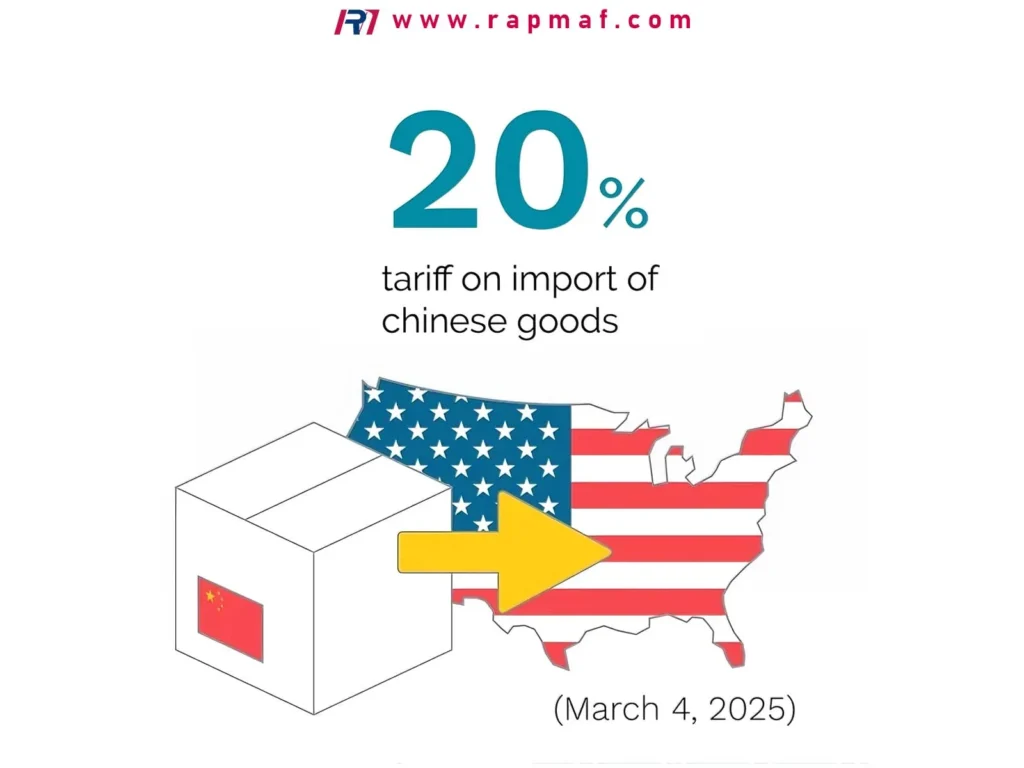
When tariffs push buyers to re-source, the mature move isn’t “find the cheapest shop.” It’s:
- segment parts by risk, then
- move low-risk parts first, and
- raise evidence requirements for anything patient-contacting, sealing-critical, or validation-sensitive.
That’s what keeps programs on the rails.
What “Quality” Means For Medical Machining (In Audit Terms)
Quality isn’t a slogan. For medical device components, quality shows up as a set of behaviors you can verify:
- traceability from raw material heat/lot to finished part lot
- revision control (no silent drawing changes)
- calibration discipline for measuring equipment
- documented routings and controlled work instructions
- inspection evidence tied to datums and acceptance criteria
- nonconformance containment and corrective action
- clean handling and packaging consistent with the part’s use and finish
If a supplier can’t do these consistently, they may still “make parts,” but they won’t reliably support a regulated supply chain.
ISO 13485 And ISO 9001: How Buyers Should Use Them
Because you told me your program is buyer-facing: here’s the practical way to think about certifications.
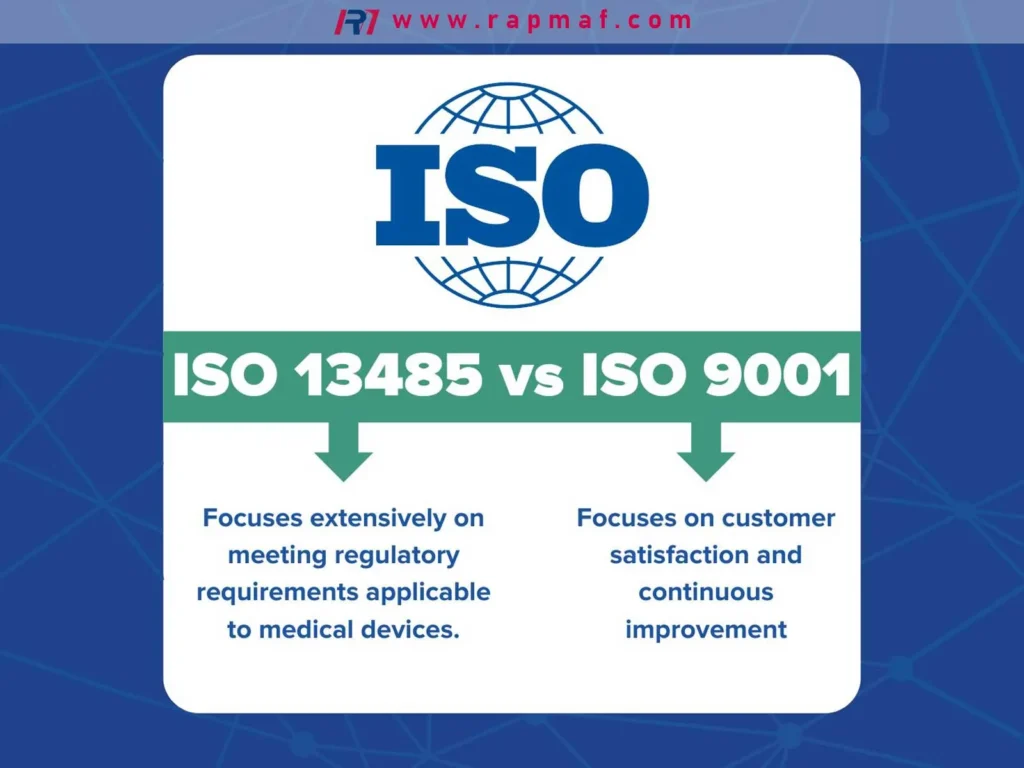
ISO 9001 (Baseline Process Discipline)
ISO 9001 is a general quality management framework. For medical component sourcing, it’s a good foundation: document control, corrective action, calibration, and consistent processes.
ISO 13485 (Medical-Specific Controls)
ISO 13485 is medical-device focused. It emphasizes risk-based thinking and stronger expectations around documentation and traceability.
If you’re qualifying an alternate supplier under cost pressure, ISO 13485 doesn’t eliminate due diligence—but it reduces uncertainty because the “language” of quality systems is already aligned.
At Rapid Manufacturing, we are ISO 13485 and ISO 9001 certified. In practice, that means we operate with controlled documentation, traceability habits, and inspection records that are designed to survive supplier quality scrutiny—not just ship boxes.
The Quality Failure Modes That Turn “Cheap” Into “Expensive”
When medical components go wrong, it’s usually not dramatic. It’s small, repeatable, and expensive to contain.
Traceability Gaps
Missing certs, mixed lots, unclear mapping between heat/lot and production lots, or outside processing paperwork that doesn’t match.
What it does to you: QA holds, incoming inspection blocks, or scrapping parts that might be fine—but can’t be proven.
Burr And Edge-Condition Escapes
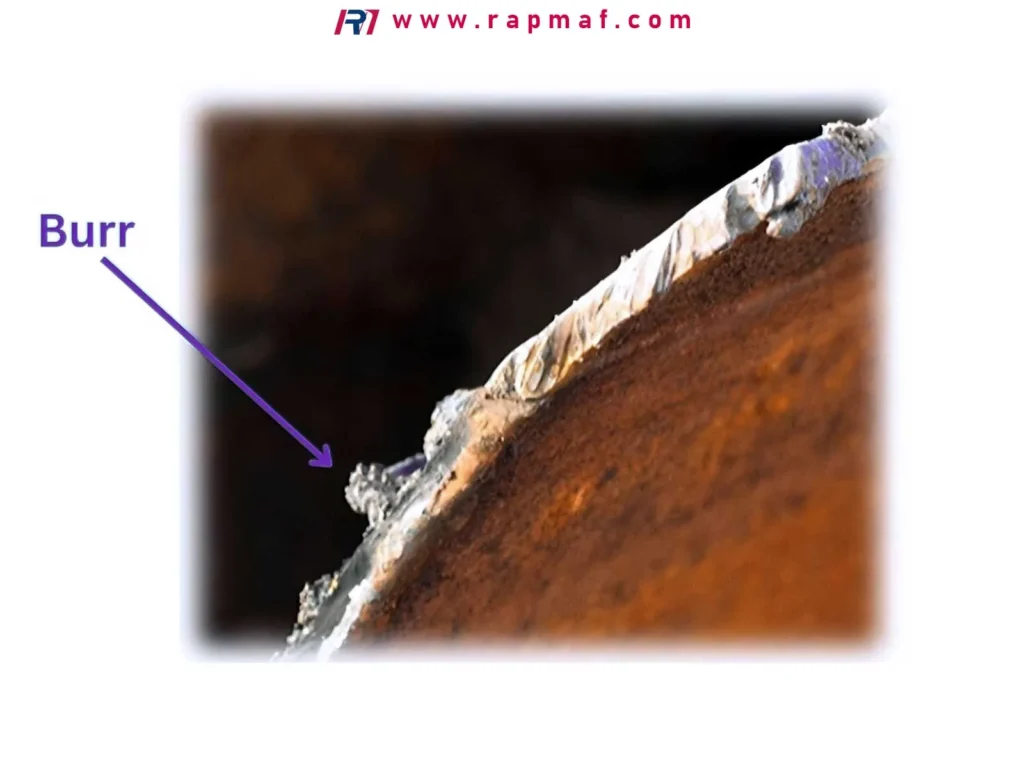
On probe components, instrument handles, and precision interfaces, burrs are not cosmetic. They can create particulate, assembly damage, or fit issues.
What it does to you: unpredictable assembly, cleaning headaches, or downstream failures that are hard to root-cause.
Surface Finish Is “Quoted” But Not Controlled
A supplier can hit Ra once and still fail to hold it over multiple lots if tool wear control, finishing parameters, and measurement method aren’t consistent.
What it does to you: friction variability, sealing inconsistency, cosmetic rejects, or functional complaints.
Measurement Mismatch
Calipers can’t validate tight GD&T. A CMM program, fixturing strategy, and a measurement plan are part of the manufacturing process—not an afterthought.
What it does to you: false confidence that passes until validation/assembly, then painful containment.
Informal Substitutions In Special Processes
Passivation, anodize, electropolish, cleaning—if anything is swapped “because it’s equivalent,” you inherit risk.
What it does to you: corrosion, discoloration, adhesion problems, or nonconforming surface condition.
What Buyers Should Ask For When Re-Sourcing Under Cost Pressure
If you want to move fast without creating a quality trap, ask questions that map to actual risk:
- Can you provide lot traceability (material + outside processes) with the shipment?
- What does your default inspection package look like? (critical dims vs full layout)
- How do you control burrs/edge break, especially on micro features?
- What equipment do you use for GD&T verification (CMM/vision)?
- How do you handle nonconforming product (containment + corrective action)?
- How do you control revision changes and prevent “silent” process substitutions?
A supplier who answers these clearly is doing you a favor: they’re showing you how predictable your receiving and builds will be.
Medical Grade Machining: A Useful Definition For Buyers
“Medical grade machining” gets overused online. I prefer a definition you can operationalize:
Medical grade machining is machining that is compatible with:
- traceability expectations
- stable, documented processes
- calibrated inspection and consistent reporting
- controlled handling and packaging
- readiness for audits and corrective action discipline
It doesn’t mean “expensive.” It means repeatable and provable.
Swiss Turning For Medical Parts Vs CNC Milling: What Actually Matters
You asked to highlight micro capability and real buyer value—so here’s the honest split:
- Swiss turning is often ideal for long, slender rotational parts (pins, shafts, micro fastener-like geometries) and very high repeatability in turned features.
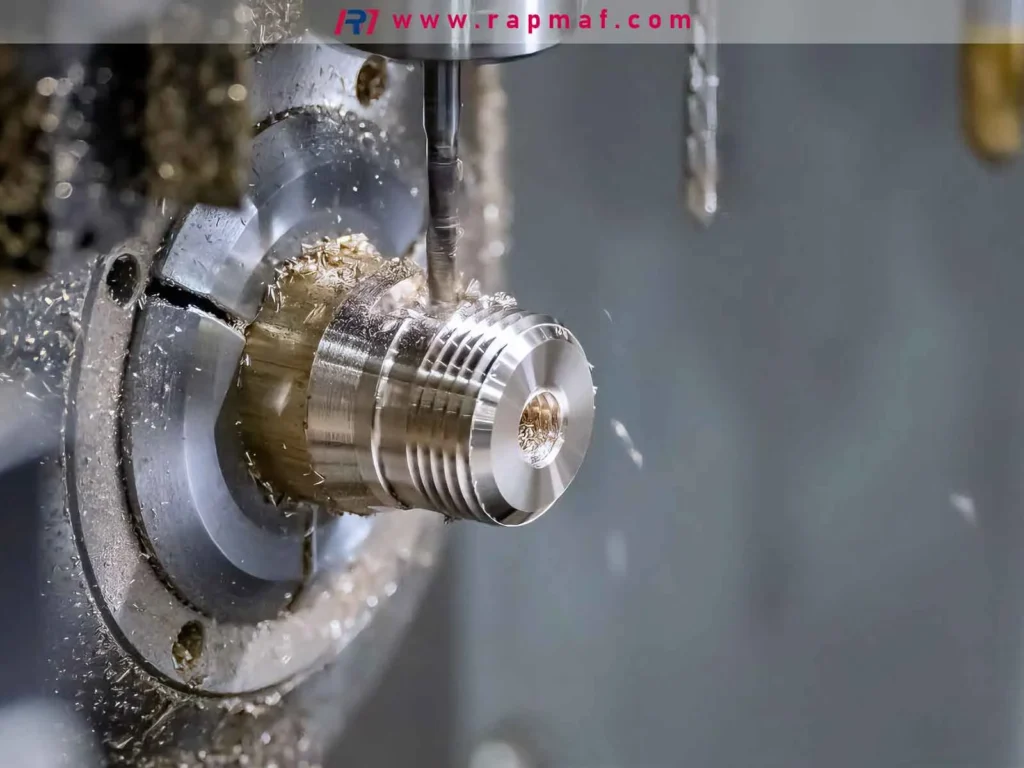
- CNC milling is usually the workhorse for complex prismatic geometry, pockets, planes, and multi-face features—especially when you need controlled datums and flexible geometry.
At Rapid Manufacturing, we more commonly run CNC milling for medical components, because many assemblies (probe housings, instrument interface blocks, handle components, small brackets) are fundamentally prismatic with multiple datum-controlled faces.
That said, “best process” is always geometry-driven. If your part is predominantly turned or needs extreme coaxiality on long, thin sections, we’ll tell you that up front and route it accordingly.
Micro Features, Minimum Diameters, And “Can You Hold ±0.005 mm?”
When a buyer tells me “we have micro features,” I immediately try to remove ambiguity. Micro manufacturing fails most often at the handoff—when the supplier and buyer are picturing different units, different feature types, and different inspection expectations.
Here’s a clean way to frame it:
- Minimum diameter: confirm whether it’s 0.01 mm or 0.01 inch (and whether it’s a drilled hole, a turned pin, or a milled slot feature).
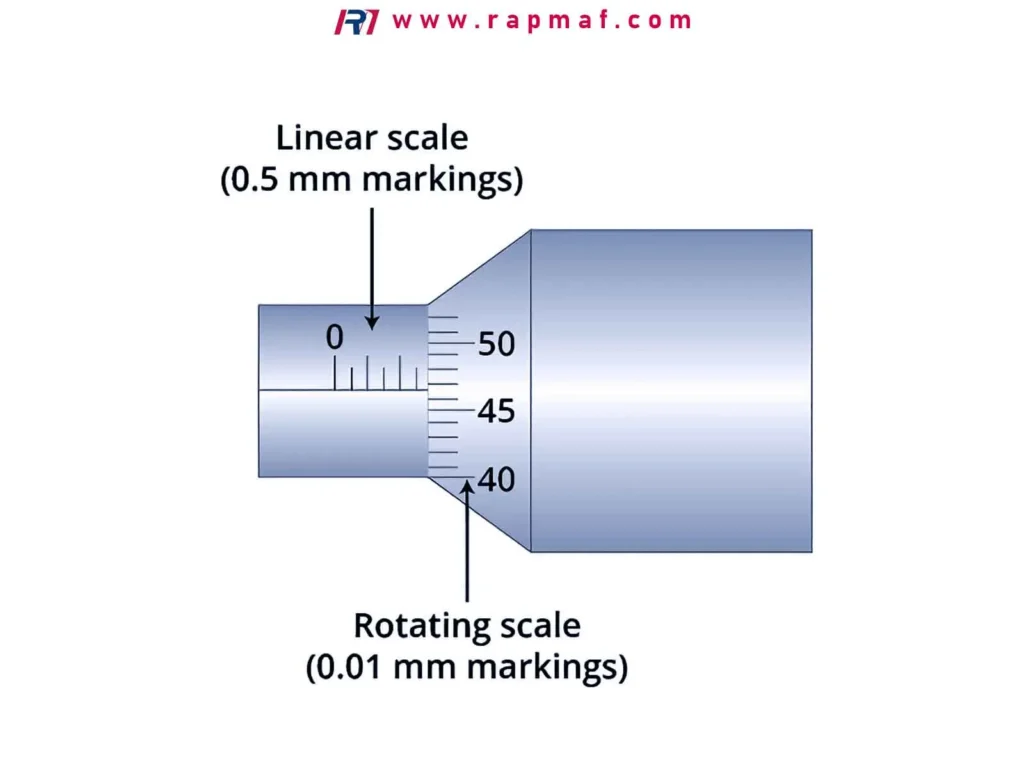
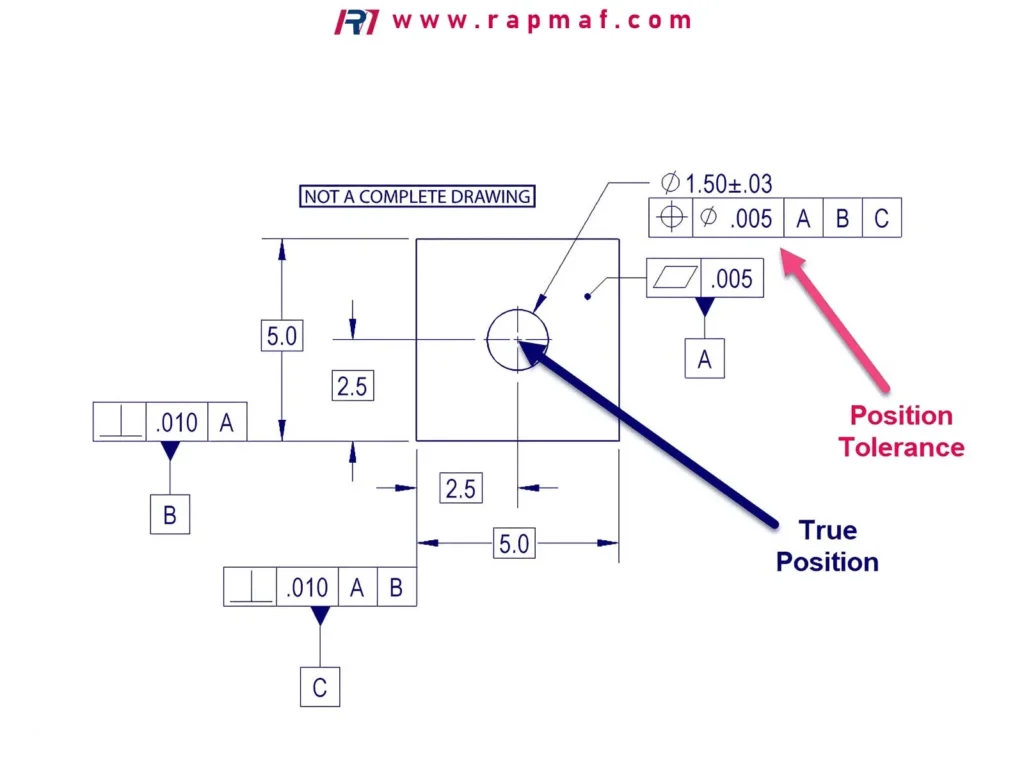
- Tolerance expectation: if you need something like ±0.005 mm on critical characteristics, call out which dimensions are truly critical, and what the datums are.
- Inspection method: micro features are frequently inspection-limited; you want a supplier who can measure them credibly (not “we’ll check it with pins” unless that’s actually acceptable).
From our side, when we see ±0.005 mm-class requirements, we treat it as a system problem: fixturing stability, tool wear control, thermal effects, measurement strategy, and how the part is handled between operations. The best outcome is usually achieved by agreeing on:
- which features need that tolerance band
- how they will be measured and reported
- what sampling plan makes sense for production (so you don’t pay for unnecessary 100% checks)
That keeps the part manufacturable and keeps your quality file defensible.
Materials We Commonly See In Medical Device Components
For a buyer-facing page, it helps to list realistic medical machining materials without pretending to cover everything:
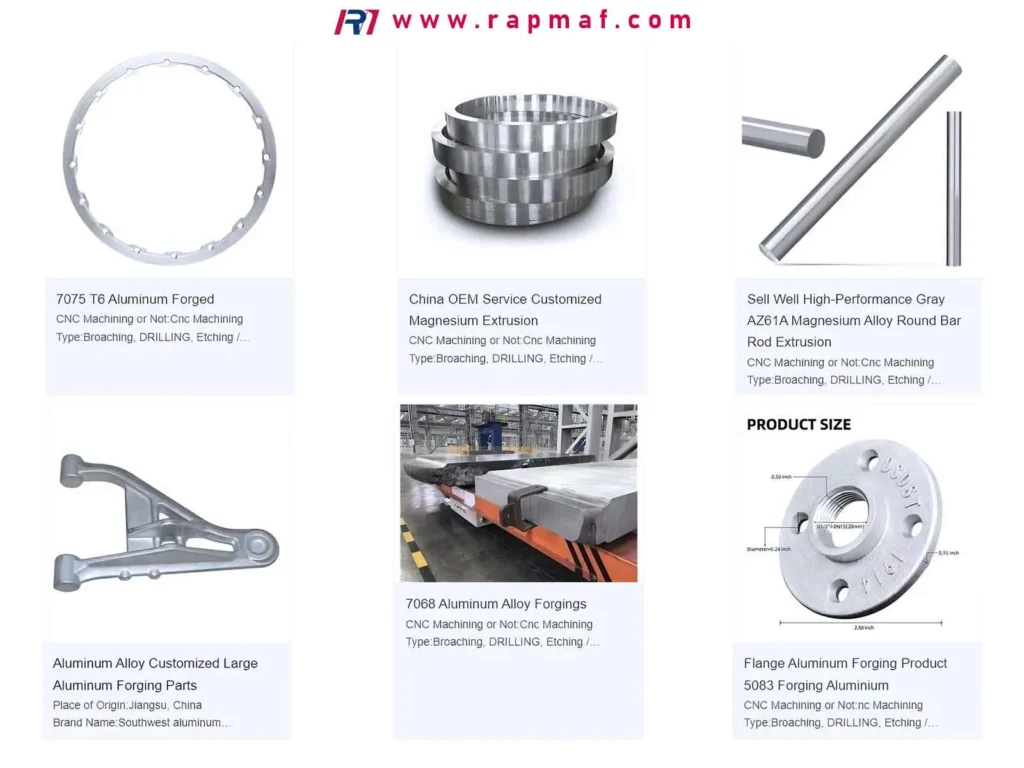
- Stainless steels: 316L, 304, 17‑4PH (common in instruments and assemblies)
- Titanium alloys: Ti‑6Al‑4V (often specified for high-performance and implant-adjacent parts)
- Aluminum alloys: common for non-implant housings, fixtures, and structural components
- Engineering plastics (when required): such as PEEK or acetal for device components where specifie.
If your drawing calls for a specific ASTM/AMS standard, that always takes priority. The real differentiator isn’t the material list—it’s the supplier’s ability to keep certs, traceability, and process consistency clean.
Finishing, Cleaning, And Verification: What “Good” Looks Like
Medical components often need secondary processes. The buyer risk is rarely “can the supplier do it?”—it’s whether they can do it consistently and document it.
Common needs include:
- passivation for stainless steels
- anodizing for aluminum
- electropolishing (when specified)
- controlled bead blasting (only if allowed; surface/particle risk must be understood)
- surface roughness verification where Ra is specified
- dimensional inspection with calibrated equipment and an inspection report aligned to your critical characteristics
The best suppliers treat outside processes like part of the routing: controlled vendors, paperwork matching your PO, and lot identity maintained.
Where Rapid Manufacturing Fits (From A Buyer’s Point Of View)
Here’s the simplest promise I’m comfortable making as an engineer:
We try to make your receiving process boring.
Not “exciting.” Not “heroic.” Boring—because boring means predictable.
Because we’re ISO 13485 and ISO 9001 certified, our day-to-day operating habits are built around:
- controlled documentation and revision handling
- lot traceability behaviors
- calibrated inspection processes
- consistent inspection reporting
- nonconformance discipline (containment + corrective action)
What We’re Commonly Asked To Make
- medical probe components and probe-related housings
- surgical instrument handles and interface parts
- precision brackets, retainers, sleeves, and small hardware
- device assembly components where fit, feel, and repeatability matter
What We Do That Buyers Actually Feel
- We ask the questions that prevent receiving holds (docs, finish, inspection output).
- We flag tolerance stacks and edge-condition risks early.
- We treat inspection and traceability as deliverables, not optional extras.
That’s how you reduce total cost when tariffs are squeezing unit price: you reduce chaos.
A Customer Case: Custom Probe And Instrument Components Delivered End-To-End
A sourcing team reached out after landed costs changed and they needed a second source for several machined components used in a medical device assembly. The situation was common: they didn’t want a redesign—they wanted stable supply without triggering a quality fire drill.
Step 1: We Aligned On What “Good” Means
Before we quoted, we clarified:
- which features were critical-to-function
- inspection expectations (critical dims vs fuller layout)
- documentation package (CoC, material certs, any finish certs)
- finish and handling constraints (edge breaks, no cosmetic damage on functional surfaces)
- schedule constraints (partial shipments allowed or not)
This step is the difference between “parts shipped” and “parts accepted.”
Step 2: We Built A Manufacturing And Inspection Plan Together
For the highest-risk features, we selected:
- stable datums and fixturing strategy to minimize stack-up
- a machining route designed for repeatability (not just fastest cycle)
- an inspection plan that matched how the part would be accepted
If a feature is tight enough that inspection credibility matters, we plan that upfront rather than improvising after the first lot is cut.
Step 3: We Ran The Job One-Stop
We executed as a single routed workflow:
- CNC machining
- deburr and edge control with defined acceptance criteria
- in-process checks to prevent drift
- final inspection and documentation
- packaging that protected functional surfaces and preserved lot identity
- shipment with paperwork aligned to the PO and revision
Step 4: What The Buyer Considered “Success”
They didn’t measure success by a dramatic story. They measured it by:
- first shipment cleared receiving with minimal questions
- assembly fit was consistent
- reorder was simple (same documentation format, same inspection expectations)
That’s what a quality system is supposed to do: make supply repeatable.
How To Choose A Supplier When Cost Pressure Is High
If tariffs or supply chain shocks force you to make changes, here’s the decision framework I recommend:
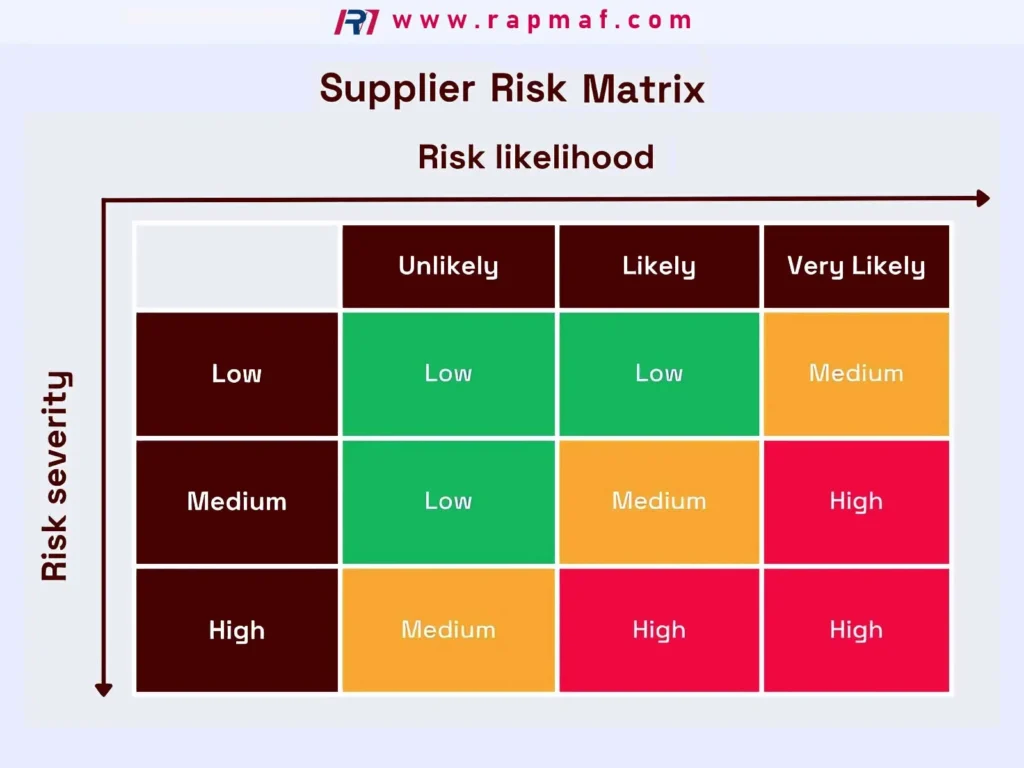
- Classify parts by risk
- High risk: patient-contacting, sealing-critical, validation-critical
- Lower risk: external housings, brackets, non-critical mechanical pieces
- Move The Low-Risk Work First
Use it as a proving ground for supplier responsiveness, documentation, and consistency. - For High-Risk Work, Buy Predictability
Prioritize process control, traceability, inspection capability, and change discipline. - Compare Total Cost, Not Unit Price
Include incoming inspection burden, scrap probability, rework risk, and schedule resilience.
This approach tends to reduce both cost and stress.
RFQ Email Template (Copy/Paste)
Subject: RFQ – Medical Device Component – [Part Number] – Qty [X] – Need By [Date]
Hello Rapid Manufacturing team,
Please quote the attached medical device component(s):
- Part number / name: [___]
- Revision: [___]
- Files: 2D PDF + 3D STEP attached
- Material/spec: [] (approved alternates: [])
- Quantity: [] (annual forecast if available: [])
- Target ship date: [___] (partial shipments allowed: Yes/No)
- Finish/special processes: [passivation/anodize/electropolish/none]
- Standards/specs (if any): [___]
- Approved sources required: Yes/No (if yes, list: [___])
- Inspection:
- Dimensional report: [critical-only / full layout / sampling plan]
- Surface roughness reporting required: Yes/No (Ra: [___])
- Documentation required: [CoC / CoC + material certs / CoC + material certs + inspection report]
- Packaging/handling requirements: [___]
- Ship-to location: [___]
Please confirm lead time, pricing, and any DFM concerns before release.
Best regards,
[Name]
[Title / Company]
[Email] | [Phone]
Machine Shop Vs Medical-Ready Supplier: What To Look For
| Topic | Basic Machine Shop | Medical-Ready Supplier (What You Want) |
|---|---|---|
| Traceability | “We can include certs if you ask” | Lot/heat mapping, cert packs, outside process traceability tied to shipment |
| Revision Control | PDF on the floor, informal updates | Controlled document system, revision confirmation on PO and router |
| Inspection | Calipers + spot checks | Calibrated system, defined inspection plan, CMM/vision where needed |
| Burr/Edge Control | “Deburr” as a note | Defined edge requirements, consistent deburr method and verification |
| Outside Processes | Ad-hoc vendor choices | Controlled vendors, paperwork control, predictable lead times |
| Nonconformance | Informal rework | Containment, NCR discipline, corrective action and prevention |
| Communication | Quote fast, figure it out later | DFM feedback up front, risk flags early, fewer surprises |
This isn’t about being “fancy.” It’s about whether your incoming inspection and builds stay stable.
References
- U.S. Food & Drug Administration (FDA) — Medical devices
https://www.fda.gov/medical-devices - ISO — ISO 9001: Quality management systems (overview)
https://www.iso.org/iso-9001-quality-management.html - NIST — Measurement traceability, calibration, and metrology references
https://www.nist.gov/ - AAMI — Standards ecosystem for medical devices
https://www.aami.org/standards






