


If you’re deciding between bronze vs brass, you’re usually not asking a history question—you’re trying to prevent a very specific failure:
- the bushing that galls and seizes
- the valve component that dezincifies in water
- the decorative part that tarnishes unpredictably
- the marine fitting that corrodes faster than expected
- the machined part that costs more than it should
I’ve been supporting rapid manufacturing and CNC sourcing decisions for a long time, and the pattern is consistent: people pick “brass” or “bronze” based on vibe (color, tradition, what they’ve heard), then discover the environment and the mating material were the real decision drivers.
This guide answers “Which is better, bronze or brass?” the way a buyer or engineer needs it answered: by application, risks, and what to put on the PO so you get what you intended.
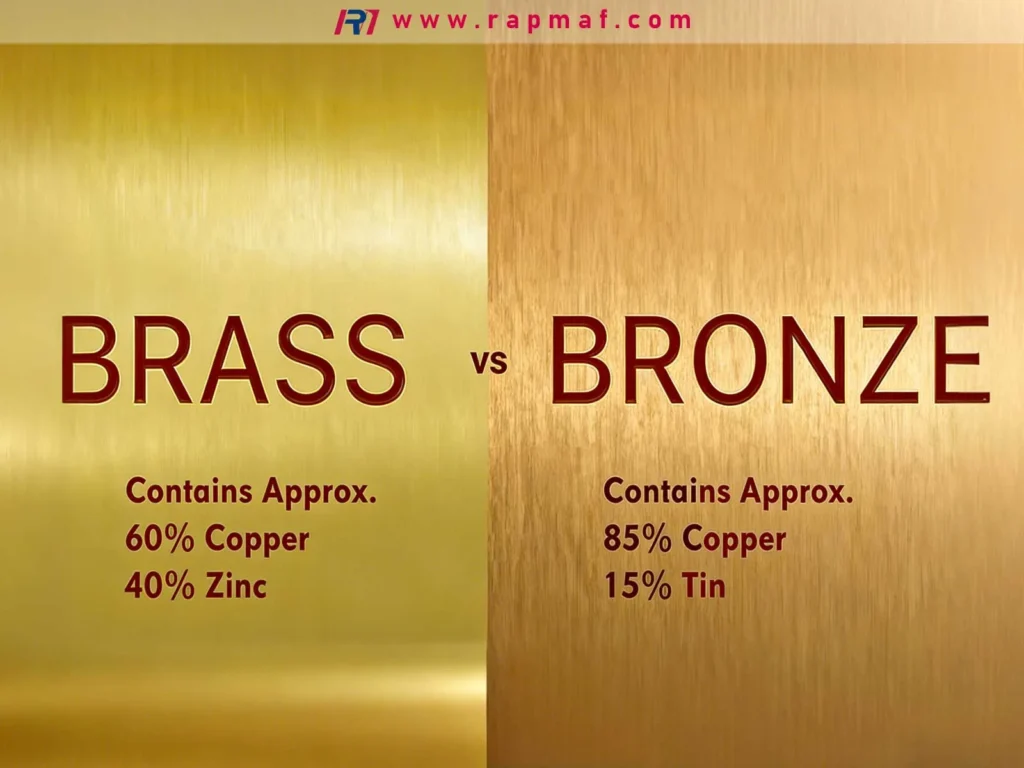
First: Brass and bronze aren’t one material each
“Brass” and “bronze” are families of alloys, not single grades.
- Brass usually means copper + zinc (Cu-Zn), sometimes with additions like lead, tin, aluminum, or silicon.
- Bronze traditionally means copper + tin (Cu-Sn), but in modern industry “bronze” also includes aluminum bronze (Cu-Al) and silicon bronze (Cu-Si).
That’s why online comparisons can feel contradictory: one “brass” might be perfect for a part, while another brass fails quickly in the same environment.
Buyer rule: if your drawing or PO just says “brass” or “bronze,” you’re leaving the most important decision up to the supplier.
Quick decision: which is “better”?
If you need a fast default:
- Choose bronze when you care about wear resistance, bearing performance, marine durability, or long service life under friction.
- Choose brass when you care about easy machining, cost control, good general corrosion resistance in indoor/benign environments, and cosmetic appearance.
But the real answer depends on water chemistry, mating materials, load, temperature, and whether it’s sliding or static.
What’s actually inside brass vs bronze?
Brass (Cu + Zn)
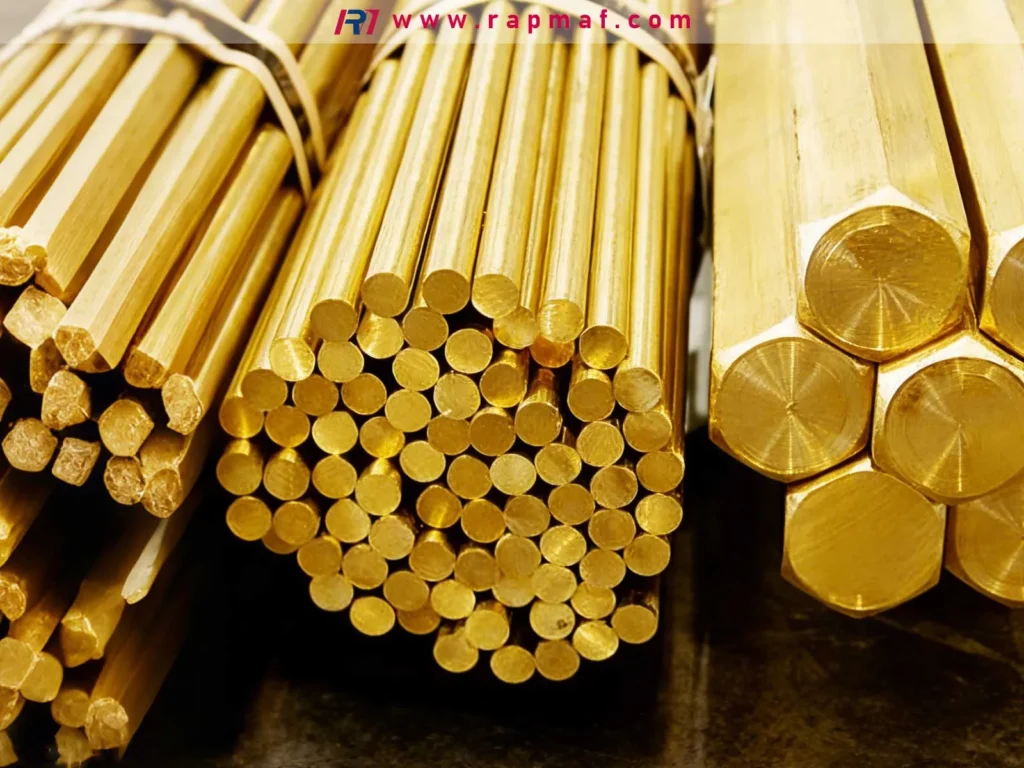
Common families include:
- Free-machining brasses (often with lead for machinability)
- Naval brasses (with small tin additions to improve seawater resistance)
- Dezincification-resistant (DZR) brasses (designed for plumbing/water exposure)
- Silicon brasses (lead-free options in some markets)
What zinc does: It generally improves strength over pure copper and can improve machinability. But zinc can introduce a key risk in certain waters: dezincification (more on that below).
Bronze (often Cu + Sn, or Cu + Al, or Cu + Si)
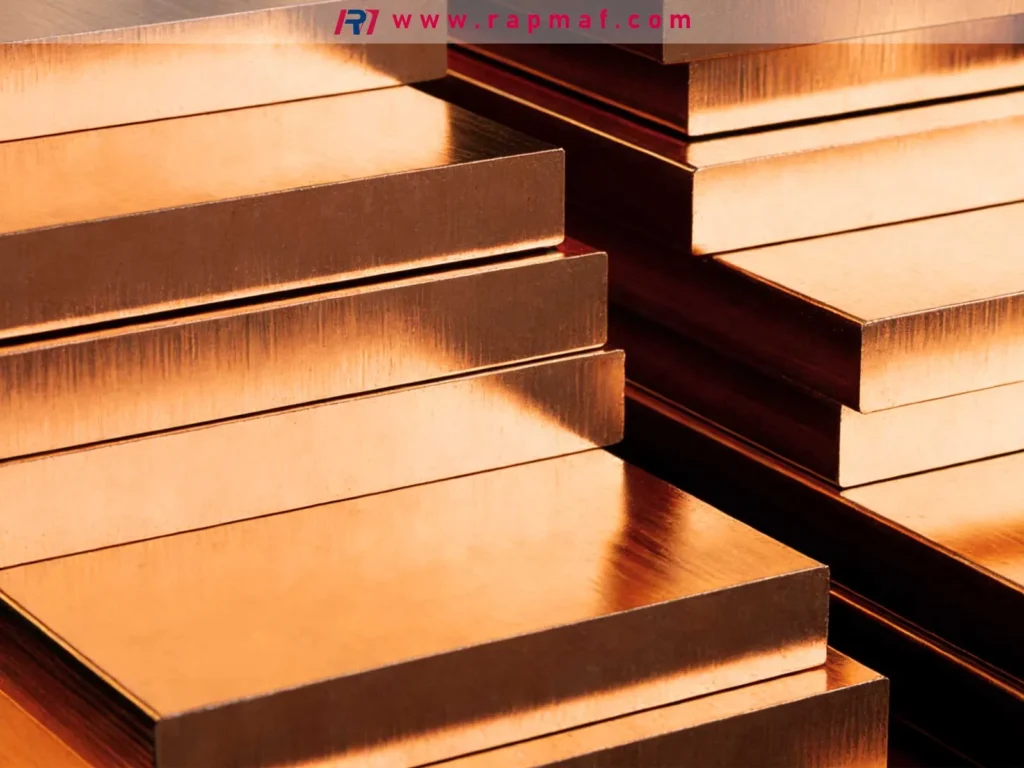
Common families include:
- Tin bronze: good wear resistance; classic bushing material in many designs
- Phosphor bronze: tin bronze with phosphorus; improved wear and spring properties
- Aluminum bronze: high strength, excellent corrosion resistance (including marine), tougher to machine than brass
- Silicon bronze: good corrosion resistance and often good formability; used for marine hardware and architectural parts
What tin/aluminum/silicon do: They typically improve strength, wear, and corrosion behavior—at the expense of higher material cost and/or machining difficulty.
Strength and hardness: don’t compare without specifying the temper/grade
People ask “is bronze stronger than brass?” and the honest answer is: sometimes, and it depends heavily on the exact alloy and condition.
- Some brasses are relatively soft and machine easily.
- Aluminum bronzes can be quite strong and durable.
- Many bronzes are chosen not for peak tensile strength, but for wear behavior and galling resistance.
Practical takeaway for buyers:
If your part is load-bearing, don’t specify “brass” or “bronze.” Specify the exact alloy standard and request material certification (Mill Test Report / MTR) if needed.
Wear and friction: this is where bronze often wins
If your part has sliding contact—think:
- bushings
- thrust washers
- wear plates
- worm gear components
- guides and ways
bronze is frequently the safer choice because many bronze alloys:
- resist galling (adhesive wear) better than many brasses
- embed small debris better (important in less-than-perfect lubrication)
- handle boundary lubrication conditions more gracefully
Brass can work in wear applications too, but it’s more sensitive to the exact alloy and the mating material.
Plain-English example:
If you have a steel shaft rotating in a sleeve and lubrication is “sometimes,” bronze bushings are a classic solution because they tend to survive imperfect real life.
Corrosion resistance: depends more on the environment than the name
In normal indoor air
Both brass and bronze do fine. You’ll mostly see:
- tarnish
- fingerprints
- cosmetic color shift over time
In water systems (plumbing, valves, fittings)
Here the brass/bronze decision gets serious.
Brass risk: dezincification
Some brasses can suffer dezincification—zinc leaches out, leaving a porous copper-rich structure. Parts can look “fine” until they suddenly crack, leak, or crumble at threads.
Dezincification risk increases with:
- certain water chemistries (chlorides, low alkalinity, stagnation)
- elevated temperature
- stress concentrations (threads, sharp corners)
- long exposure times
What to do instead of guessing:
If the part will see potable water, hot water, or aggressive water chemistry, consider:
- DZR brass (dezincification resistant brass) where appropriate
- certain bronzes (often used historically for valves and marine fittings)
- or a stainless option if your system allows it
Marine/saltwater exposure
Bronze (especially certain bronze families like aluminum bronze) is commonly selected for marine applications due to strong corrosion resistance and durability.
That doesn’t mean “any bronze works anywhere,” but in a buyer’s decision tree, bronze is often the conservative default for saltwater hardware compared to generic brass.
Galvanic corrosion: what metal is it touching?
If you bolt brass or bronze to stainless, aluminum, carbon steel, and then dunk the assembly in an electrolyte (water + salts), galvanic behavior matters.
- Copper alloys are relatively noble compared with aluminum and zinc.
- If you connect a copper alloy to aluminum in a wet environment, you can accelerate corrosion of the aluminum unless you isolate it (coatings, gaskets, design separation).
Buyer question to ask:
“What other metals touch this part, and will it be wet?” That answer can matter more than brass vs bronze.
Machinability: brass is usually easier (and cheaper to machine)
In CNC, many brasses are famous for:
- excellent chip control
- high cutting speeds
- good surface finish
- low tool wear
Many bronzes are still very machinable, but some (especially higher-strength bronzes) can:
- work harden depending on alloy
- generate stringy chips
- require more conservative feeds/speeds
- increase tool wear and cycle time
Real-world impact:
If you’re quoting thousands of parts, brass can be significantly cheaper because the machine time is lower, not just because the raw material costs differ.
Magnetic: brass vs bronze
A common shop-floor question is “is brass magnetic?” Usually:
- Most brasses are non-magnetic
- Most bronzes are also non-magnetic
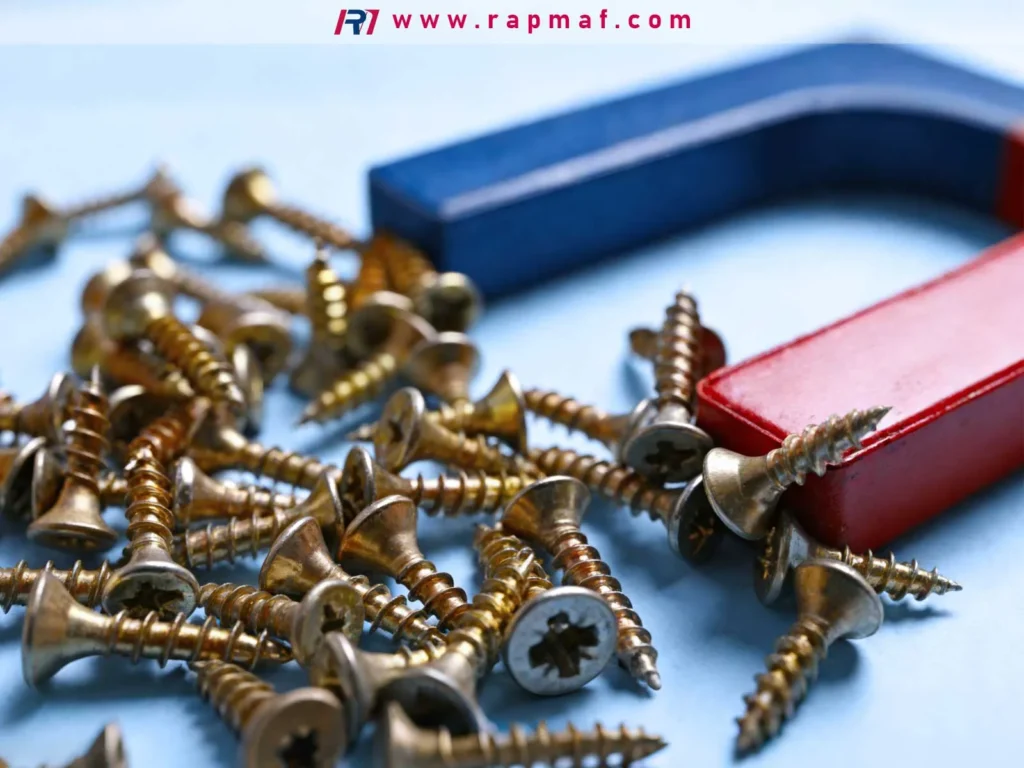
But magnetism is a terrible identification method because:
- surface contamination (steel dust) can make a “non-magnetic” part attract a magnet slightly
- some copper alloys can have small magnetic responses depending on composition
Better identification methods: alloy certs, XRF testing, or known grade markings.
Color: how to tell the difference between brass and bronze (quick and practical)
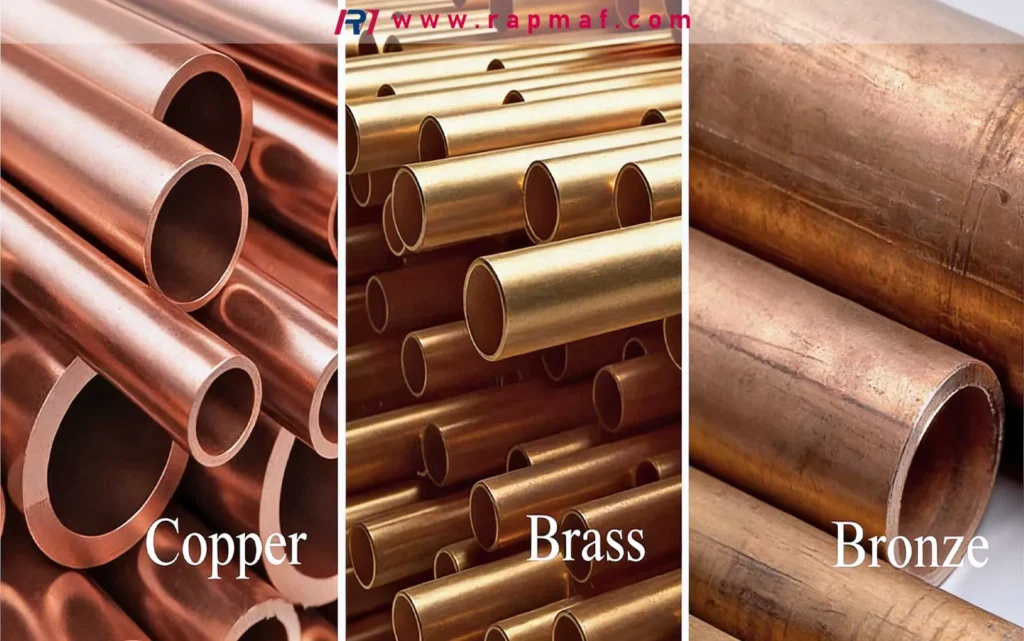
Color is helpful for a rough guess, not for procurement.
- Brass often looks yellow/gold (higher zinc can push it more yellow).
- Bronze often looks more reddish-brown or “darker gold.”
But:
- surface finish changes perception (polished vs bead-blasted)
- oxidation/tarnish changes color
- coatings (lacquer, plating) make color meaningless
If you need a consistent appearance, specify:
- finish process (polish grade, bead blast spec)
- coating (clear lacquer, plating type)
- and acceptance criteria (color tolerance is hard—use samples if critical)
Cost: which is more expensive, brass or bronze?
In many purchasing scenarios, bronze is more expensive than brass, but you should treat cost as two parts:
- Raw material cost (varies with copper market, alloying elements like tin/aluminum, and availability)
- Manufacturing cost (machining time, tool wear, scrap risk)
Even if bronze costs more per kg, it might be cheaper per finished part if:
- you can reduce failures/warranty
- you can reduce lubrication requirements
- you can avoid corrosion-related returns
And the opposite can happen too: a bronze grade might be overkill for an indoor decorative component where brass performs perfectly.
“Price per kg” comparisons are often misleading
Because your final part cost depends on:
- buy size vs finished size (material removal)
- yield and scrap
- cycle time
- required inspection and documentation
Procurement tip: Ask for a quote in both materials for the same design when you’re uncertain. The delta is often smaller (or larger) than people expect.
Uses: when to pick brass vs bronze (by application)
Pick brass when…
- You need a lot of machined parts fast
Brass can be a great choice for connectors, fittings, small housings, decorative hardware, and many general-purpose components. - You care about appearance
Brass is popular for consumer-facing hardware and decorative parts. - Your environment is controlled
Indoor, dry environments are usually friendly to brass. - You need good electrical conductivity plus machinability
Many brass grades are used for electrical components where machinability matters.
Pick bronze when…
- The part slides, wears, or carries load under motion
Bushings, thrust washers, wear components—bronze is a classic for good reason. - The part lives in seawater or harsh outdoor conditions
Bronze families (chosen correctly) are common in marine hardware. - You need long-term reliability where corrosion + stress combine
Certain bronzes can be more forgiving in aggressive environments than “generic brass.” - You want better resistance to galling
Particularly important when mating with stainless or other metals prone to galling.
Jewelry question: is brass or bronze better for jewelry?
This comes up a lot in Google suggestions because people buy jewelry directly.
From an engineering/buyer perspective, the big issues are:
- skin sensitivity (some alloys contain nickel or other allergens)
- tarnish behavior
- coatings (clear coat, plating)
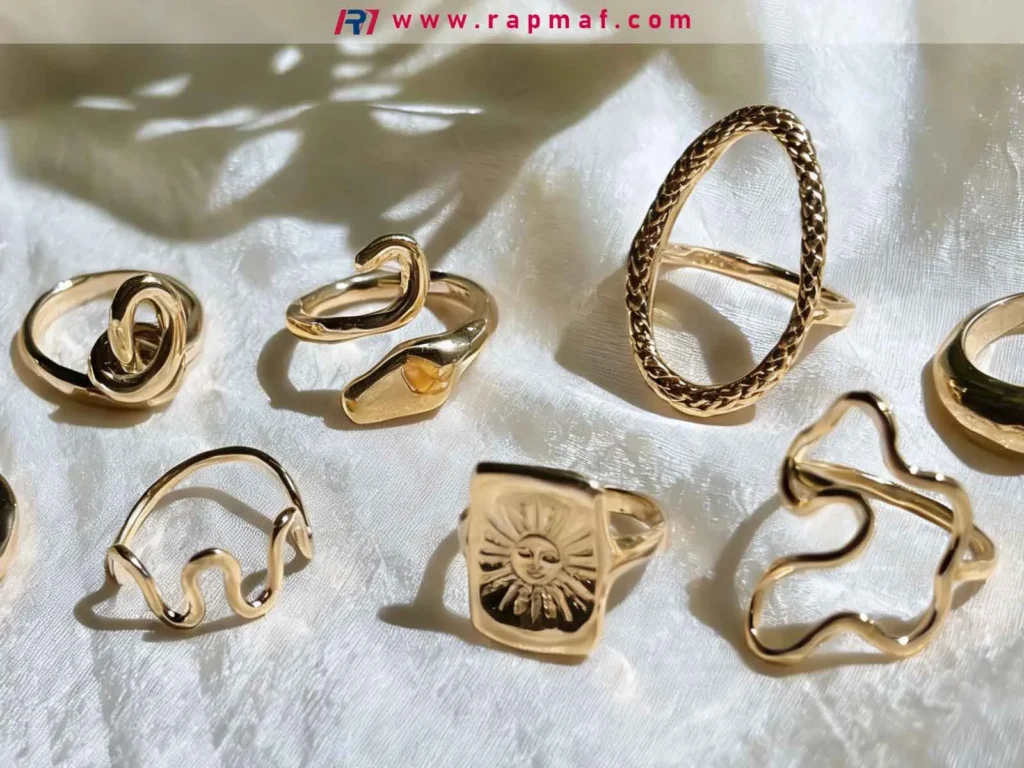
Brass is very common in costume jewelry because it’s easy to form and finish. Bronze is also used, often for a darker/antique look. For consistent appearance and reduced skin reaction, plating/coating control usually matters more than brass vs bronze.
(If your target is industrial procurement, keep this section short; it’s a different intent than CNC parts ordering.)
Why use brass instead of bronze?
If I’m advising a purchaser who wants the simplest honest reasoning:
- Lower machining cost in many cases
- Good enough corrosion resistance for indoor/benign environments
- Easier sourcing for common stock sizes
- Excellent surface finish off the machine
- Lower scrap risk on tiny parts and fine details
Brass often wins when the part is not a wear item and not exposed to aggressive water/salt environments.
Why do we not use bronze anymore? (We do.)
This is a misconception driven by history: bronze had a “Bronze Age” label, and people assume it was replaced.
In reality, bronze is widely used today—especially in:
- bearings and bushings
- marine components
- high-wear industrial parts
- certain architectural and electrical uses
What changed is that we have more alloy options now (stainless steels, engineered plastics, coated systems), so bronze is no longer the default for everything. It’s used where it’s the best fit.
Practical procurement: what to put on your RFQ/PO (so you actually get the right alloy)
Here’s a simple checklist we use to eliminate ambiguity:
1) Specify the exact alloy/standard
Instead of “brass” or “bronze,” call out a grade, for example:
- “Brass, free-machining brass, per applicable standard …”
- “Tin bronze / phosphor bronze / aluminum bronze …”
If you’re not sure which grade: tell the supplier the environment and mating material and ask them to propose 1–2 options with pros/cons.
2) Define the environment
- Indoor/outdoor
- Freshwater / seawater / chemicals
- Temperature range
- Contact with dissimilar metals (galvanic risk)
3) Describe the failure mode you’re preventing
- “We’ve had dezincification cracking at threads”
- “We’re seeing galling on stainless shafts”
- “We need stable wear life for 2 million cycles”
This helps the engineer choose the right copper alloy family.
4) Call out manufacturing and inspection needs
For machined parts, typical asks might include:
- dimensional inspection report for critical features
- material certificate / MTR (as required)
- CoC
(Only request SPC/advanced docs if you’ll actually use them—otherwise you pay for paperwork without gaining reliability.)
Common mistakes that cause wrong material shipments
- Using color to define material (“make it look like brass”)
Color ≠ alloy. Specify alloy + finish. - Writing “bronze” for any bushing
Some bronze grades are ideal for bearings; others are not. Application matters. - Ignoring water chemistry
If it’s a valve/fitting/plumbing component, assume water chemistry matters and specify DZR brass or a suitable bronze when needed. - Over-tolerancing
Tight tolerances can erase the cost advantage of brass and make bronze unnecessarily expensive. Tolerance what matters.
FAQs
Which is better, bronze or brass?
Neither is universally better. Bronze is often better for wear, sliding contact, and harsh/marine environments. Brass is often better for cost, machinability, and decorative or indoor components. The “better” choice depends on environment, load, and mating material.
Which is more expensive, brass or bronze?
Often bronze costs more due to alloying elements and machining differences, but finished part cost depends on cycle time, yield, and required performance. Quote both if you’re unsure.
Which lasts longer, bronze or brass?
In wear or marine environments, bronze frequently lasts longer. In indoor, low-wear applications, brass can last just as long. “Lifespan” depends on friction, lubrication, corrosion exposure, and design.
Why use brass instead of bronze?
Brass is commonly chosen for easier machining, good surface finish, availability, and lower total cost in non-wear, non-marine environments.
Bronze vs brass corrosion resistance: which is better?
Many bronzes perform better in seawater and harsh outdoor conditions. Some brasses can suffer dezincification in certain waters unless you specify DZR/naval brass grades. Always match alloy to the environment.
Brass vs bronze magnetic: are they magnetic?
Most brass and bronze alloys are generally non-magnetic. Don’t rely on a magnet for identification—use material certs or alloy testing.
How can I tell the difference between brass and bronze by color?
Brass is usually more yellow/gold; bronze is often redder or darker. But surface finish, oxidation, and coatings can make color unreliable—don’t use color as a procurement spec.
Is brass or bronze better for jewelry?
Both are used. Brass is very common for costume jewelry; bronze is used for a darker/antique look. For skin contact and appearance stability, plating/coating and alloy controls matter more than the name.
References
Because brass/bronze performance depends on specific grades, use standards and authoritative alloy databases when finalizing a callout:
- Copper Development Association (CDA) — general guidance and alloy information
https://copper.org/ - ASTM International — specifications for copper alloys (search by alloy family/usage)
https://www.astm.org/
If you want, I can tailor this to your quoting reality
If your buyers typically order bushings, valve parts, wear plates, decorative hardware, or electrical connectors, tell me which 2–3 categories matter most. I’ll add a short “recommended grades by application” section (without inventing capabilities/data) and a one-page RFQ template buyers can copy/paste.