


“Plastic weld” can mean a few different things. Sometimes people mean a real thermoplastic weld (plastic fused into one piece). Other times they mean glue, solvent cement, or even “that two-part epoxy that says plastic on the label.”
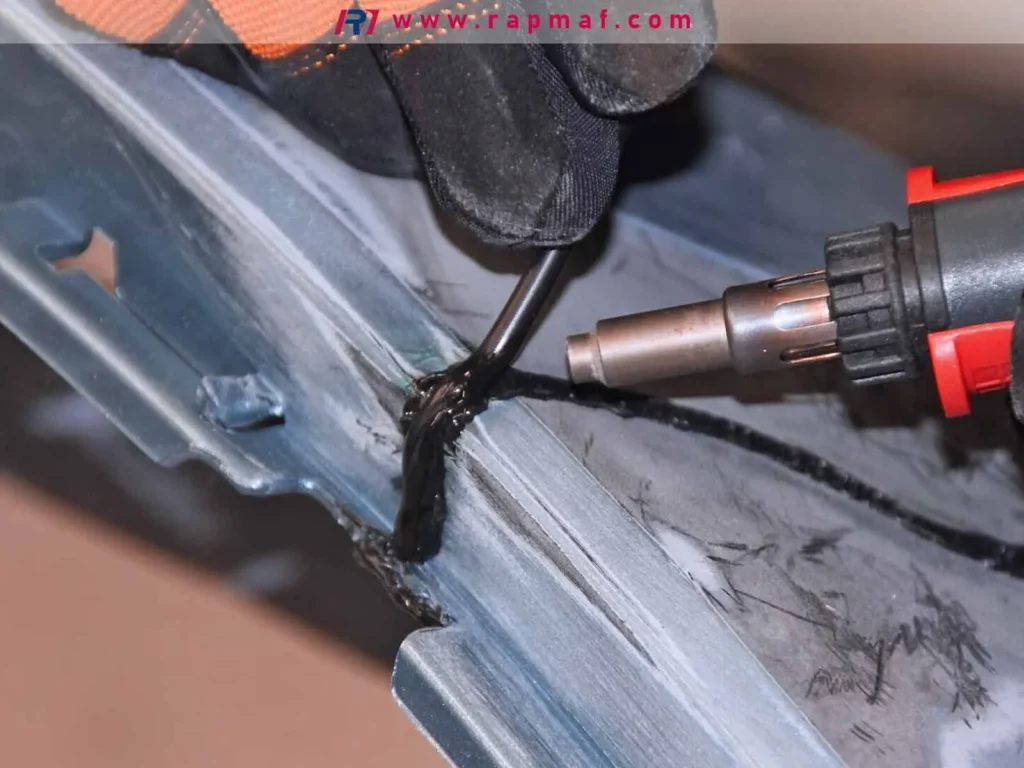
If you want the joint to be permanent, strong, and repeatable, the best approach depends on:
- what plastic you’re using (PP, PE/HDPE, ABS, PVC, PMMA/acrylic, PC, PA/nylon, POM, PEEK…)
- the joint style (butt, lap, V-groove, corner, fillet)
- thickness and access
- whether it’s a one-off repair or a production process
Below is a practical guide: DIY methods that work in a pinch, production welding methods that scale, and a quick decision table so you don’t waste time fighting the wrong material.
First: can your plastic actually be welded?
Thermoplastics (usually weldable)
Thermoplastics soften when heated and re-solidify when cooled, so they’re the main candidates for welding:
- PP, PE (HDPE/LDPE), ABS, PVC, PC, PA (nylon), PMMA (acrylic), POM (acetal), PETG, PVDF, PEEK (with the right equipment)
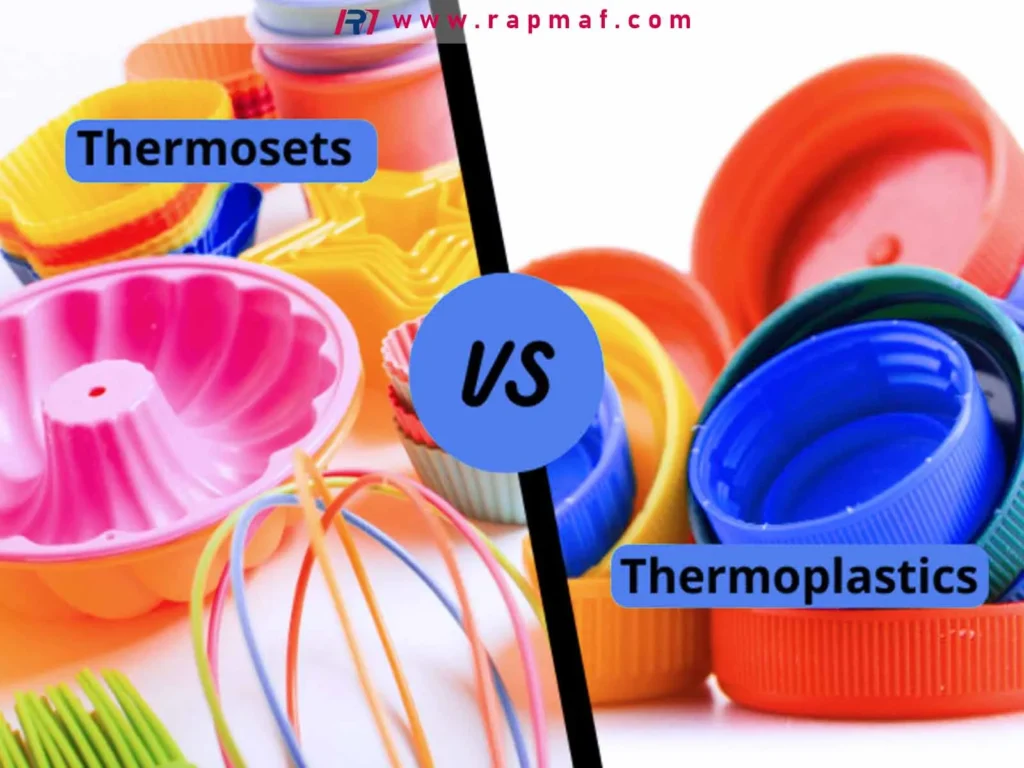
Thermosets (not really weldable)
Thermosets don’t melt cleanly; they char or degrade:
- Epoxy, phenolic, many “FRP”/fiberglass resin systems
These are typically bonded (adhesives) or mechanically fastened, not welded.
Fast check: If you can soften a scrap with controlled heat and it re-hardens without turning brittle/charred, it’s likely a thermoplastic.
The “best way” depends on your goal (repair vs production)
Quick decision table
| Your situation | Best practical method | Why it works | Typical plastics |
|---|---|---|---|
| Small DIY repair, no special tools | Soldering iron plastic weld (with mesh/staples if needed) | Cheap, local heat, workable on thicker cracks | ABS, PP/PE (harder but possible), many housings |
| DIY but you can buy a tool | Hot air plastic welding (heat gun + nozzle + rod) | Real weld with filler rod, controllable | PP, PE, PVC, ABS |
| Thin sheet, clean/clear joint | Solvent welding (chemical cement) | Makes a near-invisible joint when compatible | Acrylic (PMMA), PVC, ABS |
| High-volume small parts | Ultrasonic welding | Fast, repeatable, no consumables | ABS, PC, PP, PE, PA (varies) |
| Round parts | Spin welding | Very strong circular weld, fast | PP, PE, PA, ABS |
| Larger parts, high strength | Vibration welding | Strong joints, handles larger areas | PP, PA, ABS (varies) |
| Thick sections | Extrusion welding | Adds lots of molten filler fast | HDPE/PP tanks, ducts |
| You can’t weld (material or access) | Mechanical fasteners or structural adhesive | Predictable when welding is impractical | Thermosets, mixed materials |
1) Hot air (heat gun) plastic welding — the all-around “real weld” method
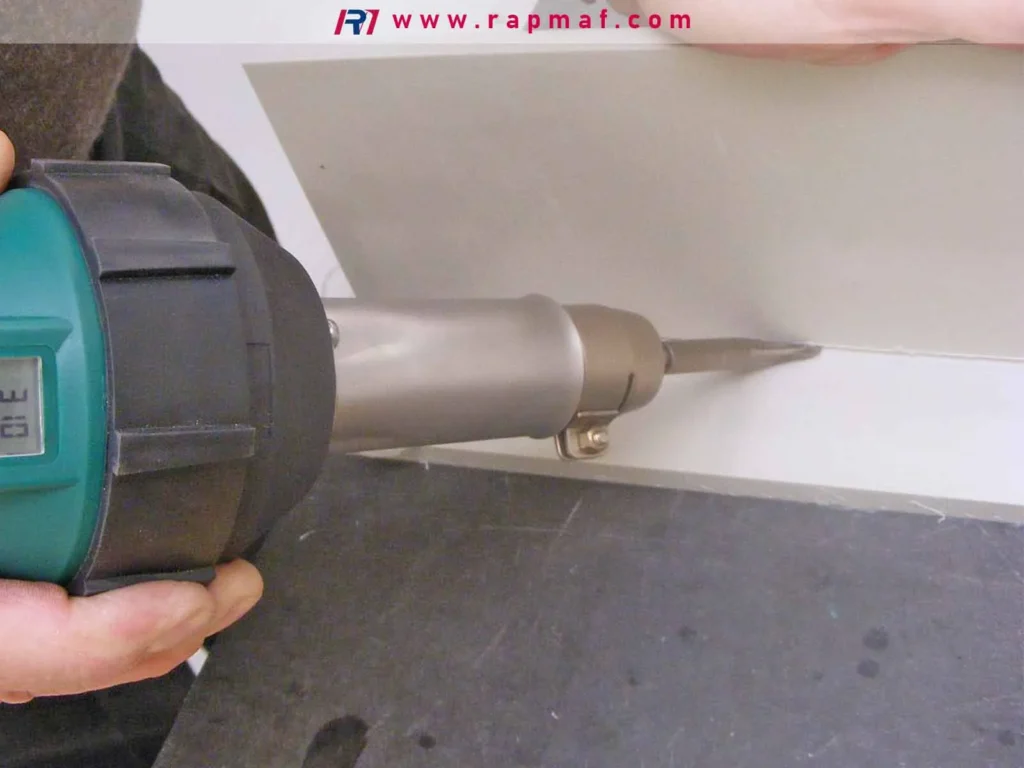
If you’re asking “best way to weld plastic” and you want something that works on a lot of materials, hot air welding with the correct rod is usually the answer.
How it works: Hot air softens the base material and the filler rod; you press the rod into the joint and fuse them.
Best for
- plastic sheets and fabricated parts
- tanks/ducts (especially HDPE/PP)
- corner joints and seams
What you need
- heat gun or plastic welder (a proper welder has better airflow/temp control)
- welding nozzle (speed tip helps)
- matching welding rod (same polymer family)
What makes or breaks it
- Correct rod material (PP rod on PP base, PE rod on PE base, etc.)
- Surface prep: remove oxidation/contamination; for PE/PP you often need aggressive cleaning + scraping the surface layer
- Joint design: a V-groove on thicker material helps penetration
Common failure mode: The plastic looks fused on top but peels like tape. That’s usually wrong rod, too cold, or poor surface prep.
2) Plastic welding with a soldering iron (DIY-friendly)
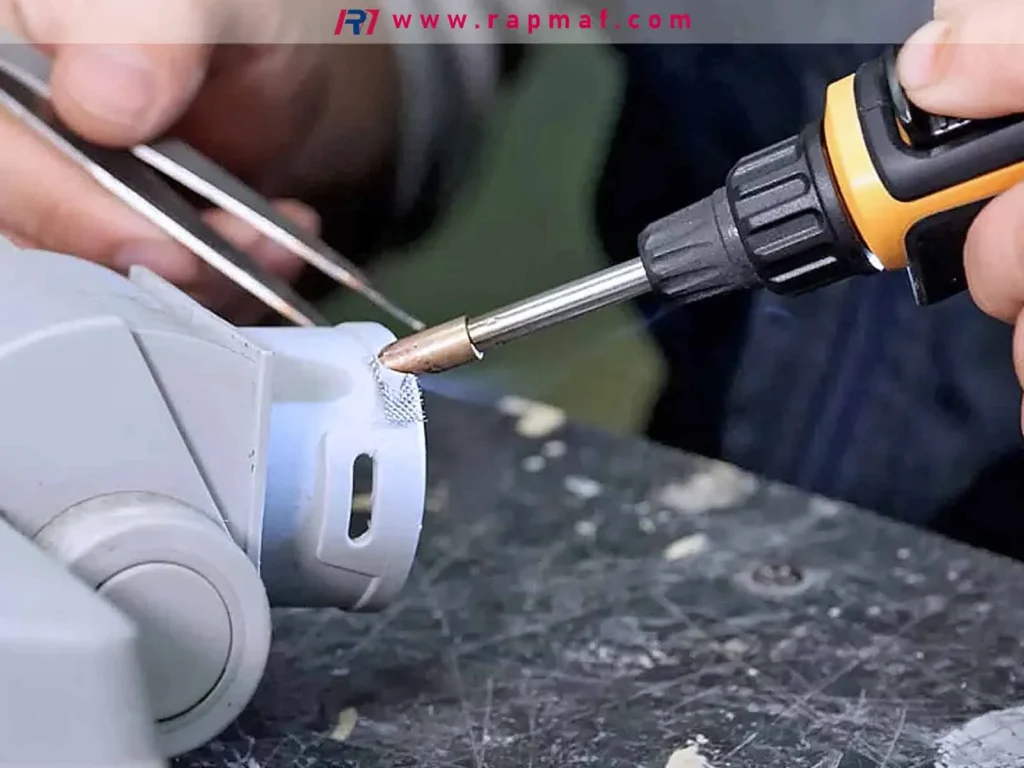
This is popular because most people already have a soldering iron.
Best for
- cracked housings, tabs, brackets (especially ABS)
- reinforcing with stainless mesh or hot staples
Basic approach
- Align and tack the crack
- Melt along the seam (don’t burn it)
- Optionally press in mesh/staples for reinforcement
- Add filler (shavings/rod) and smooth
Limitations
- Easy to overheat and make the area brittle
- Hard to control on very thin plastics
- Not great for large seams where you need consistent strength
3) Solvent welding (chemical “melting”) — best for acrylic/PVC/ABS when compatible
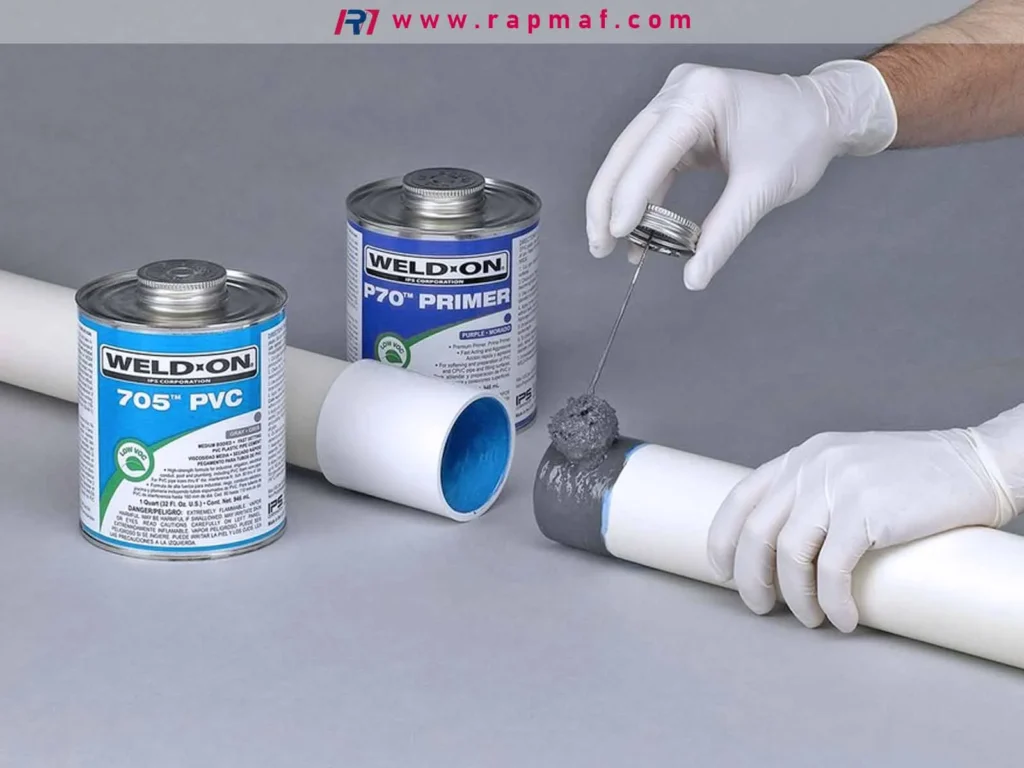
For certain plastics, the cleanest “weld” is actually a solvent that briefly dissolves the surface so the parts fuse.
Best for
- Acrylic (PMMA) display cases, guards, clear covers
- PVC pipe and sheet
- ABS plumbing/printed parts (with the right cement)
Why people like it
- Very clean seams
- No heat distortion
- Great for thin sheet
Watch-outs
- Needs close-fitting joints (gap-filling is limited)
- Solvent fumes and handling safety matter
- Not for PP/PE (they’re chemically resistant; solvent welding usually doesn’t work)
4) Ultrasonic welding — best for production plastics assemblies
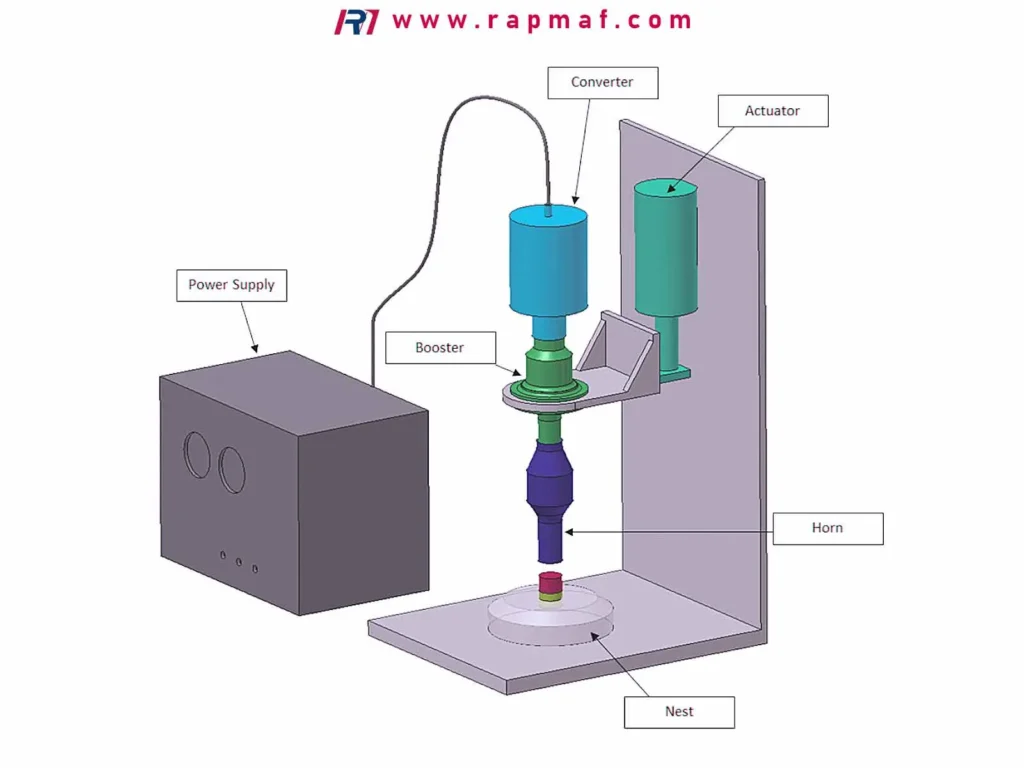
If you’re making parts in volume and want consistent joints, ultrasonic welding is a top choice.
How it works: High-frequency vibration generates heat at the interface; a designed-in energy director concentrates the melt.
Best for
- small to medium molded parts
- fast cycle times
- clean process (no rods, no solvents)
Design notes that matter
- Add an energy director feature
- Control part fit-up and clamp features
- Choose the right joint type (shear joint, tongue-and-groove, etc.)
5) Spin / vibration / hot plate welding — the “industrial” options
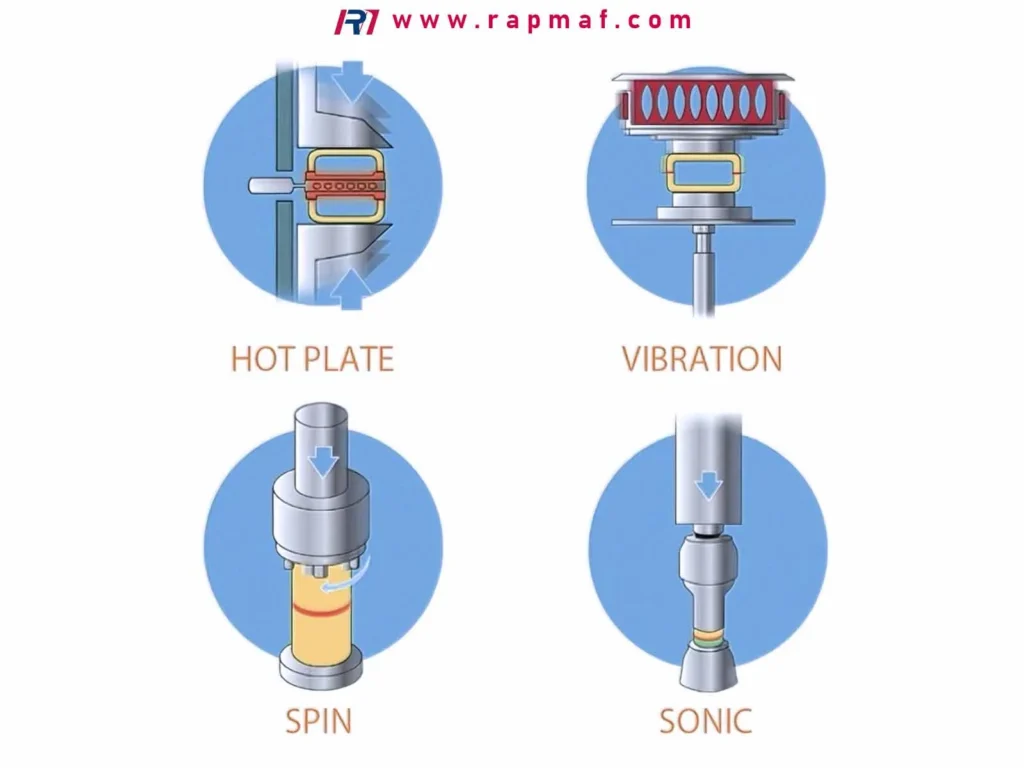
These are less DIY, but they’re often the answer in manufacturing.
- Spin welding: Great for round parts (caps, filters, reservoirs).
- Vibration welding: Great for larger parts where ultrasonics can’t deliver enough energy uniformly.
- Hot plate welding: Two surfaces melt against a heated platen, then press together; good for bigger joints and thick sections, common in automotive fluid systems.
How to weld plastic without a welder (realistic options)
If “without a welder” means “no dedicated plastic welder,” you still have choices:
- Soldering iron weld (best for small cracks and tabs)
- Heat gun + improvised nozzle (works, but control is tougher)
- Solvent cement (only for compatible plastics like PVC/ABS/PMMA)
- Mechanical repair (drill stop-holes + fasteners + backing plate) when the plastic is hard to weld (like some filled nylons) or safety-critical
What I don’t recommend: trying to “weld” PP/HDPE with random glue. If it holds at all, it often fails under peel, heat, or time.
Using plastic welding rods (and picking the right rod)
Rule #1: Rod must match the base plastic family.
- PP ↔ PP rod
- PE/HDPE ↔ PE rod
- PVC ↔ PVC rod
- ABS ↔ ABS rod
If you don’t know the plastic
- Look for markings (PP, PE-HD, ABS, PC, PA, POM, PMMA) on the part
- Do a cautious heat test on a hidden tab/scrap
- For critical parts, identify resin by supplier spec or lab test (FTIR)
Rod shape
- Round rods: general purpose
- Triangular rods: often used for V-grooves in sheet welding
- Flat/profile rods: sometimes used for speed tips and specific seams
Weld vs glue: which is better?
It depends on the plastic and the joint loads.
Quick comparison
| Question | Welding usually wins when… | Adhesive/glue usually wins when… |
|---|---|---|
| Strength | You need true material fusion and peel resistance (and it’s a weldable thermoplastic) | You have mixed materials or thermosets |
| Appearance | You can hide the weld bead or you can finish it | You need an invisible bond (and plastic is bondable) |
| Speed in production | Ultrasonic/spin/vibration are very fast | Some adhesives need cure time |
| Heat/chemicals | Correct weld is often excellent | Some adhesives degrade with heat/chemicals |
| DIY repair | Soldering iron/hot air can work well | Epoxy is easier if the plastic bonds well (ABS/PVC/PMMA often do; PP/PE often don’t) |
Big reality check: PP and PE (HDPE) are low surface-energy plastics—many glues don’t bond well without special surface treatment (flame/plasma/primer). In those cases, welding or mechanical fastening is often the practical route.
Tips to avoid cracking, burning, or weak welds
- Don’t rush: too much heat = bubbling, charring, brittle joint
- Prep matters: degrease, scrape oxidation, remove paint/coatings
- Use the right joint design: V-groove for thicker sections, lap joints for sheet when possible
- Keep pressure steady; don’t “stir” the melt like solder
- Practice on scrap of the same plastic before touching the real part
FAQs
What is the best thing to weld plastic?
For DIY repairs, a soldering iron (plus mesh/staples) is the most accessible. For stronger “real welds” on PP/PE/PVC/ABS, hot air plastic welding with matching rod is often the best all-around option. For production, ultrasonic (small parts) or vibration/spin/hot plate (specific geometries) usually wins.
How to permanently weld plastic?
Use a method that fuses the same thermoplastic: hot air welding, extrusion welding, ultrasonic, spin, vibration, or hot plate—depending on geometry and volume. Match filler rod to base plastic, prep the surface, and use a joint design that promotes penetration (like a V-groove).
How to weld two pieces of plastic together?
Identify the plastic first. Then choose:
- Solvent welding for PMMA/PVC/ABS when fit-up is tight
- Hot air welding + rod for PP/PE/PVC/ABS sheets and parts
- Ultrasonic/spin/vibration for production assemblies
Is it better to weld or glue plastic?
If the plastic is weldable and you need long-term durability (especially PP/HDPE), welding is often better. If the plastic is hard to weld, mixed-material, or you need a clean cosmetic seam, adhesive/solvent bonding may be better—assuming the plastic bonds reliably.
Can you weld plastic with a utility heat gun?
Yes, for some plastics and small jobs, but it’s harder to control temperature and airflow. A dedicated plastic welder and the right nozzle make a big difference in weld consistency—especially on PP/HDPE.
References
- American Welding Society (AWS) — Standards and resources
https://www.aws.org/standards
- American Welding Society (AWS) — Standards and resources
- Branson Ultrasonics (Emerson) — Ultrasonic welding fundamentals (manufacturer technical resources)
https://www.emerson.com/en-us/automation/branson
- Branson Ultrasonics (Emerson) — Ultrasonic welding fundamentals (manufacturer technical resources)