


Metalworking sounds like a big, old-school word. In practice, it’s just “how we turn metal into useful parts”—brackets, housings, shafts, frames, enclosures, manifolds, fixtures, and the thousand other shapes that keep machines alive.
When people ask, “What are the five basic metal working operations?” they’re usually trying to do one of two things:
- Understand the manufacturing route so they can design a part that’s realistic and cost-effective, or
- Place an order (RFQ) without a week of back-and-forth about what process is actually needed.
From a shop-floor point of view, the five basics are:
- Forming (bend it, press it, shape it without removing much material)
- Cutting (separate material—shear, saw, laser, waterjet, plasma)
- Machining (remove material precisely—CNC milling/turning/drilling)
- Joining (make multiple pieces become one—welding, brazing, riveting, adhesives, fasteners)
- Finishing (protect it, make it look good, make it last—coating, plating, anodize, passivation, heat treat, deburr)
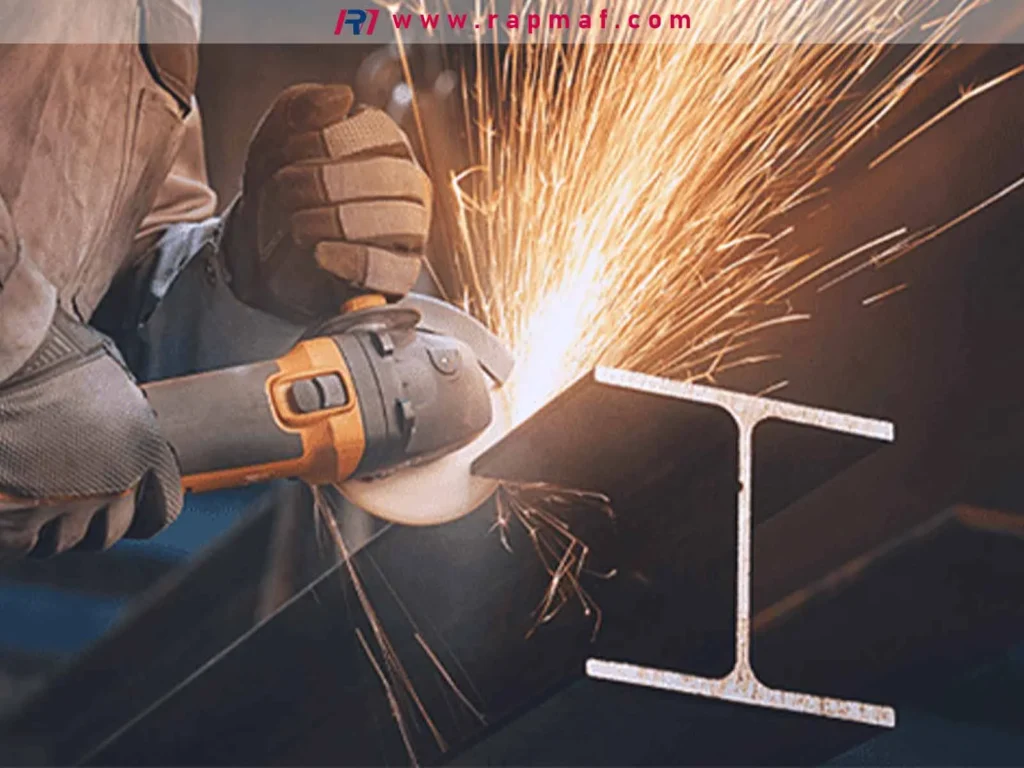
Quick map: the five operations at a glance
| Operation | What it does (plain English) | Typical outputs | What usually drives cost |
|---|---|---|---|
| Forming | Changes shape without “carving” much material | Sheet metal brackets, channels, drawn cups, formed panels | Material thickness, bend count, tooling/setup, spring back control |
| Cutting | Separates material into blanks or profiles | Flat patterns, plates, bar cut-to-length | Thickness, cut length, pierce count, edge quality requirement |
| Machining | Removes material to hit tight dimensions | Precision holes, bores, threads, pockets, shafts | Tolerance, tool access, cycle time, work holding complexity |
| Joining | Combines parts into assemblies | Frames, tanks, welded brackets, bolted subassemblies | Fit-up, weld length, distortion control, inspection requirements |
| Finishing | Improves corrosion resistance, wear, appearance | Anodized aluminum, plated steel, passivated stainless | Surface area, masking, spec level, rework risk from poor prep |
1) Forming (Metal Forming)
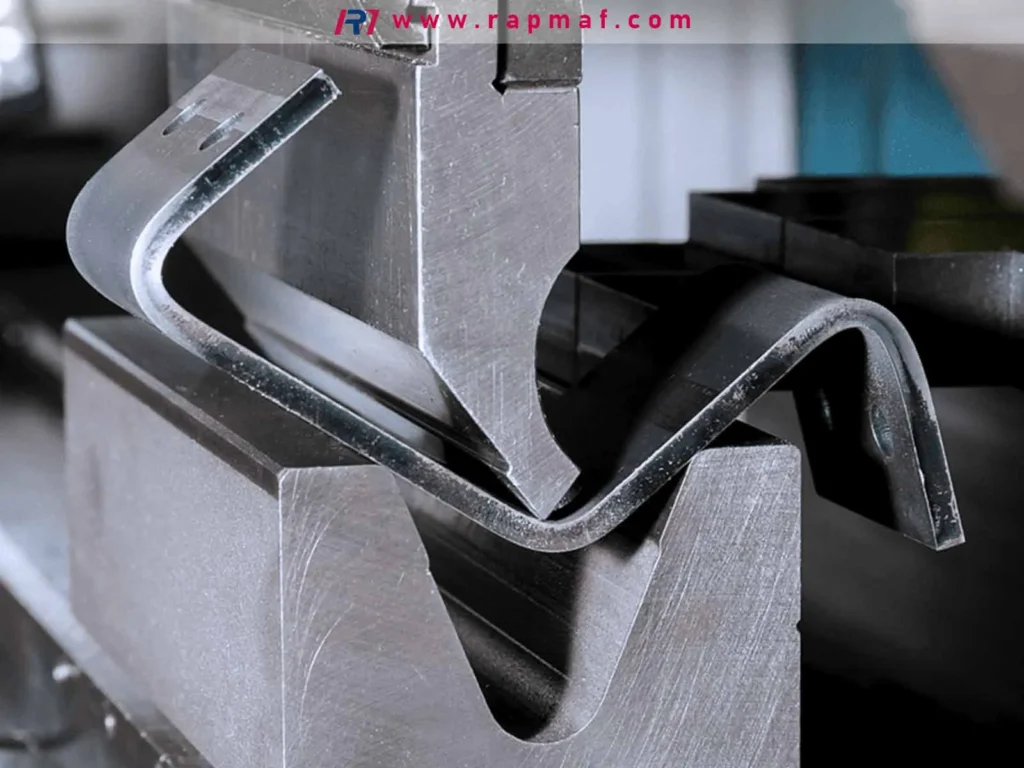
What it is: Forming changes the shape of metal by force—bending, stamping, rolling, drawing, forging, extrusion. The key idea is you’re not “cutting away” most of the material; you’re moving it.
Where forming shines
- You want lightweight strength (a bent sheet can be stiffer than a flat plate)
- You need high throughput (stamping can be extremely fast once tooling exists)
- You’re making shapes that are naturally “sheet-like” or “profile-like”
Where forming bites people
- Spring back: the part relaxes after forming, so angles/radii shift
- Minimum bend radius and grain direction matter (cracking risk)
- Tight tolerances across formed features can be expensive without secondary ops
Forming case example: stainless sheet bracket that “should be 90°”
Scenario: You need an L-bracket for an industrial enclosure. Material is 304 stainless, thickness 2.0 mm. Two holes mount to a frame, and the bracket must sit flush so the enclosure door aligns.
Typical route
- Laser cut the flat pattern (outer profile + holes)
- Deburr (so it’s safe to handle and doesn’t ruin coatings later)
- Press brake bend
- Optional: spot face / ream / hardware insertion if needed
What to put on the drawing/RFQ so it comes out right
- Call out the bend angle with a tolerance (example: 90° ± 0.5°) or define the functional requirement (flush fit) with a datum scheme.
- Specify inside bend radius if it matters for clearance. If you don’t care, say “inside radius per tooling” to avoid unnecessary cost.
- If holes are close to the bend, note whether hole distortion is acceptable or whether you need a secondary operation (like reaming after bending).
Common mistake: People over-control the angle but forget the real functional need is often flange-to-flange distance or flatness on a mounting face. If the bracket must sit flat, call out the flatness/parallelism where it matters instead of trying to “bully” the bend angle into perfection.
2) Cutting (Separating Material)
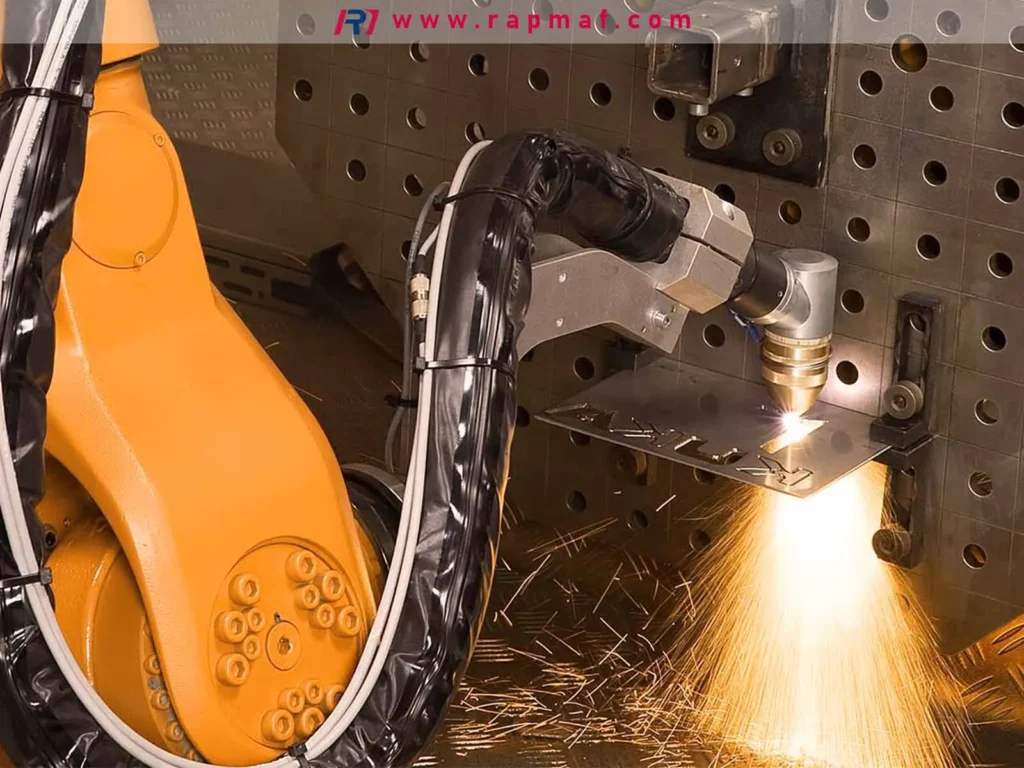
What it is: Cutting is how you turn raw stock into manageable shapes: sheet into blanks, plate into profiles, bar into lengths. Cutting can be mechanical (saw, shear) or thermal/erosive (laser, plasma, waterjet).
Where cutting shines
- Fast way to get 2D profiles
- Great first step before forming, machining, or welding
- Often the cheapest way to create a “near-net” blank
Where cutting bites people
- Edge quality varies by method (heat-affected zone, taper, dross)
- Kerf width and corner radii can affect fit
- Tight profile tolerances can push you toward slower methods or secondary machining
Cutting case example: thick plate blanks for a machined manifold
Scenario: You’re making a hydraulic manifold from 4140 steel plate. Final part will be CNC machined, but you want blanks cut to size first to reduce milling time.
Typical route
- Cut plate into rectangles (band saw, waterjet, or plasma depending on thickness and tolerance)
- Face mill to clean up and establish datums
- Drill/ream bores, mill pockets, tap ports
How to choose the cutting method (practical view)
- If you need minimal heat effects and decent edge quality, waterjet is a safe bet—especially if you’re worried about hardening at the edge on alloy steels.
- If you’re going to machine away the edges anyway, a faster/cheaper cut method can be fine as long as you leave machining allowance.
What to specify
- “Cut blank oversize by X mm per side for machining” (so the shop doesn’t guess)
- Flatness requirement only if it matters; otherwise you’ll pay for stress-relieved plate or extra processing
- If the blank will be welded later, mention it—some cut edges need prep for weld quality
3) Machining (CNC Milling/Turning/Drilling)
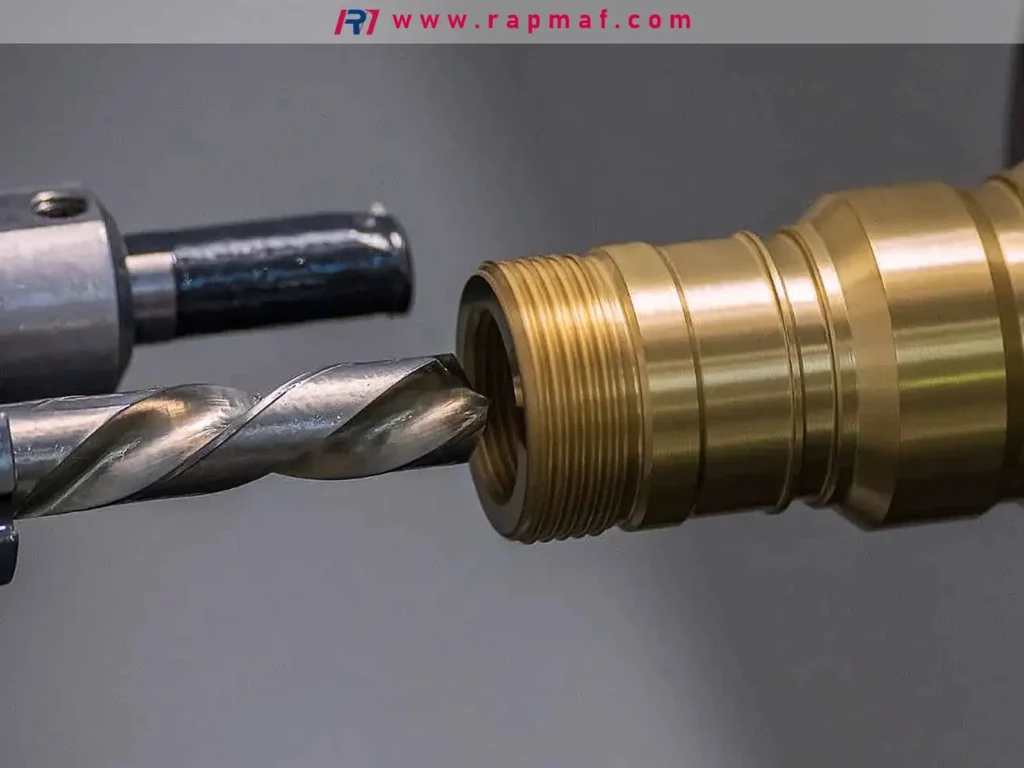
What it is: Machining removes material to hit precise dimensions and features: bores, threads, pockets, sealing faces, bearing seats, keyways, complex 3D surfaces.
Where machining shines
- Tight tolerances and repeatability
- Complex geometry in metals and engineering plastics
- Great for prototypes and low-to-mid volume
Where machining bites people
- Tight tolerances everywhere = slow cycle time + inspection cost
- Deep pockets and long slender tools = chatter, poor finish, tool breakage
- Work holding can dominate cost for awkward shapes
Machining case example: 6061 aluminum housing with “one critical bore”
Scenario: You need a CNC-milled 6061 housing. Most dimensions are not critical, but one bore must locate a bearing. The bearing seat needs a tight tolerance and good surface finish; the rest just needs to fit in an assembly.
Typical route
- Rough mill from billet (leave stock for finishing)
- Finish critical datums and the bearing bore
- Drill/tap mounting holes
- Deburr and clean
- Optional: anodize
How to keep cost down without sacrificing function
- Put the tight tolerance on the bearing bore only, not on every outside face.
- Define datums based on how the part is actually assembled (mounting face + locating features).
- If anodizing is required, note whether the bore is masked or whether you’ll accept post-anodize sizing (anodize adds thickness).
A very common “procurement pain”
- The drawing says ±0.01 mm “everywhere” because it feels safe. In reality, that can force slower finishing passes, more tool wear, and more inspection—without improving the assembly. A better approach is: tight where it matters, relaxed where it doesn’t.
4) Joining (Welding, Brazing, Riveting, Fasteners, Adhesives)
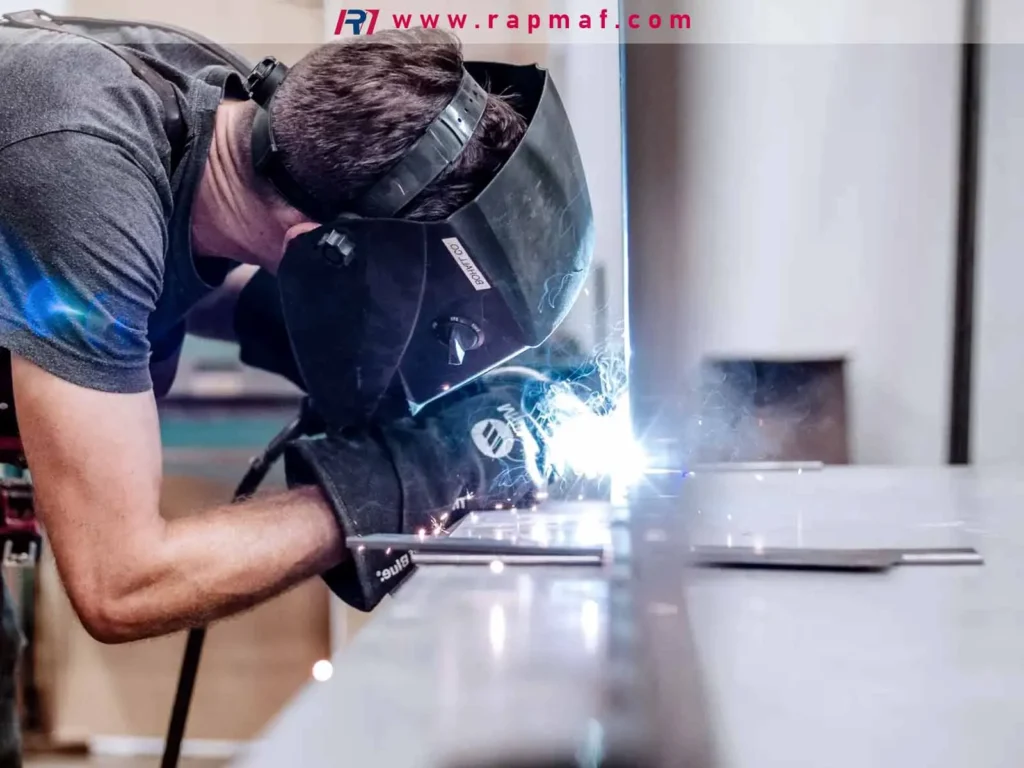
What it is: Joining turns multiple parts into an assembly. Welding is the headline act, but bolting, riveting, clinching, brazing, and structural adhesives are also joining methods.
Where joining shines
- Lets you build large structures from smaller, easier-to-make parts
- Often cheaper than machining a big part from a huge block
- Enables mixed materials (with the right method)
Where joining bites people
- Distortion and residual stress (especially with welding)
- Fit-up matters: gaps and misalignment become quality problems
- Inspection requirements can add time (visual, dye penetrant, etc.)
Joining case example: welded frame that must stay square
Scenario: You need a welded steel frame for a machine base. It has mounting pads that must be coplanar so the machine doesn’t rock, and the frame must stay square so guarding panels fit.
Typical route
- Cut tube/plate to length
- Fixture and tack weld
- Full weld sequence (controlled order to reduce distortion)
- Stress relief (if required)
- Machine critical mounting pads (common best practice)
- Finish (paint/powder coat)
What to specify so you don’t get a “banana frame”
- Identify which surfaces are functional datums (mounting pads, locating faces).
- If flatness matters, consider calling out “machine after weld” on those pads.
- If you need a weld standard, specify it (AWS D1.1 for structural steel is common in the US; ISO equivalents exist in EU contexts).
Practical tip: If you truly need precision, don’t fight welding distortion with tighter weld tolerances alone. The usual winning combo is fixture + weld sequence + post-weld machining on the critical faces.
5) Finishing (Surface Treatment + Heat Treatment + “Make It Last”)
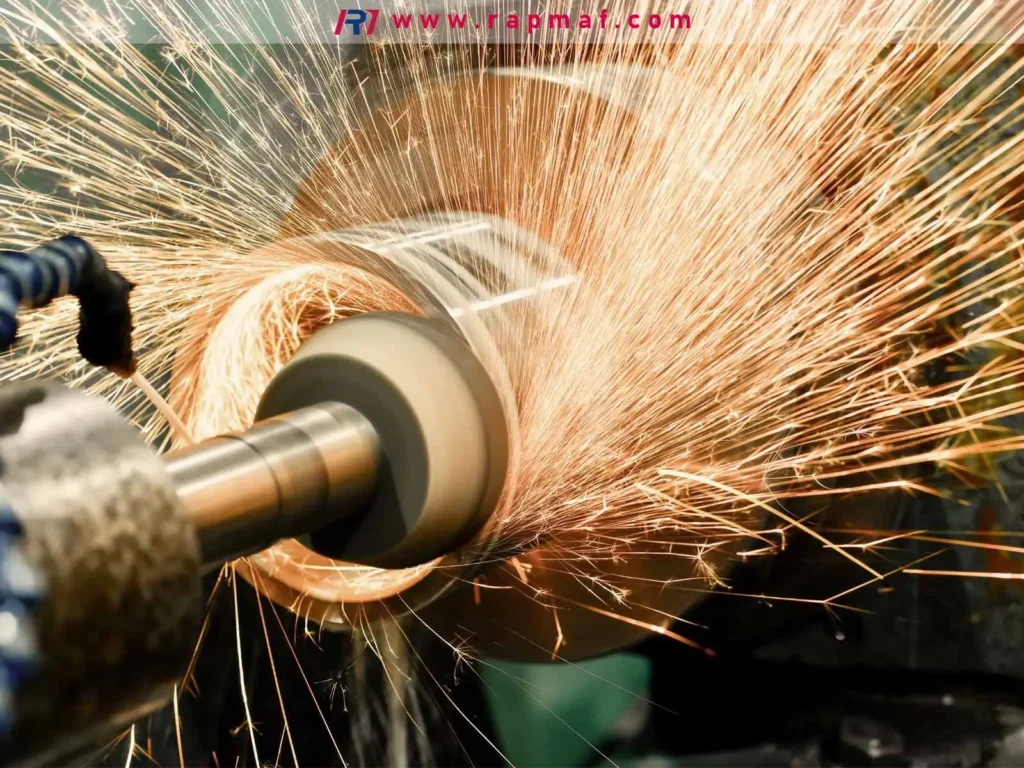
What it is: Finishing is everything you do after the shape is made to improve corrosion resistance, wear, appearance, cleanliness, or mechanical properties. This includes:
- Deburring / edge break (often the most underrated “finish”)
- Anodizing (aluminum)
- Plating (zinc, nickel, etc.)
- Passivation (stainless steel)
- Painting / powder coating
- Heat treatment (hardening, tempering, precipitation hardening)
- Polishing / blasting
Where finishing shines
- Corrosion resistance and cosmetic consistency
- Wear resistance and reduced galling (depending on coating)
- Helps parts survive real environments (salt, humidity, chemicals)
Where finishing bites people
- Masking and racking can add cost and lead time
- Coatings change dimensions (sometimes enough to matter)
- Poor cleaning/deburr before finishing causes rejects
Finishing case example: 7075 part that needs corrosion protection
Scenario: You have a 7075 aluminum CNC part used in a humid environment. You want corrosion protection and a consistent look.
Typical route
- CNC machine
- Deburr (edge break so coating doesn’t thin out at sharp edges)
- Clean
- Anodize (Type II for general corrosion resistance; Type III hard coat for wear—depending on need)
- Optional: dye/seal
What to clarify in the RFQ
- Which anodize type and color (if cosmetic matters)
- Which surfaces must be masked (threads, bearing seats, electrical contact points)
- Whether you need a thickness range and how it affects fits
Common mistake: People specify a finish but forget to specify what must be protected from that finish. Threads and tight bores are the usual victims. A simple note like “mask threads” or “bore to be final size after anodize” prevents a lot of drama.
A practical “part → process route” cheat sheet
This is the table procurement folks usually wish existed when they’re staring at a STEP file and a deadline.
| Part type you’re buying | Most common winning route | Why it’s usually chosen | Watch-outs |
|---|---|---|---|
| Sheet bracket / enclosure panel | Cut (laser/waterjet) → Form (bend) → Finish | Fast, low material waste, strong for weight | Springback, bend radius, hole-to-bend distance |
| Precision shaft / pin | Cut bar → Turn (CNC lathe) → Heat treat (if needed) → Grind (if needed) | Round parts are efficient on a lathe | Distortion after heat treat, surface finish for seals/bearings |
| Housing with bores | Cut blank → CNC mill → Deburr → Finish | Machining hits tight bores and datums | Over-tolerancing, tool access, coating thickness |
| Welded frame | Cut → Join (weld) → Machine critical pads → Finish | Big structures without huge billets | Distortion, weld access, inspection requirements |
| Wear plate / sliding surface | Cut → Machine (if needed) → Heat treat/coating | Wear resistance comes from material + finish | Flatness, hardness spec, edge condition |
“Five sheet metal operations” vs “five metalworking operations”
You’ll see two similar questions online:
- Five basic metalworking operations (broad manufacturing view): forming, cutting, machining, joining, finishing.
- Sheet metal operations (more specific): cutting/blanking, bending, punching, drawing, hemming, etc.
They overlap, but sheet metal is a subset. If your part is mostly sheet, you’ll spend more time thinking about flat patterns, bend allowances, and hardware insertion than about deep CNC pockets.
How to identify what you’re looking at (fast, practical)
When you’re handed a part file and asked “how do we make this?” here’s a quick way to classify it:
1.Is it mostly constant thickness like a sheet?
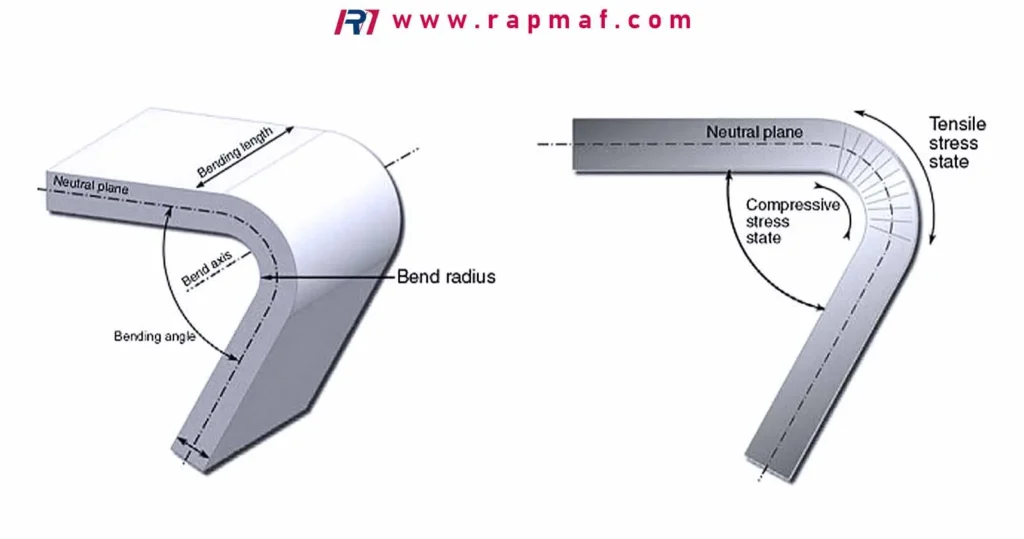
Likely cut + form, maybe with hardware insertion and finishing.
2.Is it mostly round and symmetric?
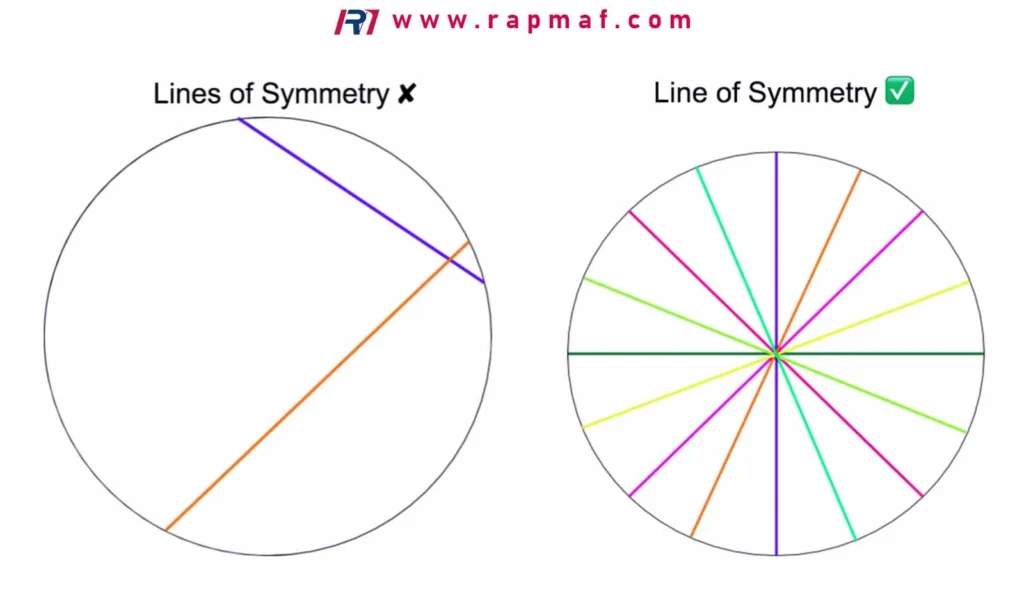
Likely turning (machining), maybe with grinding.
3.Is it a block with pockets/bores?
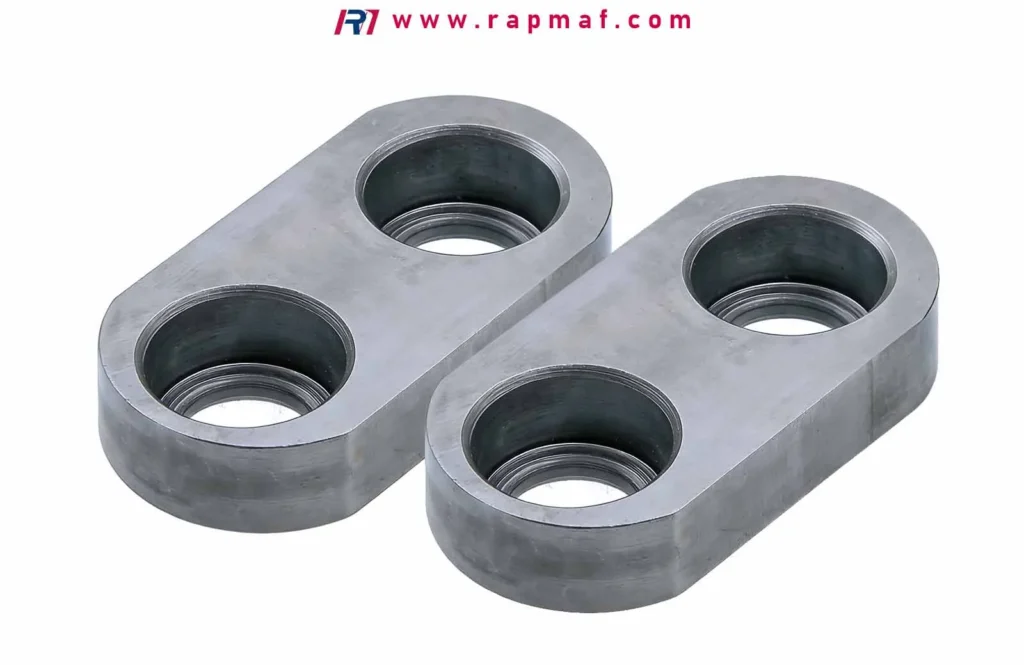
Likely milling (machining), possibly with a cut blank first.
4.Is it too big/awkward to machine from one piece economically?
Likely joining (welded/bolted assembly), then machine critical faces.
5.Does it live in corrosion/wear/food-contact environments?
Finishing and material choice become first-class requirements, not afterthoughts.
FAQs
What are the five basic metal working operations?
In plain terms: forming, cutting, machining, joining, and finishing. Most real parts use more than one—like cut + bend + powder coat, or cut + weld + machine + paint.
What are the basic metal working processes?
If you mean the “big buckets,” it’s the same five. If you mean “shop processes,” you’ll see sub-processes like stamping, forging, laser cutting, waterjet cutting, CNC milling, CNC turning, MIG/TIG welding, brazing, anodizing, plating, and heat treating.
What are the 5 sheet metal operations?
People list these differently, but common sheet metal operations include: cutting/blanking, punching, bending, drawing/forming, and hemming/edge forming. In real shops you’ll also see hardware insertion (PEM), spot welding, and finishing.
What are the 5 types of manufacturing processes?
A common high-level grouping is: casting/molding, forming, machining, joining, and additive manufacturing (3D printing). Some lists swap “finishing” in as its own category.
What are the 5 metal joining methods?
Common joining methods include: welding, brazing, soldering, mechanical fastening (bolts/screws/rivets), and adhesives. Which one is “best” depends on load, temperature, corrosion, serviceability, and cost.
Which metalworking operation is the most accurate?
Usually machining (and grinding as a specialized machining process) is used for the tightest tolerances. But accuracy isn’t free—if you only need “fits by hand,” forming/cutting can be plenty.
Is cutting the same as machining?
Not really. Cutting is mainly separating material (like laser cutting a profile). Machining is shaping by removing material to create precise features (like a bearing bore or a sealing face).
Why do welded assemblies often get machined afterward?
Because welding introduces heat and distortion. Machining critical faces after welding is a practical way to guarantee flatness, parallelism, and hole alignment where it matters.
References
- AWS (American Welding Society) — Codes and standards overview
https://www.aws.org/standards - NIST — Manufacturing resources and measurement guidance
https://www.nist.gov/manufacturing
A simple RFQ checklist
- 3D model (STEP preferred) + 2D drawing (PDF)
- Material and condition (example: 6061-T6, 304, 17-4PH H900, 4140 pre-hard)
- Quantity (prototype vs small batch vs production)
- Critical dimensions/tolerances (call out what truly matters)
- Surface finish/coating requirements (and masking notes)
- Inspection/doc needs (CoC, material certs, FAI, CMM report, SPC if applicable)
- Ship-to country and required date
If you want, I can also rewrite this article into a version that matches your company voice (“15+ years rapid manufacturing engineer”) and weave in your real capabilities (materials you listed, typical tolerance range, documentation options, lead-time strategy) without inventing anything.